

Have you ever wondered how much a car door weighs? You might think it’s just a simple piece of metal, but there’s more to it than meets the eye.
Knowing the weight of your car door can help you understand your vehicle better, whether you’re thinking about repairs, upgrades, or even how your car handles on the road. You’ll discover the surprising facts about car door weights and why it matters to you.
Keep reading to find out what goes into that seemingly ordinary part of your car.
Credit: www.jdpower.com
Average Weight Of A Car Door
The average weight of a car door varies widely depending on several factors. Most car doors weigh between 40 to 70 pounds. This weight includes the metal frame, glass, handles, locks, and other components. The door must be strong yet light enough for easy opening and closing.
The materials used in the door and its design impact the total weight. Some car doors have extra features that add weight. Understanding these factors helps explain why weights differ.
Factors Influencing Door Weight
Material type plays a big role. Steel doors tend to be heavier than aluminum or plastic ones. Some doors include soundproofing and insulation, which add pounds. Power windows, locks, and speakers also increase weight. The size of the door affects weight too. Larger doors usually weigh more than smaller ones.
Weight Differences By Car Type
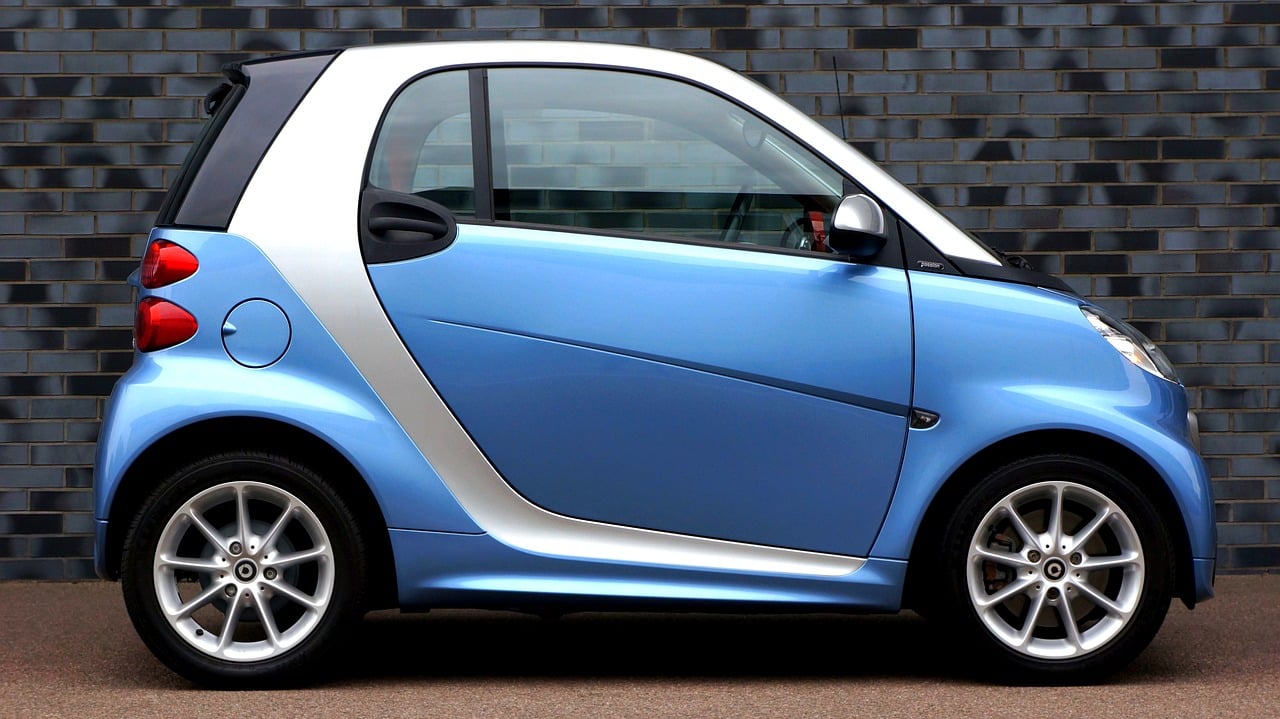
Small cars often have lighter doors, typically under 50 pounds. SUVs and trucks have larger, heavier doors that can weigh 70 pounds or more. Luxury cars may have additional electronic parts, adding weight. Electric vehicles sometimes use lighter materials to improve efficiency. Each car type designs doors to balance strength and weight.

Credit: priuschat.com
Materials Used In Car Doors
Car doors use different materials to balance weight, strength, and cost. The choice of material affects the door’s weight and durability. Manufacturers pick materials based on safety needs and fuel efficiency goals.
Steel Vs Aluminum
Steel is a common material for car doors. It is strong and keeps passengers safe. Steel doors tend to be heavier. This weight can affect fuel use and handling.
Aluminum is lighter than steel. It helps reduce the car’s total weight. Aluminum doors improve fuel efficiency. They still offer good protection but cost more.
Use Of Composites And Plastics
Composites and plastics are newer materials in car doors. They weigh less than steel and aluminum. These materials can absorb impacts well.
Plastics add flexibility in design. Composites mix fibers and resin for strength. Both help make cars lighter and more efficient.
Impact Of Door Components On Weight
The weight of a car door depends on many parts inside it. Each component adds to the total weight. Understanding these parts helps explain why some doors feel heavier than others. Car doors are not just metal sheets. They hold many elements that serve different functions. These parts can make the door much heavier or lighter.
Windows And Glass Panels
Car doors usually have glass windows. Glass adds a lot of weight to the door. The size and thickness of the glass affect how heavy it is. Some cars use tempered or laminated glass. These types are stronger but also heavier. Power windows need motors and tracks. These parts add weight too. Manual windows are lighter but still add some weight.
Internal Mechanisms And Electronics
Inside the door, many mechanisms work quietly. Locks, handles, and hinges are part of this system. Modern cars include electronic parts like speakers and sensors. These electronics add extra weight. Wiring and control modules are also inside the door. All these small parts together increase the door’s total weight. The more features a door has, the heavier it becomes.
Weight Variation In Different Car Models
The weight of a car door changes a lot depending on the car type. Different cars have doors built for various needs. Some focus on lightness, others on strength. This affects how heavy each door is.
Car manufacturers choose materials and designs based on the car’s purpose. This makes the door weight vary from one model to another. Let’s see how door weights differ in common car categories.
Sedans And Hatchbacks
Sedans and hatchbacks usually have lighter doors. These cars are made for city driving and fuel efficiency. Their doors often use thinner metal or lighter materials. A typical door here weighs between 30 to 50 pounds. This helps keep the car light and easy to handle.
Suvs And Trucks
SUVs and trucks have bigger and heavier doors. They are built for strength and safety. These doors use thicker metal and extra reinforcements. The weight can range from 50 to 90 pounds. This adds to the vehicle’s durability but makes the doors heavier to open.
Luxury And Sports Cars
Luxury and sports cars use special materials to balance weight and strength. Many use aluminum or carbon fiber in doors. These materials keep doors light but strong. Door weight here usually falls between 40 to 70 pounds. This helps with speed and smooth handling.
How Door Weight Affects Vehicle Performance
The weight of a car door can change how a vehicle drives and performs. Heavier doors add more weight to the car. This extra weight can affect many parts of the vehicle. It changes how the car moves, uses fuel, and stays safe on the road.
Knowing how door weight affects these areas helps to understand car design better. It also explains why some cars feel different from others when driving.
Fuel Efficiency Considerations
Heavier doors make the car weigh more overall. More weight means the engine uses extra fuel. This lowers the car’s fuel efficiency. Cars with lighter doors need less fuel to move. That saves money and reduces pollution. Even small weight changes can affect fuel use on long trips.
Handling And Safety Implications
Door weight changes how a car handles turns and stops. Heavy doors can make the car feel slower to respond. This can affect driving control on sharp curves. Safety systems also depend on door weight. Heavier doors may change how airbags or sensors work. Designers balance door weight to keep the car safe and easy to drive.

Credit: www.youtube.com
Trends In Reducing Car Door Weight
Car manufacturers aim to reduce the weight of car doors to improve fuel efficiency. Lighter doors help cars use less energy and perform better. This trend also supports environmental goals by lowering emissions. New methods and materials make doors lighter without losing strength or safety.
Advancements In Lightweight Materials
Steel is being replaced by aluminum and magnesium alloys. These metals weigh less but stay strong. Carbon fiber is also used in luxury cars. It offers great strength with very low weight. Using these materials reduces the overall door weight significantly. This helps improve the car’s handling and speed.
Innovations In Design
Designers focus on making door structures simpler and lighter. Hollow sections and thinner panels are common. Engineers use computer models to find weak spots and remove extra material. Some doors use fewer parts, cutting down weight. New designs keep safety high while lowering weight.
Frequently Asked Questions
How Much Does A Typical Car Door Weigh?
A typical car door weighs between 40 to 70 pounds. The weight depends on materials and car model. Heavier doors often include added safety features and insulation.
What Factors Affect Car Door Weight?
Car door weight varies due to materials, size, and added components. Steel doors are heavier, while aluminum or composite doors weigh less. Features like power windows and soundproofing also increase weight.
Why Does Car Door Weight Matter?
Car door weight affects fuel efficiency and vehicle handling. Lighter doors improve mileage and acceleration. Heavier doors can enhance safety and durability but may reduce fuel economy.
How Does Car Door Weight Impact Repair Costs?
Heavier car doors often cost more to repair due to complex parts. Lightweight doors may be cheaper but less durable. Repair costs depend on material and damage extent.
Conclusion
Car door weight varies by car type and materials used. Most car doors weigh between 40 and 70 pounds. Heavier doors often include extra features like soundproofing or safety parts. Knowing door weight helps with repairs or upgrades. It also affects car handling and fuel efficiency.
Remember, door weight is just one small part of your car’s total weight. Understanding this detail helps you make better car choices. Keep these points in mind when thinking about car doors and their weight.


