

Have you ever wondered if your car’s fuel filter might be causing your engine problems? Knowing when your fuel filter needs changing is key to keeping your vehicle running smoothly.
If you ignore it, you could face poor performance or even costly repairs. You’ll discover clear signs to watch for and simple steps to take. By the end, you’ll feel confident about when to replace your fuel filter and keep your car in top shape.
Keep reading to protect your engine and avoid unexpected breakdowns!
Credit: monroenissanservice.com
Role Of A Fuel Filter
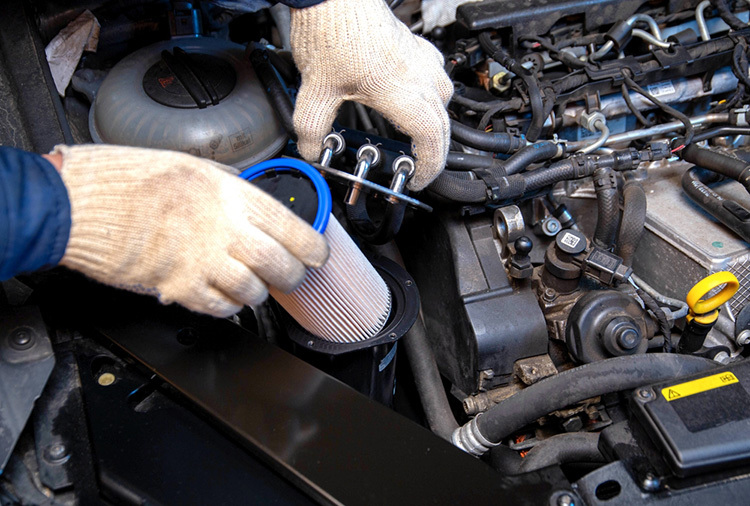
The fuel filter plays an important role in your vehicle’s engine system. It cleans the fuel before it reaches the engine. This helps the engine run smoothly and last longer.
Fuel contains tiny particles like dirt, rust, and debris. These particles can harm the engine if not filtered out. The fuel filter catches these impurities and stops them from entering the engine.
Without a working fuel filter, the engine may get clogged. This can cause poor performance and even damage the fuel injectors. Changing the fuel filter at the right time keeps the engine healthy.
What Does A Fuel Filter Do?
The fuel filter removes dirt and particles from the gasoline or diesel. It acts like a sieve, allowing clean fuel to pass through. This protects the engine parts from damage.
Why Is The Fuel Filter Important?
Clean fuel helps the engine burn better. The fuel filter prevents clogs in the fuel system. This leads to better fuel efficiency and fewer engine problems.
Where Is The Fuel Filter Located?
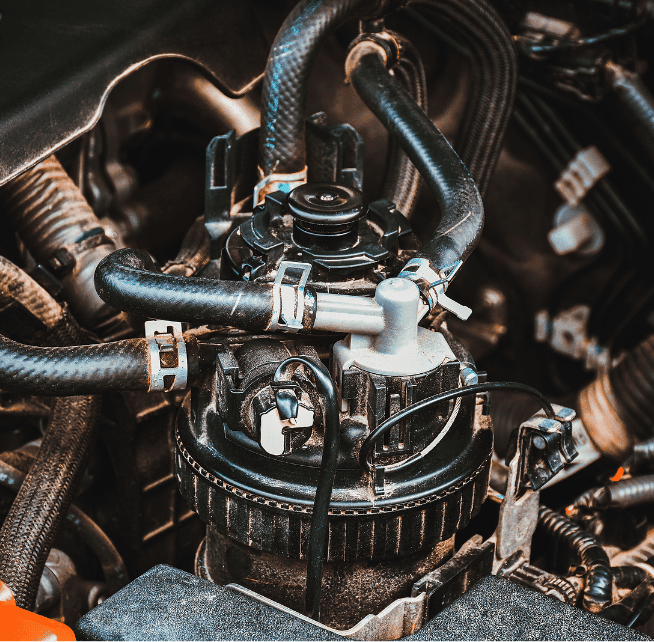
Fuel filters are usually found along the fuel line. Common spots are near the fuel tank or inside the engine bay. Their location depends on the vehicle model.
Common Causes Of Fuel Filter Clogging
Fuel filters keep your engine clean by catching dirt and debris. Over time, these particles build up and block the filter. This causes the fuel filter to clog. Understanding why this happens helps you know when to change it.
Some factors cause the fuel filter to clog faster. Dirt in the fuel, poor quality gasoline, and old filters all play a role. These issues reduce fuel flow and hurt engine performance.
Contaminated Fuel
Fuel can contain dirt, rust, and water. These come from storage tanks or gas stations. Contaminants enter the fuel system and get trapped in the filter. This clogs the filter quickly and stops fuel flow.
Poor Quality Gasoline
Cheap or old gasoline often has more impurities. These impurities stick inside the fuel filter. Over time, the filter becomes clogged and less effective. Using good quality fuel helps reduce clogging.
Old Or Neglected Fuel Filter
Fuel filters wear out over time. Old filters collect more dirt and block fuel flow. Not changing the filter on time leads to clogging. Regular replacement keeps your engine running smoothly.
Performance Issues Linked To A Dirty Fuel Filter
A dirty fuel filter can cause many problems in a car’s engine. It blocks the fuel flow, making the engine work harder. This affects how the car runs and wastes fuel. Recognizing these problems early helps avoid bigger repairs and keeps the car running smoothly.
Engine Misfires And Stalling
A clogged fuel filter reduces the fuel reaching the engine. This causes engine misfires, where the engine runs unevenly or jerks. The car may also stall suddenly, especially at low speeds. These issues make driving unsafe and uncomfortable.
Reduced Fuel Efficiency
A dirty filter makes the engine less efficient. The car uses more fuel to do the same work. This means more trips to the gas station and higher costs. Fuel economy drops noticeably when the filter is dirty.
Difficulty Starting The Engine
When fuel flow is blocked, the engine struggles to start. It may take several tries to get the car running. A weak or slow start often signals a fuel filter problem. Ignoring this can lead to complete engine failure.
Credit: branchautomotive.com
Visual And Physical Signs To Watch For
Knowing when to change your fuel filter saves your engine from damage. Visual and physical signs show early problems. These signs help you act before bigger issues appear. Watch closely for changes in your car’s behavior and smells.
Check Engine Light Activation
The check engine light often signals fuel filter problems. A clogged filter reduces fuel flow. The engine struggles to get fuel. This causes the light to turn on. Don’t ignore this warning. It means your car needs attention soon.
Strange Engine Noises
Listen for unusual sounds from your engine. A bad fuel filter can cause sputtering or coughing noises. The engine may run rough or stall. These noises mean fuel isn’t reaching the engine properly. Check the fuel filter if you hear these sounds.
Fuel Odor Around The Vehicle
Notice any fuel smells near your car? A clogged or damaged filter can cause leaks. Fuel leaks produce strong odors around the vehicle. This smell is a clear sign of fuel system trouble. Take action quickly to avoid danger.
How Often To Replace Your Fuel Filter
Signs like engine trouble or poor fuel flow show a fuel filter may need changing. Check it every 20,000 to 30,000 miles for best performance. Dirty filters reduce engine power and fuel efficiency.
Fuel filters keep dirt and rust out of your engine’s fuel system. Over time, these filters get clogged and stop working well. Changing the fuel filter regularly helps your car run smoothly.
Most car makers suggest changing the fuel filter every 20,000 to 40,000 miles. This range depends on the type of vehicle and driving conditions. Some newer cars have filters that last longer or are built into the fuel pump.
Check your owner’s manual for the exact schedule. If you drive in dusty or rough areas, change the filter more often. A clogged fuel filter can cause poor engine performance and lower fuel efficiency.
Signs Your Fuel Filter Needs Replacing
Watch for slow engine start or hesitation when accelerating. This can mean the fuel flow is blocked. Engine misfires or rough idling also show filter problems. Sometimes, the car may stall while driving.
Fuel smell near the engine or poor fuel economy are other signs. These symptoms mean the filter may be dirty or damaged. Replacing the filter fixes these issues and protects the fuel system.
Factors Affecting Fuel Filter Life
Driving style affects how fast the filter clogs. Frequent short trips and stop-and-go traffic cause faster wear. Dirt and low-quality fuel also shorten filter life. Regular maintenance and clean fuel help the filter last longer.
Keep an eye on your car’s performance. This helps spot filter problems early. Proper care saves money and prevents costly repairs later on.
Steps To Change A Fuel Filter
Changing a fuel filter keeps your engine running smoothly. It stops dirt and debris from reaching the engine. A clean fuel filter improves fuel efficiency and power.
Changing the filter is simple. It only takes some basic tools and a little time. Follow these steps to do it safely and correctly.
Tools You’ll Need
- New fuel filter matching your vehicle
- Wrenches or socket set
- Screwdrivers
- Fuel line disconnect tool (if required)
- Drain pan to catch fuel
- Rags for spills
- Safety glasses and gloves
Safety Precautions
- Work in a well-ventilated area
- Wear safety glasses and gloves
- Turn off the engine and let it cool
- Relieve fuel system pressure before starting
- Keep away from open flames or sparks
- Dispose of old fuel and filter safely
Step-by-step Replacement Guide
- Locate the fuel filter under the vehicle or near the engine.
- Place a drain pan below the filter to catch leaking fuel.
- Use wrenches or disconnect tool to loosen fuel lines.
- Remove the old fuel filter carefully.
- Compare the new filter with the old one to check fit.
- Install the new filter in the correct direction.
- Tighten fuel lines securely but do not overtighten.
- Check for leaks by turning the ignition on without starting.
- Start the engine and inspect the filter area again.
- Clean up any spilled fuel and dispose of old parts properly.
Preventive Tips To Extend Fuel Filter Life
Extending the life of a fuel filter helps keep your engine healthy. Clean fuel filters stop dirt and rust from entering the engine. They also improve fuel flow and save money on repairs.
Regular care and simple actions can make a big difference. Small steps help the fuel filter work longer and better. Here are some easy tips to follow.
Use Quality Fuel
Always fill your tank with clean, trusted fuel. Cheap or contaminated fuel clogs the filter fast. Good fuel reduces dirt and water in the system.
Keep The Fuel Tank Clean
Check the fuel tank for rust or debris often. Dirt from the tank can block the fuel filter. Clean tanks protect the fuel filter and engine parts.
Replace Fuel Filter Regularly
Change the fuel filter at set service times. Old filters catch less dirt and slow fuel flow. Follow the car manual for the right replacement schedule.
Avoid Running On Low Fuel
Try not to let the fuel run very low. Dirt and sediment at the tank bottom may enter the filter. Keeping enough fuel helps avoid filter damage.
Inspect Fuel Lines For Leaks
Look at fuel lines often for cracks or leaks. Damaged lines let dirt reach the filter. Fix leaks quickly to protect the fuel system.

Credit: blog.transtrack.co
Frequently Asked Questions
How Can I Tell If My Fuel Filter Is Clogged?
A clogged fuel filter reduces engine power and causes rough idling. You may notice poor acceleration and frequent stalling. Check for a strong fuel smell or difficulty starting. If these symptoms appear, inspect or replace the fuel filter promptly to maintain engine health.
What Are Common Signs Of A Bad Fuel Filter?
Common signs include engine misfires, hesitation during acceleration, and reduced fuel efficiency. The engine may also sputter or stall unexpectedly. These symptoms indicate restricted fuel flow due to a dirty or clogged filter that needs replacement for optimal performance.
How Often Should I Change My Fuel Filter?
Generally, change your fuel filter every 20,000 to 40,000 miles. Refer to your vehicle’s manual for specific intervals. Regular replacement prevents debris buildup and protects the fuel system. Timely changes ensure smooth engine operation and avoid costly repairs.
Can A Dirty Fuel Filter Damage My Engine?
Yes, a dirty fuel filter can cause engine damage. It restricts fuel flow, leading to lean fuel mixture and overheating. This stresses engine components and may cause costly failures. Replacing the filter on time protects your engine and prolongs its lifespan.
Conclusion
A clogged fuel filter can cause many car problems. Watch for slow engine starts or strange noises. Regular checks help keep your engine healthy. Changing the filter on time saves money and stress. Clean fuel means better performance and longer engine life.
Don’t wait for serious issues to appear. Take care of your fuel system for smooth driving. Small steps make a big difference. Stay alert and keep your vehicle running strong.


