

Have you noticed your car acting up lately? Maybe it’s struggling to start, or the engine feels weaker than usual.
These could be signs that your fuel filter is clogged. Knowing when your fuel filter needs attention is crucial for keeping your vehicle running smoothly and avoiding costly repairs. You’ll discover the clear signs of a clogged fuel filter and what you can do to fix it before it becomes a bigger problem.
Keep reading to protect your car and drive with confidence.
Common Symptoms Of A Clogged Fuel Filter
A clogged fuel filter can cause several problems with your vehicle’s performance. It stops fuel from reaching the engine properly. This issue can lead to noticeable symptoms that warn you about the filter’s condition. Recognizing these signs early helps avoid serious engine damage.
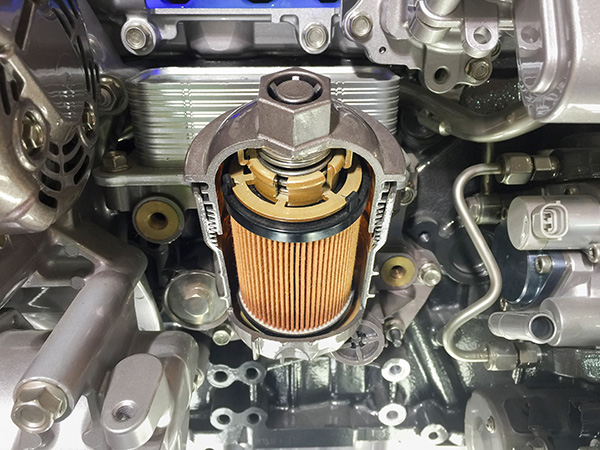
Fuel filters trap dirt and debris from the fuel tank. Over time, these particles build up and block fuel flow. The engine then struggles to get enough fuel. This leads to common symptoms that affect how the car runs.
Engine Misfires And Stalling
The engine may misfire or stall because of fuel flow issues. Without enough fuel, combustion becomes uneven. This causes the engine to run rough or stop suddenly. You might notice jerking while driving or the engine cutting out.
Reduced Fuel Efficiency
A clogged fuel filter reduces fuel supply, making the engine work harder. This wastes fuel and lowers miles per gallon. You might fill your tank more often than usual. Poor fuel efficiency often signals a blocked filter.
Difficulty Starting The Engine
Starting the car can take longer with a clogged filter. The engine struggles to get fuel at startup. You may hear the engine crank but not start quickly. This delay often points to fuel delivery problems.
Loss Of Power During Acceleration
Acceleration becomes sluggish when the fuel filter is clogged. The engine can’t get enough fuel to boost speed. You might feel the car hesitate or slow down on hills. This power loss is a clear sign of fuel blockage.
Visual And Physical Indicators
Visual and physical indicators help you spot a clogged fuel filter early. These signs show up before serious engine problems occur. Knowing them can save time and money on repairs. Pay close attention to how parts look and sound. They tell a story about your fuel system’s health.
Fuel Filter Appearance And Condition
The fuel filter looks dirty or dark when clogged. It may have black or brown spots. Rust or debris can stick to its surface. The filter might look swollen or cracked in some cases. A clean fuel filter appears clear or light-colored. Check it during regular car maintenance. A bad-looking filter often means it needs replacement.
Unusual Noises From The Fuel Pump
The fuel pump makes odd noises if the filter clogs. You might hear whining or buzzing sounds. These sounds grow louder when the engine runs. The pump works harder to push fuel through the blocked filter. Strange noises warn you about fuel flow problems. Ignoring them can cause pump failure and costly repairs.
Impact On Vehicle Performance
The fuel filter plays a key role in keeping your vehicle running smoothly. When it clogs, the engine struggles to get enough fuel. This affects how the vehicle performs on the road. You might notice changes in power and how the engine behaves. These signs tell you the fuel filter needs attention.
Engine Hesitation And Surging
A clogged fuel filter causes the engine to hesitate during acceleration. The fuel flow is uneven, so the engine can’t get steady power. You may feel the car lag or jerk forward suddenly. These surges happen because fuel supply is inconsistent. This issue makes driving unsafe and uncomfortable.
Check Engine Light Activation
The check engine light often comes on when the fuel filter clogs. The vehicle’s computer detects problems with fuel flow. It triggers the warning light to alert you. Ignoring this light can cause more serious engine troubles later. Checking the fuel filter is a good first step.

Credit: www.youtube.com
Diagnosing A Clogged Fuel Filter
Diagnosing a clogged fuel filter helps keep your vehicle running smoothly. A blocked filter stops fuel flow. This causes engine problems. Detecting the issue early saves time and money. Simple tests show if the filter needs a change.
Fuel Pressure Test
Checking fuel pressure is a direct way to find a clog. Use a gauge to measure pressure in the fuel line. Low pressure often means the filter is dirty. This test shows how well fuel moves to the engine. It’s quick and gives clear results. You can perform this test at home with the right tools.
Professional Inspection
Mechanics use special tools to inspect the fuel system. They check the filter and fuel pump carefully. A professional can spot hidden problems easily. This ensures the entire fuel system works well. The inspection also prevents future breakdowns. Trusting experts helps keep your car safe and reliable.
Preventive Measures And Maintenance
Taking care of your fuel filter is key to keeping your vehicle running well. Regular checks and simple steps help avoid clogging. Good maintenance saves money and keeps the engine healthy.
Clean fuel filters improve performance and fuel efficiency. They stop dirt and debris from reaching the engine. Preventive care means fewer repairs and less downtime.
Recommended Fuel Filter Replacement Intervals
Follow your vehicle’s manual for fuel filter changes. Most cars need a new filter every 20,000 to 40,000 miles. Some models may require more frequent changes.
Changing the filter on time prevents clogging and engine problems. Keep a record of replacement dates to stay on track. Do not wait for symptoms to appear.
Using Quality Fuel To Avoid Contamination
Choose reputable gas stations with clean, fresh fuel. Poor quality fuel carries dirt and water that clog filters fast. Contaminated fuel causes rough idling and poor acceleration.
Using good fuel reduces stress on the filter and engine. Avoid filling up from unknown or low-quality sources. Clean fuel helps keep the entire fuel system healthy.

Credit: oilchangers.com
Credit: www.autoworks-wa.com
Frequently Asked Questions
What Are The Signs Of A Clogged Fuel Filter?
Common signs include engine misfires, reduced power, and difficulty starting. You may notice poor acceleration and stalling during driving. These symptoms indicate restricted fuel flow caused by a clogged filter.
How Does A Clogged Fuel Filter Affect Engine Performance?
A clogged fuel filter limits fuel supply to the engine. This causes poor acceleration, rough idling, and engine hesitation. Reduced fuel flow leads to inefficient combustion and lower overall engine power.
Can A Clogged Fuel Filter Cause Your Car To Stall?
Yes, a clogged fuel filter can cause stalling. Restricted fuel flow starves the engine of fuel, causing it to stall or hesitate. This often happens during acceleration or under heavy load.
How Often Should You Replace The Fuel Filter?
Typically, replace the fuel filter every 20,000 to 30,000 miles. Check your vehicle’s manual for specific intervals. Regular replacement prevents clogging and maintains optimal engine performance.
Conclusion
A clogged fuel filter can cause many car troubles. Watch for slow engine start and poor performance. Strange noises or engine stalling are clear signs. Regular checks help keep your car running smooth. Don’t wait too long to replace a dirty filter.
Clean fuel means a healthier engine and better fuel use. Stay alert to these signs and act fast. Your car will thank you with better power and less trouble. Simple care keeps your vehicle in good shape.


