

Have you ever felt your car struggling to start or noticed a sudden drop in power while driving? These could be signs that your fuel filter is clogged or failing.
Your fuel filter plays a critical role in keeping your engine running smoothly by trapping dirt and debris before they reach the fuel system. But how do you know when it’s time to replace it? You’ll discover the key signs to watch for and why ignoring them could cost you more in repairs.
Keep reading to protect your vehicle and keep your engine healthy.
Role Of A Fuel Filter
A fuel filter plays a key role in keeping your vehicle’s engine healthy. It cleans the fuel before it reaches the engine. Dirt, rust, and other particles can harm engine parts. The filter stops these contaminants from entering the system.
Without a fuel filter, the engine may run poorly or even stop working. The filter helps maintain smooth engine performance. It also protects fuel injectors and other parts from damage.
Purpose In The Fuel System
The fuel filter’s main job is to trap dirt and debris. Fuel travels from the tank to the engine through fuel lines. The filter catches harmful particles along the way. This keeps the fuel clean and safe for the engine.
A clean fuel filter supports better fuel flow. It helps the engine burn fuel efficiently. This can improve fuel economy and reduce emissions. The filter also prevents clogging in the fuel system.
Types Of Fuel Filters
Fuel filters come in different types based on design and placement. The most common types are inline filters and cartridge filters. Inline filters sit along the fuel line and are easy to replace.
Cartridge filters are inside a housing and usually last longer. Some vehicles have fuel filters inside the fuel tank. These are called in-tank filters and work with the fuel pump.
Choosing the right fuel filter depends on your vehicle’s make and model. Each type offers different levels of protection and maintenance needs.
Common Fuel Filter Issues
Fuel filters play a key role in keeping your engine clean and running well. Over time, fuel filters face common problems that affect their job. Knowing these issues helps you decide when to replace the filter.
Clogging And Contamination
Fuel filters catch dirt, rust, and other particles in the fuel. These particles build up and clog the filter over time. A clogged filter blocks fuel flow to the engine. Contaminants in old fuel also harm the filter’s efficiency. This can cause rough engine starts or stalling.
Effects On Engine Performance
A bad fuel filter lowers fuel pressure and flow. The engine may lose power and run unevenly. You might feel the car hesitate or jerk while driving. Poor fuel delivery can cause the engine to misfire. Fuel filter problems can also increase fuel consumption. Clean filters help the engine run smooth and save gas.
Signs Of A Failing Fuel Filter
Recognizing the signs of a failing fuel filter helps keep your vehicle running smoothly. A clogged or dirty fuel filter blocks fuel flow. This causes engine problems and poor car performance. Watch for these common symptoms to catch issues early.
Engine Misfires And Stalling
Engine misfires happen when fuel flow is uneven. A bad fuel filter can cause the engine to stall suddenly. This makes driving unsafe and frustrating. Notice if your engine hesitates or stops without warning.
Difficulty Starting The Vehicle
Fuel struggles to reach the engine with a clogged filter. This makes starting the vehicle harder than usual. You may need several tries to get the engine going. Pay attention if your car cranks but won’t start quickly.
Reduced Fuel Efficiency
A failing fuel filter forces the engine to work harder. This burns more fuel than normal. Expect to fill the tank more often than before. Lower miles per gallon often means the filter needs checking.
Unusual Engine Noises
Listen for strange sounds from the engine. A clogged fuel filter can cause whining or sputtering noises. These sounds signal that fuel delivery is not smooth. Odd noises should not be ignored.
Check Engine Light Activation
The check engine light may turn on with fuel system issues. A bad fuel filter often triggers this warning. Use a scanner to read the error codes. Early detection saves costly repairs later.

Credit: www.youtube.com
Diagnosing Fuel Filter Problems
Diagnosing fuel filter problems is important to keep your vehicle running smoothly. The fuel filter stops dirt and debris from reaching the engine. Over time, it can get clogged and cause issues. Knowing how to spot these problems helps avoid bigger repairs and saves money.
Visual Inspection Tips
Start by checking the fuel filter for dirt or rust. Look for cracks or leaks around the filter and fuel lines. A dirty or damaged filter often looks dark or clogged. Also, check for fuel smell near the filter area. These signs point to a problem.
Using Diagnostic Tools
Use a fuel pressure gauge to test the filter. Low fuel pressure may mean a clogged filter. Scan your car’s computer for error codes linked to fuel flow. Some cars show rough idling or poor acceleration as warning signs. Diagnostic tools give clear data on filter health.
When To Consult A Mechanic
Consult a mechanic if you notice frequent stalling or engine misfires. Strange noises or poor fuel economy also need expert attention. Mechanics can perform detailed tests and replace the fuel filter safely. Don’t delay if problems persist despite basic checks.
Fuel Filter Maintenance
Fuel filter maintenance is a key part of keeping your vehicle running well. The fuel filter cleans dirt and rust from the fuel. Over time, it can get clogged and block fuel flow. This can cause engine problems and reduce fuel efficiency. Regular checks and timely replacement help avoid these issues.
Knowing how to care for your fuel filter saves you money and keeps your engine healthy. Understanding when and how to replace it is important for every car owner.
Recommended Replacement Intervals
Most car makers suggest changing the fuel filter every 20,000 to 40,000 miles. This can vary by vehicle type and driving conditions. Check your owner’s manual for specific advice. If you drive on rough roads or use low-quality fuel, replace it more often. Regular replacement prevents clogging and engine trouble.
Diy Replacement Guidelines
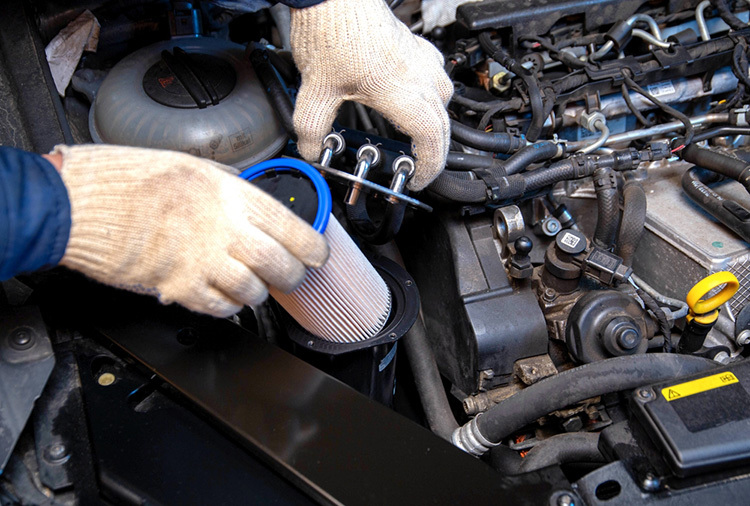
Replacing a fuel filter is a simple task for many car owners. First, relieve fuel system pressure to avoid spills. Use a jack and stands to access the filter safely. Remove old clamps and hoses carefully. Install the new filter in the right direction. Tighten clamps securely. Always wear gloves and eye protection during the job.
Choosing The Right Fuel Filter
Select a fuel filter that matches your car’s make and model. Check the part number or ask at an auto parts store. Filters come in different sizes and flow rates. Using the correct filter ensures proper fuel flow and engine protection. Avoid cheap or generic filters that may fail quickly.
Credit: monroenissanservice.com

Credit: www.autonationmobileservice.com
Frequently Asked Questions
What Are The Signs Of A Clogged Fuel Filter?
A clogged fuel filter causes engine misfires, poor acceleration, and stalling. You might also notice difficulty starting your vehicle. These signs indicate restricted fuel flow, needing a filter replacement to restore smooth engine performance.
How Often Should I Replace My Fuel Filter?
Typically, replace your fuel filter every 20,000 to 40,000 miles. Check your vehicle’s manual for exact intervals. Regular replacement prevents engine problems and maintains fuel efficiency by ensuring clean fuel reaches the engine.
Can A Bad Fuel Filter Damage My Engine?
Yes, a bad fuel filter can cause engine damage. It restricts fuel flow, causing lean fuel mixtures and overheating. Timely replacement protects engine components and improves overall vehicle reliability and performance.
How Does A Fuel Filter Affect Fuel Efficiency?
A dirty fuel filter limits fuel flow, causing the engine to work harder. This reduces fuel efficiency and increases fuel consumption. Keeping the filter clean ensures optimal fuel delivery and better mileage.
Conclusion
A clean fuel filter keeps your engine running smooth. Watch for signs like poor acceleration or engine misfires. These hints mean your filter might need changing. Regular checks help avoid costly repairs later. Taking care of your fuel filter saves money and time.
Stay alert to your car’s performance for a safer drive. Don’t wait until problems get worse. Keep your vehicle healthy by checking the fuel filter often. Simple steps make a big difference on the road.

