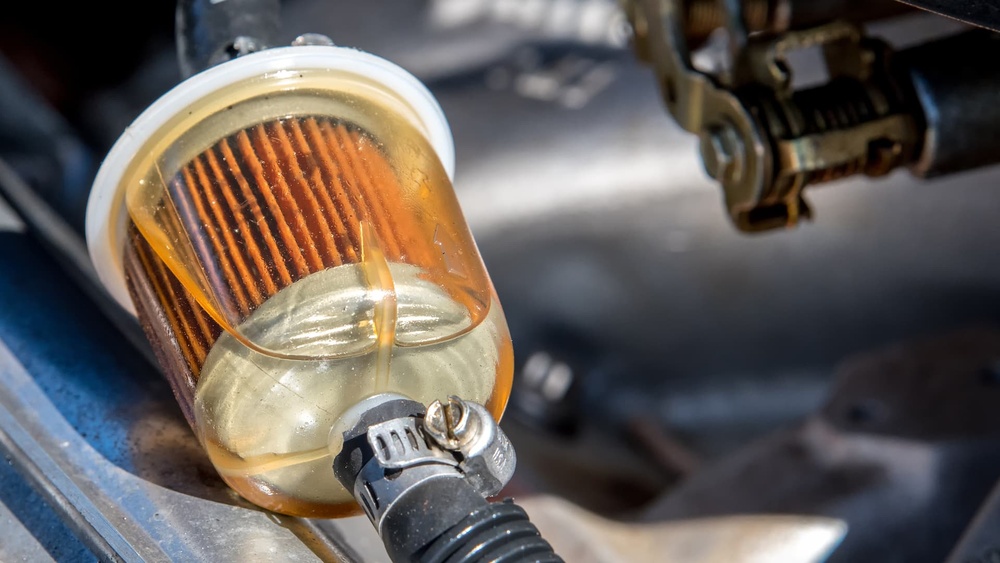
Have you noticed your car acting up lately? Maybe it’s losing power, stalling, or just not running as smoothly as before.
These could be signs that your fuel filter is bad—and if you don’t catch it early, it might lead to bigger, more expensive problems. But how do you tell if your fuel filter is the real culprit? You’ll discover simple ways to spot the warning signs and understand why keeping your fuel filter in good shape is crucial for your vehicle’s health.
Keep reading to protect your car and save yourself from unexpected breakdowns.
Symptoms Of A Bad Fuel Filter
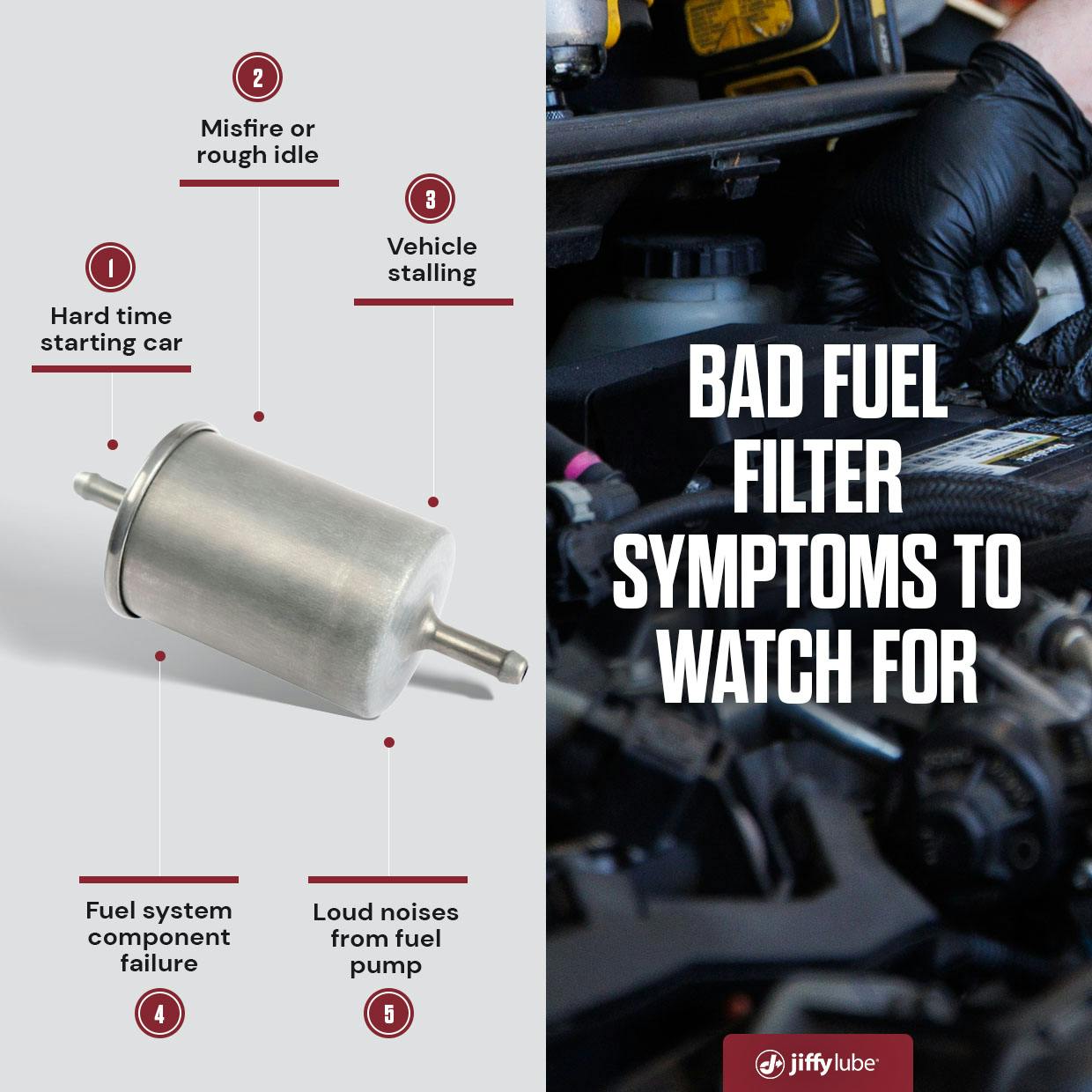
Recognizing the symptoms of a bad fuel filter helps keep your car running smoothly. A clogged or damaged fuel filter limits fuel flow. This causes problems that affect your vehicle’s performance. Spotting these signs early saves you from costly repairs and breakdowns.
Engine Misfires And Hesitation
When the fuel filter is blocked, the engine struggles to get enough fuel. This causes misfires or hesitation during acceleration. The engine may jerk or stumble. These issues happen because the fuel supply is inconsistent.
Difficulty Starting The Vehicle
A bad fuel filter often makes starting the car hard. The engine may crank longer than usual. Sometimes, it won’t start at all. This happens because the fuel cannot reach the engine easily.
Reduced Engine Power
Your car may lose power when driving uphill or carrying heavy loads. The clogged filter restricts fuel flow. As a result, the engine cannot perform at full strength. You may feel sluggish acceleration.
Frequent Stalling
The engine may stop unexpectedly while driving or idling. Stalling happens when the fuel supply is cut off. A dirty fuel filter can cause this by blocking fuel flow.
Unusual Engine Noises
Listen for strange sounds from your engine. A failing fuel filter may cause sputtering or coughing noises. These sounds come from an irregular fuel supply. They warn you about possible filter problems.

Credit: www.youtube.com
Visual And Physical Checks
Visual and physical checks are the first steps to know if your fuel filter is bad. These checks help spot clear signs of trouble without special tools. You can do them yourself in a few minutes. They give clues about the health of your fuel system.
Inspecting The Fuel Filter For Damage
Look closely at the fuel filter’s body. Check for cracks, dents, or rust. Any damage can stop it from working well. A damaged filter may let dirt pass through. Dirt can harm your engine.
Checking For Fuel Leaks
Fuel leaks near the filter are a bad sign. Look for wet spots or strong fuel smells. Leaks can cause poor engine performance. They also waste fuel and can be dangerous.
Examining Fuel Pressure
Low fuel pressure often means a clogged filter. You can measure pressure with a gauge. Compare the reading to your car’s specs. Low pressure can cause engine stalling and slow acceleration.
Impact On Fuel Efficiency
A dirty fuel filter can lower your car’s fuel efficiency by blocking fuel flow. This forces the engine to work harder, using more gas. Watch for poor mileage as a sign of a bad fuel filter.
How A Bad Fuel Filter Lowers Fuel Efficiency
A clogged or dirty fuel filter blocks the flow of fuel to the engine.
The engine gets less fuel than it needs to run well.
This causes the engine to work harder, using more fuel.
More fuel used means lower miles per gallon (MPG).
Signs Of Reduced Fuel Efficiency
You may notice your car needs more fuel to go the same distance.
The fuel gauge may drop faster than usual during drives.
Engine performance might feel weak or sluggish.
These signs often point to a problem with the fuel filter.
Why Fuel Filters Matter For Saving Fuel
Fuel filters keep dirt and debris out of the engine.
A clean filter helps fuel flow smoothly and efficiently.
This keeps the engine running at its best, using less fuel.
Replacing a bad fuel filter can improve your car’s fuel economy.
When To Replace The Fuel Filter
Knowing when to replace your fuel filter is key to keeping your vehicle running smoothly. A fuel filter traps dirt and debris from the fuel. Over time, it can get clogged and reduce fuel flow. This causes engine problems and lowers performance. Replacing the filter at the right time helps avoid costly repairs and keeps your engine healthy.
Manufacturer Recommendations
Car makers usually suggest when to change the fuel filter. Check your vehicle’s manual for specific advice. Most recommend replacing the filter every 20,000 to 40,000 miles. Some newer cars have filters that last longer. Always follow the manufacturer’s schedule. It ensures your engine gets clean fuel and runs well.
Signs It’s Time For Replacement
Look for warning signs that your fuel filter is bad. Your engine may sputter or stall during driving. You might notice a drop in power or slower acceleration. The car may be hard to start or idle roughly. Strange noises from the fuel pump can also be a clue. These signs mean the filter is clogged and needs changing soon.
Effects Of Delaying Replacement
Delaying a fuel filter change causes serious problems. A clogged filter forces the fuel pump to work harder. This can lead to pump failure, which is costly to fix. Poor fuel flow makes the engine run unevenly. You may experience poor fuel economy and more emissions. Waiting too long can damage the engine parts. Replace the filter on time to avoid these issues.
Diy Fuel Filter Testing Tips
Testing a fuel filter at home can save time and money. You can check if it blocks fuel flow or causes engine trouble. This guide shows simple steps to test your fuel filter safely and clearly.
Tools Needed
- A wrench or pliers to remove the fuel filter.
- A clear container to catch fuel.
- A small screwdriver for clamps or screws.
- Gloves to protect your hands.
- Safety glasses to shield your eyes.
Step-by-step Testing Process
- Turn off the engine and let it cool down.
- Locate the fuel filter under the hood or near the fuel tank.
- Use the wrench to carefully remove the fuel lines from the filter.
- Place the clear container under the filter to catch fuel.
- Turn the ignition key to the “on” position without starting the engine.
- Watch fuel flow into the container. It should be steady and strong.
- If fuel flow is weak or stops, the filter may be clogged.
- Reattach the fuel lines and secure them tightly.
- Start the engine to check if it runs smoothly.
Safety Precautions
- Work in a well-ventilated area to avoid fumes.
- Wear gloves and safety glasses at all times.
- Keep a fire extinguisher nearby in case of sparks.
- Do not smoke or use open flames near fuel.
- Dispose of fuel properly and clean spills immediately.

Credit: oilchangers.com
Professional Diagnosis And Repair
Professional diagnosis and repair ensure your fuel filter issues get the right attention. Experts use tools and skills to find problems quickly. They check parts carefully to avoid missing hidden faults. This service saves time and prevents further damage to your vehicle.
Benefits Of Expert Inspection
Experts spot fuel filter problems early. They know signs that are hard to see. This helps avoid engine damage and poor performance. Professionals give accurate advice on repairs or replacements. You get safety and reliability back on the road. Their work can extend your vehicle’s life.
What To Expect During Service
The mechanic starts by checking fuel flow and pressure. They inspect the filter for clogs and damage. Tools test fuel system performance under different conditions. If needed, they replace the filter with the right part. The technician also checks related components. After service, they test the engine for smooth running.
Credit: www.jiffylube.com
Frequently Asked Questions
What Are Common Signs Of A Bad Fuel Filter?
A bad fuel filter causes engine misfires, reduced power, and stalling. You might notice rough idling or difficulty starting the engine. These symptoms indicate restricted fuel flow due to clogging or contamination in the filter.
How Often Should You Replace A Fuel Filter?
Typically, replace the fuel filter every 20,000 to 40,000 miles. Check your vehicle’s manual for specific recommendations. Regular replacement ensures clean fuel flow and prevents engine damage from debris.
Can A Bad Fuel Filter Cause Poor Fuel Economy?
Yes, a clogged fuel filter reduces fuel efficiency. The engine works harder, consuming more fuel. Replacing a bad filter restores proper fuel flow and improves mileage.
Is It Safe To Drive With A Bad Fuel Filter?
Driving with a bad fuel filter is risky. It can cause engine stalling or failure on the road. Replace the filter promptly to avoid breakdowns and costly repairs.
Conclusion
A bad fuel filter can cause many car troubles. Watch for slow starts, rough idling, or poor fuel flow. These signs tell you to check or replace the filter soon. Keeping your fuel filter clean helps your engine run smoothly.
Don’t wait until the problem gets worse. Regular checks save time and money. Taking care of small issues keeps your car healthy and safe to drive. Stay aware and act quickly to avoid bigger repairs. Simple steps make a big difference in car care.