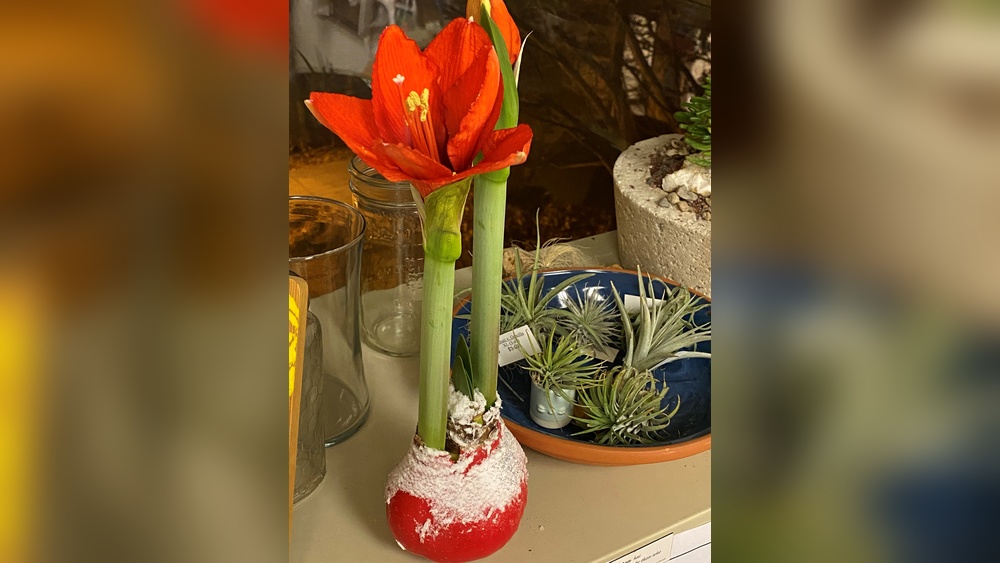
You’ve just brought home a stunning waxed amaryllis, and it’s already brightening up your space. But how do you keep it looking fresh and vibrant for as long as possible?
Taking care of a waxed amaryllis isn’t as tricky as it seems. With the right tips, you can enjoy its bold colors and elegant blooms without worry. You’ll discover simple, effective steps to care for your waxed amaryllis so it stays beautiful and lasts longer.
Ready to make your flower thrive? Let’s dive in!
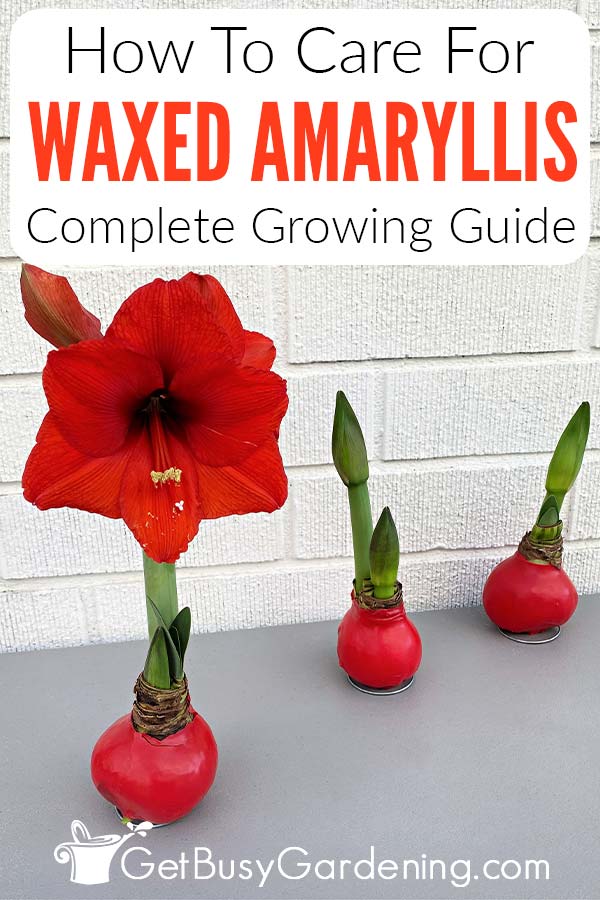
Credit: getbusygardening.com
Preparing The Waxed Amaryllis
Preparing a waxed amaryllis is the first step to ensure it stays beautiful and healthy. This flower needs careful attention before you place it in your home. A good start helps it bloom longer and look vibrant.
Choosing The Right Location
Pick a spot with bright, indirect light. Avoid direct sunlight, which can burn the leaves. A cool room with good air flow works best. Keep the flower away from heaters and cold drafts. This helps the wax and petals stay fresh.
Potting And Soil Needs
Use a pot with drainage holes to prevent water buildup. Choose well-draining soil, like a mix for bulbs or houseplants. The soil should stay slightly moist, not wet. Water the plant carefully to avoid soaking the wax. Proper soil and potting support strong roots and healthy growth.

Credit: www.youtube.com
Watering Guidelines
Watering a waxed amaryllis requires careful attention. It needs the right amount of water to stay healthy and bloom beautifully. Too much or too little water can harm the plant. Understanding how often and how much to water is key to its care.
Frequency And Amount
Water the waxed amaryllis once the top inch of soil feels dry. Usually, watering once a week works well. Use enough water to moisten the soil but not soak it. Check the soil moisture regularly to adjust watering.
Avoiding Overwatering
Overwatering can cause root rot and damage the plant. Avoid letting water sit in the pot’s bottom. Empty any excess water from the saucer after watering. Make sure the pot has good drainage to prevent water buildup.
Light Requirements
Light plays a key role in keeping your waxed amaryllis healthy. This plant needs the right amount of light to grow strong and bloom beautifully. Too much light can harm the leaves, and too little light can make the plant weak.
Understanding how much light your waxed amaryllis needs helps it thrive inside your home or outside.
Ideal Light Conditions
Waxed amaryllis prefers bright but indirect sunlight. Direct sun can burn its leaves. A spot near a window with filtered light works well. Morning sunlight is gentle and good for the plant.
Too much shade causes slow growth and fewer flowers. Too much direct sun causes leaf damage and fading colors.
Adjusting For Indoor Settings
Indoors, place your plant near east or west windows. These provide moderate light throughout the day. Use sheer curtains to soften strong sunlight. Rotate the plant weekly for even light exposure.
If natural light is limited, use a grow light. Keep it on for 10 to 12 hours a day. Avoid placing the plant in dark corners or rooms without windows.
Temperature And Humidity
Temperature and humidity are key for keeping your waxed amaryllis healthy. These conditions affect the plant’s growth and bloom. Understanding the right balance helps the plant last longer and look vibrant.
Optimal Temperature Range
Waxed amaryllis prefers a steady temperature. Keep it between 60 and 70 degrees Fahrenheit. Avoid sudden temperature changes that stress the plant. Cold drafts or heat from vents can harm the flowers and leaves. A consistent temperature helps the plant stay strong and bloom fully.
Managing Humidity Levels
This plant likes moderate humidity. Aim for around 40% to 50% humidity in the room. Too much moisture can cause mold or rot. Too little makes the leaves dry and brittle. Use a small humidifier or place a water tray nearby. Keep air moving gently to prevent dampness buildup.
Fertilizing Tips
Fertilizing a waxed amaryllis helps it grow strong and bloom beautifully. Proper feeding gives the plant important nutrients. These nutrients keep leaves green and flowers bright. Follow simple tips to feed your amaryllis well and enjoy its vibrant display.
Choosing The Right Fertilizer
Use a balanced fertilizer with equal parts nitrogen, phosphorus, and potassium. A 10-10-10 or 20-20-20 formula works well. Look for water-soluble fertilizers to feed the plant quickly. Avoid fertilizers with too much nitrogen. High nitrogen can cause more leaves but fewer flowers.
Feeding Schedule
Feed the waxed amaryllis every 2 to 4 weeks during growth. Start feeding when new shoots appear. Stop feeding once the flowers fade and leaves die back. Reduce fertilizer in the dormant period to help the bulb rest. Always water the plant before applying fertilizer. This prevents root burn and helps nutrients absorb better.
Pruning And Maintenance
Taking care of a waxed amaryllis involves regular pruning and maintenance. These tasks keep the plant healthy and encourage new growth. Pruning helps remove old parts that no longer serve the plant. It also makes the plant look neat and tidy.
Deadheading Flowers
Deadheading means removing spent flowers from the plant. Cut the flower stem close to the base after the bloom fades. This stops the plant from using energy to make seeds. The waxed amaryllis will focus on growing new flowers instead. Removing dead flowers also prevents pests and diseases.
Trimming Leaves
Trim yellow or brown leaves to keep the plant healthy. Use clean scissors or pruning shears for cutting. Cut leaves at the base, near the soil. Avoid cutting healthy green leaves, as they help the plant grow. Regular trimming improves air flow around the plant. This reduces the chance of fungal infections.
Pest And Disease Control
Taking care of a waxed amaryllis means keeping pests and diseases away. These problems can harm your plant’s growth and beauty. Watch your plant closely. Catching issues early helps save your amaryllis.
Common Pests To Watch For
Spider mites are tiny and cause yellow spots on leaves. Aphids cluster on new growth and make leaves sticky. Mealybugs look like small cotton balls on stems and leaves. Scale insects appear as small bumps on stems. These pests suck plant juices and weaken your amaryllis.
Natural Remedies
Spray your plant with water to wash off pests. Use insecticidal soap to kill small bugs safely. Neem oil works well to control many insects. Introduce ladybugs to your garden; they eat aphids and mites. Keep your plant clean and remove dead leaves to stop diseases. These natural methods protect your waxed amaryllis without harsh chemicals.

Credit: www.jacksonandperkins.com
Post-bloom Care
After your waxed amaryllis finishes blooming, it needs special care. This care helps the plant stay healthy and grow strong again. The leaves keep working to feed the bulb for next year’s flowers. Proper post-bloom care sets the stage for beautiful blooms in the future.
Encouraging Future Blooms
Keep the plant in a bright spot, but out of direct sunlight. Water it regularly, but do not soak the soil. Feed the plant with a balanced fertilizer every two weeks. Cut off the flower stalk after it fades, but leave the leaves. The leaves help the bulb store energy for next year’s blooms.
Storing The Bulb
After the leaves turn yellow, stop watering the plant. Let the bulb rest in a cool, dry place for about 8 to 10 weeks. Remove any dead leaves or roots before storage. Store the bulb in a paper bag or box with dry peat moss. After resting, you can replant the bulb to start a new bloom cycle.
Frequently Asked Questions
How Often Should I Water A Waxed Amaryllis?
Water your waxed amaryllis sparingly, about once every 10-14 days. Keep soil slightly moist but not soggy. Overwatering can cause root rot and damage the plant.
What Light Conditions Are Best For Waxed Amaryllis?
Place your waxed amaryllis in bright, indirect sunlight. Avoid direct harsh sunlight, which can scorch the leaves and flowers. Moderate light helps maintain vibrant blooms.
Can I Keep A Waxed Amaryllis Indoors?
Yes, waxed amaryllis thrives indoors with proper care. Ensure good air circulation and avoid placing near drafts or heating vents. Indoor conditions help prolong the flower’s lifespan.
How Do I Maintain The Wax Coating On Amaryllis?
Avoid touching the wax coating to prevent damage. Keep the plant in a dry environment to preserve the wax’s shine and protective layer.
Conclusion
Taking care of a waxed amaryllis is simple and rewarding. Keep the plant in bright, indirect light. Water it sparingly, letting the soil dry between watering. Avoid cold drafts and extreme heat. Remove faded flowers to encourage new growth. Watch the leaves for any signs of trouble.
With steady care, your waxed amaryllis will stay healthy and beautiful. Enjoy its bright blooms and fresh look in your home. Small steps bring lasting beauty.