
If you’ve ever wondered, “How long does it take to do brakes and rotors?” you’re not alone. Knowing the time needed for this repair can help you plan your day better and avoid unexpected delays.
Whether you’re a car owner looking to save money or just want to understand the process, this guide will give you clear answers. You’ll learn what affects the time it takes, what to expect during the job, and tips to make it quicker and smoother.
Keep reading to find out everything you need to know before you schedule your brake and rotor replacement.
Brake And Rotor Replacement Time
Brake and rotor replacement time depends on several factors. Knowing the typical repair duration helps plan your visit to the mechanic. This information can reduce stress and keep your vehicle safe on the road.
Factors Affecting Repair Duration
The car model and brake type change repair time. Some cars have complex brake systems that take longer to fix. The mechanic’s experience also affects how fast they work. Parts availability can slow down the job if new rotors or pads are needed. Sometimes, rust or damage adds extra time to the repair.
Average Time For Front Brakes
Replacing front brakes and rotors usually takes about 1 to 2 hours. Front brakes face more wear because they do most of the stopping. Mechanics often replace both pads and rotors together for best results. Quick service is common if the workshop is well-equipped and parts are ready.
Average Time For Rear Brakes
Rear brake and rotor replacement often takes less time than front brakes. The average time is around 1 to 1.5 hours. Rear brakes usually wear slower and may have simpler systems. This can make the repair quicker and less costly. Still, the exact time depends on your car’s design and condition.

Credit: vatire.com
Tools Needed For The Job
Changing brakes and rotors requires specific tools. Having the right tools makes the job easier and faster. It helps avoid damage to parts and keeps you safe. Some tools are common in most toolboxes. Others are special tools designed for brake work. Knowing these tools prepares you to handle the job well.
Basic Tools
Start with common tools found in most homes. A jack and jack stands lift and hold the car safely. Lug wrenches remove the wheel nuts. A socket set with ratchets helps remove bolts and screws. A flathead screwdriver can pry off clips or pads. A C-clamp or brake caliper tool pushes the brake piston back. A hammer may help loosen stuck parts. Clean rags and brake cleaner keep parts clear of dirt and grease.
Specialized Equipment
Some brake jobs need special tools. A torque wrench tightens bolts to exact settings. A brake bleeder kit removes air from brake lines. A brake caliper hanger supports the caliper while working. A rotor removal tool helps take off rusty rotors. A rubber mallet is gentle on parts compared to a metal hammer. These tools save time and prevent damage. They make the job smoother and safer.
Step-by-step Brake And Rotor Replacement
Replacing brakes and rotors is a task many car owners can do with the right tools and instructions. This process helps keep your car safe and running smoothly. Understanding each step makes the job easier and faster.
Here is a clear, step-by-step guide to replace brakes and rotors. Follow these steps to ensure proper installation and better braking performance.
Removing The Wheel
Start by loosening the lug nuts on the wheel. Use a jack to lift the car safely. Remove the lug nuts completely and take off the wheel. This gives access to the brakes and rotor.
Taking Off The Old Brakes
Locate the brake caliper and remove its bolts. Carefully slide the caliper off the rotor. Do not let the caliper hang by the brake hose. Remove the old brake pads from the caliper bracket. Set them aside for disposal.
Installing New Rotors
Take off the old rotor from the wheel hub. Clean the hub surface to remove rust and dirt. Place the new rotor on the hub and align it properly. Secure the rotor if needed with screws or clips.
Mounting New Brake Pads
Apply brake grease to the back of the new brake pads. Insert the new pads into the caliper bracket. Compress the caliper piston using a brake tool or C-clamp. Slide the caliper back over the new pads and rotor. Tighten the caliper bolts firmly.
Reassembling And Testing
Put the wheel back on and hand-tighten the lug nuts. Lower the car and fully tighten the lug nuts in a star pattern. Pump the brake pedal slowly to set the brake pads. Test the brakes at low speed to ensure proper function.
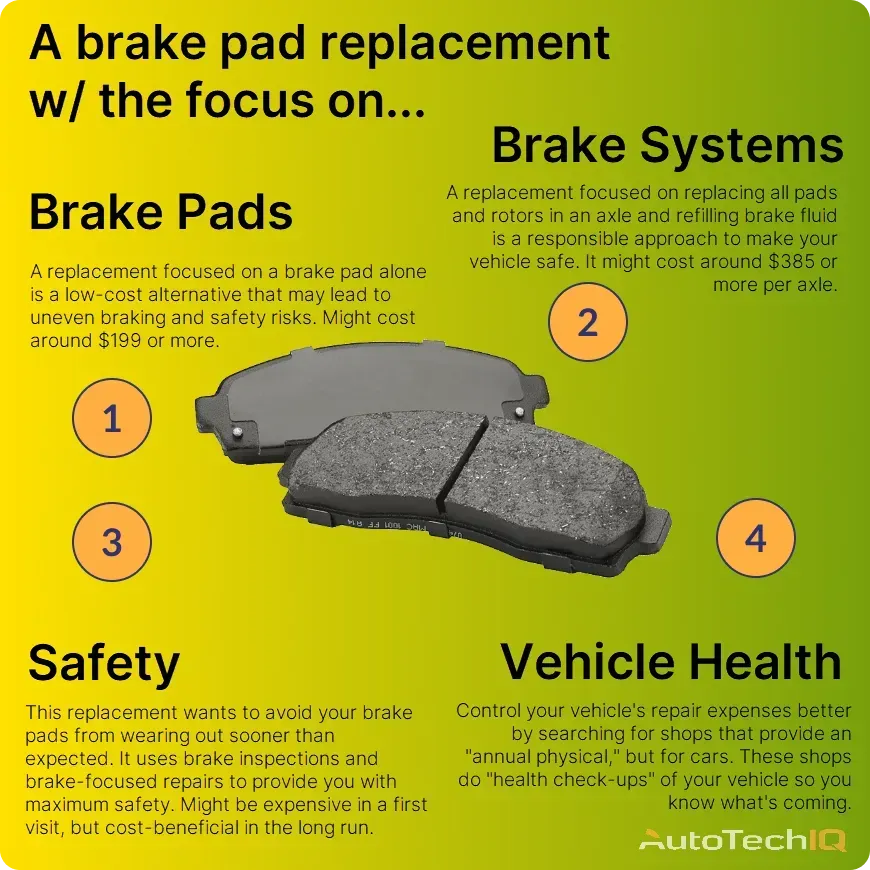
Credit: www.autotechiq.com
Diy Vs Professional Service
Choosing between DIY and professional brake and rotor service depends on several factors. Time, skill, and cost all play important roles. Understanding these can help you decide the best path for your vehicle.
Time Differences
DIY brake and rotor replacement usually takes longer. Beginners may spend 2 to 4 hours. Professionals often finish the job in 1 to 2 hours. They have the right tools and experience. Speed matters if you want your car ready fast.
Skill Requirements
DIY requires basic mechanical knowledge and some tools. Mistakes can cause brake problems or unsafe driving. Professionals have training and use proper techniques. They ensure brakes work correctly and safely. Skill level affects the quality and safety of the job.
Cost Considerations
DIY can save money on labor costs. You only pay for parts and tools. Professional service costs more but includes labor and expertise. Also, a warranty often covers their work. Consider your budget and confidence before deciding.
Tips To Speed Up The Process
Speeding up brake and rotor replacement saves time and reduces hassle. A smooth process needs good planning and care. Simple steps make the job faster and safer. Focus on preparation and avoid common mistakes.
Preparation Before Starting
Gather all tools and parts before you begin. Check that you have new brake pads and rotors ready. Use a clean workspace with good lighting. Have a jack, lug wrench, and brake cleaner nearby. Wear gloves and safety glasses for protection. Read the car’s manual for specific brake info. Knowing what to expect cuts delays.
Common Pitfalls To Avoid
Don’t rush and skip important steps. Avoid removing the wrong wheel or part. Clean the rotor surface before installing new parts. Never reuse old brake pads or damaged rotors. Be careful not to strip bolts or screws. Forgetting to loosen lug nuts before jacking up the car wastes time. Avoid improper torque on bolts to prevent future problems.

Credit: www.youtube.com
Frequently Asked Questions
How Long Does It Take To Replace Brakes And Rotors?
Replacing brakes and rotors usually takes about 1 to 2 hours. The exact time depends on the vehicle model and technician skill. Complex vehicles may take longer. This timeframe includes removing old parts, installing new ones, and testing for safety.
Can Brake And Rotor Replacement Be Done In One Visit?
Yes, brake and rotor replacement can typically be completed in one visit. Most shops finish the job within a couple of hours. Scheduling ahead ensures availability and faster service. Quick turnaround helps maintain vehicle safety without long downtime.
What Factors Affect Brake And Rotor Replacement Time?
Factors like vehicle type, brake system complexity, and technician experience affect replacement time. Additional repairs or rust buildup can extend the process. Proper tools and equipment speed up the job. Clear communication with the mechanic can provide a more accurate time estimate.
Is It Necessary To Replace Rotors With Brake Pads?
Replacing rotors with brake pads is recommended for optimal performance. Worn rotors can reduce braking efficiency and cause noise. New rotors ensure smooth contact with pads, improving safety. Some situations may allow rotor resurfacing, but replacement is often best.
Conclusion
Changing brakes and rotors usually takes about one to two hours. It depends on the car and the mechanic’s experience. Simple jobs can be quicker, while complex repairs take longer. Always plan extra time for safety checks and test drives.
Knowing the time helps you schedule repairs without stress. Keep your brakes in good shape for safe driving. Regular maintenance saves money and trouble later. Trust skilled technicians to do the job right and fast. Your car will stop better and feel safer on the road.


