

Want your car to shine like new without spending hours working by hand? Waxing your car with a buffer is the secret to achieving a smooth, glossy finish quickly and easily.
But if you’ve never used a buffer before, it might feel a little intimidating. Don’t worry—this guide will walk you through every step, so you can protect your paint and make your car look amazing. Ready to learn how to get that perfect wax job with a buffer?
Let’s dive in and transform your car’s shine!
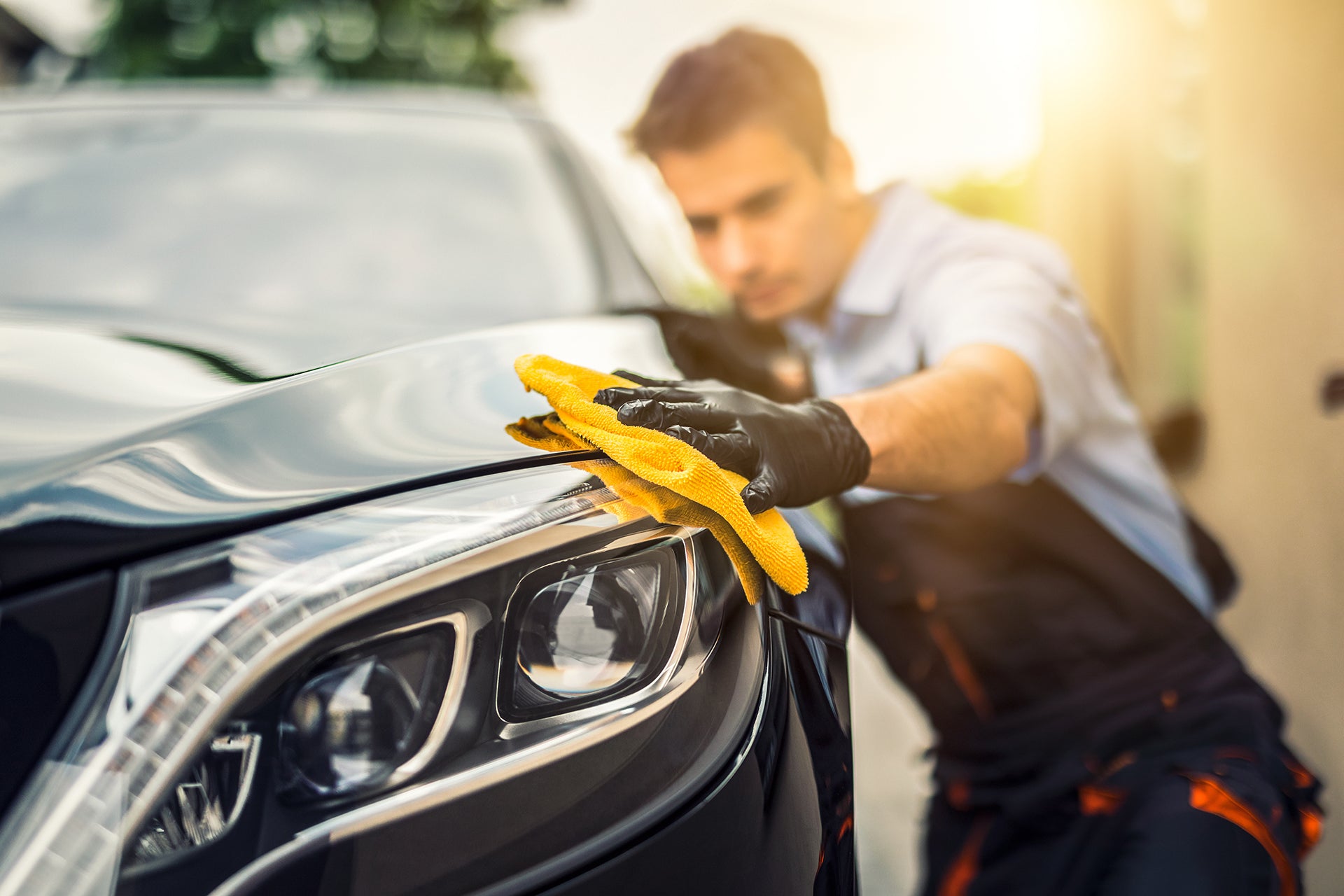
Credit: cardetailexpress.net
Choosing The Right Buffer
Choosing the right buffer is important for waxing a car. The buffer makes the waxing process faster and more even. Picking the right one helps protect the car’s paint. It also makes your work easier and better.
Types Of Buffers
There are two main types of buffers: rotary and dual-action. Rotary buffers spin in one direction very fast. They are powerful but need careful handling. Dual-action buffers move in two ways, making them safer. They reduce the chance of burning the paint. For beginners, dual-action buffers are the best choice.
Selecting The Right Pad
Buffers use different pads for different tasks. Soft foam pads work well for applying wax. They spread the wax without scratching the surface. Wool pads are rougher and better for polishing. Choose a pad that fits your buffer size. Use clean pads for each waxing session to avoid damage.
Choosing The Right Wax
Wax types affect how well the buffer works. Liquid wax is easy to spread and buff. Paste wax lasts longer but needs more effort. Some waxes are made for buffers only. Check the wax label to see if it suits your buffer. Pick wax that protects and shines your car’s paint well.

Credit: www.youtube.com
Preparing Your Car
Preparing your car before waxing with a buffer is key for great results. Clean and smooth surfaces help the wax stick well. Take time to get your car ready. This makes the waxing process easier and more effective.
Washing And Drying
Start by washing your car thoroughly. Use a car shampoo and clean water. Remove all dirt, dust, and grime from the surface. Rinse well to avoid soap spots. Dry the car with a soft microfiber towel. Ensure no water spots remain. A dry surface helps the wax apply evenly.
Inspecting The Paint
Check the paint for scratches, chips, or dull areas. Notice any rough spots or swirl marks. These may need extra care before waxing. Fixing small paint issues improves the final shine. Take your time to see every part of the car.
Removing Contaminants
Use a clay bar to remove stuck particles on the paint. Dirt, tree sap, and tar can hide on the surface. The clay bar makes the paint very smooth. This step helps the wax bond better. Clean paint means a longer-lasting shine.
Setting Up The Buffer
Setting up the buffer correctly is the first step in waxing a car. It ensures even wax application and protects the car’s surface. Proper setup saves time and prevents damage. Follow these steps carefully for a smooth waxing process.
Attaching The Wax Pad
Choose a soft wax pad that fits your buffer. Align the pad with the buffer’s backing plate. Press it firmly so it sticks well. A loose pad can cause uneven waxing or scratches. Make sure the pad is centered and secure before moving on.
Applying Wax To The Pad
Put small dots of wax evenly on the pad’s surface. Use about six to eight dots for a full-size car panel. Avoid overloading the pad with wax. Too much wax can make the buffer slip or create mess. Spread the wax gently over the pad before starting the buffer.
Adjusting Speed Settings
Set the buffer to a low speed at first. Low speed helps spread wax without splattering. After a few passes, increase speed slightly for better polish. Never use maximum speed; it can damage the paint. Adjust speed based on the car surface and wax type.
Waxing Techniques
Waxing a car with a buffer needs the right techniques for best results. These techniques help spread the wax smoothly and protect your car’s paint. Proper methods also save time and avoid damage. Follow these steps carefully to get a shiny, even finish.
Starting The Buffer
Turn on the buffer before touching the car’s surface. Let the pad spin at a low speed. Hold the buffer steady and close to the surface. This prevents splattering wax or scratching the paint. Always start in a small section to control the process.
Applying Even Pressure
Press the buffer lightly against the car. Too much pressure can damage the paint. Too little pressure will not spread the wax well. Keep your hand steady and move the buffer in gentle circles. Even pressure helps the wax absorb into the paint.
Using Overlapping Strokes
Move the buffer in overlapping strokes. Each stroke should cover half of the previous one. This ensures no spots are missed. Use slow, steady movements for better control. Overlapping strokes create a smooth, consistent layer of wax.
Avoiding Common Mistakes
Do not keep the buffer on one spot too long. It can burn or dull the paint. Avoid using a dirty or hard pad. It may cause scratches. Do not rush the process; slow and steady gives the best shine. Always clean the pad often during waxing.
Finishing Touches
The finishing touches make your car wax job look perfect. This final step brings out the shine and protects the paint. Taking time here makes a big difference in the car’s appearance. Let’s explore how to finish waxing your car with a buffer.
Buffing Off Residue
Start by turning the buffer to a low speed. Gently move it over the waxed surface. This removes leftover wax that can dull the shine. Use a soft microfiber cloth for better results. Wipe in small, circular motions to clean the paint. Keep buffing until the surface feels smooth and shiny.
Inspecting For Missed Spots
Look closely at the car under bright light. Check for dull or uneven areas. These spots need more attention before you finish. Use the buffer lightly on any missed areas. This ensures an even coat of wax on the entire car. A careful inspection prevents streaks and blotches.
Applying Additional Coats
Some cars need more than one wax layer for best protection. Wait for the first coat to dry fully. Then apply a second thin coat with the buffer. This adds depth to the shine and stronger protection. Avoid thick layers that can peel or look cloudy. Two thin coats usually give the best results.
Maintenance Tips
Maintaining your buffer and waxing supplies is important. It keeps your car looking great and extends the life of your tools. Simple care steps make waxing easier and more effective. Here are key tips to help you maintain your equipment and know when to wax again.
Cleaning The Buffer Pads
After every use, remove the buffer pads from the machine. Use warm water and mild soap to wash them gently. Avoid harsh chemicals that can damage the pads. Rinse thoroughly and let them dry completely before storing. Clean pads work better and prevent scratches on your car’s paint.
Storing Wax And Equipment
Keep your wax containers tightly sealed to avoid drying out. Store them in a cool, dry place away from sunlight. Place your buffer and pads in a clean, dust-free area. Proper storage prevents damage and keeps everything ready for your next waxing session.
Frequency Of Waxing
Wax your car every three to four months for best results. This protects the paint and keeps the shine fresh. In harsh weather, wax more often to guard against damage. Regular waxing maintains your car’s finish and makes cleaning easier.

Credit: cardetailexpress.net
Frequently Asked Questions
How Do You Prepare A Car Before Waxing With A Buffer?
Wash and dry the car thoroughly to remove dirt and debris. Ensure the surface is clean and cool to the touch before waxing. This prevents scratches and ensures better wax adherence.
What Type Of Wax Works Best With A Buffer?
Use a high-quality carnauba or synthetic wax designed for machine application. These waxes spread evenly and provide durable protection with a polished finish.
How Do You Apply Wax Using A Buffer?
Apply a small amount of wax on the buffer pad. Spread it evenly on the car surface using slow, overlapping circular motions. Avoid pressing too hard to prevent damage.
Can Waxing With A Buffer Damage The Car Paint?
No, if done correctly using the right pad and wax. Avoid excessive pressure and keep the buffer moving to prevent heat buildup or swirl marks.
Conclusion
Waxing a car with a buffer makes the job faster and easier. Start with a clean surface and use small amounts of wax. Move the buffer slowly and evenly for the best shine. Take your time and avoid pressing too hard.
Regular waxing protects your car’s paint and keeps it looking good. Try it yourself and see how smooth and bright your car can become. Simple steps, great results.


