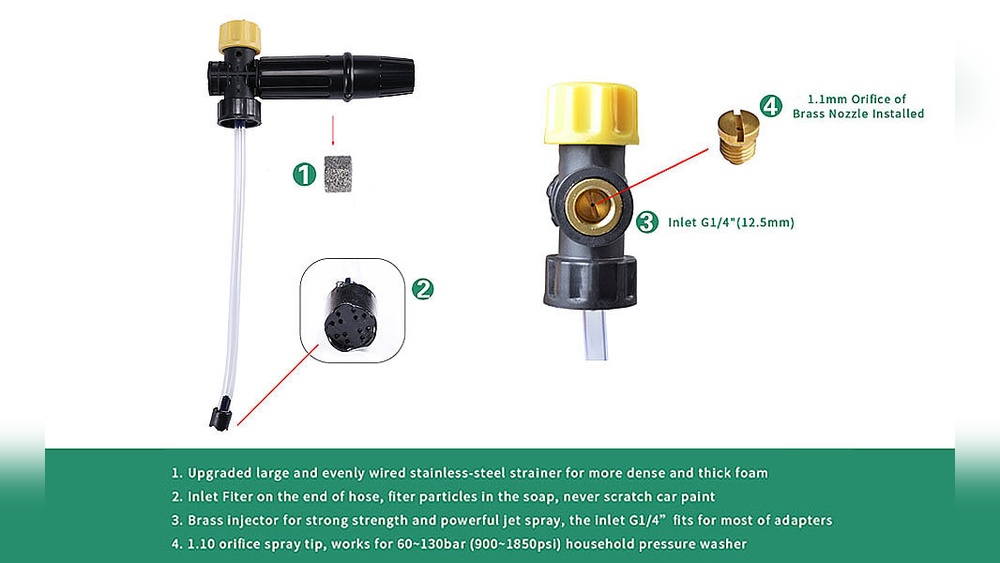
You want your car to shine without the hassle of expensive tools. But what if you don’t have a pressure washer?
Don’t worry—you can still get your car sparkling clean with simple items you already have. Imagine saving money, protecting your car’s paint, and enjoying the satisfaction of a great wash—all without complicated equipment. Keep reading, and you’ll discover easy, step-by-step tips that make washing your car simple and effective.
Your car deserves the best care, and you’re just moments away from learning how to give it exactly that.

Credit: www.youtube.com
Gathering Your Supplies
Gathering your supplies is the first step to washing your car without a pressure washer. Having the right tools makes the job easier and protects your car’s paint. You need to prepare carefully before starting.
Essential Cleaning Tools
Start with a soft sponge or wash mitt to clean the surface gently. Use a hose with a nozzle for rinsing. A soft-bristle brush helps with wheels and tires. Have a microfiber cloth for drying to avoid scratches. Collect all these before you begin.
Choosing The Right Soap
Pick a soap made for cars, not dish detergent. Car soap cleans well without removing wax. It also protects the paint and leaves a shine. Avoid harsh chemicals that can damage your car’s surface. A mild, pH-balanced soap works best.
Preparing Towels And Buckets
Use two buckets: one for soapy water, one for rinsing your sponge. This method stops dirt from scratching the paint. Have several clean microfiber towels ready for drying. Make sure towels are soft and free from debris. Proper preparation saves time and keeps your car safe.
Preparing Your Car
Preparing your car is the first step to a clean wash without a pressure washer. It helps protect the paint and removes dirt safely. Taking time to prepare prevents scratches and makes washing easier.
Parking In Shade
Find a shaded spot to park your car. Direct sunlight dries soap too fast. This can leave spots and streaks on the paint. Shade keeps the surface cool for a better wash. It also helps soap and water stay wet longer.
Rinsing Loose Dirt
Use a hose or bucket of water to rinse off loose dirt. Dirt and dust on the surface can scratch the paint if rubbed hard. Gentle rinsing removes most of the loose dirt. This step makes washing safer and more effective.
Hand Washing Techniques
Hand washing your car is a simple and effective way to keep it clean without special tools. It lets you control the pressure and avoid damage. Using the right techniques makes the process easier and better for your car’s paint.
Washing From Top To Bottom
Start washing at the roof of your car. Dirt and grime flow downward as you clean. This prevents re-soiling areas you already washed. Use a soft sponge or microfiber cloth. Work in small sections to avoid drying spots. Rinse the sponge often to remove dirt.
Using The Two-bucket Method
Use one bucket for soapy water and another for clean water. Dip your sponge in the soapy water first. Wash a section, then rinse the sponge in the clean water. This stops dirt from going back on the car. It helps keep the paint safe from scratches.
Cleaning Wheels And Tires
Wheels and tires need special attention. Use a separate brush or sponge just for them. They hold more dirt and brake dust than the car body. Clean them with a strong cleaner made for wheels. Rinse well to remove all dirt and soap.
Credit: www.simoniz.uk
Rinsing Without A Pressure Washer
Rinsing your car without a pressure washer is simple and effective. It requires some tools you likely have at home. The key is to remove dirt and soap gently but thoroughly. You can rinse well without strong water pressure. This section shows easy ways to rinse your car without special equipment.
Using A Hose With Adjustable Nozzle
A garden hose with an adjustable nozzle works well for rinsing. Set the nozzle to a gentle spray or shower setting. This spreads water evenly over the car’s surface. Avoid a strong jet that can damage paint or seals. Move the hose slowly from top to bottom. This helps rinse away soap and dirt completely.
Adjust the water flow to save water while rinsing. Use a steady, soft stream to reach all areas. Pay attention to wheel wells and lower panels. These spots often hold dirt and grime. A hose with an adjustable nozzle gives good control over water pressure.
Alternative Rinsing Methods
Bucket rinsing is a useful option if no hose is available. Fill a bucket with clean water and use a sponge or cloth. Dip the sponge in water and rinse the car in sections. This method uses less water and helps target dirty spots.
Another option is using a watering can. Fill it with water and pour gently over the car. This mimics a soft rain, rinsing off soap without strong force. It takes more time but works well for small cars or light rinsing. These simple methods keep your car clean without a pressure washer.
Drying Your Car
Drying your car is a key step after washing it by hand. It helps keep the paint shiny and free from damage. Water left on your car can cause spots and streaks. Taking time to dry your car well protects its look and value.
Choosing The Right Towels
Select soft, absorbent towels for drying your car. Microfiber towels work best. They soak up water without scratching the paint. Avoid using old rags or rough cloths. These can leave marks or damage the surface. Use several towels to cover the entire car quickly. Change towels when they become too wet to dry effectively.
Avoiding Water Spots
Water spots form when minerals in water dry on the paint. They can leave ugly marks that are hard to remove. Dry your car in a shaded area to prevent fast drying. Fast drying causes minerals to stick more. Pat the surface gently instead of rubbing hard. Use a clean towel to wipe off all water drops. Quick and careful drying reduces water spots greatly.

Credit: www.turtlewax.com
Additional Tips For A Spotless Finish
Getting a spotless finish without a pressure washer takes some care. Small steps make a big difference. These tips help you keep your car shining bright and clean.
Waxing Without Pressure Washer
Wax protects your car’s paint and adds shine. Use a soft cloth and apply wax in small circles. Let the wax dry for a few minutes. Then, wipe it off with a clean cloth. This method works well without strong water pressure. It keeps dirt away and makes washing easier next time.
Maintaining Regular Wash Schedule
Wash your car often to stop dirt buildup. Dirt and grime can harm paint if left too long. A simple wash every two weeks keeps your car clean. More often in dusty or rainy weather. Regular washing saves time and effort. It helps keep your car looking new and fresh.
Frequently Asked Questions
How Can I Wash My Car Without A Pressure Washer?
You can wash your car using buckets, a hose with a spray nozzle, and microfiber cloths. Use car-specific soap and rinse thoroughly. This method is gentle and effective for regular cleaning without special equipment.
What Materials Do I Need For Car Washing?
Essential materials include a bucket, car wash soap, microfiber towels, a soft sponge, and a hose with a spray nozzle. These items help clean your car safely and efficiently without scratching the paint.
How Do I Prevent Water Spots On My Car?
Dry your car immediately after washing with a clean microfiber towel. Avoid washing in direct sunlight. Water spots form when water evaporates, leaving mineral deposits behind. Prompt drying reduces this risk.
Can I Use Household Soap For Washing My Car?
No, household soaps can strip your car’s protective wax and damage paint. Use a soap specifically designed for cars. Car wash soaps are gentle and maintain your vehicle’s finish.
Conclusion
Washing your car without a pressure washer is simple and effective. Use basic tools like buckets, sponges, and gentle soap. Take your time and clean each part carefully. This method protects your car’s paint and saves water. A clean car looks great and lasts longer.
You don’t need fancy tools to keep your car shiny. Just follow easy steps and enjoy the process. Your car will thank you for the gentle care. Try this method and see the difference yourself.