
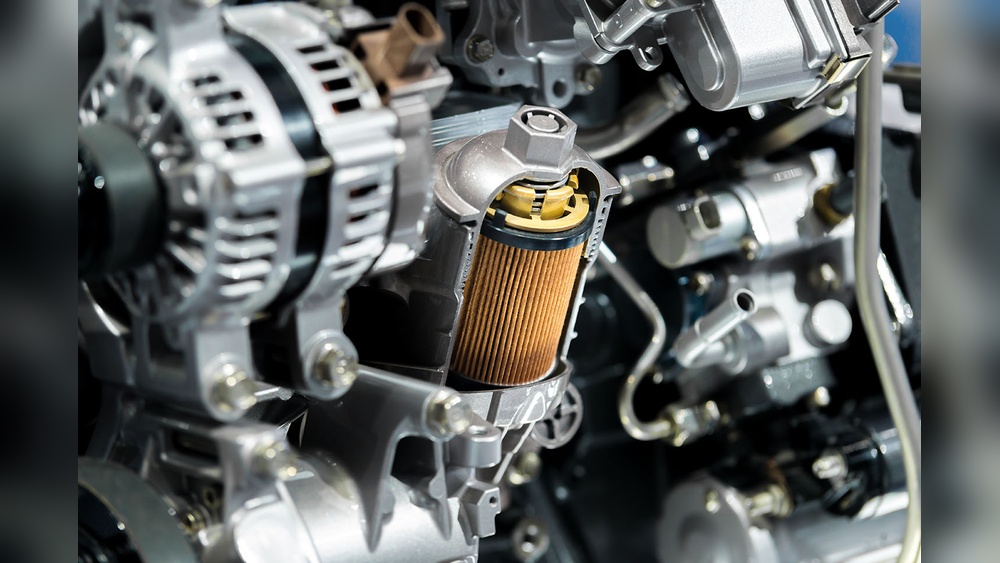
Is your car’s engine feeling sluggish or struggling to start? One common cause could be a dirty or clogged fuel filter.
Knowing how to change a fuel filter yourself can save you time, money, and frustration. In this guide, you’ll discover simple, step-by-step instructions that anyone can follow—even if you’re not a car expert. Keep reading to learn how to keep your engine running smoothly and avoid costly repairs down the road.
Signs Of A Clogged Fuel Filter
A clogged fuel filter can cause many problems in your vehicle. It stops fuel from flowing smoothly to the engine. This can make driving unsafe and damage the engine over time. Knowing the signs helps you fix the problem early.
Watch for changes in how your car runs. These signs tell you the fuel filter needs attention. Acting quickly can save money and keep your car running well.
Reduced Engine Power
Your car may feel weak or slow. It might not speed up like before. This happens because less fuel reaches the engine. The clogged filter blocks the fuel flow. Driving uphill or carrying heavy loads gets harder.
Engine Misfires
The engine may skip or jerk while running. Misfires happen when the fuel supply is uneven. A dirty fuel filter causes this problem. You might notice strange noises or shaking. This can harm your engine if ignored.
Difficulty Starting
The car may take longer to start or fail to start. The fuel filter stops enough fuel from reaching the engine. You might hear the engine crank without starting. This sign shows the filter is clogged and needs changing soon.

Credit: blog.highflowfuel.com
Tools And Materials Needed
Changing a fuel filter needs the right tools and materials. Using proper equipment makes the job easier and safer. Prepare all items before starting to avoid delays. Here are the essentials you need for this task.
Basic Hand Tools
Simple hand tools help remove and install the fuel filter. A set of wrenches is important for loosening fuel lines. Screwdrivers may be needed to open clamps or covers. Pliers come in handy for gripping and pulling hoses. Keep a small container or rag nearby to catch any fuel spills.
Replacement Fuel Filter
Choose a fuel filter that matches your vehicle’s make and model. Using the correct filter ensures proper fuel flow and engine performance. Check the filter type before buying to avoid mistakes. A new filter prevents clogging and keeps the engine running smoothly.
Safety Gear
Wear gloves to protect your hands from fuel and dirt. Safety glasses shield your eyes from splashes. Work in a well-ventilated area to avoid inhaling fumes. Having a fire extinguisher nearby is a smart precaution. Safety gear protects you during the entire process.
Preparing Your Vehicle
Preparing your vehicle is the first step to change the fuel filter safely and correctly. This part needs careful handling because it deals with fuel. Take your time and follow the right steps before starting the work.
Preparing well helps avoid accidents and makes the job easier. Knowing where the fuel filter is and how to relieve pressure helps a lot. Safety must come first in every step.
Relieve Fuel System Pressure
The fuel system holds pressure even after the engine stops. This pressure can cause fuel to spray out when you disconnect the filter. To stop this, locate the fuel pump fuse in the fuse box.
Remove the fuse and start the engine. The engine will run briefly and then stop. This releases the pressure in the fuel lines safely.
Locate The Fuel Filter
Fuel filters are usually near the fuel tank or along the fuel line. Check your vehicle manual to find the exact spot. It often looks like a small metal or plastic cylinder.
Clean the area around the filter before you remove it. This prevents dirt from entering the fuel system during replacement.
Ensure Safety Precautions
Work in a well-ventilated place to avoid breathing fuel vapors. Wear gloves to protect your skin from fuel contact. Keep a fire extinguisher nearby just in case.
Do not smoke or use open flames near the vehicle. Always have a container ready to catch any fuel that spills out. Safety is key to avoid accidents and injuries.
Removing The Old Fuel Filter
Removing the old fuel filter is the first step in replacing it. This process helps keep your engine running smoothly. A clogged fuel filter can cause poor engine performance. Taking out the old filter carefully prevents fuel leaks and damage. Follow each step to remove it safely and correctly.
Disconnect Fuel Lines
Start by turning off the engine and relieving fuel pressure. Use a wrench or special tool to loosen the fuel line fittings. Gently pull the fuel lines off the filter. Be ready for some fuel to spill out. Wear gloves and have a rag nearby to catch any fuel drops.
Remove Mounting Bracket
Locate the mounting bracket holding the fuel filter in place. Use a screwdriver or socket wrench to remove the screws or bolts. Keep the hardware safe for reinstallation. Take care not to damage the bracket or surrounding parts during removal.
Extract The Filter
Hold the fuel filter firmly and pull it out of its holder. Tilt it slightly to avoid spilling leftover fuel. Dispose of the old filter properly. Check the filter area for dirt or debris before installing the new one.
Installing The New Fuel Filter
Installing the new fuel filter is a key step in maintaining your vehicle’s fuel system. This process requires care and attention to ensure the filter works correctly. Proper installation helps keep fuel clean and your engine running smoothly.
Check Filter Orientation
Look at the new fuel filter closely. Find the arrow on the filter body. This arrow shows the direction fuel should flow. Make sure to install the filter with the arrow pointing toward the engine. Wrong direction can block fuel flow and cause engine problems.
Attach Fuel Lines Securely
Connect the fuel lines to the filter’s inlet and outlet. Push the lines firmly onto the filter’s fittings. Use clamps or clips to hold the lines tight. Loose connections can cause fuel leaks and reduce engine performance.
Mount The Filter Properly
Place the fuel filter in its holder or bracket. Secure it with screws or clamps provided. The filter should not move or vibrate during driving. A stable mount prevents damage and ensures long filter life.
Testing After Replacement
Testing after replacing a fuel filter is important to ensure your vehicle runs smoothly. This process checks for leaks and confirms the engine gets clean fuel. Proper testing helps avoid engine problems and improves car performance.
Start The Engine
Turn the ignition key and start the engine. Listen closely for any unusual sounds. The engine should start easily without hesitation. If it struggles, the fuel filter may not be installed correctly. Check connections to ensure proper fuel flow.
Check For Leaks
Look under the car and around the fuel filter. Watch for any fuel drips or wet spots. Leaks can cause dangerous fuel loss and engine problems. Tighten any loose fittings and replace damaged parts. Safety comes first when handling fuel.
Monitor Engine Performance
Drive the car for a short distance to test performance. Notice if the engine runs smoothly or if it stalls. Good fuel flow improves acceleration and power. If the engine misfires or hesitates, inspect the fuel filter and fuel lines again.
Maintenance Tips For Fuel Filters
Fuel filters keep dirt and rust from reaching your engine. Proper maintenance helps your car run smooth and last longer. Follow these simple tips to take care of your fuel filter.
Replacement Frequency
Change your fuel filter regularly to avoid clogging. Check your car manual for the recommended interval. Usually, every 20,000 to 40,000 miles is good. Replace it sooner if you notice engine problems.
Using Quality Fuel
Use clean, high-quality fuel to protect the filter. Cheap or dirty fuel can clog the filter fast. Always buy from trusted gas stations. This keeps your fuel system clean and efficient.
Regular Vehicle Checkups
Have a mechanic check your fuel filter during routine service. Early detection of problems saves money and trouble. Regular checks ensure your fuel filter works well. Keep your car in top shape with simple inspections.

Credit: www.wikihow.com
Credit: www.sampiyonfilter.com.tr
Frequently Asked Questions
How Often Should You Change A Fuel Filter?
Fuel filters typically need changing every 20,000 to 40,000 miles. Check your vehicle’s manual for exact intervals. Regular changes prevent fuel system clogs and engine issues.
What Tools Are Needed To Change A Fuel Filter?
You’ll need wrenches, screwdrivers, and possibly fuel line disconnect tools. Safety gloves and eye protection are also essential for a safe process.
Can I Change A Fuel Filter Myself?
Yes, with basic mechanical skills and tools, you can change it. Follow your vehicle’s manual and safety precautions to avoid damage or injury.
What Are Signs Of A Clogged Fuel Filter?
Engine misfires, poor acceleration, and stalling often indicate a clogged filter. If your car struggles to start or runs rough, the filter may need changing.
Conclusion
Changing a fuel filter keeps your engine running smoothly. It helps stop dirt from reaching the engine. Clean filters improve fuel flow and save money on repairs. Remember to check your vehicle’s manual for the right filter type. Take your time and work carefully to avoid spills.
Regular filter changes protect your car and make it last longer. Simple steps can make a big difference in car care. Try it yourself or ask a mechanic if unsure. Safe driving starts with good maintenance.


