
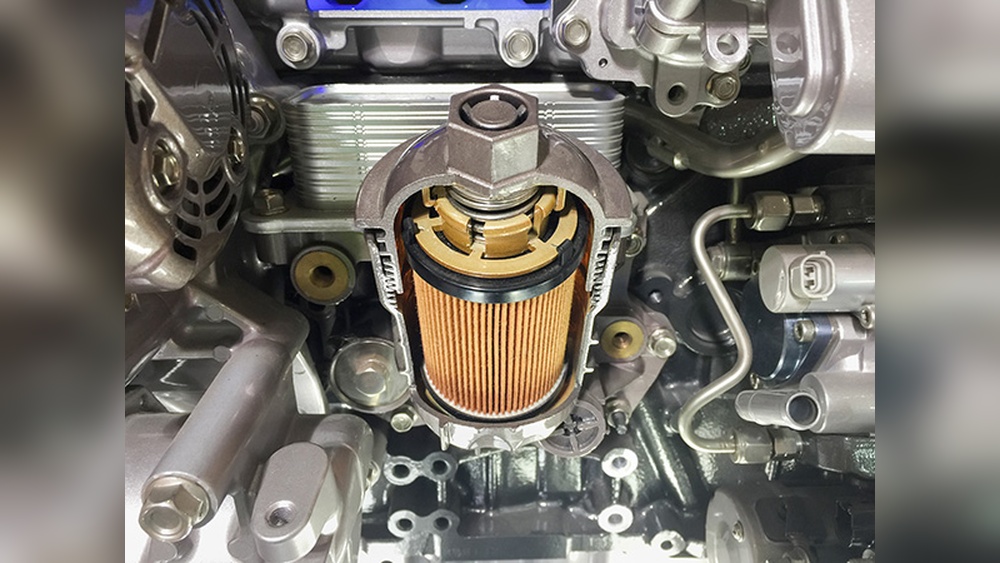
Have you noticed your car struggling to start or losing power while driving? The culprit might be a clogged fuel filter.
Your vehicle’s fuel filter plays a quiet but crucial role in keeping your engine running smoothly. When it gets blocked, it can seriously affect how your car performs. You’ll discover exactly how a clogged fuel filter impacts your vehicle and what signs to watch for.
Understanding this could save you from costly repairs and keep your ride running at its best. Keep reading to find out more!
Signs Of A Clogged Fuel Filter
A clogged fuel filter can cause many problems for your vehicle. It stops fuel from flowing freely to the engine. This blockage affects how well your car runs. Knowing the signs helps you spot the issue early. Here are common signs that show a clogged fuel filter.
Reduced Engine Power
Your car may feel weak or slow. It struggles to reach higher speeds. Clumps in the fuel filter limit fuel flow. The engine does not get enough fuel. This causes less power and poor performance.
Frequent Stalling
The engine may stop suddenly while driving. This happens because fuel supply cuts off. A clogged filter blocks fuel from reaching the engine. Stalling can occur more often on hills or under load.
Hard Starting
Starting the car takes longer than usual. The engine may crank but fail to start quickly. Fuel struggles to pass through the blocked filter. This makes ignition slow and difficult.
Engine Misfires
The engine may run rough or jerk during driving. Misfires happen when fuel flow is uneven. A clogged filter causes inconsistent fuel delivery. This results in irregular engine performance and vibrations.
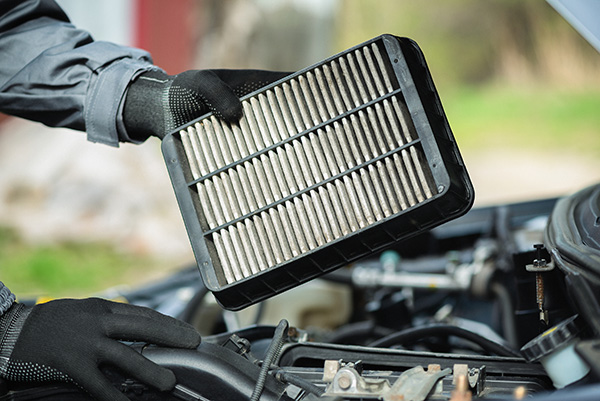
Credit: www.gilsgarage.com
Impact On Fuel Efficiency
A clogged fuel filter can reduce your vehicle’s fuel efficiency. It restricts the flow of fuel to the engine. This causes the engine to work harder and burn more fuel. The impact on fuel efficiency can be seen in several ways.
Increased Fuel Consumption
The engine receives less fuel than it needs. To compensate, it uses more fuel overall. This leads to higher fuel consumption. Your car will need refueling more often. This increase is often unnoticed until fuel costs rise.
Poor Combustion
Fuel that passes through a clogged filter may not mix well with air. Poor fuel-air mix causes incomplete combustion. Incomplete combustion reduces engine power and efficiency. The engine may feel weak or rough while running. This wastes fuel and lowers mileage.
Emissions Issues
Incomplete combustion increases harmful emissions. More unburned fuel leaves the engine as pollution. This can cause your vehicle to fail emissions tests. It also harms the environment. A clean fuel filter helps keep emissions low and your car running clean.
Effects On Engine Components
A clogged fuel filter affects many parts of the engine. It stops fuel from flowing freely. This forces other engine parts to work harder. Over time, this strain causes damage. The engine’s health depends on clean fuel and smooth flow.
Fuel Pump Strain
The fuel pump pushes fuel to the engine. A clogged filter blocks fuel flow. The pump must work harder to push fuel through. This extra work can cause the pump to wear out fast. A damaged fuel pump can lead to costly repairs.
Injector Damage
Fuel injectors spray fuel into the engine. Dirty or clogged filters let tiny particles pass through. These particles can clog or damage injectors. Bad injectors cause poor fuel spray and weak engine power. Replacing injectors is expensive and time-consuming.
Overall Engine Wear
Dirty fuel and low flow cause the engine to run rough. Parts inside the engine wear out faster. Engine performance drops and fuel efficiency suffers. Regular filter changes help keep the engine healthy and strong.

Credit: www.autonationmobileservice.com
Causes Of Fuel Filter Clogging
Fuel filters play a key role in keeping your vehicle’s engine clean. They stop dirt, rust, and other particles from entering the fuel system. Over time, these particles can build up and block the filter. This blockage reduces the flow of fuel and harms engine performance. Understanding what causes fuel filters to clog helps you avoid problems and keep your vehicle running smoothly.
Contaminated Fuel
Fuel often contains tiny particles and impurities. Dirt, rust, and water can enter the fuel tank during refueling. Poor quality fuel adds more contaminants. These particles get trapped in the fuel filter. Over time, they form a thick layer that blocks fuel flow. Using clean, high-quality fuel reduces the risk of clogging.
Lack Of Maintenance
Fuel filters need regular replacement. Ignoring maintenance schedules causes filters to clog faster. Old filters accumulate more dirt and debris. This buildup restricts fuel flow and lowers engine power. Checking and changing the fuel filter on time keeps the engine healthy. Maintenance is simple but very important.
Environmental Factors
Driving in dusty or dirty areas adds more particles to the fuel. Humid or wet climates cause water to mix with fuel. Water and dirt together speed up filter clogging. Harsh environments demand more frequent filter checks. Protecting the fuel system from these conditions helps maintain good performance.
Preventing Fuel Filter Problems
Preventing fuel filter problems helps keep your car running smoothly. A clean fuel filter stops dirt and debris from reaching the engine. This keeps fuel flow steady and improves engine performance. Simple steps can help avoid clogging and costly repairs.
Regular Replacement Schedule
Change the fuel filter as your vehicle’s manual suggests. Old filters block fuel flow and reduce engine power. Sticking to a replacement schedule keeps fuel moving freely. It also helps your engine run efficiently and last longer.
Using Quality Fuel
Choose fuel from trusted gas stations. Low-quality fuel has more dirt and impurities. These can clog the fuel filter quickly. Clean fuel helps protect the filter and engine parts. This reduces the chance of breakdowns and poor performance.
Routine Vehicle Inspections
Check your vehicle regularly for fuel system issues. Look for signs like rough idling or slow acceleration. Early detection of fuel filter problems saves time and money. Ask a mechanic to inspect the fuel filter during service visits.
When To Replace The Fuel Filter
Knowing when to replace the fuel filter helps keep your vehicle running smoothly. The fuel filter traps dirt and rust from the fuel. Over time, it clogs and blocks fuel flow. This causes poor engine performance and can damage other parts. Replacing the fuel filter on time avoids these problems. Here are key points to consider for replacement.
Mileage Recommendations
Most car makers suggest changing the fuel filter every 20,000 to 40,000 miles. Check your owner’s manual for exact numbers. Some newer cars have filters that last longer or are built into the fuel pump. Sticking to these mileage guidelines helps maintain engine health.
Performance Warning Signs
Watch for signs like engine misfires, hesitation, or hard starts. A clogged fuel filter may cause poor acceleration and lower power. Your engine might stall or run roughly at idle. These problems hint at a dirty fuel filter needing replacement.
Professional Inspection
Have a mechanic inspect the fuel system during regular service. They can spot a clogged fuel filter before it causes major trouble. Professionals test fuel pressure and check for flow issues. Early detection saves money and avoids breakdowns on the road.
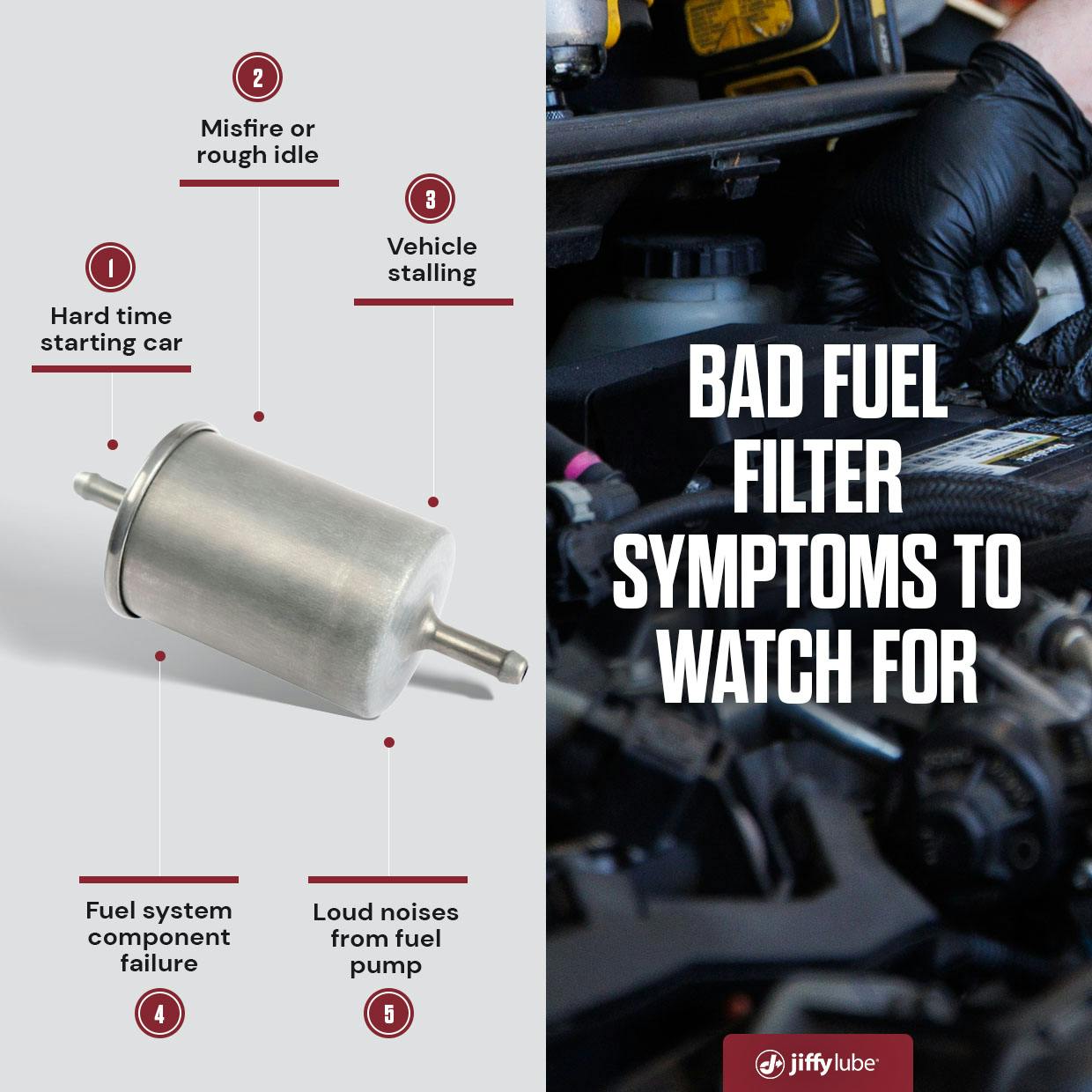
Credit: www.jiffylube.com
Frequently Asked Questions
What Happens When A Fuel Filter Gets Clogged?
A clogged fuel filter restricts fuel flow to the engine. This causes poor engine performance, stalling, and reduced fuel efficiency. It can also lead to engine misfires and difficulty starting the vehicle.
How Does A Clogged Fuel Filter Reduce Engine Power?
A clogged fuel filter limits the amount of fuel reaching the engine. This results in insufficient fuel combustion, lowering engine power and acceleration. The engine struggles to perform under load and may hesitate during acceleration.
Can A Clogged Fuel Filter Damage The Engine?
Yes, a clogged fuel filter can cause engine damage. It forces the fuel pump to work harder, potentially causing pump failure. Insufficient fuel supply can also lead to overheating and increased wear on engine components.
How Often Should A Fuel Filter Be Replaced?
Fuel filters should generally be replaced every 20,000 to 40,000 miles. However, check your vehicle’s manual for specific intervals. Regular replacement ensures optimal fuel flow and prevents performance issues.
Conclusion
A clogged fuel filter can slow your car down and cause rough idling. It blocks fuel flow, leading to poor engine performance. You may notice your vehicle struggles to start or loses power on hills. Cleaning or replacing the fuel filter helps your engine run smoothly again.
Regular checks can prevent these problems before they start. Keep your fuel system clean for better driving and longer engine life. Small steps make a big difference. Don’t ignore signs of a clogged fuel filter. Act early and keep your car healthy.

