
Have you noticed your car struggling to start or losing power unexpectedly? These could be signs that your fuel filter is clogged.
A clogged fuel filter can slow down your engine’s performance and even cause serious damage if ignored. But how can you be sure this is the problem? You’ll learn the simple ways to tell if your fuel filter is blocked and what steps you can take to fix it before it turns into a costly repair.
Keep reading—your car’s health depends on it.

Credit: www.youtube.com
Common Symptoms Of A Clogged Fuel Filter
Recognizing common symptoms of a clogged fuel filter helps protect your vehicle’s engine. A blocked filter restricts fuel flow, causing various engine problems. Early signs often show up in driving and starting performance. Paying attention to these symptoms can save costly repairs.
Engine Stalling Or Hesitation
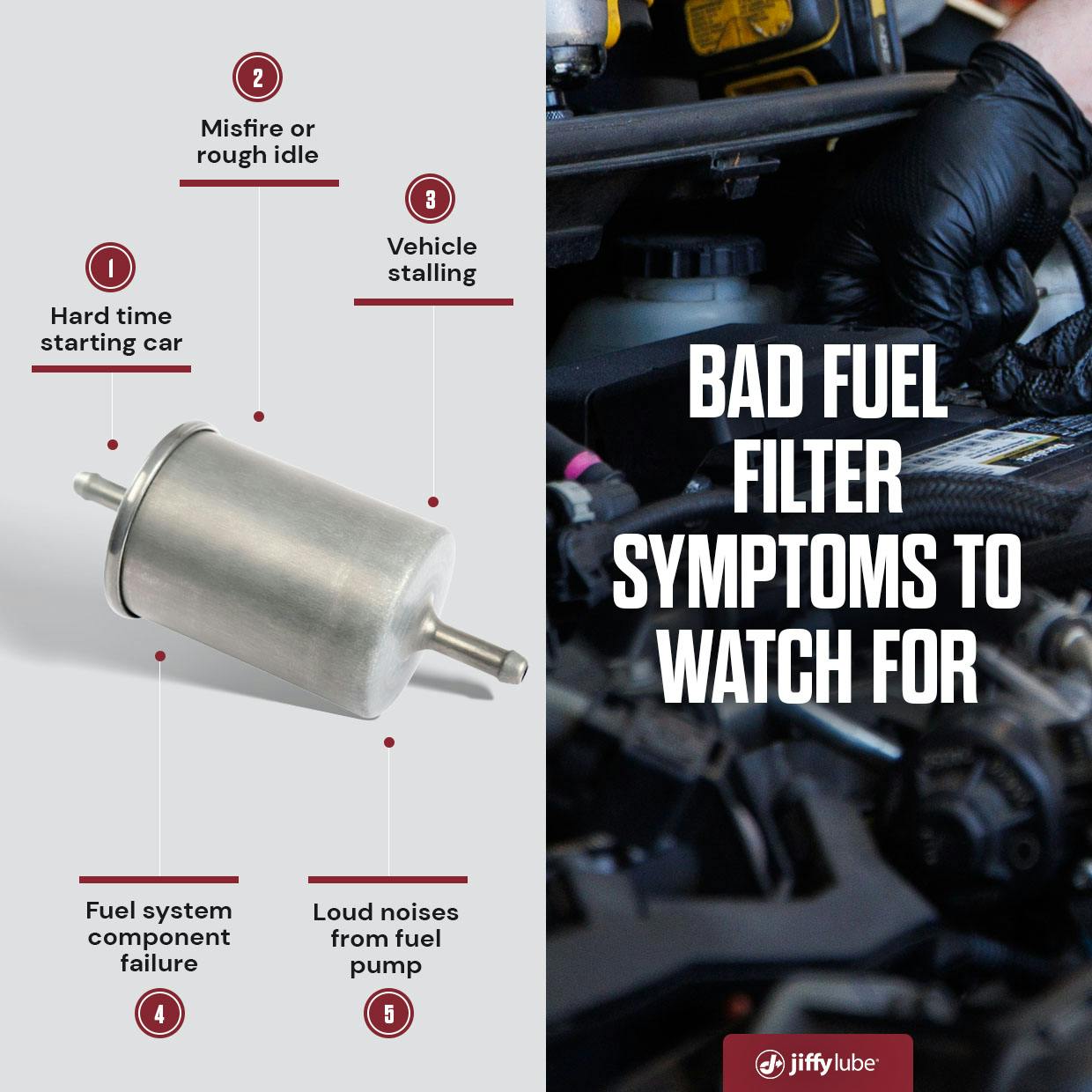
Engine stalling happens when fuel flow suddenly drops. Your car may hesitate during acceleration or stop running. This issue occurs because the clogged filter limits fuel supply to the engine. Notice if your engine cuts out unexpectedly while driving.
Difficulty Starting The Vehicle
A clogged fuel filter makes starting your car hard. The engine may crank but fail to start quickly. Fuel struggles to reach the engine at the right pressure. Watch for longer cranking times or repeated attempts to start your vehicle.
Reduced Engine Power
Your car feels weaker during acceleration or climbing hills. A clogged filter limits the fuel needed for full power. The engine cannot perform at its best. You might notice sluggish response when pressing the gas pedal.
Frequent Engine Misfires
Misfires occur when fuel delivery is uneven or insufficient. The engine may run rough or shake during driving. A clogged fuel filter disrupts proper fuel flow to cylinders. This causes irregular combustion and frequent misfires.
Credit: www.jiffylube.com
Fuel Efficiency And Performance Issues
Fuel efficiency and performance issues often point to a clogged fuel filter. A blocked filter limits fuel flow, causing several driving problems. These problems reduce your car’s power and waste gas. Knowing these signs helps you act fast and avoid bigger repairs.
Drop In Gas Mileage
A clogged fuel filter makes your engine work harder. It burns more fuel to keep the same speed. This leads to sudden drops in gas mileage. You might notice filling up the tank more often than before. This change is a key sign of fuel flow problems.
Uneven Acceleration
Your car may hesitate or jerk when you press the gas pedal. This happens because fuel does not reach the engine smoothly. The clogged filter blocks steady fuel flow. Uneven acceleration makes driving unsafe and less comfortable.
Engine Surging Or Sputtering
The engine might surge or sputter while driving at steady speeds. Surging feels like the engine speeds up then slows down without your input. Sputtering sounds like the engine is struggling to run. Both signs indicate fuel supply interruptions caused by a clogged filter.
Visual And Physical Checks
Visual and physical checks are the first steps to find a clogged fuel filter. These checks help spot obvious problems without special tools. You can do some simple inspections yourself. This saves time and money by catching issues early.
Check the fuel filter for dirt or damage. Look closely at the filter’s surface. Signs of clogging may include dark spots or buildup. A clean filter should look clear or slightly yellowish. Any thick grime or debris means it needs cleaning or replacing.
Inspecting The Fuel Filter
Locate the fuel filter under the hood or near the fuel tank. Use a flashlight to see it clearly. Check for cracks or leaks around the filter. Touch the filter to feel for hard deposits or sticky residue. These signs show the filter is clogged. Replace the filter if it looks worn or dirty.
Checking For Fuel Odors
Smell near the fuel filter and fuel lines. A strong fuel odor can mean a leak or blockage. A clogged filter may cause fuel to build up and smell. If you notice a strong smell, inspect the fuel filter and connections. Fuel odors should not be strong in a well-functioning system.
Listening For Unusual Engine Noises
Start the engine and listen carefully. A clogged fuel filter can cause sputtering or coughing sounds. The engine may hesitate when accelerating. Strange noises near the fuel pump or filter area can also appear. These sounds indicate fuel flow issues related to the filter.
Diagnostic Tools And Tests
Knowing if your fuel filter is clogged helps keep your car running smoothly. Simple tools and tests can reveal the problem. These diagnostics check fuel flow and engine signals.
Using A Fuel Pressure Gauge
A fuel pressure gauge measures the fuel pressure in your system. Low pressure often means a clogged filter. Connect the gauge to the fuel rail. Start the engine and watch the reading. Compare it to the car’s manual specs. A drop in pressure suggests the filter blocks fuel flow.
Scanning For Engine Codes
Modern cars store error codes when parts fail. Use an OBD-II scanner to read these codes. Codes related to fuel delivery may point to a clogged filter. This scan is quick and easy. It helps find problems beyond visible signs.
Professional Fuel System Testing
Mechanics use advanced tools to test the fuel system. They inspect fuel lines, pumps, and filters carefully. Pressure tests and flow checks show if the filter clogs. Professionals spot issues that simple tools miss. This testing ensures accurate diagnosis and repair.
Preventive Measures And Maintenance Tips
Taking care of your fuel filter helps keep your vehicle running smoothly. Preventive steps avoid costly repairs and keep the engine healthy. Simple habits make a big difference in fuel system performance.
Check and maintain your fuel filter regularly. Clean fuel and timely replacements protect the filter from clogging. Watch for early warning signs to fix issues fast.
Regular Fuel Filter Replacement Schedule
Replace your fuel filter as recommended by the vehicle maker. Usually, every 20,000 to 40,000 miles is best. Old filters block fuel flow and reduce engine power. Mark your calendar or set reminders for filter checks. Follow the schedule strictly for smooth driving.
Using Quality Fuel
Fill your tank with clean, high-quality fuel only. Low-grade fuel often has dirt or water. These contaminants clog the fuel filter faster. Choose trusted gas stations and avoid cheap fuel. Clean fuel means less strain on the filter and engine.
Signs That Warrant Immediate Attention
Notice engine stalling or rough idling? These may signal a clogged filter. Difficulty starting the car or poor acceleration also warns of trouble. Strange noises from the fuel pump need checking too. Respond quickly to avoid bigger problems later.

Credit: www.autonationmobileservice.com
Frequently Asked Questions
What Are Common Signs Of A Clogged Fuel Filter?
Common signs include engine sputtering, stalling, reduced power, and poor acceleration. You may also notice difficulty starting the engine or unusual noises from the fuel pump.
How Does A Clogged Fuel Filter Affect Car Performance?
A clogged fuel filter limits fuel flow, causing engine misfires and hesitation. It reduces fuel efficiency and can lead to frequent stalling during driving.
Can I Clean A Clogged Fuel Filter Myself?
Most fuel filters are not designed for cleaning and require replacement. It’s safer and more effective to install a new filter to ensure proper fuel flow.
How Often Should I Replace My Fuel Filter?
Typically, replace your fuel filter every 20,000 to 40,000 miles or as recommended by your vehicle’s manufacturer. Regular replacement prevents clogging and engine issues.
Conclusion
A clogged fuel filter can cause many car problems. Watch for slow engine starts, poor acceleration, or strange noises. These signs often mean fuel flow is blocked. Cleaning or replacing the filter can fix these issues. Regular checks help keep your car running well.
Don’t ignore small problems; they might get worse. Stay alert and act quickly to avoid costly repairs. Your car will thank you with better performance and fewer breakdowns.


