

Have you ever wondered what protects your engine from hidden water in your fuel? Water in fuel might seem harmless, but it can cause serious damage to your vehicle.
That’s where a water separating fuel filter comes in. This little device plays a big role in keeping your engine running smoothly. You’ll discover exactly how a water separating fuel filter works and why it’s essential for your vehicle’s health.
Keep reading—you’ll soon see how this simple component can save you time, money, and headaches down the road.
Credit: www.thehulltruth.com
Fuel Filter Basics
Fuel filters play a key role in keeping engines safe and running well. They clean the fuel by removing dirt, rust, and water. This stops damage to the engine parts. Understanding the basics of fuel filters helps you see why they matter in fuel systems.
Fuel filters work quietly but with great impact. They protect the engine from harmful particles and water. This keeps fuel clean and improves engine life and performance.
Purpose In Fuel Systems
The main job of a fuel filter is to clean fuel before it reaches the engine. It traps dirt, dust, and rust particles. Water can also enter fuel and cause engine trouble. Fuel filters remove this water to prevent damage.
Clean fuel means better engine performance and fewer repairs. The fuel filter helps maintain smooth engine operation. It also reduces wear on fuel injectors and pumps.
Types Of Fuel Filters
Fuel filters come in different types for various engines and fuels. The most common types are paper filters, mesh filters, and water-separating filters.
Paper filters trap small particles but do not remove water. Mesh filters catch larger dirt particles. Water-separating filters remove both dirt and water from fuel. These are important for diesel engines, where water causes big problems.
Choosing the right filter depends on the engine and fuel type. Using the correct filter keeps the engine safe and efficient.
Credit: www.yumpu.com
Water Contamination Issues
Water contamination in fuel is a common problem for engines. Water can enter fuel systems in many ways. Even small amounts of water cause big issues. It reduces engine efficiency and can cause damage. Understanding water contamination helps protect your engine and fuel system.
Sources Of Water In Fuel
Water enters fuel from rain, condensation, or leaks. Fuel tanks left open allow moisture inside. Fuel delivered in wet conditions may contain water. Sometimes, water forms inside tanks from temperature changes. Poor storage or handling also adds water to fuel.
Impact On Engine Performance
Water in fuel causes rough running and poor starts. It reduces power and fuel efficiency. Water can corrode engine parts and fuel system components. It blocks fuel filters and injectors, causing failures. Long-term exposure leads to costly repairs and downtime.
Design Of Water Separating Filters
Water separating fuel filters have a special design that helps remove water from fuel. This is important to protect engines and keep them running smoothly. The design focuses on capturing water while letting clean fuel pass through. Understanding the parts and how they work together reveals how these filters do their job.
Key Components
The filter has several important parts. First, there is a filter element that traps dirt and particles. Next, a water collection bowl sits at the bottom. It collects water separated from the fuel. A drain valve allows easy removal of the collected water. Finally, the housing holds all parts and keeps everything sealed.
Separation Mechanism
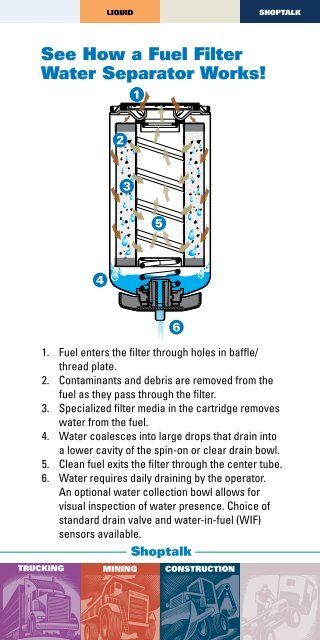
The filter uses a few methods to separate water from fuel. Fuel enters the filter and passes through the filter element. Water, which is heavier, drops down into the collection bowl. The filter material also helps water droplets combine, making them easier to separate. Clean fuel then flows out for use in the engine.
How Water Separation Happens
Water separation in a fuel filter is vital for engine health. Water in fuel can cause rust, damage, and poor engine performance. A water separating fuel filter removes water before fuel reaches the engine. This process keeps the fuel clean and protects engine parts.
Fuel Flow Process
Fuel enters the filter under pressure. It flows through a fine filter element. The filter traps dirt and debris. Water, being heavier than fuel, falls to the bottom. This separation happens because water and fuel do not mix well. The filter design guides fuel upward while water settles down. Clean fuel moves on to the engine.
Water Collection And Drainage
Water collects at the bottom of the filter housing. A clear bowl or reservoir holds this water. Some filters have a manual drain valve. This valve allows draining of collected water. Others have an automatic drain system. Draining prevents water from mixing back into the fuel. Regular draining keeps the filter effective and the engine safe.
Benefits Of Using Water Separating Filters
Water separating fuel filters offer key advantages for engines and fuel systems. They remove water from fuel, which protects engine parts and improves performance. These filters help maintain engine health and save money by reducing damage and wear. Clean fuel means the engine runs smoother and lasts longer.
Engine Protection
Water in fuel can cause serious engine damage. It leads to rust and corrosion inside the engine. Water separating filters trap and remove water before it reaches the engine. This prevents rust and keeps engine parts safe. Cleaner fuel also reduces the chance of engine failure. Overall, these filters help the engine run reliably and last longer.
Fuel Efficiency
Water in fuel lowers the energy content and causes poor combustion. This reduces fuel efficiency and increases fuel use. Water separating filters ensure only clean fuel reaches the engine. Clean fuel burns better and produces more power. Engines using these filters consume less fuel and emit fewer pollutants. This saves money and supports better engine performance.
Maintenance And Replacement Tips
Maintaining and replacing a water separating fuel filter is key to keeping your engine safe. A clean filter stops water and dirt from damaging fuel parts. Regular care helps your vehicle run smoothly and last longer.
Knowing how to spot issues and handle the filter properly saves time and money. Follow these tips to keep your filter working well and avoid engine problems.
Signs Of Filter Wear
Look for slow engine start or rough running. These can mean the filter is clogged. Check for water in the fuel bowl, which shows the filter is full. Dark or dirty filter media also signals replacement time. Strange noises or loss of power can point to filter trouble. Watch these signs and change the filter before damage occurs.
Proper Handling Procedures
Always turn off the engine before working on the filter. Use clean tools and keep the area tidy to avoid dirt entering the fuel system. Remove the filter carefully to prevent spills. Dispose of old filters properly to protect the environment. Install the new filter firmly but do not overtighten. Prime the system if needed to remove air bubbles. Follow the manufacturer’s instructions for best results.
Common Problems And Troubleshooting
Water separating fuel filters are vital for engine health. They keep water and dirt out of the fuel system. Despite their design, problems can happen. Knowing common issues helps fix them fast. This saves time and avoids engine damage.
Clogging Issues
Fuel filters can clog from dirt and debris. Clogs reduce fuel flow and hurt engine power. Signs include rough idling and poor acceleration. Regular filter checks prevent clogging problems. Replace the filter if it looks dirty or blocked. Clean fuel tanks also reduce clog risks.
Water Drain Failures
Water drain systems remove trapped water from the filter. If the drain fails, water stays in the fuel system. This causes engine misfires and corrosion. Drain the water regularly to keep the system working. Check the drain valve for damage or blockages. Fix or replace faulty parts quickly.
Choosing The Right Filter
Choosing the right water separating fuel filter is key to protecting your engine. Not every filter fits all fuel systems or vehicles. Picking the correct one ensures clean fuel and prevents damage.
Several factors affect your choice. Focus on compatibility and quality to find a filter that works well and lasts long.
Compatibility Factors
Check the filter’s size and shape to match your fuel system. Look for filters that fit your vehicle’s make and model. Some filters only work with certain fuel types like diesel or gasoline.
Pay attention to the filter’s flow rate. It must handle your engine’s fuel needs without slowing down. Also, confirm it can separate water efficiently for your specific fuel system.
Brand And Quality Considerations
Choose filters from trusted brands. Reputable brands usually use better materials and have stricter quality control. This means the filter lasts longer and works better.
Look for filters with good reviews and warranties. Avoid cheap, unknown brands that may fail early. Investing in a quality filter saves money on repairs later.

Credit: www.marineenginedigest.com
Frequently Asked Questions
What Is A Water Separating Fuel Filter?
A water separating fuel filter removes water from fuel to protect the engine. It ensures clean fuel reaches the engine, preventing damage and improving performance.
How Does A Water Separating Fuel Filter Work?
It uses a filter element and a water collection chamber. Fuel passes through, water separates and settles at the bottom, while clean fuel moves on.
Why Is Water Removal Important In Fuel Filters?
Water in fuel causes corrosion, poor combustion, and engine damage. Removing water improves fuel efficiency and extends engine life.
Can A Water Separating Fuel Filter Improve Engine Performance?
Yes, by delivering clean fuel without water, it prevents engine misfires and power loss, enhancing overall performance and reliability.
Conclusion
A water separating fuel filter keeps engines safe and running well. It removes water from fuel, stopping damage and corrosion. Clean fuel means better engine performance and longer life. Regular filter checks help avoid costly repairs. Understanding how this filter works makes maintenance easier.
Protect your engine by using and maintaining this filter properly. Simple steps lead to reliable engine power every time.


