

Have you ever wondered what happens when water sneaks into your fuel system? Even a small amount of water can cause big problems for your engine.
That’s where an inline fuel filter comes in. But how does this simple device actually separate water from your fuel? Understanding this can help you protect your engine and keep your vehicle running smoothly. Keep reading to discover the clever way an inline fuel filter works to keep water out of your fuel system—and why it matters for your ride.
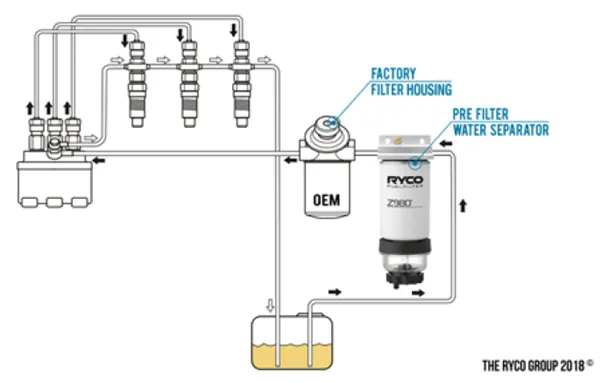
Credit: rycofilters.com.au
Function Of Inline Fuel Filters
Inline fuel filters play a key role in keeping engines clean and running well. They remove dirt and water from fuel before it reaches the engine. Water in fuel can cause serious problems. The filter separates water to protect the engine and improve performance.
Role In Fuel Systems
Inline fuel filters sit directly in the fuel line. They catch dirt, rust, and other particles. These particles can clog fuel injectors or damage engine parts. The filter also removes water that mixes with fuel. Clean fuel helps the engine burn fuel better. This leads to smoother running and less wear.
Importance Of Water Separation
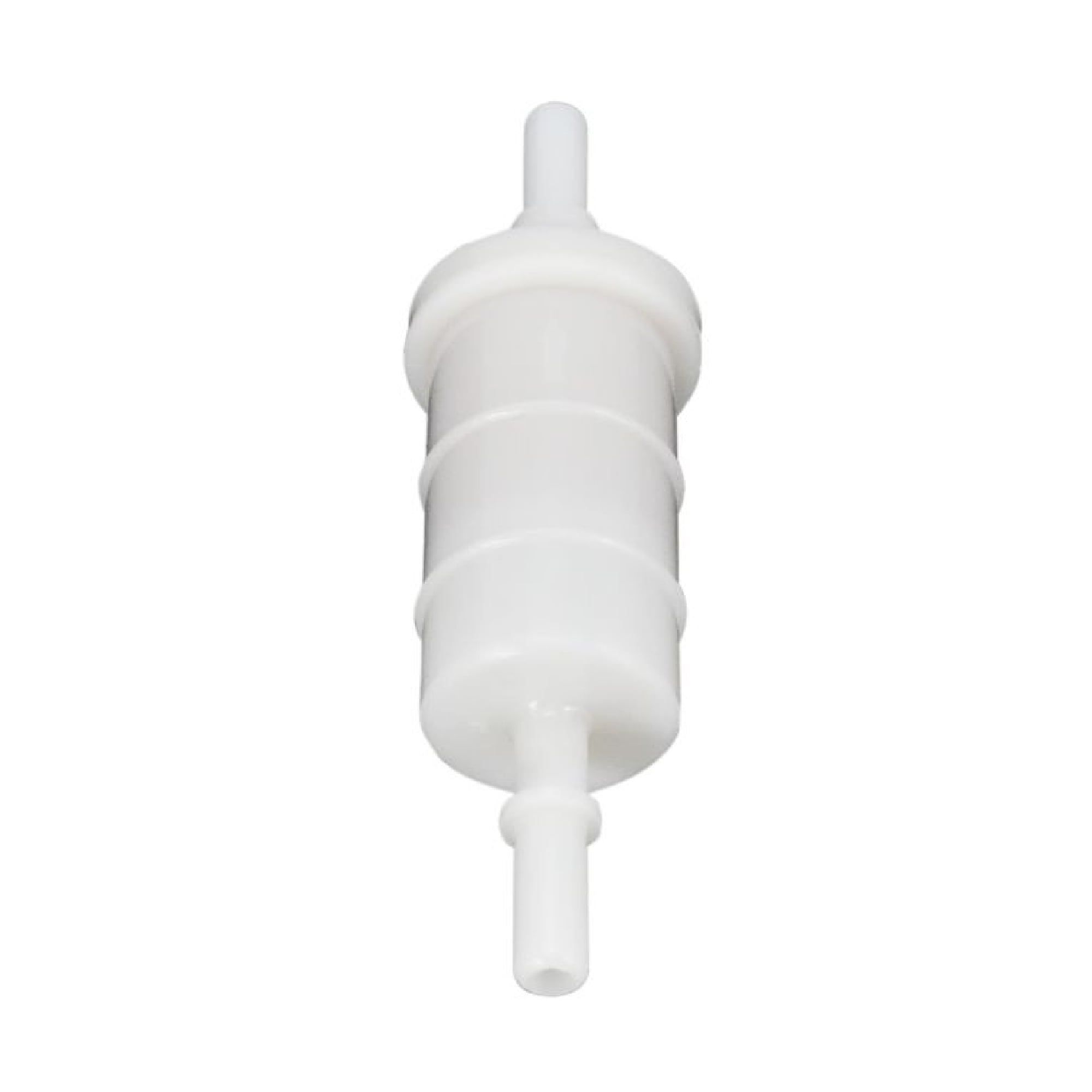
Water in fuel harms engine parts and reduces power. It can cause rust inside the fuel system. Water also stops fuel from burning properly. Inline filters use special materials to trap water. The water then settles at the bottom of the filter. This keeps water away from the engine. Removing water protects the engine and extends its life.
Credit: insektum.com
Sources Of Water In Fuel
Water in fuel causes many problems. It can damage engines and reduce performance. Understanding where water comes from helps prevent these issues. Fuel can get contaminated at different points. Two common sources are condensation and storage.
Condensation Issues
Water forms inside fuel tanks from condensation. When warm air meets cold fuel, moisture collects. This is common in places with changing temperatures. Small water droplets mix with fuel. Over time, this water settles at the tank bottom. It then moves into the fuel system.
Contamination During Storage
Water can enter fuel during storage. Rain or humidity may leak into storage tanks. Poorly sealed containers allow moisture inside. Long storage times increase water buildup. Dirt and water often come together. This combination worsens fuel quality and engine risk.
Design Features For Water Separation
Design features in inline fuel filters play a key role in separating water from fuel. Water in fuel can damage engines and reduce performance. Filters use special materials and structures to remove water effectively. These features help keep fuel clean and protect engine parts.
Filter Media Materials
The filter media captures dirt and separates water from fuel. It is made from materials that repel water but trap fuel particles. Common materials include cellulose, synthetic fibers, and specially treated paper. These materials allow fuel to pass but hold water droplets. This process stops water from reaching the engine.
Water Separation Chambers
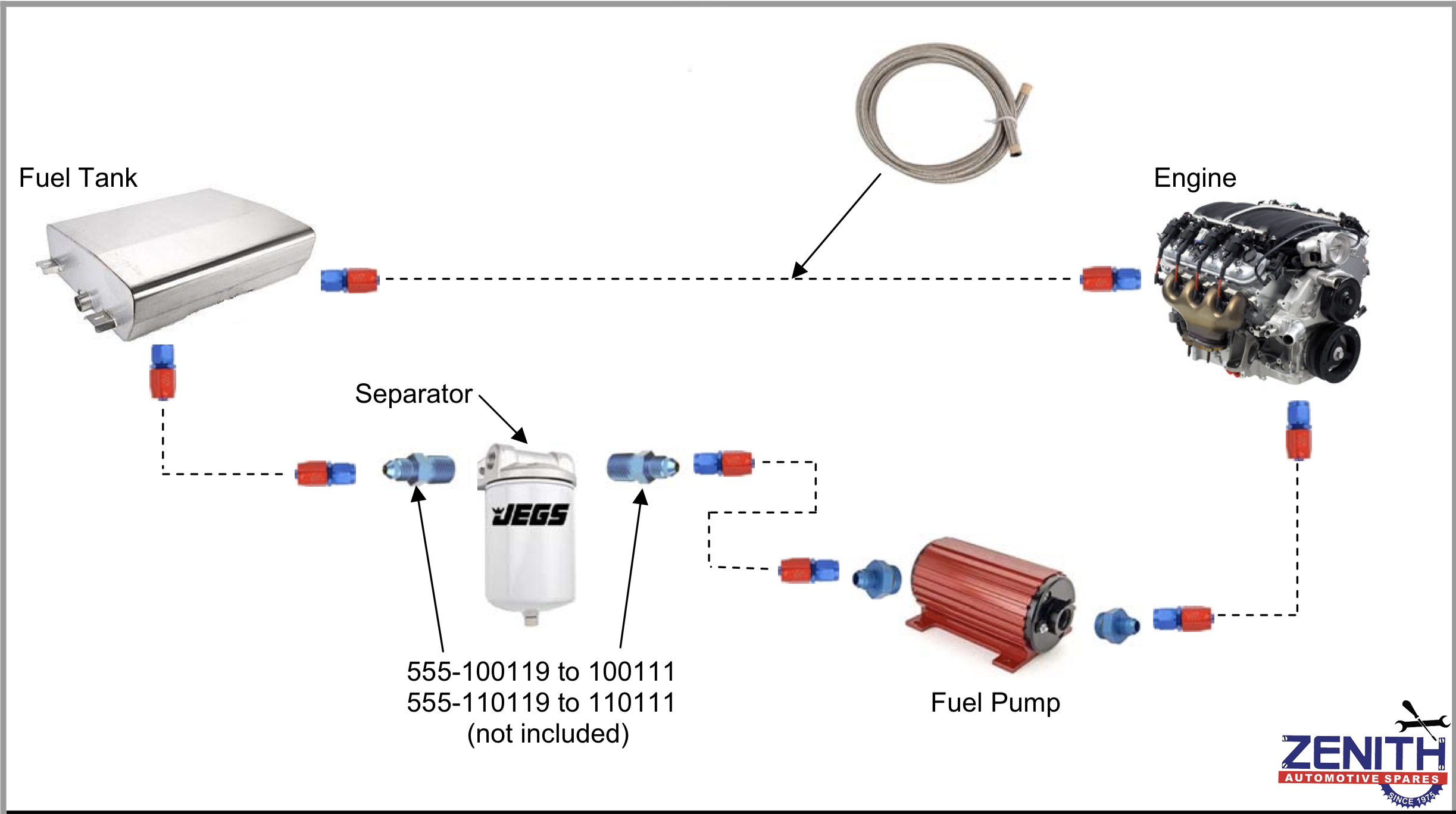
Water separation chambers collect and hold water inside the filter. These chambers use gravity and flow design to separate water from fuel. Water droplets settle at the bottom while clean fuel moves forward. Some filters have transparent chambers to show water levels. This design makes it easy to know when the filter needs draining or replacement.
Credit: www.zenithfilters.com
Mechanisms Of Water Removal
Inline fuel filters play a key role in keeping engines safe from water contamination. Water in fuel can cause rust, poor engine performance, and damage. Understanding how these filters remove water helps us see their importance.
Fuel filters use specific methods to separate water from fuel. These methods rely on physical and chemical properties of water and fuel. The main mechanisms include hydrophobic filtering and the effects of gravity and centrifugal forces.
Hydrophobic Filtering
Hydrophobic filtering uses materials that repel water. The filter media allows fuel to pass but blocks water droplets. Water beads up on the filter surface and cannot move through.
This process traps water inside the filter. Fuel flows freely, clean and dry. Hydrophobic filters stop water from reaching the engine.
Gravity And Centrifugal Effects
Gravity helps by pulling water down and away from the fuel. Water is heavier than fuel, so it settles at the bottom of the filter.
Some filters use centrifugal force. As fuel spins inside, heavier water moves outward and separates from the fuel. This force pushes water away from the fuel flow.
Both gravity and centrifugal forces collect water in a separate chamber. This water can then be drained or trapped safely.
Indicators Of Water Presence
Detecting water in fuel is vital for engine health. Water can cause rust, corrosion, and poor engine performance. Inline fuel filters help remove water, but knowing when water is present is key. Signs of water in the filter indicate it’s time for maintenance or replacement.
Visual Inspection
Visual checks are the simplest way to spot water. Many inline fuel filters have a clear bowl at the bottom. This bowl collects water, which is heavier than fuel. Water appears as a separate layer under the fuel. Look for cloudy or dark liquid in the bowl. Clear fuel with a separate water layer means water is trapped in the filter. Regular visual inspection helps catch water early.
Water Sensor Integration
Some filters include water sensors for quick detection. These sensors trigger a warning light on the dashboard. The sensor detects water because it conducts electricity differently than fuel. When water reaches the sensor, it sends a signal to alert the driver. This technology reduces manual checks and helps prevent engine damage. Water sensors improve safety and filter maintenance timing.
Maintenance And Replacement Tips
Maintaining your inline fuel filter is key to keeping your engine safe from water and contaminants. Regular care prevents damage and ensures smooth fuel flow. Knowing when to check and replace the filter saves time and money.
Water can harm your engine parts, so the filter must work well. Dirt and debris also clog the filter over time. Watching for signs of trouble helps you act before problems start. Follow the right steps to keep your filter clean and effective.
Signs Of Filter Clogging
Watch for slow engine start or weak performance. Engine may sputter or lose power during use. Fuel odors inside the vehicle can mean leaks or blockages. Notice unusual noises from the fuel pump or engine. These signs suggest the filter is clogged and needs attention.
Recommended Replacement Intervals
Replace the inline fuel filter every 12,000 to 15,000 miles. Check your vehicle manual for exact guidance. In wet or dusty areas, replace more often to avoid water and dirt buildup. Regular replacement keeps the fuel system clean and protects engine parts. Don’t wait for problems; change the filter on time.
Benefits Of Effective Water Separation
Effective water separation in fuel filters offers many important benefits. It protects the engine from damage and helps the engine run better. Clean fuel means less trouble and more power. Water in fuel can cause serious problems. Removing water keeps the fuel system safe and efficient.
Engine Protection
Water in fuel can cause corrosion in the engine parts. It damages fuel injectors and reduces engine life. An inline fuel filter removes water before it reaches the engine. This prevents rust and wear inside the engine. Engine parts stay cleaner and last longer. The filter also stops water from causing poor combustion. The engine runs smoothly and avoids costly repairs.
Improved Fuel Efficiency
Water in fuel lowers the engine’s power and efficiency. It causes incomplete fuel burning and wastes energy. Removing water helps the engine burn fuel fully. The engine uses fuel better, saving money on fuel costs. Fuel filters that separate water improve overall engine performance. Drivers get more miles from each tank of fuel. This keeps the engine running with less effort.
Frequently Asked Questions
How Does An Inline Fuel Filter Remove Water?
An inline fuel filter traps water using a special water-absorbing media. This media separates water from fuel by density differences. Water droplets collect inside the filter, preventing engine damage and fuel contamination. The filter ensures only clean fuel reaches the engine, improving performance and longevity.
Why Is Water Separation Important In Fuel Filters?
Water in fuel causes corrosion, poor combustion, and engine damage. Separating water prevents these issues by keeping fuel clean and dry. Inline filters protect fuel injectors and pumps from water-related failures. This improves engine efficiency, reduces repairs, and extends vehicle life.
How Often Should Inline Fuel Filters Be Replaced?
Inline fuel filters should be replaced every 10,000 to 15,000 miles or as recommended by manufacturers. Frequent replacement ensures effective water separation and fuel cleanliness. Neglecting filter changes can lead to clogged filters and engine problems.
Can Inline Fuel Filters Handle All Types Of Water Contamination?
Inline fuel filters primarily separate free water, but dissolved water may pass through. They are designed to remove visible water droplets and sediment. For heavy contamination or emulsified water, additional water separators or treatment may be required.
Conclusion
An inline fuel filter keeps engines safe by removing water from fuel. It traps water droplets and stops them from entering the engine. This helps prevent damage and keeps the engine running smoothly. Regularly checking and replacing the filter is important for good performance.
Clean fuel means better engine life and fewer problems. Understanding how this filter works helps you care for your vehicle better. Simple steps can protect your engine from water contamination. Keep your fuel clean and your engine strong.


