Have you ever wondered if your car’s fuel filter needs changing but didn’t know how to tell? Ignoring this small but vital part can lead to bigger problems and costly repairs.
Knowing the signs early can save you time, money, and keep your engine running smoothly. You’ll discover simple ways to check your fuel filter and learn exactly when it’s time for a change. Keep reading to protect your vehicle and avoid unexpected breakdowns.
Credit: www.jiffylube.com
Fuel Filter Basics
The fuel filter is a small but important part of your car. It cleans the fuel before it reaches the engine. Dirt, rust, and other particles can enter the fuel tank. These particles can harm the engine if not filtered out. The fuel filter stops these impurities from causing damage.
A clean fuel filter helps the engine run smoothly. It makes sure the fuel flows easily. If the filter is dirty, the engine may not get enough fuel. This can cause problems like rough idling or poor acceleration.
Role In Engine Performance
The fuel filter protects the engine by keeping fuel clean. It prevents clogging in fuel injectors and carburetors. This helps maintain good engine power. A bad fuel filter can cause engine misfires or stalling. It also helps improve fuel efficiency and lowers emissions.
Common Fuel Filter Types
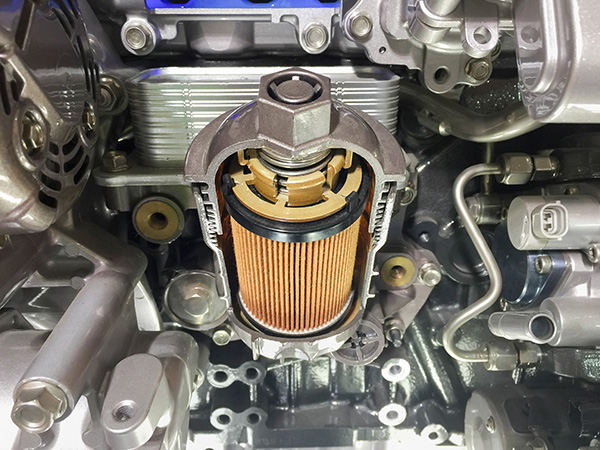
There are two main fuel filter types: inline and cartridge. Inline filters are placed along the fuel line. They are easy to replace and common in many cars. Cartridge filters fit inside a housing and last longer. Some cars have fuel filters inside the fuel tank, known as in-tank filters.
Each type works to keep fuel clean. The choice depends on the car model and engine design.
Symptoms Of A Clogged Fuel Filter
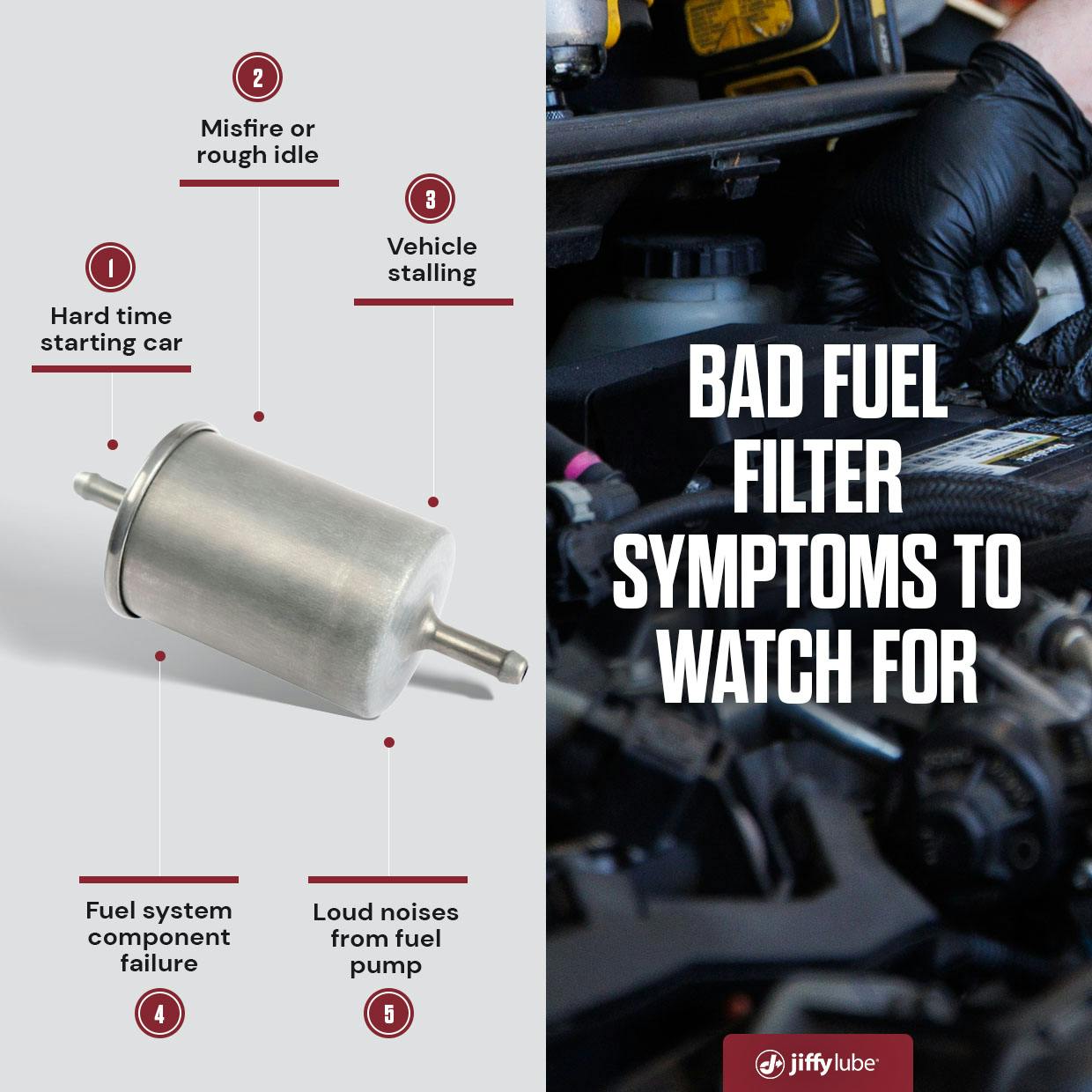
A clogged fuel filter can cause several problems in your vehicle. It blocks the flow of fuel to the engine. This affects how the engine runs and can lead to poor performance. Recognizing the symptoms helps you fix the issue early. This saves you from costly repairs and keeps your car running smoothly.
Engine Misfires And Hesitation
The engine may misfire or hesitate during acceleration. This happens because the fuel supply is uneven. The clogged filter stops enough fuel from reaching the engine. You might feel a jerk or a pause when pressing the gas pedal. This is a clear sign of fuel flow problems.
Reduced Fuel Efficiency
Your car may use more fuel than usual. A blocked fuel filter makes the engine work harder. It burns fuel less efficiently. This leads to frequent visits to the gas station. Noticing a drop in miles per gallon can hint at a clogged filter.
Difficulty Starting The Engine
Starting the engine might take longer than normal. The fuel filter restricts fuel flow to the engine. Without enough fuel, the engine struggles to start. You may need to turn the key several times. This symptom shows the fuel system is under stress.
Unusual Engine Noises
The engine may produce strange sounds. You might hear sputtering or knocking noises. These noises come from poor fuel delivery. The engine tries to run with less fuel than needed. This can damage engine parts if left unchecked.
Visual And Physical Signs
Fuel filters keep your engine clean by blocking dirt and debris. Over time, these filters wear out and need replacement. Visual and physical signs help you spot a bad fuel filter early. These signs protect your engine from damage and keep your car running smoothly.
Inspecting The Fuel Filter
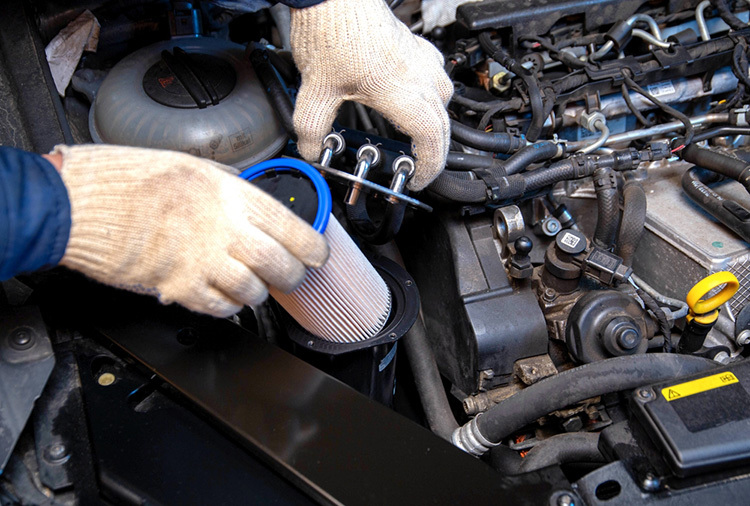
Check the fuel filter for cracks or damage on the outside. A dirty or clogged filter often looks dark or rusty. Feel the filter for hardness or brittleness. A good filter should be firm but not too stiff. Look for leaks or wet spots around the filter. These signs mean the filter may not work well anymore.
Fuel Contamination Indicators
Look for dirt or sludge in the fuel filter. Contaminated fuel can cause dark spots or clumps on the filter surface. Smell the fuel near the filter; a bad odor can mean contamination. Fuel that looks cloudy or has particles needs a filter change. These signs show the filter is full and blocking fuel flow.
Credit: monroenissanservice.com
Impact On Vehicle Performance
The fuel filter plays a key role in keeping your engine clean and running smoothly. It stops dirt and debris from reaching the engine. A clogged or old fuel filter can hurt your vehicle’s performance in many ways. Noticing these signs early can save you from costly repairs and keep your car safe on the road.
Acceleration Issues
A dirty fuel filter limits fuel flow to the engine. This causes slow or weak acceleration. Your car might lag or hesitate when you press the gas pedal. It feels like the engine is struggling to get power. These signs show your fuel filter needs checking.
Stalling And Engine Shutdown
Fuel blockage can cause the engine to stall. Your car might stop suddenly while driving or idling. This happens because the engine is not getting enough fuel. Stalling is dangerous and means the fuel filter could be clogged.
Check Engine Light Activation
The check engine light may turn on due to fuel filter problems. Sensors detect poor engine performance and alert you. This light warns of issues that need immediate attention. A failing fuel filter is one common cause of this warning.
Fuel Filter Replacement Guidelines
Knowing when to change your fuel filter is key to keeping your engine healthy. Following clear guidelines helps you avoid costly repairs. Fuel filter replacement keeps dirt and debris from entering the engine. This protects fuel injectors and improves fuel flow.
Changing the fuel filter regularly also keeps your car running smoothly. Understanding the right time and method for replacement saves time and money.
Manufacturer Recommendations
Car makers give specific advice on fuel filter changes. Check your vehicle’s owner manual for exact intervals. Most suggest changing the fuel filter every 20,000 to 40,000 miles. Some newer cars have filters that last longer or are built into the fuel pump. Follow these guidelines closely to prevent engine problems. Ignoring manufacturer advice can cause poor engine performance and costly damage.
Diy Vs Professional Service
Changing a fuel filter yourself can save money. Basic tools and some mechanical skill are needed. Make sure you have the right filter for your car. Safety is important—fuel is flammable and leaks must be avoided. If unsure, a professional mechanic is the safer choice. Professionals have the right tools and experience. They can also check for other fuel system issues. Choosing between DIY and professional service depends on your skill and confidence. Either way, timely replacement is crucial for your vehicle’s health.
Credit: www.spacecenterautomotive.com
Preventive Maintenance Tips
Preventive maintenance helps keep your fuel system clean and your engine running smoothly. Small steps can stop big problems. Checking and caring for your fuel filter is part of this process. Simple habits extend the life of your vehicle and save money on repairs.
Focus on two main areas to protect your fuel filter and engine.
Using Quality Fuel
Choose fuel from trusted stations. Low-quality fuel contains dirt and water. These can clog the fuel filter quickly. Clean fuel helps the filter work well. It also keeps the engine parts safe. Always fill up at stations that maintain clean tanks.
Regular Vehicle Checkups
Take your vehicle for checkups often. Mechanics can spot early signs of fuel filter problems. They check fuel flow and engine performance. Regular checks prevent sudden breakdowns. Replace the fuel filter as recommended in your car’s manual. Timely changes keep fuel clean and your engine healthy.
Frequently Asked Questions
How Do I Know If My Fuel Filter Is Clogged?
A clogged fuel filter causes engine misfires, poor acceleration, and rough idling. Check for these signs along with difficulty starting the car.
What Are Common Symptoms Of A Bad Fuel Filter?
Symptoms include engine hesitation, stalling, reduced fuel efficiency, and unusual engine noises. Regular inspection helps catch these early.
How Often Should A Fuel Filter Be Replaced?
Typically, replace the fuel filter every 20,000 to 40,000 miles. Check your vehicle’s manual for specific recommendations.
Can A Dirty Fuel Filter Damage My Engine?
Yes, a dirty fuel filter restricts fuel flow, causing engine strain and potential damage over time.
Conclusion
A clean fuel filter keeps your engine running smooth. Watch for slow starts, rough idling, or poor fuel flow. These signs often mean the filter needs change. Changing it on time avoids costly repairs. Regular checks help your car stay healthy and efficient.
Don’t wait for serious problems to appear. Stay alert and keep your vehicle in top shape. Simple steps make a big difference in car care.