

Have you ever wondered what keeps your engine running smoothly every time you turn the key? One small part plays a huge role in protecting your vehicle’s fuel system: the inline fuel filter.
Understanding how this tiny component works can save you from costly repairs and keep your ride performing at its best. You’ll discover exactly how an inline fuel filter works and why it’s so important for your vehicle’s health. Keep reading to learn how this simple device guards your engine and what signs to watch for when it needs attention.
Credit: www.howacarworks.com
Fuel Filter Basics
Fuel filters play a vital role in keeping engines running smoothly. They clean the fuel before it reaches the engine. Without them, dirt and debris can cause serious damage. Understanding the basics of fuel filters helps to appreciate their importance in vehicle maintenance.
Role In Fuel Systems
Fuel filters protect the engine by removing impurities from the fuel. They trap dirt, rust, and other particles. This prevents clogging in fuel injectors and carburetors. Clean fuel ensures the engine runs efficiently and lasts longer.
Types Of Fuel Filters
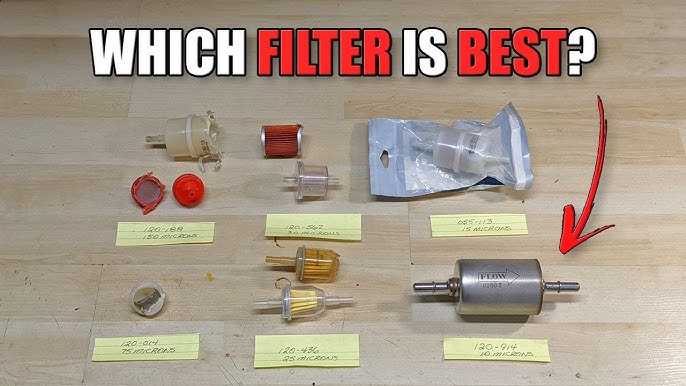
There are several types of fuel filters used in vehicles. Inline filters are installed along the fuel line. Canister filters have a metal or plastic casing. Cartridge filters fit inside a housing and are easy to replace. Each type has a specific use depending on the vehicle.
Importance Of Clean Fuel
Clean fuel is essential for good engine performance. Contaminated fuel can cause poor combustion and reduce power. It may also increase fuel consumption and emissions. Regularly changing the fuel filter keeps the fuel clean and the engine healthy.
Inline Fuel Filter Design
The design of an inline fuel filter plays a key role in keeping your engine safe. It removes dirt and rust from the fuel before it reaches the engine. This section explains the main parts of the inline fuel filter and how they work together. Understanding the design helps you see why regular filter checks matter.
Filter Material And Structure
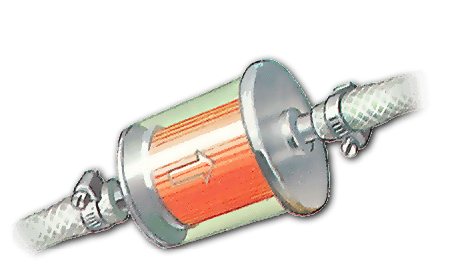
The filter uses special paper or synthetic fibers. These materials catch tiny dirt particles. The filter is shaped like a small cylinder or rectangle. It fits inside a metal or plastic case. The structure supports the filter and stops it from breaking.
Placement In Fuel Line
The filter sits inside the fuel line between the tank and engine. This spot stops dirty fuel from reaching the engine parts. It is easy to reach for cleaning or replacement. Proper placement ensures fuel flows smoothly and stays clean.
Flow Direction And Sealing
The fuel enters the filter in one direction and exits clean. Arrows on the filter show the correct flow direction. A good seal stops fuel leaks and keeps dirt out. Sealing rings or gaskets hold the filter tight in place.
Filtration Process
The filtration process in an inline fuel filter cleans the fuel before it reaches the engine. It removes dirt, rust, and other particles that can harm the engine. Clean fuel helps the engine run smoothly and last longer. This process happens inside the filter as fuel flows through it.
Capturing Contaminants
The filter uses a special material to trap contaminants. As fuel passes through, dirt and debris stick to the filter’s surface. This stops harmful particles from moving further. The filter catches even tiny bits that are invisible to the eye. This protects the engine’s delicate parts from damage.
Particle Size And Filtration Efficiency
Filters work best when they trap very small particles. Most inline fuel filters catch particles as small as 10 to 20 microns. This size is enough to block most dirt and rust. A filter with high efficiency removes more particles, keeping fuel cleaner. Clean fuel means better engine performance and fewer repairs.
Handling Water And Sediment
Water can damage the engine and reduce fuel quality. Some filters have layers that separate water from the fuel. The heavier water settles at the bottom of the filter. Sediment, like rust and dirt, also collects there. This keeps the fuel dry and clean, protecting the engine from corrosion and wear.
Signs Of A Clogged Fuel Filter
A clogged fuel filter can cause many problems in your vehicle. It blocks fuel flow, making the engine work harder. Knowing the signs helps you fix issues early. This keeps your engine healthy and saves money on repairs.
Engine Performance Issues
The engine may run rough or stall. You might notice a loss of power during driving. The vehicle can hesitate or sputter while accelerating. These problems happen because the engine gets less fuel than it needs.
Fuel Pressure Drop
Low fuel pressure affects how your engine runs. A clogged filter reduces pressure in the fuel line. This can cause the engine to misfire or run unevenly. Checking fuel pressure helps spot a bad filter quickly.
Starting Difficulties
The car may take longer to start or fail to start. This happens because fuel flow is limited. A clogged filter stops fuel from reaching the engine. Replacing the filter often solves starting problems.
Maintenance And Replacement
Maintaining and replacing an inline fuel filter keeps your vehicle running smoothly. Dirt and debris can block the filter, causing poor engine performance. Regular care ensures clean fuel reaches the engine, protecting vital parts.
Proper maintenance saves money and prevents breakdowns. Knowing when and how to replace the filter is key. Choosing the right filter helps maintain fuel efficiency and engine health.
Recommended Intervals
Most manufacturers suggest changing the inline fuel filter every 20,000 to 30,000 miles. Check your vehicle’s manual for specific intervals. Driving in dusty or rough conditions may require more frequent changes. Regular checks help spot clogged filters early.
Replacement Steps
Start by turning off the engine and relieving fuel pressure. Locate the inline fuel filter along the fuel line. Use appropriate tools to disconnect the fuel lines from the filter. Remove the old filter carefully to avoid fuel spills. Install the new filter in the correct direction. Reattach the fuel lines and tighten clamps securely. Finally, start the engine to check for leaks and proper flow.
Choosing The Right Filter
Select a fuel filter that matches your vehicle’s make and model. Look for filters with quality materials and good reviews. Avoid cheap filters that may clog quickly or fail early. OEM filters often provide the best fit and performance. Proper filter choice ensures better fuel flow and engine protection.

Credit: www.youtube.com
Benefits Of A Clean Inline Fuel Filter
A clean inline fuel filter plays a key role in keeping your vehicle’s engine healthy. It stops dirt and debris from reaching the engine. This helps the engine work smoothly and last longer.
Fuel filters catch small particles that can damage engine parts. When the filter is clean, fuel flows easily and the engine runs better. It also helps lower harmful gases released by the car.
Improved Engine Longevity
Clean fuel filters protect engine parts from dirt and rust. This reduces wear and tear inside the engine. The engine runs without strain and lasts longer. Changing the fuel filter regularly keeps the engine safe.
Better Fuel Efficiency
Fuel flows freely through a clean filter. The engine burns fuel more completely. This saves fuel and reduces waste. Good fuel flow helps the car use less gas and perform well.
Reduced Emissions
A clean filter helps the engine burn fuel cleaner. This lowers smoke and harmful gases from the exhaust. Reduced emissions mean less pollution and a healthier environment. It also helps the car pass emission tests easily.
Common Problems And Troubleshooting
Inline fuel filters play a key role in keeping your engine clean and running well. They stop dirt and debris from reaching the fuel system. Problems with these filters can cause engine issues and reduce fuel efficiency. Knowing common problems and how to fix them helps maintain your vehicle’s performance.
Leaks And Cracks
Leaks and cracks in the fuel filter or its connections are common problems. These allow fuel to escape, causing poor engine performance or even fire risks. Check the filter body and hoses for visible damage. Replace any damaged parts immediately. Use clamps to secure hoses tightly and prevent leaks.
Improper Installation
Installing the fuel filter wrong can block fuel flow. Filters have an arrow showing the fuel direction. Installing it backward stops fuel from reaching the engine. Make sure to follow the arrow direction carefully. Tighten all fittings but avoid over-tightening, which can cause damage.
Filter Compatibility Issues
Using the wrong fuel filter can cause serious issues. Filters vary by size, flow rate, and material. A filter not designed for your vehicle may clog too fast or not fit correctly. Always check the vehicle’s manual for the recommended filter type. Using the right filter ensures smooth fuel flow and engine safety.
Credit: www.youtube.com
Frequently Asked Questions
What Is The Main Purpose Of An Inline Fuel Filter?
An inline fuel filter removes dirt and debris from fuel before it reaches the engine. This protects engine components and improves performance. It ensures clean fuel flow, preventing clogging and damage.
How Does An Inline Fuel Filter Trap Contaminants?
The filter uses a fine mesh or paper element to capture particles. Fuel passes through this element, which blocks impurities. Clean fuel continues to the engine, ensuring efficient combustion and reduced wear.
Where Is An Inline Fuel Filter Located In A Vehicle?
It is typically positioned along the fuel line between the fuel tank and engine. This placement filters fuel before it reaches sensitive engine parts. Location varies by vehicle model and design.
How Often Should You Replace An Inline Fuel Filter?
Replacement depends on manufacturer recommendations, usually every 20,000 to 40,000 miles. A clogged filter reduces fuel flow and engine efficiency. Regular replacement ensures optimal engine performance and longevity.
Conclusion
An inline fuel filter keeps your engine clean and running smooth. It catches dirt and debris before fuel reaches the engine. This helps prevent damage and improves fuel efficiency. Changing the filter regularly ensures better performance and longer engine life.
Knowing how it works makes maintenance easier and safer. A small part with a big job. Keep it clean, and your vehicle will thank you.

