

Your lawn mower works hard to keep your yard looking great. But did you know that a dirty or clogged fuel filter can slow it down or even stop it from running?
Changing your lawn mower’s fuel filter is a simple step that can save you time, money, and frustration. In this guide, you’ll learn exactly how to change your fuel filter quickly and safely, even if you’re not a mechanic. Keep reading to make sure your mower runs smoothly all season long.
Signs Of A Dirty Fuel Filter
A dirty fuel filter can cause many problems for your lawn mower. It blocks fuel flow and makes the engine work harder. Recognizing signs of a dirty fuel filter helps keep your mower running smoothly. Watch for these common symptoms to know when to check or change the filter.
Engine Struggles To Start
The mower takes longer to start than usual. You may need to try several times. The engine may sputter or stall right after starting. This happens because the fuel filter blocks fuel flow.
Poor Engine Performance
The mower runs unevenly or loses power. It may hesitate or jerk while mowing. A clogged fuel filter restricts fuel to the engine. The mower cannot run at full strength.
Stalling During Operation
The mower stops suddenly while working. It may restart after waiting a few minutes. Fuel flow cuts off due to the dirty filter. This causes the engine to stall frequently.
Strong Fuel Smell
You notice a strong gasoline smell around the mower. This can mean fuel is leaking or not burning properly. A clogged filter can cause fuel to back up. Check the filter and fuel lines for blockages.
Increased Fuel Consumption
The mower uses more fuel than usual for the same work. A dirty filter makes the engine work harder. It burns more fuel to compensate for poor flow. This raises fuel costs and reduces mower efficiency.
Tools And Materials Needed
Changing a lawn mower fuel filter requires some basic tools and materials. Having these ready makes the job faster and easier. This section lists everything needed to replace the fuel filter properly.
Replacement Fuel Filter
Choose the correct fuel filter for your lawn mower model. Check the owner’s manual or the old filter for size and type. Using the right filter ensures proper fuel flow and engine performance.
Screwdrivers
A flathead or Phillips screwdriver helps remove clamps or covers. These tools are essential for accessing the fuel filter safely. Keep both types handy to match different screws.
Pliers
Pliers grip and remove fuel lines from the filter. Needle-nose pliers work well for tight spaces. They prevent damage to fuel hoses during removal.
Rags Or Paper Towels
Clean up any spilled fuel quickly. Rags or paper towels keep your work area neat and safe. Fuel can be messy, so have these ready before starting.
Container For Fuel
Use a small container to catch fuel from the lines. This stops spills and protects the ground. A shallow dish or jar works well for this purpose.
Gloves
Wear gloves to protect your hands from fuel and dirt. Disposable gloves keep your skin clean and safe. They also improve grip on small parts.
Preparing Your Lawn Mower
Preparing your lawn mower is the first step to changing the fuel filter safely. Taking time now helps avoid problems later. It also makes the task easier and faster. Follow these simple steps to get your mower ready.
Preparation ensures the mower is cool and stable. This prevents accidents and damage. You will also locate the fuel filter quickly and handle it carefully.
Safety Precautions
Turn off the mower and remove the key. Let the engine cool completely. Gasoline is flammable and can cause burns. Work in a well-ventilated area to avoid breathing fumes. Wear gloves to protect your hands. Keep a fire extinguisher nearby just in case. Avoid smoking or sparks near the mower.
Locating The Fuel Filter
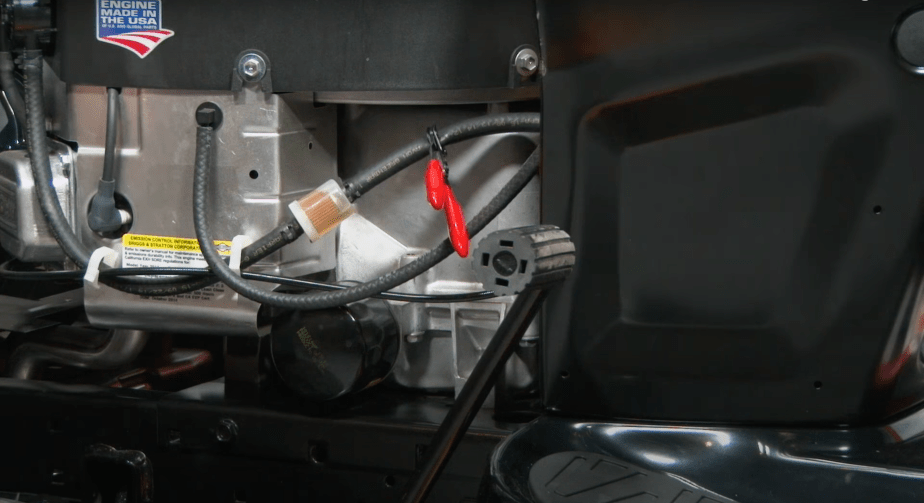
Check your mower’s manual for the exact location. The fuel filter is usually near the fuel tank or carburetor. Look for a small, clear or white plastic part on the fuel line. It may be held by clips or clamps. Make sure you can reach it easily before starting. Knowing its location saves time during the change.

Credit: www.youtube.com
Removing The Old Fuel Filter
Removing the old fuel filter is an important step in maintaining your lawn mower. A clean fuel filter helps the engine run smoothly and prevents clogs. This process involves careful handling to avoid fuel spills and damage to the fuel lines.
Start by making sure the mower is off and cool. Safety first. Have a container or cloth ready to catch any fuel that might leak out. Work in a well-ventilated area to avoid inhaling fumes.
Disconnecting Fuel Lines
Locate the fuel filter, usually found along the fuel line between the tank and the carburetor. Use pliers or your hands to gently squeeze the clamps holding the fuel lines. Slowly pull the fuel lines off the filter. Be ready to catch any dripping fuel. Avoid pulling hard on the lines to prevent damage.
Taking Out The Filter
Once the fuel lines are disconnected, carefully remove the old filter. Check its orientation to install the new one the same way. Dispose of the old filter properly. Keep the area clean to avoid dirt entering the fuel system.
Installing The New Fuel Filter
Installing the new fuel filter is a key step in keeping your lawn mower running smoothly. A clean filter helps the engine get fresh fuel without dirt or debris. This part of the process requires careful handling and attention to detail.
Make sure to work in a well-lit area. Keep all parts organized and ready. Follow the steps below to fit the new filter correctly and reconnect the fuel lines safely.
Positioning The Filter Correctly
Check the arrow on the fuel filter. It shows the direction of fuel flow. Align the arrow to point towards the engine. This ensures fuel moves the right way.
Place the filter in the holder or clamp. Make sure it fits snugly. Avoid forcing the filter. It should sit firmly but not be bent or twisted.
Reconnecting Fuel Lines
Attach the fuel lines to each end of the filter. Push them firmly onto the filter’s ends. Use clamps or clips if needed. These keep the lines from slipping off.
Double-check that the lines are secure. Look for any gaps or loose spots. Tight connections prevent fuel leaks and engine trouble.
Credit: www.motorbiscuit.com
Testing Your Lawn Mower
Testing your lawn mower after changing the fuel filter is crucial. It ensures the mower runs smoothly and safely. This step helps catch any issues before regular use. Follow these simple checks to confirm your mower is ready.
Checking For Leaks
Start by inspecting the fuel lines and filter area. Look closely for any wet spots or fuel drips. Fuel leaks can cause safety hazards and damage the engine. Tighten any loose connections if you spot leaks. Never operate the mower if you find fuel leaking.
Starting The Engine
Next, try starting the lawn mower engine. It may take a few pulls to get it running. Listen for a steady engine sound without sputtering or stalling. A smooth start means the fuel filter is working well. If the engine struggles, check the fuel filter installation again.
Maintenance Tips For Fuel Filters
Fuel filters keep dirt and debris from reaching the engine. Proper care helps the mower run smoothly. Clean fuel filters stop clogs and engine damage.
Regular maintenance saves money and extends mower life. Small steps can prevent big problems. Follow these tips for better fuel filter care.
Check The Fuel Filter Regularly
Look at the fuel filter every season or after 25 hours of use. Dirt buildup means it needs cleaning or replacement. Clear fuel filters keep fuel flowing well.
Use Clean Fuel
Always fill the mower with fresh gasoline. Old or dirty fuel clogs the filter faster. Keep the fuel tank clean to avoid contamination.
Replace The Filter On Time
Change the fuel filter according to the mower’s manual. Usually, every 1-2 seasons is best. A fresh filter improves mower performance and fuel efficiency.
Store Mower Properly
Drain fuel or add a stabilizer before storage. This prevents fuel from turning stale and clogging filters. Store the mower in a dry, cool place.
Clean Around The Filter Area
Remove dirt and grass near the filter before replacing it. This stops dirt from entering the fuel system. Use a soft brush or cloth for cleaning.

Credit: www.ifixit.com
Frequently Asked Questions
How Often Should I Change My Lawn Mower Fuel Filter?
Typically, change the fuel filter every 25 hours of use or once a season. This maintains engine performance and prevents clogging.
What Tools Do I Need To Replace A Fuel Filter?
You generally need a screwdriver, pliers, and a replacement fuel filter. Always consult your mower’s manual for specific tools and instructions.
Can I Clean The Fuel Filter Instead Of Replacing It?
Cleaning is not recommended. A clogged filter reduces fuel flow. Replacing ensures proper engine function and avoids damage.
How Do I Safely Remove The Old Fuel Filter?
Turn off the mower and disconnect the spark plug. Use pliers to remove clamps, then carefully pull off the fuel lines.
Conclusion
Changing your lawn mower fuel filter keeps the engine clean and running well. It stops dirt from clogging the system and helps your mower work longer. Doing this job regularly saves money on repairs. The steps are simple and take little time.
Keep a clean fuel filter to enjoy a smooth mowing experience. Now, your mower is ready for the next job. Easy to do, good for your lawn mower’s life.


