Have you ever wondered why your car’s brakes sometimes feel hot after a long drive? It’s all about how the brake rotor transfers heat to the wheel.
Understanding this process can help you keep your vehicle safer and improve its performance. You’ll discover the simple science behind heat transfer in your braking system and learn why it matters to you every time you hit the road. Keep reading to uncover what’s happening under the surface when your brakes work hard—and how that affects your driving experience.

Credit: www.amazon.com
Brake Rotor Basics
Brake rotors play a key role in stopping your vehicle safely. They work with brake pads to slow down the wheels. When you press the brake pedal, the pads press against the rotors. This contact creates friction, which helps stop the car.
Understanding brake rotors helps you see how heat moves from the brakes to the wheels. This heat transfer is vital for safe driving and brake performance.
Role In Braking System
The brake rotor connects directly to the wheel hub. It spins with the wheel as the car moves. When the brake pads squeeze the rotor, the friction slows the rotor’s spin. This action reduces the wheel’s speed and stops the vehicle.
Rotors must handle a lot of heat from friction. They help spread this heat out to avoid brake failure. Without rotors, the braking system would not work properly.
Material Composition
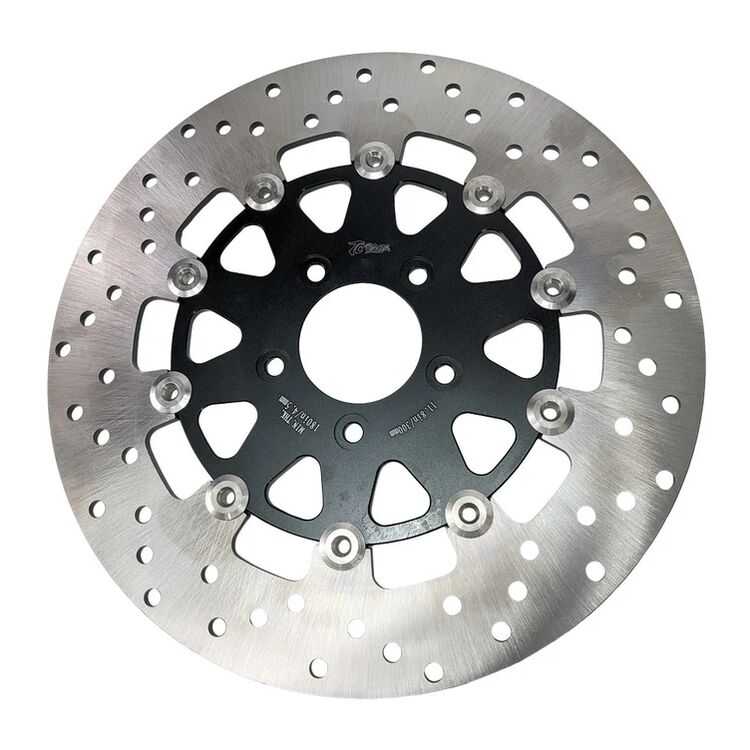
Most brake rotors are made from cast iron. Cast iron handles heat well and is strong. Some rotors use steel or carbon composites for better performance.
The material affects how heat moves from the rotor to the wheel. Good heat transfer means safer brakes. Rotors must balance strength, heat resistance, and cost.
Credit: www.revzilla.com
Heat Generation During Braking
When you press the brake pedal, the car slows down. This happens because the brake system changes movement energy into heat. This heat is made by the brake rotor and pads working together. Understanding how this heat forms helps explain how brakes keep the car safe and under control.
Heat is a key part of braking. It shows how the energy from the moving car changes. This heat must move away from the rotor to stop damage and keep brakes working well. Let’s see how this heat gets made during braking.
Friction And Energy Conversion
The brake rotor and pads rub against each other. This rubbing creates friction, which slows the wheel down. Friction changes the car’s movement energy into heat energy. The harder the pads press on the rotor, the more heat is made. This process is quick and powerful during braking.
Heat Buildup On Rotor Surface
The heat stays mostly on the rotor’s surface. The rotor is metal, so it heats up fast. This heat spreads out across the rotor but can build up if braking is strong or long. Too much heat can cause problems like warping. The rotor must move this heat to the wheel and air to stay cool.
Heat Transfer Mechanisms
Brake rotors get very hot during braking. This heat must move away quickly. Heat moves through several ways. These ways help protect the wheel and keep brakes working well. Understanding how heat moves helps explain how brakes stay safe and strong.
Conduction Through Rotor
Heat moves inside the rotor by conduction. The metal in the rotor gets hot where the brake pads touch. Heat travels through the metal to cooler parts of the rotor. This spreads the heat evenly. The rotor then passes some heat to the wheel hub it touches.
Convection To Surrounding Air
Heat leaves the rotor by convection. Air flows around the spinning rotor. This air picks up heat from the rotor surface. Moving air carries heat away. The faster the air moves, the more heat it takes. This helps cool the rotor during driving.
Radiation From Rotor Surface
The hot rotor also loses heat by radiation. It sends out infrared energy from its surface. This energy travels through the air to cooler objects nearby. Radiation works even if air is still. It helps lower the rotor’s temperature after braking stops.
Heat Flow To The Wheel
Brake rotors get very hot during braking. This heat moves from the rotor to the wheel. The wheel then spreads the heat into the air. This process helps cool down the braking system. Understanding how heat flows to the wheel is important for safe driving and good brake performance.
The transfer of heat depends on where and how the rotor touches the wheel. Also, the materials between them help carry the heat. These factors decide how fast the heat moves away from the rotor.
Contact Points Between Rotor And Wheel
The brake rotor connects to the wheel at specific spots. These points are usually the hub and the mounting surface. Heat moves through these spots because the rotor and wheel touch directly here. The tight fit helps heat pass quickly. If the contact is loose or dirty, heat flow slows down.
Metal bolts or screws also link the rotor to the wheel. They act like small bridges for heat. The more contact area, the better the heat transfer. Proper installation keeps these points strong and clean.
Thermal Conduction Pathways
Heat travels through solid materials from the rotor to the wheel. This process is called thermal conduction. Metals like steel and aluminum conduct heat well. The rotor and wheel materials form a path for the heat to flow.
Heat moves from the hot rotor surface to the cooler wheel parts. It flows through the hub, bolts, and metal surfaces. Good metal contact and clean surfaces improve conduction. Any gaps or rust block heat and reduce cooling.
Impact Of Heat On Wheel Performance
Brake rotors generate a lot of heat during stopping. This heat moves to the wheel parts. Heat changes how wheels work and last. Understanding these changes helps keep driving safe and smooth.
Heat affects wheel material strength and shape. It also raises safety concerns for drivers. Knowing these effects helps in choosing the right wheels and brakes.
Temperature Effects On Wheel Materials
Heat makes metal expand. Wheels may grow slightly in size. Repeated heating and cooling can weaken metal over time. Some metals lose strength when hot. This can cause cracks or warping. Aluminum wheels often heat faster than steel. High heat can also damage tire rubber near the wheel. This reduces tire life and grip on the road.
Potential Risks And Safety Concerns
Hot wheels increase the chance of brake fade. This means brakes work less well after heavy use. Heat can cause wheel nuts to loosen. Loose nuts may lead to wheel wobble or detachment. Overheated wheels risk tire blowouts. This is dangerous at high speeds. Drivers should check wheels and brakes often. Proper cooling and maintenance reduce these risks.
Design Features To Manage Heat
Brake rotors generate a lot of heat when slowing down a vehicle. Managing this heat is crucial for safety and performance. Engineers design rotors with special features to move heat away quickly. This helps keep the brakes cool and working well.
These features improve heat transfer from the rotor to the wheel. They also prevent damage from overheating. Understanding these design elements reveals how rotors stay effective under stress.
Ventilated Rotors
Ventilated rotors have air channels between two metal discs. These channels let air flow through the rotor. The moving air carries heat away from the rotor surface. This design cools the rotor faster than solid discs.
It reduces the chance of brake fade during long drives. Ventilated rotors help keep braking power consistent. They work well in cars that stop often or carry heavy loads.
Heat-resistant Coatings
Heat-resistant coatings cover the rotor surface. These coatings protect the metal from extreme heat. They help spread heat evenly across the rotor. This prevents hot spots that can cause warping or cracks.
Some coatings also reduce rust and corrosion. This extends the rotor’s lifespan. Heat-resistant coatings improve heat transfer and maintain brake efficiency.
Tips To Minimize Excessive Heat Transfer
Heat transfer from brake rotors to wheels can cause damage and reduce performance. Excessive heat leads to warped rotors and worn-out parts. Controlling this heat is important for safety and vehicle health.
Simple steps help keep heat levels in check. These tips focus on how you drive and how well you maintain brakes. Both affect how much heat moves from rotors to wheels.
Driving Habits
Drive smoothly to reduce sudden braking. Hard stops create more heat in brake rotors. Use engine braking on downhill slopes to ease brake use. Avoid riding the brakes; it raises rotor temperature quickly. Keep a safe distance to prevent frequent braking. Slow down early when approaching stops or turns. These habits lower heat build-up and protect your brake system.
Brake Maintenance
Check brake pads regularly for wear. Worn pads cause rotors to heat more. Replace pads before they become too thin. Clean brake components to remove dust and dirt. Dirty brakes do not cool well and overheat easily. Inspect rotors for signs of warping or cracks. Warped rotors transfer heat unevenly, damaging wheels. Use high-quality brake fluid and change it on time. Old fluid reduces braking power and increases heat. Proper maintenance keeps the system cool and safe.
Credit: www.fcpeuro.com
Frequently Asked Questions
How Does A Brake Rotor Transfer Heat To The Wheel?
A brake rotor transfers heat through direct contact with the brake pads. The friction generates heat, which spreads to the rotor. The rotor then conducts this heat to the wheel hub, helping dissipate it safely and prevent brake overheating.
Why Is Heat Transfer Important For Brake Performance?
Heat transfer prevents brake components from overheating. Efficient heat dissipation maintains braking power and avoids brake fade. It also protects the wheel and tire from heat damage. Proper heat transfer ensures consistent and safe brake performance during driving.
What Materials Improve Heat Transfer In Brake Rotors?
Brake rotors made from cast iron or carbon composites transfer heat effectively. Cast iron has high thermal conductivity, helping spread heat quickly. Carbon composites offer lightweight and excellent heat dissipation properties. These materials enhance heat transfer, improving overall braking efficiency.
Can Poor Heat Transfer Damage Wheels?
Yes, poor heat transfer can cause wheel damage. Excessive heat buildup leads to warping or cracking of wheels. It can also affect tire pressure and durability. Proper heat transfer from rotors to wheels prevents such damage and promotes vehicle safety.
Conclusion
Brake rotors play a key role in keeping your vehicle safe. They move heat from the brakes to the wheels fast. This stops the brakes from getting too hot and failing. Good heat transfer helps the brake system work well.
It also keeps your driving smooth and steady. Knowing how rotors manage heat helps you understand car care better. Keep your brake parts in good shape to stay safe on the road. Heat transfer is simple but very important for braking.