

Have you ever wondered how your truck seems to know exactly when it’s time to change the fuel filter? You might think it’s just a random guess or a strict schedule, but there’s more happening under the hood.
Your truck uses smart sensors and signals to keep track of fuel flow and quality, making sure it runs smoothly without you needing to guess when maintenance is due. Understanding this can save you time, money, and the hassle of unexpected breakdowns.
Keep reading to discover how your truck’s fuel filter system works and why paying attention to it matters for your vehicle’s health.
Credit: www.reddit.com
Fuel Filter Role
The fuel filter plays an important role in your truck’s engine system. It cleans the fuel before it reaches the engine. Dirt, rust, and other particles get trapped inside the filter. This keeps the fuel clean and protects the engine from damage.
A clean fuel filter helps the engine run smoothly and last longer. Over time, the filter can get clogged. A clogged filter blocks the fuel flow and affects engine performance. Knowing the fuel filter’s role helps you understand why it needs changing.
Purpose In Engine
The fuel filter’s main job is to remove impurities from the fuel. Fuel from the tank can carry dirt and debris. These particles can harm the engine if not filtered out. The filter stops them from entering the engine’s fuel system.
By filtering the fuel, the filter protects the fuel injectors and engine parts. It ensures only clean fuel reaches the combustion chamber. This helps the engine burn fuel efficiently.
Impact On Performance
A dirty or clogged fuel filter reduces fuel flow to the engine. This causes poor engine performance. The truck may lose power or struggle to start. Fuel efficiency drops as the engine works harder.
Replacing the fuel filter improves fuel flow and engine response. The engine runs cleaner and uses fuel better. This keeps your truck running strong and saves fuel costs.
Signs Of Filter Issues
Fuel filters keep your truck’s engine clean by blocking dirt and debris. Over time, these filters get clogged and stop working well. It is important to notice the signs that show the filter needs changing. These signs help prevent bigger engine problems and keep your truck running smoothly.
Engine Warning Lights
The engine light on your dashboard can turn on if the fuel filter is dirty. This light alerts you that the engine is not getting clean fuel. A clogged filter can cause the engine to run poorly. Check the engine light as soon as it appears to avoid damage.
Reduced Fuel Efficiency
A bad fuel filter can lower your truck’s fuel efficiency. The engine has to work harder to get fuel, which uses more gas. You may notice you need to fill the tank more often. This is a clear sign that the filter may be clogged and needs attention.
Engine Misfires And Stalls
Dirty fuel filters can cause the engine to misfire or stall. The engine may hesitate or stop while driving. This happens because the fuel flow is blocked or uneven. Engine problems like these mean the fuel filter should be checked and replaced soon.
Fuel Filter Sensors
Fuel filter sensors play a key role in modern trucks. They help the vehicle know when the fuel filter needs changing. These sensors monitor fuel flow and quality. They send signals to the truck’s computer. This system helps keep the engine running smoothly.
Sensor Types
Several types of sensors work to check the fuel filter. Pressure sensors are common. They measure the fuel pressure before and after the filter. A drop in pressure shows the filter is clogged.
Some trucks use water sensors in the fuel filter. These sensors detect water contamination. Water in fuel can damage the engine.
Other trucks may have electronic sensors that track fuel flow rate. A slow flow rate may mean the filter is dirty.
How Sensors Detect Problems
Sensors constantly check fuel conditions. Pressure sensors notice resistance inside the filter. When pressure difference grows, sensors alert the truck’s system.
Water sensors detect moisture buildup inside the filter. They trigger warning lights if water is found.
Flow sensors measure how much fuel passes through. Reduced flow signals a blocked filter. The truck alerts the driver to replace it.
Onboard Diagnostics
Onboard diagnostics help your truck know when to change the fuel filter. This system monitors the engine and fuel system constantly. It detects problems early to keep your truck running smoothly.
Role Of Ecu
The Engine Control Unit (ECU) is the brain of your truck’s onboard diagnostics. It collects data from various sensors. The ECU checks fuel flow and pressure levels in the fuel filter. If it detects clogging or reduced flow, it triggers a warning. This helps prevent engine damage caused by dirty fuel filters.
Reading Trouble Codes
When the ECU finds an issue, it stores a trouble code. These codes tell you what part needs attention. Mechanics use special tools to read these codes from your truck. Codes related to the fuel filter show when replacement is necessary. This system saves time and avoids guesswork during repairs.
Maintenance And Replacement
Proper maintenance and timely replacement of your truck’s fuel filter keep the engine running smoothly. The fuel filter traps dirt and debris, protecting the fuel system. Over time, it clogs and reduces fuel flow, affecting performance. Regular checks and changes ensure your truck stays efficient and reliable.
Recommended Intervals
Most truck manufacturers suggest changing the fuel filter every 20,000 to 40,000 miles. The exact timing depends on driving conditions and fuel quality. Heavy-duty use or dusty environments may require more frequent changes. Always check your owner’s manual for specific guidance. Ignoring these intervals risks engine damage and costly repairs.
Diy Vs Professional Service
Changing a fuel filter is possible for many truck owners. It requires basic tools and safety precautions. Make sure to relieve fuel system pressure before starting. Watch for fuel spills and dispose of old filters properly. Professional service adds expert knowledge and reduces risk. Mechanics can spot other fuel system issues during replacement. Choose the method that suits your skills and comfort level.

Credit: www.reddit.com
Preventing Fuel Filter Issues
Preventing fuel filter issues helps keep your truck running smoothly. A clean fuel filter stops dirt and debris from reaching the engine. This protects engine parts and improves fuel efficiency.
Taking simple steps can extend the life of your fuel filter. Regular care avoids costly repairs and unexpected breakdowns.
Using Quality Fuel
Choose fuel from trusted stations only. Poor quality fuel often contains dirt and water. These impurities clog the fuel filter quickly. Clean fuel keeps the filter and engine safe. Avoid cheap fuel to reduce filter problems.
Regular System Checks
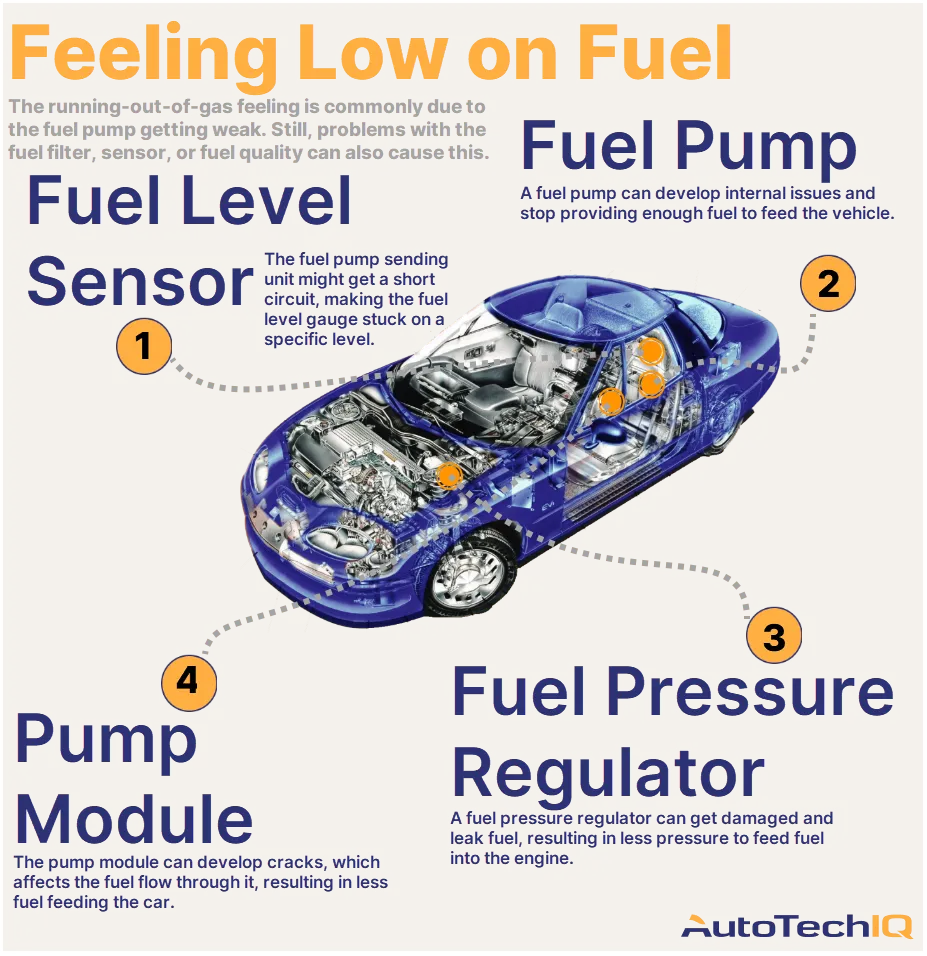
Check your truck’s fuel system at regular intervals. Look for signs like rough idling or slow acceleration. These might mean the fuel filter needs attention. Inspect the filter for dirt buildup and leaks. Early checks help catch issues before they grow.
Credit: www.autotechiq.com
Frequently Asked Questions
How Does My Truck Detect A Clogged Fuel Filter?
Your truck uses sensors to monitor fuel pressure. When pressure drops due to clogging, the system triggers a warning light. This alerts you to replace the fuel filter for optimal engine performance.
What Signals Indicate It’s Time To Change The Fuel Filter?
Common signs include engine misfires, reduced power, and poor fuel efficiency. A warning light on the dashboard may also illuminate. These signals help prevent damage and maintain smooth engine operation.
Can I Reset The Fuel Filter Indicator Myself?
Yes, many trucks allow manual resetting of the fuel filter light after replacement. Check your vehicle’s manual for specific steps. Proper reset ensures accurate future alerts and keeps your truck running smoothly.
How Often Should A Fuel Filter Be Changed In Trucks?
Typically, fuel filters should be replaced every 20,000 to 40,000 miles. However, this varies by manufacturer and driving conditions. Regular changes prevent fuel system damage and maintain engine health.
Conclusion
Your truck uses sensors to know when to change the fuel filter. These sensors track how dirty or clogged the filter becomes. This helps keep the engine running smoothly. Changing the fuel filter on time prevents damage and saves money.
Watching for warning signs is important too. Clean fuel means better performance and fewer problems. Trust your truck’s system and stay on top of maintenance. This keeps your truck healthy and ready for the road. Simple steps make a big difference in the long run.


