

Have you ever wondered how vinyl wrap can completely transform the look of your car, laptop, or even furniture without a single drop of paint? If you’re curious about what makes this magic possible, you’re in the right place.
Vinyl wrap is more than just a cool design trick—it’s a smart, cost-effective way to refresh and protect your belongings. You’ll discover exactly how vinyl wrap works, why it’s so popular, and how it can give your stuff a fresh new vibe.
Ready to unlock the secrets behind this game-changing technique? Let’s dive in!
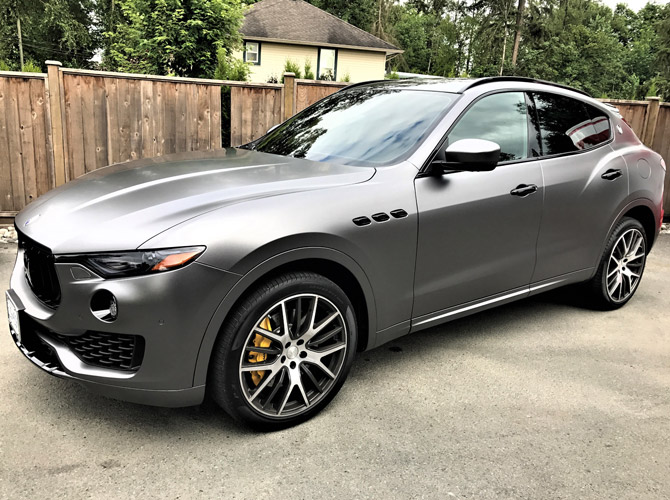
Credit: wrapguys.com
What Is Vinyl Wrap
Vinyl wrap is a thin, flexible sheet made from vinyl material. It covers surfaces like cars, walls, or furniture. It changes the look without painting. People use vinyl wraps to add color, texture, or designs.
The vinyl wrap sticks to surfaces with a special adhesive. It can be removed without damage. This makes it a popular choice for temporary or long-term changes.
Materials Used In Vinyl Wrap
Vinyl wraps are made from polyvinyl chloride (PVC). PVC is strong and flexible. It can stretch to fit curves and shapes. The wrap often has a protective layer to resist scratches and fading.
How Vinyl Wrap Adheres To Surfaces
The back of the vinyl wrap has adhesive glue. This glue sticks firmly but can be peeled off later. The surface must be clean and smooth for the wrap to stick well.
Types Of Vinyl Wrap Finishes
Vinyl wraps come in many finishes. Glossy, matte, satin, and textured are common. Each finish gives a different look and feel. This variety lets people customize their items easily.

Credit: wrapguys.com
Materials Used In Vinyl Wraps
Vinyl wraps use special materials designed for easy application and long-lasting results. These materials ensure the wrap sticks well and looks smooth on any surface. Understanding the materials helps explain why vinyl wraps are so popular for cars and other items.
Types Of Vinyl Films
Vinyl films come in different types for various uses. Cast vinyl is thin and flexible. It molds well around curves and edges. Calendered vinyl is thicker and less flexible. It works best on flat surfaces. Each type serves a unique purpose in wrapping projects.
Adhesive Properties
The adhesive layer holds the vinyl to the surface firmly. It sticks strongly but allows for repositioning during installation. Some adhesives are removable without leaving marks. This makes vinyl wraps safe for changing designs or removing later. The right adhesive improves durability and ease of use.
Finish Options
Vinyl wraps come in many finishes to suit style needs. Glossy finishes reflect light and look shiny. Matte finishes reduce shine for a smooth, flat look. Satin finishes fall between glossy and matte. Textured finishes add unique feels and appearances. These options allow for creative and personalized wrap designs.
Step-by-step Wrapping Process
The step-by-step wrapping process transforms a plain surface into a vibrant, customized look. Each step is key to a smooth and lasting vinyl wrap. Following these steps carefully ensures the vinyl sticks well and looks great.
Surface Preparation
Clean the surface thoroughly to remove dirt and grease. Use soap and water, then dry with a microfiber cloth. Any dust or oil can prevent the vinyl from sticking properly. Smooth out scratches or dents for the best finish.
Measuring And Cutting
Measure the area to cover accurately. Cut the vinyl slightly larger than the surface. This extra material helps during application and trimming. Use a sharp blade or scissors for clean edges.
Applying The Vinyl
Peel off the backing paper carefully to avoid wrinkles. Place the vinyl on the surface starting from one edge. Work slowly to keep it aligned and avoid bubbles. Use a squeegee or flat tool to press the vinyl down.
Smoothing And Stretching
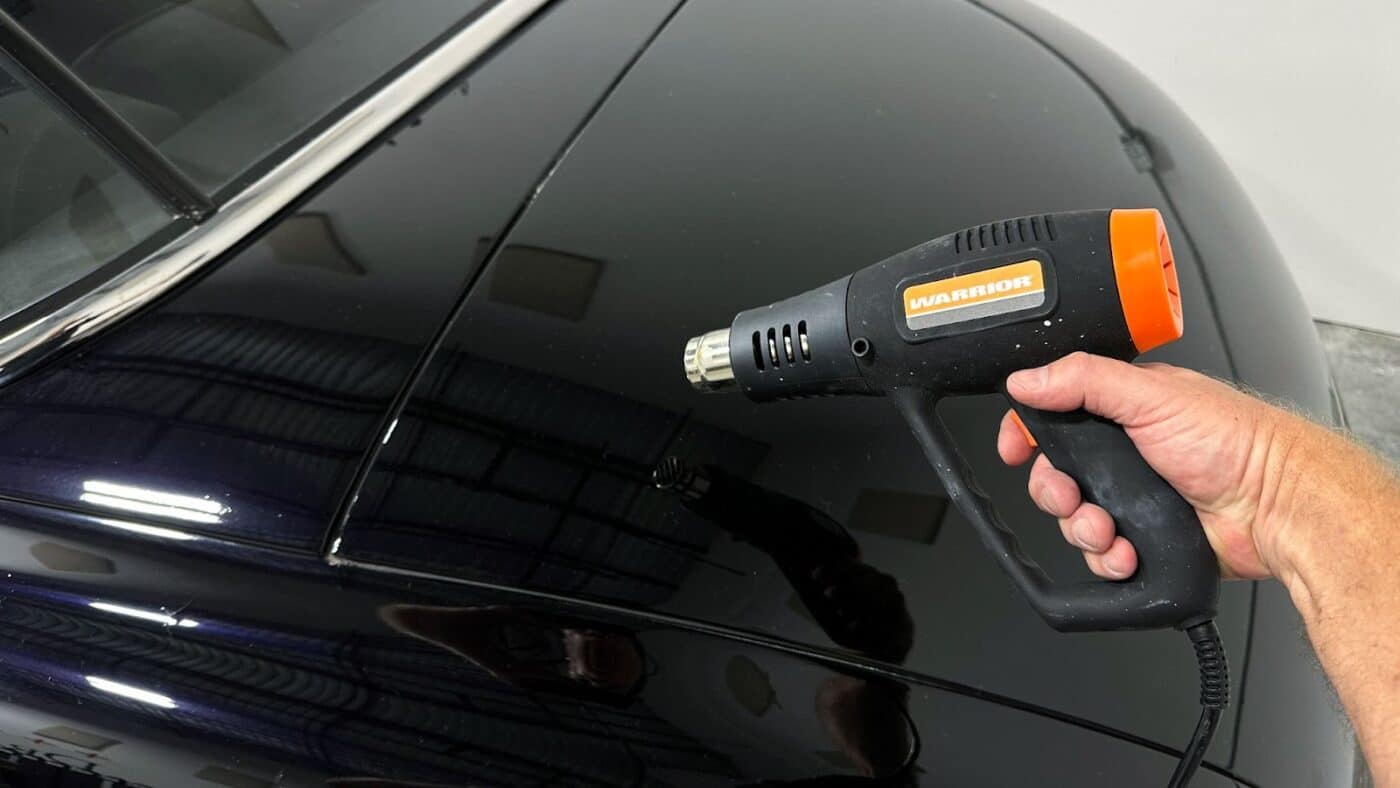
Use gentle heat from a heat gun to make the vinyl flexible. Stretch the vinyl over curves and corners carefully. Smooth out wrinkles and bubbles with the squeegee. Take your time to get a perfect fit.
Trimming And Finishing
Trim the excess vinyl with a sharp blade close to the edge. Be careful not to cut the surface underneath. Press all edges firmly to secure the vinyl. Let the wrap settle for a few hours before use.
Tools Needed For Vinyl Wrapping
Vinyl wrapping needs specific tools to get smooth and lasting results. These tools help apply the vinyl without bubbles or wrinkles. Having the right tools makes the job easier and faster. Here are the main tools you need for vinyl wrapping.
Squeegees And Heat Guns
Squeegees push air bubbles out from under the vinyl. They help press the vinyl firmly onto the surface. Use soft or felt-edged squeegees to avoid scratches. Heat guns warm the vinyl, making it flexible. Warm vinyl stretches and fits curves better. Heat also helps the vinyl stick well.
Cutting Tools
Sharp cutting tools trim excess vinyl cleanly. Utility knives or precision blades work best. Change blades often for clean cuts. Careful cutting prevents damage to the surface below. Use a straight edge to guide cuts on flat areas.
Cleaning Supplies
Clean surfaces help vinyl stick properly. Use mild soap and water to wash dirt away. Rubbing alcohol removes oils and grease. Dry the surface completely before applying vinyl. A clean surface prevents lifting and bubbles later.
Benefits Of Vinyl Wraps
Vinyl wraps offer many benefits beyond just changing a vehicle’s look. They provide a smart and practical solution for car owners. These wraps combine style, protection, and convenience in one product.
Choosing vinyl wrap can save money and add value to your vehicle. It also allows you to personalize your car without permanent changes. Here are some key benefits of vinyl wraps.
Cost-effectiveness
Vinyl wraps cost less than a full paint job. They require less time and labor to apply. This makes them a budget-friendly option. You get a fresh new look without spending too much.
Customization Options
Vinyl wraps come in many colors and finishes. Matte, gloss, satin, and even textured styles are available. You can add graphics or logos easily. This lets you create a unique design that fits your style.
Paint Protection
The wrap acts as a shield against scratches and chips. It protects the original paint underneath. This helps maintain the car’s value over time. The wrap can also prevent fading from sun exposure.
Ease Of Removal
Vinyl wraps peel off without damaging the paint. This makes them ideal for temporary changes. Removing a wrap is quick and clean. You can switch looks without worrying about harm to your car.
Common Challenges And Solutions
Vinyl wrap is popular for customizing vehicles and surfaces. It looks great but comes with common challenges. These problems can affect the finish and durability. Knowing these issues helps you prepare and solve them quickly.
Bubbles And Wrinkles
Bubbles and wrinkles appear when air gets trapped under the vinyl. This ruins the smooth look. Use a heat gun to warm the vinyl. Then, press out the air using a squeegee. Work slowly from the center outward. Small bubbles can be pierced carefully with a pin and smoothed out.
Complex Curves And Edges
Wrapping tight curves and edges is tricky. The vinyl can stretch or tear easily. Use a heat gun to soften the vinyl. Stretch it gently over the curves. Cut the excess material carefully. Practice patience and work in small sections. This method helps the vinyl fit perfectly without damage.
Durability Concerns
Vinyl wrap can fade or peel over time. Sunlight and weather cause damage. Choose high-quality vinyl designed for outdoor use. Regular cleaning with mild soap and water keeps it fresh. Avoid harsh chemicals and scrubbing hard. Proper care extends the life of the wrap and keeps it looking new.
Maintenance Tips For Longevity
Vinyl wraps need care to last long and look great. Following simple maintenance tips keeps the wrap in good shape. Proper cleaning, avoiding damage, and quick repairs help maintain the wrap’s quality. These steps protect your investment and keep your vehicle or item looking fresh.
Cleaning Techniques
Use a soft cloth or sponge to clean the wrap. Avoid harsh brushes or abrasive materials. Wash with mild soap and water only. Rinse thoroughly to remove soap residue. Dry the surface gently with a microfiber towel. Clean regularly to prevent dirt buildup.
Avoiding Damage
Park away from sharp objects and tight spaces. Avoid automatic car washes with rough brushes. Keep the wrap away from extreme heat or direct sunlight for long periods. Do not use strong chemicals or solvents on the wrap. Handle with care to prevent scratches or tears.
Repairing Minor Issues
Small scratches or bubbles appear, fix them quickly. Use a heat gun and squeegee for minor bubbles. For tiny scratches, apply a vinyl wrap repair kit. Avoid DIY fixes for large damages; seek professional help. Prompt repairs prevent further damage and extend wrap life.
Professional Wrapping Vs Diy
Choosing between professional vinyl wrapping and DIY can feel confusing. Both have clear benefits and challenges. Understanding these differences helps you decide what fits your needs and skills best.
Cost Comparison
Professional vinyl wrapping costs more upfront. It includes materials, labor, and expertise. DIY kits are cheaper but may need extra tools. Mistakes in DIY can increase costs due to wasted materials.
Skill Requirements
Professionals have training and experience. They handle curves and edges smoothly. DIY requires patience and steady hands. Beginners might struggle with bubbles and wrinkles.
Time Investment
Professionals finish wrapping in a few hours. DIY takes longer, sometimes days. Preparing the surface and applying wrap needs careful attention. Rushing can cause poor results.
Popular Vinyl Wrap Designs
Vinyl wraps offer many design options to change your vehicle’s look. These wraps come in various styles, colors, and finishes. Each design type brings a unique style and feel. Understanding popular vinyl wrap designs helps you choose the best one.
These designs can make cars stand out or look sleek and simple. Whether for personal use or business, vinyl wraps provide creative freedom.
Matte And Glossy Finishes
Matte wraps have a flat, non-shiny surface. They give cars a modern and smooth look. Glossy finishes reflect light and shine bright. This finish makes colors pop and look vibrant. Both finishes protect the paint and add style.
Color Shifts And Textures
Color shift wraps change color depending on the light angle. This creates a dynamic and eye-catching effect. Textured wraps add a feel to the surface. Common textures include carbon fiber, brushed metal, and leather. These designs add depth and uniqueness.
Custom Graphics
Custom graphics allow for personalized images and logos. They help promote brands or express personality. Vinyl wraps can include patterns, pictures, or texts. These designs turn any vehicle into a moving canvas.
Credit: www.drbeasleys.com
Frequently Asked Questions
What Is Vinyl Wrap And How Does It Work?
Vinyl wrap is a thin, adhesive film applied to surfaces. It changes color or texture without paint. The wrap clings smoothly, protecting the original surface and allowing easy removal or replacement.
How Long Does A Vinyl Wrap Typically Last?
A quality vinyl wrap lasts between 5 to 7 years. Lifespan depends on exposure to weather, maintenance, and installation quality. Proper care extends the wrap’s appearance and durability over time.
Can Vinyl Wrap Protect My Vehicle’s Paint?
Yes, vinyl wrap acts as a protective layer. It guards against minor scratches, UV rays, and dirt. This helps preserve the original paint underneath, maintaining your vehicle’s resale value.
Is Vinyl Wrapping Reversible Without Damage?
Vinyl wraps are removable without harming the surface. When professionally done, they peel off cleanly. This makes wraps ideal for temporary color changes or advertising without permanent alterations.
Conclusion
Vinyl wrap changes a vehicle’s look without paint. It uses a thin, flexible film that sticks smoothly. The film protects the original surface from scratches and sun damage. It comes in many colors and finishes, making customization easy. Skilled installers ensure no bubbles or wrinkles appear.
Vinyl wrap can last several years if cared for properly. Removing it does not harm the original paint. This makes vinyl wrap a smart choice for style and protection. Simple, effective, and affordable.

