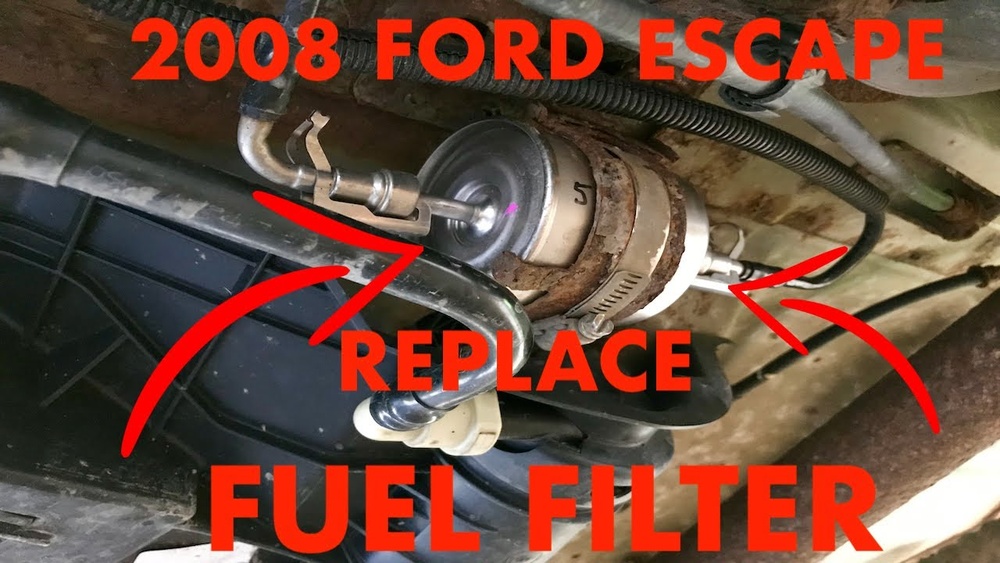
Have you ever wondered how water ends up inside your fuel filter? It’s a hidden problem that can cause serious damage to your engine if you don’t catch it early.
Water in your fuel filter can lead to poor performance, costly repairs, and unexpected breakdowns. Understanding how water gets there is the first step to protecting your vehicle and saving money. Keep reading to discover the surprising ways water sneaks into your fuel system and what you can do to stop it before it causes trouble.
Sources Of Water In Fuel
Water in the fuel filter causes many engine problems. It stops fuel from flowing well. Knowing where water comes from helps you prevent it. Water gets into fuel in a few common ways. Each source adds moisture that can harm your vehicle.
Condensation In Fuel Tank
Water forms inside the fuel tank as air cools. Warm air holds moisture. When the air cools, water drops settle in the tank. This happens more in cold or wet weather. Condensation builds up over time and mixes with fuel.
Contaminated Fuel Supply
Fuel can contain water before it reaches your tank. Sometimes fuel stations have poor storage or leaks. Water mixes with fuel during transport or storage. Filling up at a bad station risks adding water to your tank.
Leaking Fuel Caps
A damaged or loose fuel cap lets water enter the tank. Rain or car washes push water inside. The cap should seal tightly to keep fuel clean and dry. Check the cap regularly for cracks or wear.
Faulty Fuel Storage
Storing fuel in bad containers causes water contamination. Plastic or metal tanks can leak or sweat moisture. Keep fuel storage clean and sealed. Use approved containers to avoid water buildup.
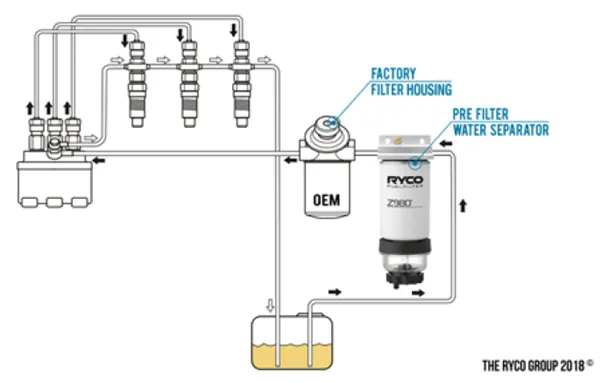
Credit: rycofilters.com.au
Effects Of Water In Fuel Filter
Water in the fuel filter causes many problems for engines. It affects how the engine runs and can damage parts. Understanding these effects helps keep vehicles running smoothly. Below are the main issues caused by water in the fuel filter.
Engine Performance Issues
Water in the fuel filter stops fuel from flowing properly. This causes the engine to run rough or stall. The engine may lose power or hesitate during acceleration. Fuel combustion becomes uneven, leading to poor performance. Drivers may notice hard starts or misfires too.
Corrosion And Damage
Water causes rust inside the fuel system parts. Metal components like the fuel pump and injectors can corrode. Corrosion weakens these parts and shortens their life. It also leads to costly repairs or replacements. Keeping water out protects the fuel system from damage.
Fuel System Blockages
Water mixes with dirt and creates sludge inside the fuel filter. This sludge clogs the filter and fuel lines. Blockages reduce fuel flow and cause engine problems. The filter gets dirty faster, needing more frequent changes. Clean fuel filters ensure smooth engine operation.
Detecting Water In Fuel Filter
Detecting water in the fuel filter is important for engine health. Water in the fuel can cause damage and reduce performance. Early detection helps avoid costly repairs and downtime.
Knowing how to spot water in the fuel filter can save time and money. There are simple ways to check without special tools, plus some methods that use detection devices.
Visual Inspection Methods
Start by looking at the fuel filter bowl or clear housing. Water often appears as clear or cloudy liquid at the bottom. Fuel and water do not mix, so water settles below the fuel.
Check for any unusual layers or drops inside the filter. Water droplets may look like small bubbles or beads. Regular visual checks help catch water problems early.
Symptoms To Watch For
Notice engine trouble like rough idling or poor acceleration. Water in fuel can cause sputtering or stalling. The engine may also hesitate or lose power.
Fuel filter blockage from water reduces fuel flow. This causes the engine to struggle or stop. Watch for warning lights or unusual noises from the engine.
Using Water Detection Tools
Water detection tools make spotting water easier and more accurate. Test strips can change color when they touch water in fuel. They are simple to use and give quick results.
Some fuel filters come with built-in water sensors. These sensors alert drivers with a warning light. Digital testers can measure water content in the fuel for precise detection.

Credit: www.youtube.com
Prevention Strategies
Preventing water from entering the fuel filter is key to keeping your engine healthy. Water in the fuel can cause rust, corrosion, and poor engine performance. Taking simple steps stops water contamination early and saves you from costly repairs.
Proper Fuel Storage Practices
Store fuel in clean, dry containers. Use containers designed for fuel only. Keep fuel away from moisture and sunlight. Close containers tightly to block air and water. Avoid storing fuel for long periods. Old fuel attracts water and dirt.
Regular Fuel Filter Maintenance
Check the fuel filter regularly. Replace filters based on your vehicle’s manual. A clean filter stops water and dirt from reaching the engine. Inspect for signs of water or rust inside the filter. Timely maintenance keeps fuel clean and engine safe.
Using Fuel Additives
Fuel additives help remove water from fuel. Use additives made for your engine type. Follow the instructions on the label carefully. Additives improve fuel quality and prevent water buildup. They keep fuel flowing smoothly through the filter.
Sealing Fuel System Components
Check fuel caps and seals for cracks or damage. Replace worn or broken seals immediately. Tight seals keep water out of the fuel system. Inspect hoses and connectors for leaks regularly. Good sealing protects the fuel filter and engine.
Water Removal Techniques
Water in the fuel filter can cause many problems for your engine. Removing this water is important to keep your vehicle running smoothly. Several methods help clear out water from the fuel filter and protect the fuel system.
Draining The Fuel Filter
Draining the fuel filter is a simple way to remove water. Most fuel filters have a drain plug at the bottom. Open this plug to let the water and fuel mixture drain out. Water is heavier than fuel, so it settles at the bottom. Draining regularly helps stop water buildup and keeps fuel clean.
Fuel System Flushing
Flushing the fuel system removes water and other debris from the entire fuel line. This process uses special cleaning fluids pushed through the fuel system. It clears water trapped beyond the fuel filter. Flushing also improves fuel flow and engine performance. This method is effective but needs careful handling.
Professional Service Options
Many drivers choose professional help for water removal. Mechanics have tools and skills to detect and remove water from fuel systems. They can replace fuel filters and flush the system safely. Professionals also check for damage caused by water. This service keeps the fuel system in top condition.

Credit: yamahaonlineparts.com
Frequently Asked Questions
How Does Water Enter The Fuel Filter?
Water enters the fuel filter mainly through condensation inside the fuel tank. It can also come from contaminated fuel or poor sealing. Water is heavier than fuel and settles in the filter, causing potential engine issues if not removed promptly.
What Causes Water Contamination In Fuel Filters?
Water contamination often results from condensation, especially in humid climates. It can also come from rainwater entering the fuel tank or buying low-quality fuel. Improper storage and damaged fuel caps increase the risk of water mixing with fuel.
Why Is Water In The Fuel Filter A Problem?
Water in the fuel filter can cause engine misfires, corrosion, and fuel system damage. It disrupts combustion and reduces engine efficiency. Over time, water buildup can lead to costly repairs and poor vehicle performance.
How Can I Prevent Water From Entering Fuel Filters?
To prevent water contamination, always use clean fuel from trusted sources. Regularly check and replace fuel caps and filters. Store fuel tanks in dry, sealed environments and drain water from fuel filters as part of routine maintenance.
Conclusion
Water enters the fuel filter through condensation or contaminated fuel. It can cause engine problems and reduce fuel efficiency. Regularly checking and draining the fuel filter helps keep water out. Clean fuel and proper storage also reduce water buildup. Staying aware of this issue protects your vehicle’s performance.
Simple care can prevent costly repairs later. Keep your fuel system clean and dry for smooth driving.