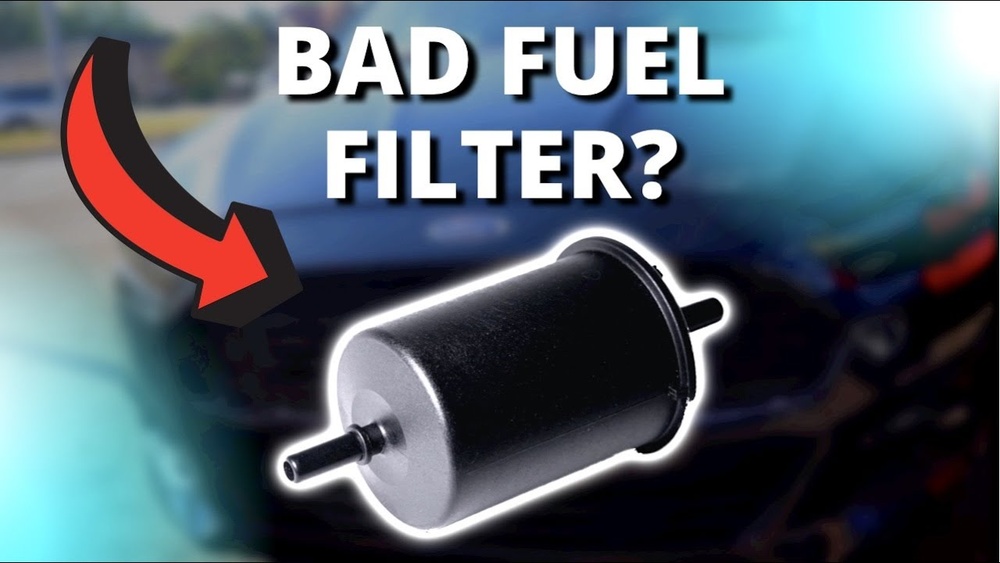
If you want your Ford Escape to run smoothly and avoid costly repairs, changing the fuel filter is something you can’t ignore. You might think this job is complicated or best left to a mechanic, but with the right steps, you can do it yourself and save time and money.
In this guide, you’ll learn exactly how to change your fuel filter quickly and safely. Keep reading, and by the end, you’ll feel confident tackling this important maintenance task on your own.

Credit: www.youtube.com
Tools And Materials Needed
Changing the fuel filter on a Ford Escape needs specific tools and materials. Having the right items makes the job easier and safer. Preparing ahead saves time and avoids frustration.
Gather all tools and parts before starting. This helps keep the work smooth and organized.
Essential Tools
You need a few basic tools for this task. A socket wrench set is crucial for loosening bolts. Fuel line disconnect tools help remove fuel lines safely. A flathead screwdriver can assist in prying clips or covers.
Wear safety gloves to protect your hands. Safety glasses shield your eyes from fuel splashes. A container to catch fuel will keep your workspace clean. Rags or shop towels are useful for wiping spills.
Choosing The Right Fuel Filter
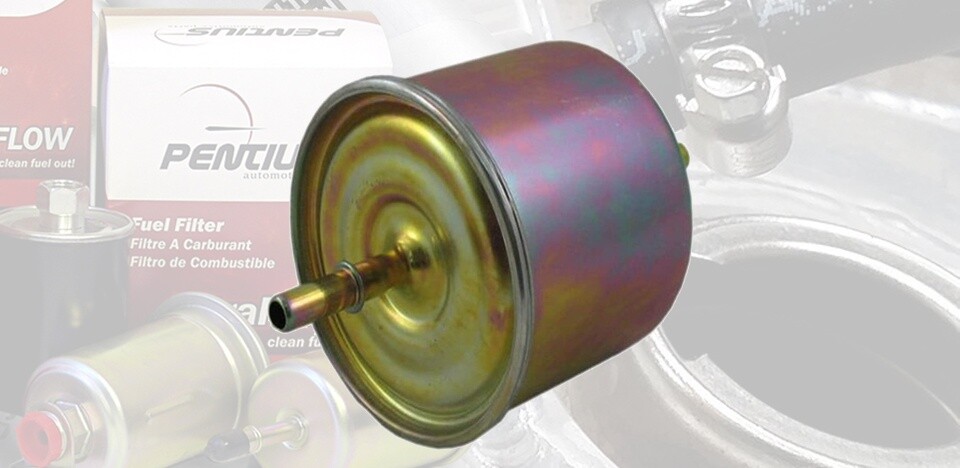
Select the correct fuel filter for your Ford Escape model. Check your vehicle’s year and engine type. Use the owner’s manual or parts store guide to find the exact match. Using the wrong filter can cause engine problems.
Choose a filter with good reviews and quality standards. OEM (Original Equipment Manufacturer) filters often fit best. Avoid cheap, low-quality filters that may fail quickly.
Safety Precautions
Changing the fuel filter on a Ford Escape involves handling gasoline and engine parts. Safety should be your top priority. Taking proper precautions helps avoid accidents and keeps the work smooth. Follow these safety steps before starting your task.
Working In A Well-ventilated Area
Gasoline fumes can be harmful. Always work outside or in a garage with open doors and windows. Fresh air reduces the risk of inhaling dangerous fumes. It also lowers the chance of fire from gas vapors. Avoid working near anything that sparks or flames.
Preventing Fuel Spills
Fuel spills can cause fires and damage. Use a container to catch any gas that leaks out. Wear gloves to protect your skin from fuel. Keep rags nearby to quickly wipe spills. Avoid smoking or using electronics close to fuel.
Proper Disposal Of Old Filter
The old fuel filter contains harmful chemicals. Do not throw it in the trash. Place it in a sealed bag or container. Take it to a local hazardous waste center. Proper disposal protects the environment and follows local laws.
Locating The Fuel Filter
Finding the fuel filter in a Ford Escape is the first step to replacing it. Knowing the exact location helps you work faster and safer. Each model year may place the filter in a different spot. This guide explains where to find the fuel filter in various Ford Escape models. It also covers how to reach the filter safely without damage.
Fuel Filter Location In Ford Escape Models
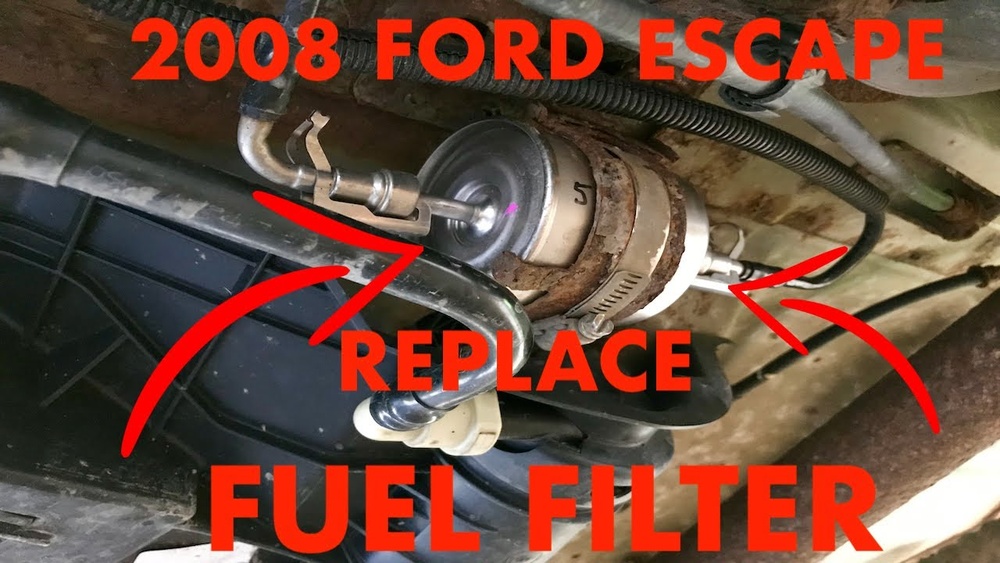
Older Ford Escape models often have the fuel filter under the hood. It sits near the engine or along the fuel line. Newer models usually place the fuel filter inside the fuel tank. This design uses a long-lasting, built-in filter. Checking your vehicle manual confirms the exact location. Visual inspection under the car can also help find the filter. Look for a small canister or a bulge on the fuel line.
Accessing The Filter Safely
Always work in a well-ventilated area with the engine off. Relieve fuel system pressure to avoid fuel spray. Wear safety glasses and gloves for protection. Use jack stands if lifting the vehicle to reach under it. Avoid open flames or sparks near the fuel system. Disconnect the battery before starting to prevent accidents. Keep a rag nearby to catch any fuel spills. Taking these steps protects you and your vehicle during the job.

Credit: www.ebay.com
Removing The Old Fuel Filter
Removing the old fuel filter in a Ford Escape is a key step in maintenance. This process helps keep the engine running smoothly. Following clear and safe steps makes the job easier.
Start by preparing your workspace and tools. Safety is important because fuel is flammable. Wear gloves and eye protection.
Relieving Fuel System Pressure
Fuel system pressure must be released first. This prevents fuel spray and accidents. Locate the fuel pump fuse in the fuse box. Remove the fuse to stop the pump. Start the engine and let it run until it dies. This uses up remaining fuel pressure. Turn off the ignition once the engine stops.
Disconnecting Fuel Lines
Next, disconnect the fuel lines from the filter. Use a rag to catch any fuel spills. Press the quick-connect fittings and pull the lines away carefully. Avoid bending or damaging the lines. If the connectors are stuck, use a small tool to help release them gently.
Taking Out The Filter
Now remove the old fuel filter from its bracket. Use a wrench or socket set to loosen the mounting bolts. Hold the filter steady to avoid dropping fuel. Check the orientation to install the new filter correctly. Dispose of the old filter safely, as it contains fuel residue.
Installing The New Fuel Filter
Installing the new fuel filter in your Ford Escape is a straightforward process. It requires careful handling to ensure the filter works correctly and your vehicle runs smoothly. Follow each step carefully for a safe and proper installation.
Positioning The Filter Correctly
Start by placing the new fuel filter in the same position as the old one. Make sure the arrow on the filter points in the direction of fuel flow. This is usually towards the engine. Proper alignment is key to avoid fuel leaks and maintain engine performance.
Reconnecting Fuel Lines
Next, reconnect the fuel lines to the new filter. Push the fuel lines firmly onto the filter’s inlet and outlet. Check that the connections are tight. Loose connections can cause fuel leaks and affect engine operation. Use clamps if your filter requires them for extra security.
Securing The Filter
Finally, secure the filter in place using the bracket or clips. Ensure the filter is stable and does not move. A loose filter can cause damage and reduce fuel efficiency. Double-check all fittings before starting the engine to confirm everything is properly installed.
Testing After Installation
Testing after installing the fuel filter in your Ford Escape is important. It ensures the filter works well and the engine runs smoothly. This step helps avoid fuel leaks and engine problems. Follow these simple checks to confirm the job is done right.
Checking For Leaks
Look closely at the fuel filter and connections. Check for any wet spots or fuel drips. Use a clean cloth to wipe around the filter. Watch carefully while the engine is off and then running. Finding leaks early stops bigger issues later.
Starting The Engine
Turn the key and start your Ford Escape. Listen for any unusual sounds like sputtering or coughing. The engine should start quickly and run steadily. If it struggles or stalls, the fuel filter might not be installed correctly.
Monitoring Performance
Drive your vehicle for a short distance. Notice if the engine feels smooth or if it hesitates. Check the power and fuel efficiency during the drive. Good performance means the new fuel filter is doing its job well.
Maintenance Tips
Proper maintenance of your Ford Escape’s fuel filter keeps the engine running smoothly. It protects the fuel system from dirt and debris. Changing the fuel filter regularly helps avoid costly repairs.
Understanding when to replace the fuel filter and recognizing signs of clogging can save time and money. These tips help maintain your vehicle’s performance and fuel efficiency.
When To Replace Fuel Filter
Check your owner’s manual for the recommended replacement interval. Most filters need changing every 20,000 to 30,000 miles. Replace it sooner if you drive in dusty or dirty conditions. Regular replacement prevents engine problems and poor fuel flow.
Signs Of A Clogged Filter
Notice if your engine hesitates or stalls during acceleration. A clogged filter can cause rough idling or difficulty starting. Reduced fuel efficiency and engine misfires also indicate filter issues. Address these signs quickly to avoid bigger engine damage.
Credit: www.ebay.com
Frequently Asked Questions
How Often Should I Change The Fuel Filter On A Ford Escape?
You should change the Ford Escape fuel filter every 30,000 miles or as recommended in the owner’s manual. Regular changes ensure clean fuel flow and maintain engine performance.
What Tools Are Needed To Replace A Ford Escape Fuel Filter?
To change the fuel filter, you need a wrench, screwdrivers, safety gloves, and a container for fuel spillage. Always work in a well-ventilated area.
Can I Change The Ford Escape Fuel Filter Myself?
Yes, you can change it yourself with basic tools and safety precautions. Follow proper steps to avoid fuel leaks and engine issues.
What Are Signs Of A Clogged Fuel Filter In Ford Escape?
Signs include engine stalling, reduced power, poor acceleration, and difficulty starting. These indicate the fuel filter may need immediate replacement.
Conclusion
Changing the fuel filter in your Ford Escape keeps the engine running well. It helps stop dirt and debris from reaching the engine parts. Clean fuel means better performance and fewer problems. Follow the steps carefully to avoid mistakes. Regular checks can save money on repairs later.
Take your time and work safely. A clean fuel filter helps your car last longer and run smoother. Simple care goes a long way for your vehicle’s health.