

If you own an outboard engine, you know how important it is to keep it running smoothly. One key part that often gets overlooked is the fuel filter.
But how often should you actually change it? Ignoring this simple task can lead to poor engine performance, costly repairs, or even getting stranded on the water. You’ll discover exactly when and why changing your fuel filter is crucial to keep your boat running strong.
Keep reading to protect your engine and enjoy worry-free time on the water.
Importance Of Fuel Filter
The fuel filter plays a key role in keeping your outboard engine running smoothly. It stops dirt, rust, and other harmful particles from entering the engine. A clean fuel filter helps protect the engine parts and avoid damage. Changing the fuel filter often keeps your engine healthy and reliable. Neglecting this small part can cause engine trouble and costly repairs.
Role In Engine Performance
The fuel filter cleans the fuel before it reaches the engine. Clean fuel means better combustion and smooth running. A clogged filter reduces fuel flow and lowers engine power. It can cause the engine to stall or run roughly. Regularly changing the fuel filter keeps the engine running at its best.
Common Fuel Contaminants
Fuel contains small particles like dirt, rust, and water. These contaminants come from fuel tanks and fuel lines. Water in the fuel can cause corrosion and poor engine function. The fuel filter traps these harmful particles before they reach the engine. Changing the filter stops these contaminants from causing damage.

Credit: www.youtube.com
Signs Of A Clogged Fuel Filter
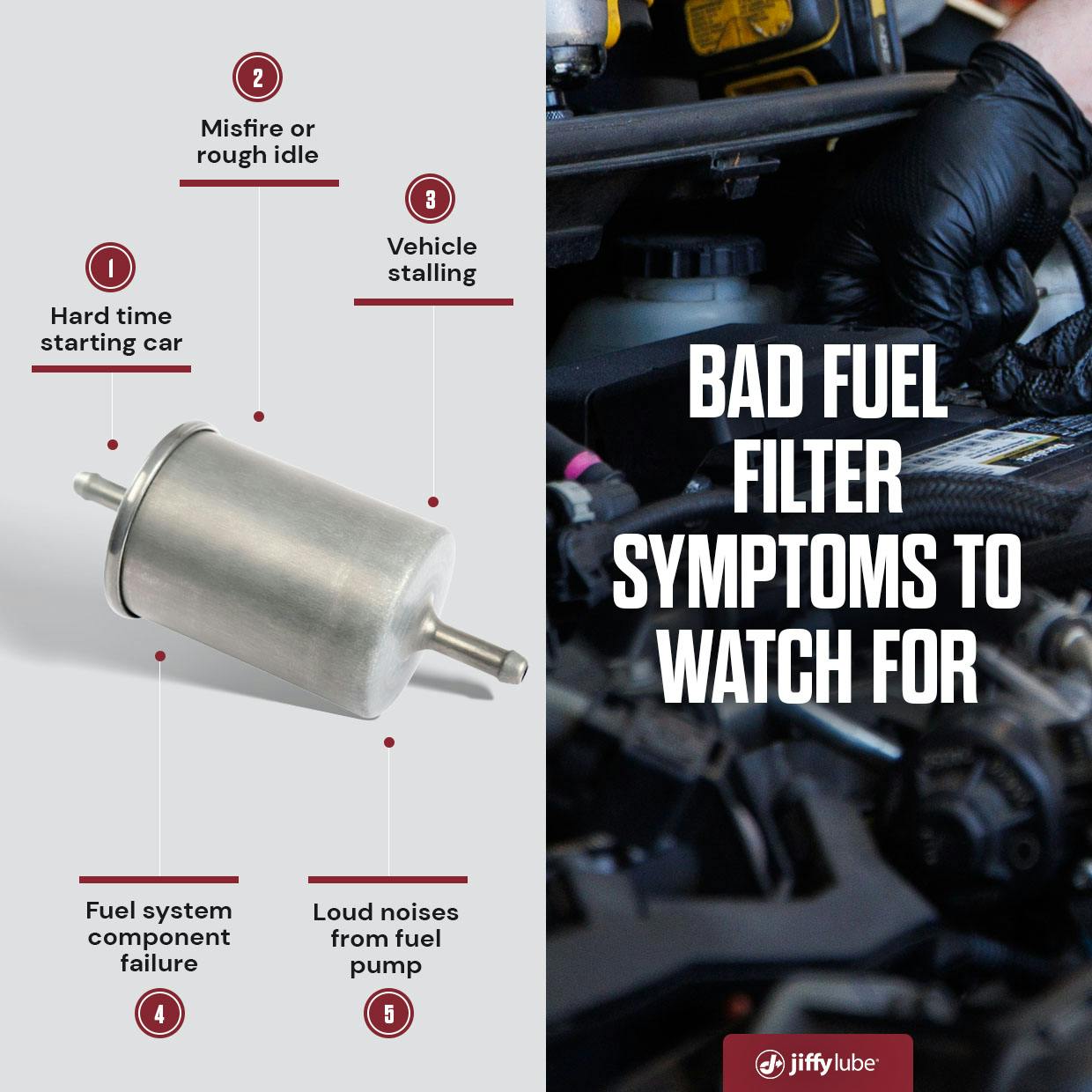
A clogged fuel filter can cause many problems for your outboard engine. It blocks the fuel flow, making the engine work harder. Knowing the signs helps you avoid big damage and costly repairs. Watch for these common symptoms to spot a clogged filter early.
Engine Stalling Or Hesitation
The engine may stall suddenly or hesitate when you try to speed up. This happens because the fuel cannot flow smoothly through the clogged filter. The engine struggles to get enough fuel, causing it to sputter or stop.
Reduced Fuel Efficiency
Your boat may use more fuel than usual. A clogged filter makes the engine burn fuel less efficiently. You might notice shorter trips or more frequent refueling. This means the filter is restricting fuel flow and hurting performance.
Difficulty Starting Engine
Starting the engine takes longer than normal or may fail. A dirty filter stops enough fuel from reaching the engine. This makes ignition hard and can leave you stranded on the water.
Recommended Change Intervals
Knowing when to change the fuel filter on your outboard engine helps keep it running well. Changing it too late can cause engine problems. Changing it too early wastes money. Follow clear guidelines for best results.
Manufacturer Guidelines
Every outboard engine brand sets its own fuel filter change schedule. Check your engine’s manual for these details. Most recommend changing the filter every 100 to 200 hours of use. Some suggest changing it once a year even if you use it less. Following these instructions helps protect your engine’s parts.
Impact Of Usage And Environment
How often you use your boat affects filter life. Heavy use means more fuel passes through the filter. Dirty or dusty water areas can clog the filter faster. Saltwater conditions may also cause faster filter wear. Change the filter more often if you use the boat a lot or in tough environments.
Credit: www.jiffylube.com
How To Change The Fuel Filter
Changing the fuel filter on an outboard engine keeps your boat running smoothly. A clean filter stops dirt and debris from clogging the engine. Replacing it regularly helps avoid engine problems and saves money on repairs. The process is simple with the right tools and steps.
Tools Needed
- New fuel filter compatible with your engine
- Screwdrivers (flathead and Phillips)
- Pliers
- A small container to catch fuel
- Clean rags
- Gloves to protect your hands
Step-by-step Replacement Process
- Turn off the engine and close the fuel valve.
- Place the container under the filter to catch spilled fuel.
- Loosen the clamps holding the fuel lines with pliers or screwdriver.
- Carefully remove the fuel lines from the old filter.
- Take out the old filter and dispose of it properly.
- Install the new filter by attaching the fuel lines securely.
- Tighten the clamps to prevent leaks.
- Open the fuel valve and check for leaks.
- Start the engine to make sure it runs smoothly.
Tips For Maintaining Fuel Filters
Maintaining the fuel filter of your outboard engine is key to keeping the engine healthy. Clean fuel filters stop dirt and water from reaching the engine. This helps avoid engine problems and keeps your boat running smoothly. Here are some simple tips to care for your fuel filters.
Regular Inspections
Check your fuel filter often to spot dirt or damage. Look for cracks or leaks in the filter housing. Replace the filter if you see any signs of wear. Regular checks prevent small issues from turning into big problems. Make it a habit to inspect the filter before each boating trip.
Choosing Quality Filters
Pick fuel filters made by trusted brands. Quality filters catch more dirt and last longer. They protect your engine better than cheap options. Always use filters that match your engine model. Using the right filter keeps your engine safe and running well.
Consequences Of Neglecting Fuel Filter Changes
Neglecting to change your outboard engine’s fuel filter can cause serious problems. Dirt and debris build up over time. This clogs the fuel system and stops fuel flow. The engine struggles to run smoothly. Small issues grow into bigger, costly problems. Understanding these risks helps you protect your boat and engine.
Engine Damage Risks
A dirty fuel filter lets contaminants reach the engine. These particles cause wear on engine parts. Fuel injectors and carburetors get clogged or damaged. Poor fuel flow leads to overheating and engine stalling. Over time, this damages the engine’s core components. The engine may lose power or stop working altogether.
Increased Repair Costs
Ignoring fuel filter changes raises the chance of costly repairs. Engine damage requires expensive parts and labor. Repair bills can quickly add up. Routine fuel filter changes cost much less. Preventive maintenance saves money and avoids downtime. Protect your investment by staying on schedule with filter changes.

Credit: www.tuneupplus.com
Frequently Asked Questions
How Often Should I Change My Outboard Fuel Filter?
Change your outboard fuel filter every 100 hours or once a season. Frequent replacement ensures clean fuel flow and prevents engine damage.
What Are Signs Of A Clogged Outboard Fuel Filter?
Signs include engine sputtering, poor acceleration, or difficulty starting. These indicate restricted fuel flow and a need to replace the filter promptly.
Can I Clean The Outboard Fuel Filter Instead Of Replacing It?
Cleaning is possible but not recommended. Filters degrade over time, so replacement ensures optimal engine performance and fuel system protection.
Does Fuel Type Affect How Often I Change The Filter?
Yes, ethanol-blended fuels can clog filters faster. Check your manufacturer’s guidelines and inspect the filter more frequently if using ethanol fuel.
Conclusion
Changing your outboard engine’s fuel filter regularly keeps the engine healthy. It helps avoid dirt and water that can harm parts. Check the filter every 100 hours or once a year. Signs like rough running or hard starts mean it needs changing sooner.
Clean fuel means better power and longer engine life. Don’t wait for problems to start. Stay ahead with simple, regular filter checks and changes. Your engine will thank you with smooth, reliable performance every time.


