Have you ever wondered how someone could sabotage your brake rotors? It’s a scary thought, but understanding the ways this can happen is key to keeping you and your loved ones safe on the road.
Your brakes are one of the most important parts of your vehicle, and even small damage can lead to serious problems. You’ll discover the common methods used to tamper with brake rotors and what signs you should watch for. Knowing this could save you from dangerous accidents and costly repairs.
Keep reading to protect yourself and your car before it’s too late.
Signs Of Brake Rotor Sabotage
Brake rotor sabotage is dangerous and can cause serious accidents. It is important to spot the signs early. Brake rotors are key parts of the braking system. Sabotage means someone harms them on purpose. This damage can make braking unsafe or fail completely.
Recognizing the signs helps you act fast. It keeps you and others safe on the road. Below are common signs that show brake rotor sabotage.
Unusual Noises While Braking
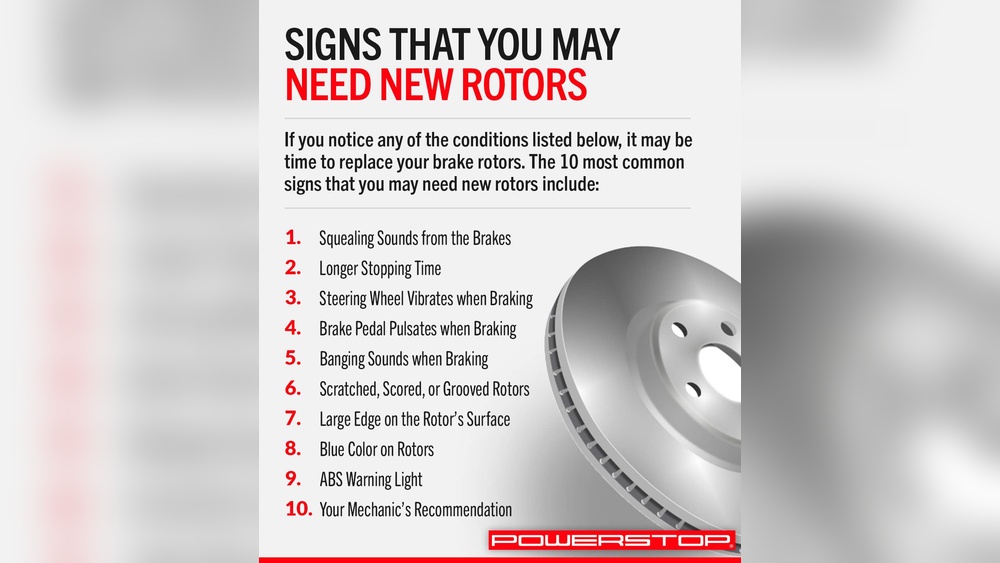
Strange sounds during braking can signal trouble. Grinding, squealing, or scraping noises are not normal. These sounds may come from damaged rotors. Sabotage can cause parts to rub or scrape unevenly. Listen carefully when you press the brake pedal.
Vibrations And Pulsations
Feel vibrations in the brake pedal or steering wheel? This could mean rotor damage. Warped or cracked rotors cause shaking. Sabotage often leads to uneven rotor surfaces. The shaking gets worse at higher speeds or hard braking.
Visible Damage And Scoring
Check the rotors for visible damage. Deep grooves, cracks, or scoring marks show harm. Sabotage can cause these flaws by scratching or hitting the rotors. Sometimes rotors look rusty or worn out unevenly. Visual checks help detect sabotage early.
Common Sabotage Techniques
Sabotaging brake rotors can cause serious car problems. People use different ways to damage these parts on purpose. Knowing these common sabotage techniques helps you spot danger early. Sabotage may involve heat, dirt, or physical harm to the rotors. Each method affects the brake system’s performance and safety.
Intentional Overheating
Overheating rotors weakens their strength and shape. Some people cause this by riding the brakes too hard or locking the wheels. Heat makes the metal warp or crack. Warped rotors cause vibrations and reduce braking power. This is a quiet but effective way to cause damage.
Contaminating Brake Surfaces
Adding oil, grease, or other liquids on rotors lowers friction. Contaminants make the brakes less responsive. Dirt or debris stuck on rotors can also cause uneven wear. This method hides well and can lead to brake failure. Clean brake surfaces are crucial for safe stopping.
Physical Damage To Rotors
Scratching, denting, or hitting rotors causes direct harm. Sharp objects or tools can create grooves or cracks. Physical damage weakens the rotor and may cause noise or poor braking. This sabotage is easy to spot but still risky. Damaged rotors often need replacement to restore safety.
Tools Used For Rotor Sabotage
Sabotaging brake rotors requires specific tools. These tools damage the rotor surface or structure. Understanding these tools helps in identifying potential threats. Here are the main types used for rotor sabotage.
Sharp Objects And Abrasives
Sharp objects like knives or metal blades can scratch rotors deeply. Abrasive materials such as sandpaper or grinding wheels wear down the rotor surface. These tools create rough patches that reduce braking efficiency.
Chemicals And Corrosives
Certain chemicals cause rust and corrosion on rotors. Acids or strong cleaners eat away the metal surface. Corrosion weakens rotors and may lead to cracks or warping over time.
Improvised Devices
Improvised devices include homemade tools or hidden items. People may use wire brushes, nails, or metal spikes. These items cause uneven wear or puncture marks on rotors.

Credit: www.danscomp.com
Motives Behind Sabotaging Brake Rotors
Sabotaging brake rotors is a serious act that can cause danger on the road. Understanding why someone might do this helps us stay alert. People have different reasons for damaging brake parts. These motives often involve anger, money, or rivalry.
Personal Vendettas
Some sabotage brake rotors to harm someone they dislike. It could be a neighbor, coworker, or family member. This act is a way to get back at them. The goal is to create fear or harm without direct confrontation. Personal grudges sometimes lead to dangerous actions like this.
Insurance Fraud
Sabotage can be part of a plan to claim insurance money. Damaging brake rotors causes accidents or car problems. Then, the owner files a claim for repairs or losses. This dishonest act can cost insurance companies and drivers a lot. Fraudsters use sabotage to make their claims seem real.
Competitive Sabotage
In business or sports, some people sabotage to gain an edge. Damaging a rival’s vehicle can slow them down or stop them completely. This tactic is common in illegal racing or business rivalries. It is a risky move that puts lives and careers at risk.
Preventing Brake Rotor Sabotage
Preventing brake rotor sabotage is essential for vehicle safety. Sabotage can cause serious damage and put lives at risk. Taking simple steps helps protect your brake system and avoid costly repairs.
Regular Inspections
Check brake rotors often for signs of damage or tampering. Look for scratches, cracks, or unusual wear. Early detection stops problems before they get worse. A mechanic can help spot hidden issues during routine service.
Secure Parking Practices
Park in well-lit, busy areas to reduce the risk of sabotage. Use garages or secured lots when possible. Avoid leaving your vehicle in isolated or dark spots. Cameras and security patrols add extra protection.
Using Quality Components
Choose brake rotors made from reliable materials. Cheap parts wear out faster and break easily. Use parts from trusted brands and suppliers. Quality components improve safety and reduce the chance of failure caused by sabotage.

Credit: www.ebay.com
What To Do If You Suspect Sabotage
Suspecting brake rotor sabotage can cause real fear. Safety becomes the top priority. Taking quick and smart steps matters most. Knowing what actions to take can protect you and others on the road.
Immediate Safety Measures
Stop driving immediately. Park the vehicle in a safe place away from traffic. Avoid using the brakes too much or too hard. Turn on your hazard lights to warn others. Stay calm and do not try to fix the brakes yourself. Safety must come first before anything else.
Reporting To Authorities
Contact local police right away. Explain your concerns about possible sabotage clearly. Provide any evidence, like photos or videos, if available. Reporting helps prevent harm to other drivers. Authorities can start an investigation quickly with your report.
Professional Brake Assessment
Take your vehicle to a trusted mechanic or brake specialist. Ask for a full brake system check. Professionals can spot signs of tampering or damage. They will advise on repairs or part replacements. Do not ignore strange noises or poor braking performance. Early detection can save lives.

Credit: www.ebay.com
Frequently Asked Questions
How Can Brake Rotors Be Deliberately Damaged?
Brake rotors can be damaged by intentional scoring, overheating, or applying corrosive substances. These actions reduce braking efficiency and safety.
What Signs Indicate Brake Rotor Sabotage?
Unusual noises, vibrations, and reduced braking power may signal rotor sabotage. Regular inspections help detect these issues early.
Can Contaminants Cause Brake Rotor Failure?
Yes, oil, grease, or dirt on rotors can cause uneven braking and rotor damage. Clean rotors ensure optimal performance.
How Does Overheating Sabotage Brake Rotors?
Overheating causes warping and cracking of rotors. This reduces braking effectiveness and increases stopping distances.
Conclusion
Sabotaging brake rotors can cause serious car problems and danger. Small actions like scratching or overheating rotors reduce their strength. Knowing these risks helps you stay alert and protect your vehicle. Always check your brakes regularly and watch for unusual sounds or vibrations.
Keeping brakes in good shape ensures safer driving for you and others. Stay aware, act quickly, and keep your car safe on the road.