
Have you ever felt your car’s engine hesitating or running roughly? The problem might be simpler than you think.
A clean fuel filter plays a key role in making your engine run smoothly. When your fuel filter is clogged or dirty, it can disrupt the flow of fuel, causing your engine to struggle. But how exactly does this small part improve your engine’s performance?
Keep reading to discover how maintaining your fuel filter can save you from costly repairs and keep your ride smooth and reliable every time you hit the road.
Role Of Fuel Filters
The fuel filter plays a key role in keeping the engine running smoothly. It cleans the fuel before it reaches the engine. This process helps the engine get pure fuel. Pure fuel means better performance and fewer problems. The fuel filter stops dirt and particles from entering the engine. This protection is essential for engine health and efficiency.
Filtering Impurities
The fuel filter removes dust, rust, and dirt from the fuel. These impurities can clog fuel injectors and reduce engine power. Clean fuel ensures the engine burns fuel properly. This leads to smoother engine operation and less knocking. A good fuel filter keeps the fuel system clean. It helps maintain steady fuel flow to the engine.
Protecting Engine Components
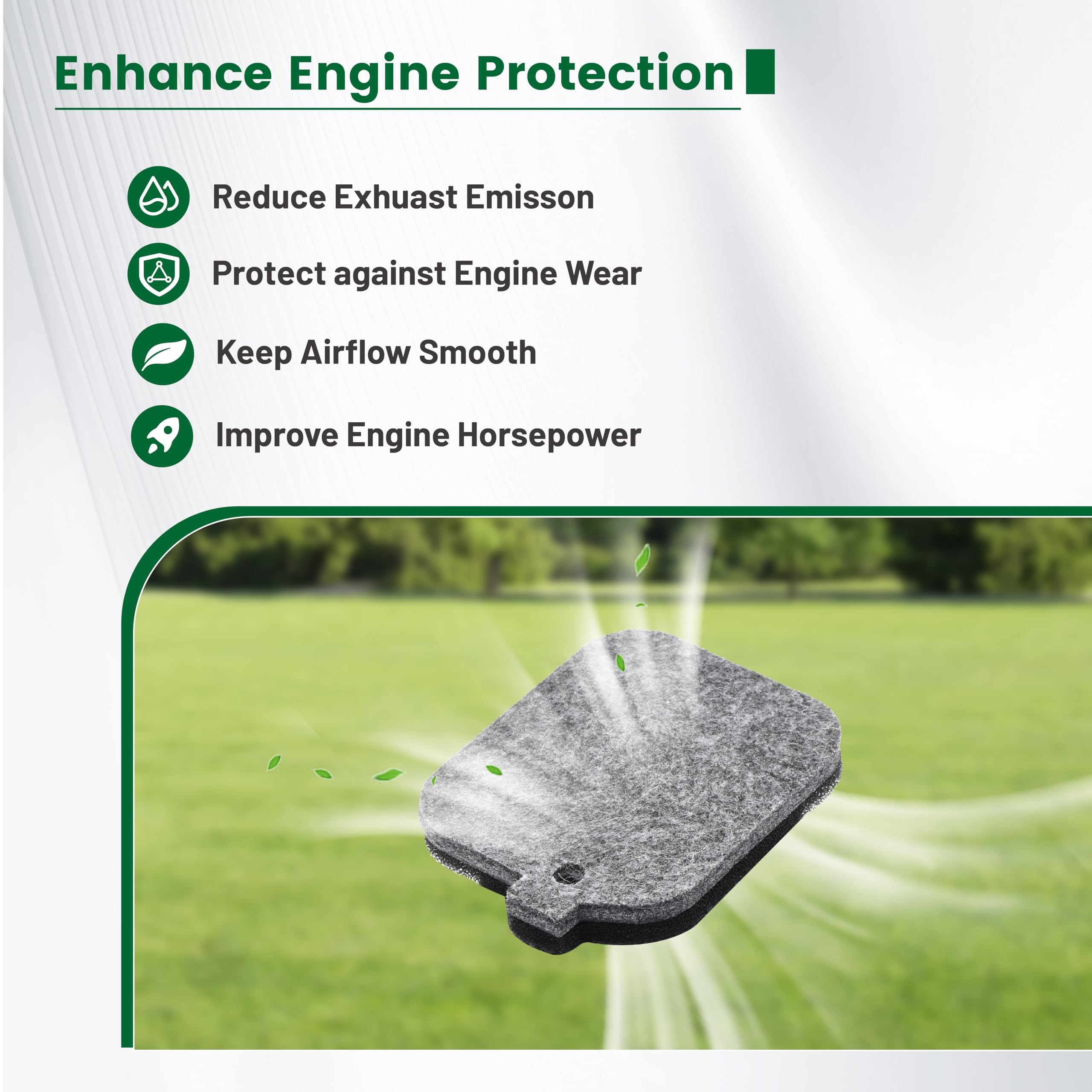
Fuel impurities can damage engine parts like injectors and pumps. The fuel filter catches these particles before they cause harm. This protection extends the life of engine components. It reduces wear and tear inside the engine. Clean fuel parts work better and last longer. The fuel filter acts as a shield for these vital parts.
Credit: www.gilgharda.com
Signs Of A Clogged Fuel Filter
A clogged fuel filter can cause many problems in your engine. It blocks the flow of fuel, making the engine work harder. This leads to poor engine performance and rough rides. Recognizing the signs early helps avoid bigger issues and costly repairs.
Reduced Engine Power
The engine loses strength and feels weak. Acceleration slows down, and the car struggles on hills. Less fuel reaches the engine, so it cannot run at full power. This often happens during heavy loads or fast driving.
Engine Misfires And Hesitation
The engine may skip or jerk while running. This happens when fuel supply is uneven or too low. Hesitation occurs when pressing the gas pedal, causing a delay in response. These issues make driving unsafe and uncomfortable.
Difficulty Starting
Starting the engine takes longer than usual. The engine may crank but fail to start quickly. A clogged filter stops enough fuel from reaching the engine. This problem worsens if the filter is very dirty or old.
Impact On Engine Smoothness
The fuel filter plays a key role in keeping the engine running smoothly. It cleans the fuel before it reaches the engine. Clean fuel helps the engine work without interruptions. This section explains how the fuel filter impacts engine smoothness.
Consistent Fuel Flow
The fuel filter removes dirt and debris from the fuel. This stops blockages in the fuel line. A clear fuel line means fuel flows evenly to the engine. Even fuel flow avoids engine jerks and stalls. The engine runs steady and smooth with consistent fuel supply.
Improved Combustion Efficiency
Clean fuel burns better inside the engine. The fuel filter ensures no impurities mix with the fuel. Pure fuel helps the engine create more power. Better combustion reduces engine vibrations and rough idling. This leads to a smoother and quieter engine performance.
Fuel Filter And Performance Boost
The fuel filter plays a key role in improving engine performance. It cleans the fuel by removing dirt and debris. Clean fuel helps the engine run smoothly and efficiently. This leads to noticeable improvements in how the car drives and feels. A good fuel filter supports better engine function and overall vehicle health.
Enhanced Acceleration
A clean fuel filter allows fuel to flow freely to the engine. This improves the engine’s response when you press the gas pedal. The car accelerates faster and with less effort. Clogged filters restrict fuel flow, causing sluggish acceleration. Replacing the fuel filter restores quick and smooth speed changes.
Better Fuel Economy
Filtered fuel burns more efficiently in the engine. This means the engine uses less fuel to run the same distance. A blocked fuel filter forces the engine to work harder. That results in higher fuel consumption. Changing the filter regularly helps save fuel and reduces trips to the gas station.
Choosing The Right Fuel Filter
Choosing the right fuel filter is key to keeping your engine running smooth. A good filter stops dirt and rust from entering the engine. This helps your car work better and last longer. Picking the wrong filter can cause problems and reduce engine life. Focus on factors that ensure the filter fits and works well with your vehicle.
Compatibility With Your Vehicle
Fuel filters come in many shapes and sizes. Each vehicle needs a specific type of filter. Using the wrong one can block fuel flow or not filter well. Check your vehicle’s manual or ask a trusted mechanic. Ensure the filter matches your engine’s make, model, and year. Correct fitment means better fuel flow and cleaner fuel delivery.
Quality And Material Considerations
Not all fuel filters are equal in quality. High-quality filters use better materials and fine mesh screens. These traps smaller particles and last longer. Cheap filters may break down faster or allow dirt through. Look for filters made with durable metals and safe plastics. A strong filter protects your engine and keeps it smooth.

Credit: www.inter-rivenord.com
Maintenance Tips For Fuel Filters
Maintaining a clean fuel filter is key to keeping your engine running smoothly. Dirt and debris in the fuel can clog the filter. This reduces fuel flow and causes engine problems. Regular care of the fuel filter helps avoid these issues.
Proper maintenance extends the life of your engine. It also improves fuel efficiency and performance. Follow simple tips to keep your fuel filter in good shape.
Recommended Replacement Intervals
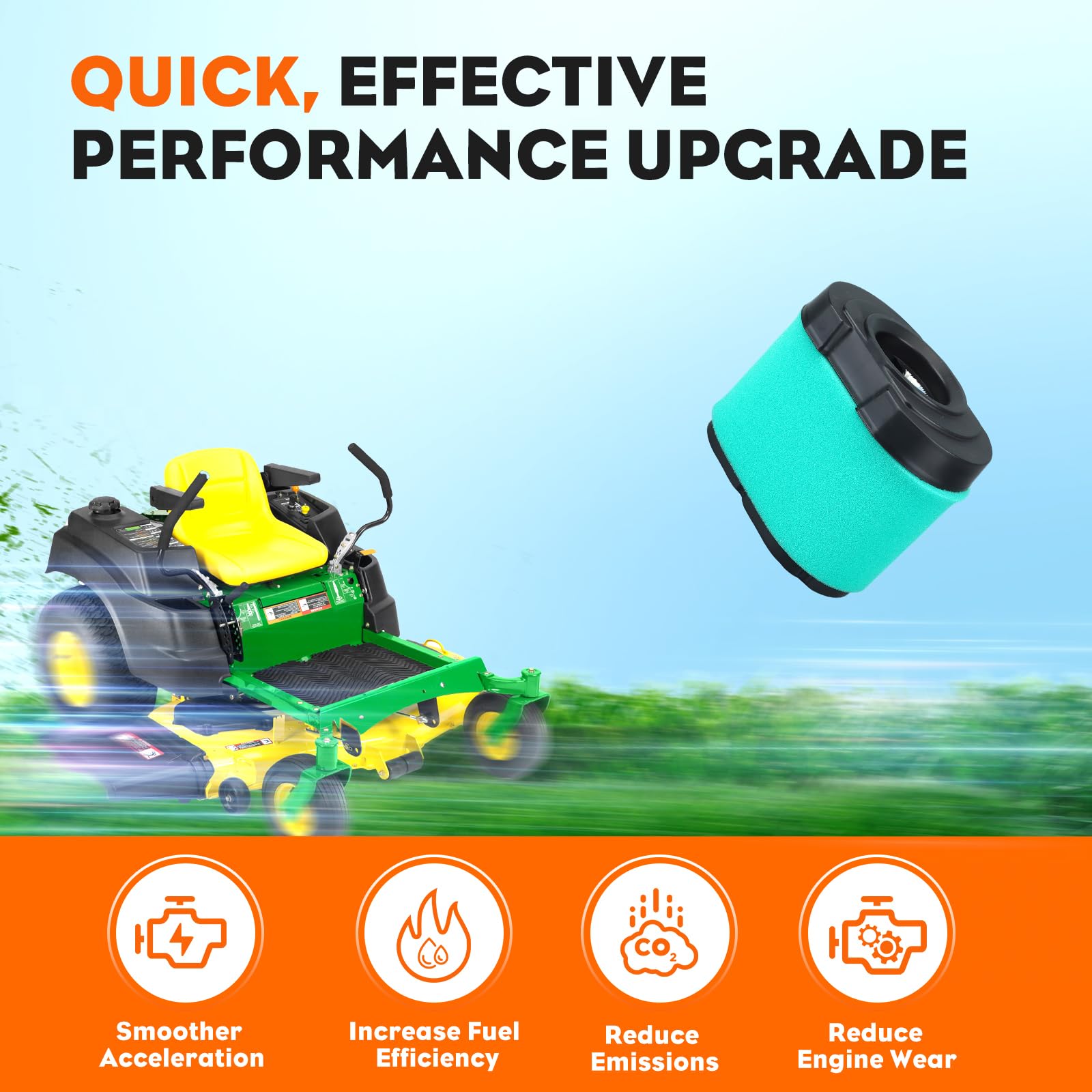
Check your vehicle’s manual for the exact fuel filter replacement schedule. Most cars need a new filter every 20,000 to 40,000 miles. Some older models may require more frequent changes.
Replace the filter on time to prevent clogs. A fresh filter keeps fuel flowing freely. This supports smooth engine operation and reduces wear.
Signs To Replace Early
Watch for engine hesitation or rough idling. These can signal a clogged fuel filter. Trouble starting the engine also suggests fuel flow problems.
Lower fuel efficiency or engine misfires are other warning signs. If you notice these, check the filter sooner. Early replacement stops damage to other engine parts.
Credit: www.martinispa.com
Frequently Asked Questions
How Does A Fuel Filter Improve Engine Smoothness?
A fuel filter removes dirt and debris from the fuel. Clean fuel ensures better combustion. This leads to smoother engine performance and fewer stalling issues.
What Signs Indicate A Clogged Fuel Filter?
Common signs include engine misfires, rough idling, and poor acceleration. You may also notice decreased fuel efficiency or difficulty starting the engine.
How Often Should You Replace Your Fuel Filter?
Typically, replace your fuel filter every 20,000 to 40,000 miles. Check your vehicle’s manual for specific recommendations. Regular replacement maintains engine smoothness and longevity.
Can A Dirty Fuel Filter Damage The Engine?
Yes, a dirty filter restricts fuel flow. This causes engine strain, poor performance, and potential damage to fuel injectors and other components.
Conclusion
A clean fuel filter keeps your engine running smoothly. It stops dirt and debris from reaching the engine. This helps improve fuel flow and engine power. Your car will use fuel more efficiently and run cooler. Regular filter checks prevent engine problems and costly repairs.
A smooth engine means a better driving experience. Keep your fuel filter in good shape for lasting performance. Simple maintenance makes a big difference in engine health. It’s an easy way to protect your vehicle and save money.


