

When your brakes start to feel less responsive or you hear strange noises, you know it’s time to replace your brakes and rotors. But how much should it really cost?
You might be worried about overpaying or getting low-quality parts. Understanding the right price can save you money and give you peace of mind. You’ll discover what affects the cost, what to expect, and how to make sure you’re getting a fair deal.
Keep reading to protect your safety and your wallet.
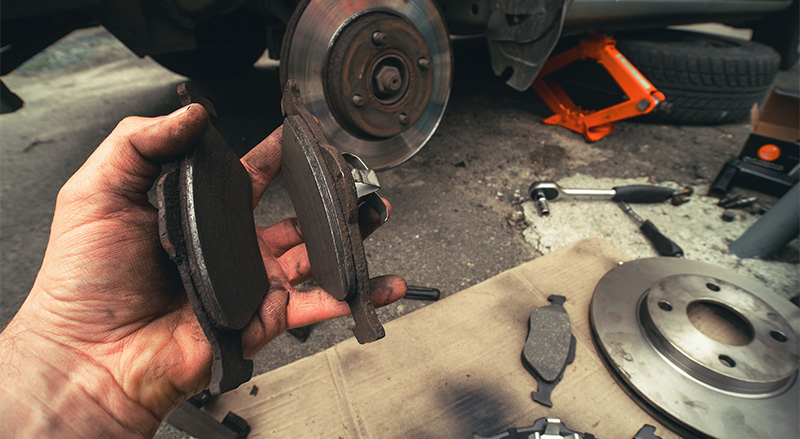
Credit: blog.napacanada.com
Brake Replacement Basics
Brake replacement is important for safe driving. Brakes wear down with use. Knowing the basics helps you spot problems early. This saves money and keeps you safe on the road.
Brakes include pads and rotors. Both parts must work well to stop your car. Understanding their role helps you decide when to repair or replace them.
Signs You Need New Brakes
Your car may show clear signs of brake wear. Listen for squealing or grinding sounds. These noises mean brake pads are thin or worn out.
If your brake pedal feels soft or spongy, it may need attention. Notice if your car pulls to one side when braking. That could mean uneven brake wear.
Vibrations in the brake pedal or steering wheel also signal problems. Check your brakes regularly to avoid accidents.
Role Of Rotors In Braking
Rotors are metal discs attached to the wheels. When you press the brake pedal, pads squeeze the rotors. This creates friction that slows your car.
Good rotors ensure smooth and safe stopping. Damaged or worn rotors reduce braking power. They can also cause vibrations or noise.
Rotors work with pads to keep your car safe. Both need to be in good shape for proper braking.
When To Replace Rotors
Rotors do not last forever. They wear down or get damaged over time. Replace them if they are too thin or warped.
Look for grooves or cracks on the rotor surface. These signs mean the rotor can fail soon. Also, if you feel vibrations while braking, check the rotors.
Replacing rotors on time keeps your brakes working well. It prevents costly repairs and improves driving safety.

Credit: www.youtube.com
Factors Influencing Costs
The cost to replace brakes and rotors varies widely. Several factors affect the total price. Understanding these can help you budget better. Each factor plays a key role in the final bill.
Type Of Vehicle
Different vehicles need different brake parts. Luxury and sports cars usually cost more. Their parts are often harder to find. Larger vehicles like trucks use bigger brakes. This also raises the price. Small cars tend to have cheaper brake replacements.
Quality Of Parts
Brake parts come in various qualities. Economy parts are cheaper but may wear out fast. Premium parts last longer but cost more. Some drivers prefer original manufacturer parts. These parts match the car’s design exactly. Choosing the right quality affects cost and safety.
Labor Charges
Labor costs depend on the shop and the job. Brake replacement can take one to two hours. Complex vehicles need more time and skill. Mechanics with more experience may charge higher rates. Shops with better reputations often ask for more money. Labor fees can be a big part of the total.
Location And Shop Rates
Prices vary by location. Urban areas usually have higher shop rates. Rural shops might charge less but could have fewer options. Dealerships often cost more than independent shops. Always compare prices in your area. This helps avoid paying too much for brake service.
Average Brake And Rotor Replacement Prices
Replacing brakes and rotors is a key part of car maintenance. Knowing the average cost helps you plan your budget. Prices vary based on vehicle type and parts quality. Understanding these differences saves money and avoids surprises at the shop.
Cost For Standard Vehicles
Brake and rotor replacement for standard cars usually costs between $250 and $400 per axle. This price includes parts and labor. Most common sedans and small SUVs fall into this group. The parts are affordable and widely available. Shops can complete the job in one to two hours.
Cost For Luxury And Performance Cars
Luxury and performance cars cost more to repair. Brake and rotor replacement can range from $500 to $1,200 per axle. These vehicles use specialized parts. Labor takes longer because of advanced systems. High-end brands like BMW, Audi, and Mercedes are in this category.
Budget Vs Premium Parts Pricing
Budget brake parts cost less but may wear out faster. They usually range from $50 to $100 per rotor. Premium parts cost $150 or more each. These parts last longer and perform better. Choosing parts depends on your driving style and budget. Quality affects safety and repair frequency.
Diy Vs Professional Replacement
Deciding between DIY brake and rotor replacement or hiring a professional can affect your wallet and safety. Both choices have clear advantages and challenges. Understanding these can help you make the right decision for your vehicle and budget.
Pros And Cons Of Diy
Doing the brake and rotor replacement yourself saves money on labor costs. You learn about your car and gain useful skills. You control the timing and pace of the work. On the downside, it requires tools and a safe workspace. Mistakes can lead to costly repairs or accidents. It takes time, especially for beginners. Not everyone feels confident handling brake parts.
When To Hire A Mechanic
Hire a mechanic if you lack tools or experience. Complex brake systems need professional knowledge. If your brakes show unusual noises or vibrations, experts can diagnose the problem. Professionals provide warranties on their work. They finish the job faster and with precise results. Also, a mechanic can inspect related parts for hidden issues.
Safety Considerations
Brake work affects your car’s safety directly. Incorrect installation can cause brake failure. Always use quality parts and follow instructions carefully. Test brakes in a safe area before driving normally. Wear protective gear and work on a stable surface. If unsure, choosing professional service is the safer option. Your safety and others’ on the road depend on it.
Ways To Save On Replacement
Replacing brakes and rotors can be expensive. Saving money is important. Small steps help reduce the total cost. This section shows easy ways to save on replacement costs. Follow these tips to keep your car safe and your wallet happy.
Using Aftermarket Parts
Aftermarket parts cost less than original equipment. They fit well and work fine for daily driving. Choose parts from trusted brands. Quality matters for safety and performance. Ask your mechanic about good aftermarket options. This choice can cut your bill by a large margin.
Shop Around For Quotes
Prices for brake and rotor replacement vary. Get quotes from several shops before deciding. Compare parts, labor, and warranties offered. Some shops may offer discounts or specials. Don’t pick the first price you get. Shopping around helps you find the best deal.
Regular Maintenance Tips
Keep brakes in good shape with regular checks. Clean brake parts to avoid dirt buildup. Check brake fluid often and replace it as needed. Drive smoothly to reduce wear on brakes. Regular care can extend the life of parts. This means fewer replacements and lower costs.
Common Myths About Brake Costs
Brake repairs and rotor replacements often raise many questions. Myths about their costs can confuse car owners. Understanding these myths helps you make better decisions. Let’s clear up some common misconceptions about brake costs.
Brake Repairs Always Expensive
Many believe brake repairs always cost a lot. The truth is prices vary widely by car type and repair needed. Simple fixes like brake pad replacement can be affordable. More complex repairs may cost more, but not always. Regular maintenance keeps costs lower over time.
Rotors Always Need Replacement
Some think rotors must be replaced every time brakes are fixed. Rotors can often be resurfaced instead. Resurfacing smooths out the rotor surface at a lower cost. Replacement is necessary only if rotors are too thin or damaged. A mechanic will check and advise what is best.
Cheaper Parts Are Unsafe
Many believe cheaper brake parts are unsafe or low quality. This is not always true. Good quality parts can come at different price points. Look for parts that meet safety standards and have good reviews. Ask your mechanic for reliable but affordable options.
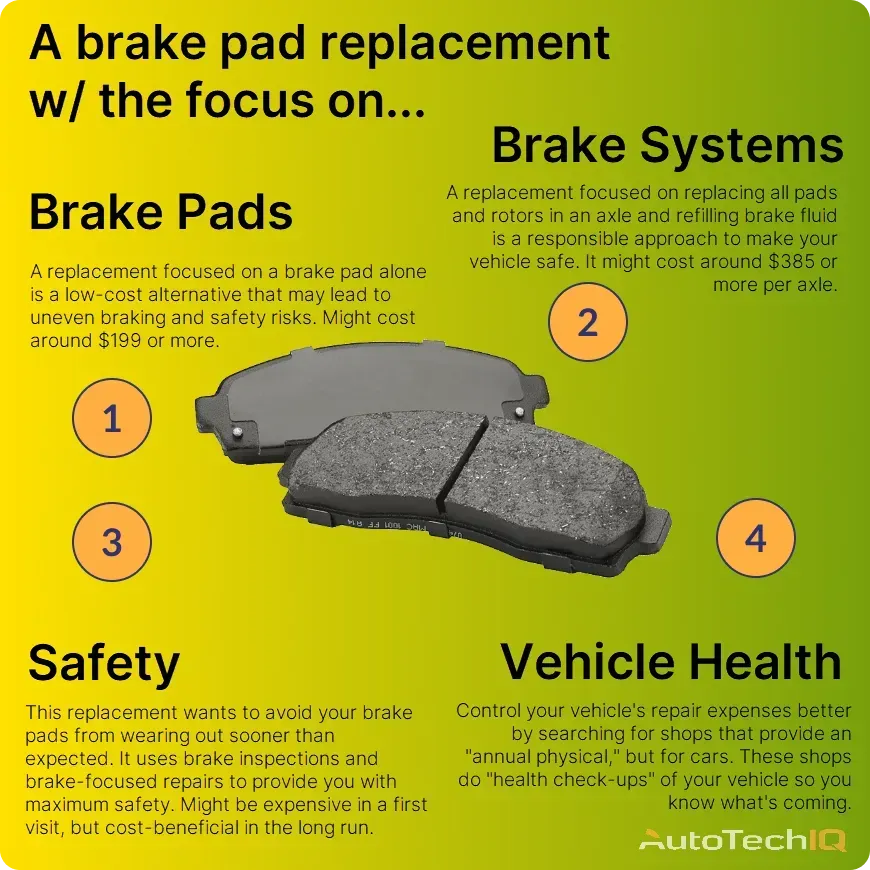
Credit: www.autotechiq.com
Frequently Asked Questions
How Much Does It Cost To Replace Brakes And Rotors?
Replacing brakes and rotors typically costs between $250 and $500. Prices vary based on vehicle type, parts quality, and labor fees. High-performance or luxury cars may cost more. Always get multiple quotes and use quality parts for safety and durability.
What Factors Affect Brake And Rotor Replacement Cost?
Costs depend on vehicle make, part quality, labor rates, and location. Luxury or performance vehicles usually have higher prices. Labor charges vary by shop and region. OEM parts cost more than aftermarket. Additional repairs can increase the total bill.
Can I Replace Brakes And Rotors Myself?
Yes, if you have mechanical skills and proper tools. DIY replacement saves labor costs but requires safety precautions. Incorrect installation risks brake failure. Consult your vehicle manual and follow step-by-step guides carefully before attempting.
How Often Should Brakes And Rotors Be Replaced?
Brake pads need replacing every 30,000 to 70,000 miles. Rotors last longer but may need replacement every 50,000 to 70,000 miles. Signs include squealing, vibrations, and reduced braking power. Regular inspections help maintain safety and prevent costly repairs.
Conclusion
Brake and rotor replacement costs vary by car and location. Quality parts and skilled labor affect the price. Regular checks keep your brakes safe and reliable. Choosing the right service saves money and stress. Don’t delay repairs to avoid bigger problems.
Stay informed to maintain your vehicle’s safety. Good brakes mean safer driving for you and others. Keep your car in top shape with timely care.


