

Have you ever wondered what makes your car shine so brilliantly after a good wax? The secret often lies in Carnauba car wax, known as the “queen of waxes.” But how exactly is this special wax made?
Understanding the process behind Carnauba wax can give you a deeper appreciation for the glossy finish it provides and why it’s a favorite among car enthusiasts. Keep reading to discover the fascinating steps that transform a natural leaf coating into the perfect shine for your vehicle.
Origins Of Carnauba Wax
Carnauba wax has a rich history rooted in nature. It comes from a special palm tree found in Brazil. This wax is valued for its purity and shine. Understanding its origins helps appreciate its quality and uses.
Source Plant And Habitat
Carnauba wax comes from the carnauba palm tree. This tree grows mainly in northeastern Brazil. It thrives in dry, hot climates with sandy soil. The palm is also called “tree of life” by locals. It provides wax, food, and shelter.
Traditional Harvesting Methods
Harvesters collect the wax from palm leaves. They wait for the leaves to dry under the sun. The wax appears as a white powder on the leaves. Workers scrape the wax carefully by hand. This method keeps the wax pure and natural.
Harvesting Carnauba Leaves
Harvesting carnauba leaves is a crucial step in making carnauba car wax. The wax comes from the leaves of the carnauba palm tree. These trees grow mainly in Brazil. The leaves hold a natural wax coating that protects the plant. This wax is carefully collected to create the car wax used on cars worldwide.
Seasonal Collection
Carnauba leaves are collected during certain seasons. The best time is usually the dry season. The dry weather helps the wax harden on the leaves. Harvesting in this season gives the highest quality wax. Farmers watch the weather closely to pick the right time. Collecting leaves at the wrong time can reduce wax quality.
Manual Vs. Mechanical Harvesting
Harvesting can be done by hand or with machines. Manual harvesting means workers climb the palms. They cut the leaves carefully using knives. This method keeps the tree safe and healthy. It takes more time but results in better wax quality.
Mechanical harvesting uses machines to gather leaves. It is faster and needs fewer workers. But machines may damage the leaves or trees. This can lower the quality of wax. Many producers prefer manual harvesting for the best wax.
Extracting The Wax
Extracting carnauba wax is a careful and natural process. It starts with the leaves of the carnauba palm tree. The wax is found on the surface of these leaves as a fine, powdery coating. To get the wax, the leaves must go through several steps. Each step helps separate the wax from dirt and other materials. The final wax is pure and ready for use in car wax products.
Drying And Beating Leaves
First, the carnauba leaves are harvested from the palm tree. They are then spread out under the sun to dry. Drying makes the wax hard and brittle. After drying, the leaves are beaten or shaken. This action breaks the wax off the leaf surface. The wax flakes fall into containers below. This simple method collects the raw wax powder.
Washing And Filtering Process
The raw wax contains dirt and leaf bits. Washing the wax removes these impurities. Water or special solutions rinse the wax flakes thoroughly. After washing, the wax is filtered through fine screens. Filtering separates the clean wax from small particles. The result is a pure and fine wax powder. This wax is then melted and refined for car wax products.
Refining And Purifying
The refining and purifying stage is key in making Carnauba car wax. It ensures the wax is clean and safe for use on cars. This process removes dirt and other unwanted parts from the raw material. The result is a pure, high-quality wax that protects and shines car surfaces.
Melting Techniques
Carnauba wax begins as hard flakes or chunks. These are heated slowly to melt the wax without burning it. The temperature must stay steady to keep the wax smooth. Gentle stirring helps the wax melt evenly. This careful melting keeps the natural shine and texture of the wax.
Removing Impurities
Impurities like dust, plant bits, and color materials must be removed. The melted wax is filtered through fine screens or cloth. Sometimes, it goes through a process called centrifuging to separate impurities by spinning fast. This leaves behind clean, clear wax. The pure wax is then cooled and solidified for use in car care products.
Formulating Carnauba Car Wax
Formulating Carnauba car wax is a careful process. It combines natural ingredients to protect and shine your car’s paint. The wax uses Carnauba, a natural wax from the leaves of the Carnauba palm tree. This wax is hard and glossy, making it ideal for car care products. The formulation process blends Carnauba with other elements to improve its use and performance. This mix creates waxes that suit different needs and conditions.
Blending With Other Ingredients
Carnauba wax is mixed with oils and solvents. These make the wax easier to apply and spread. Sometimes, synthetic waxes join the mix for extra durability. Additives help the wax resist water and dirt. The right balance keeps the wax smooth and shiny. This blend protects the car’s paint from sun and rain.
Creating Different Wax Types
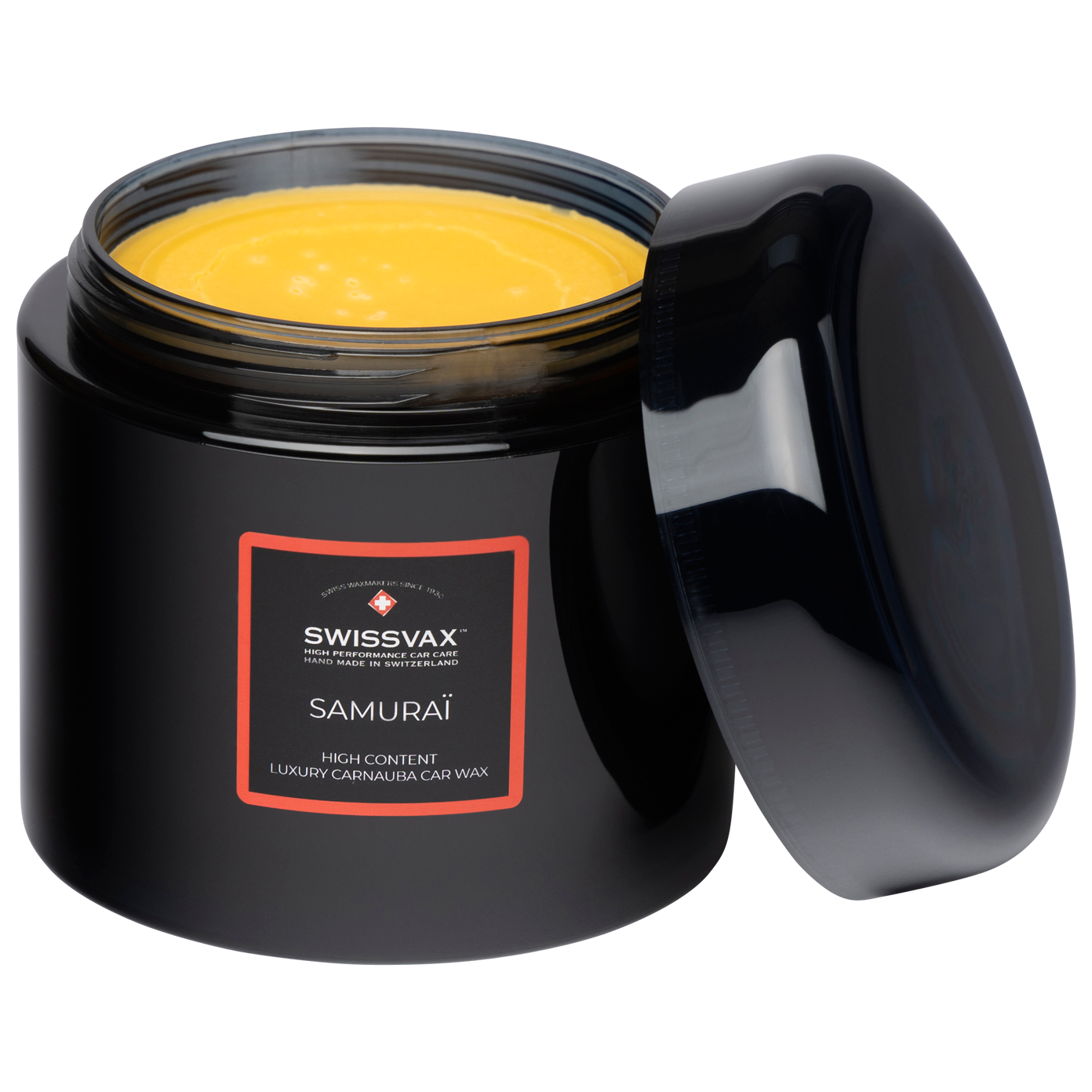
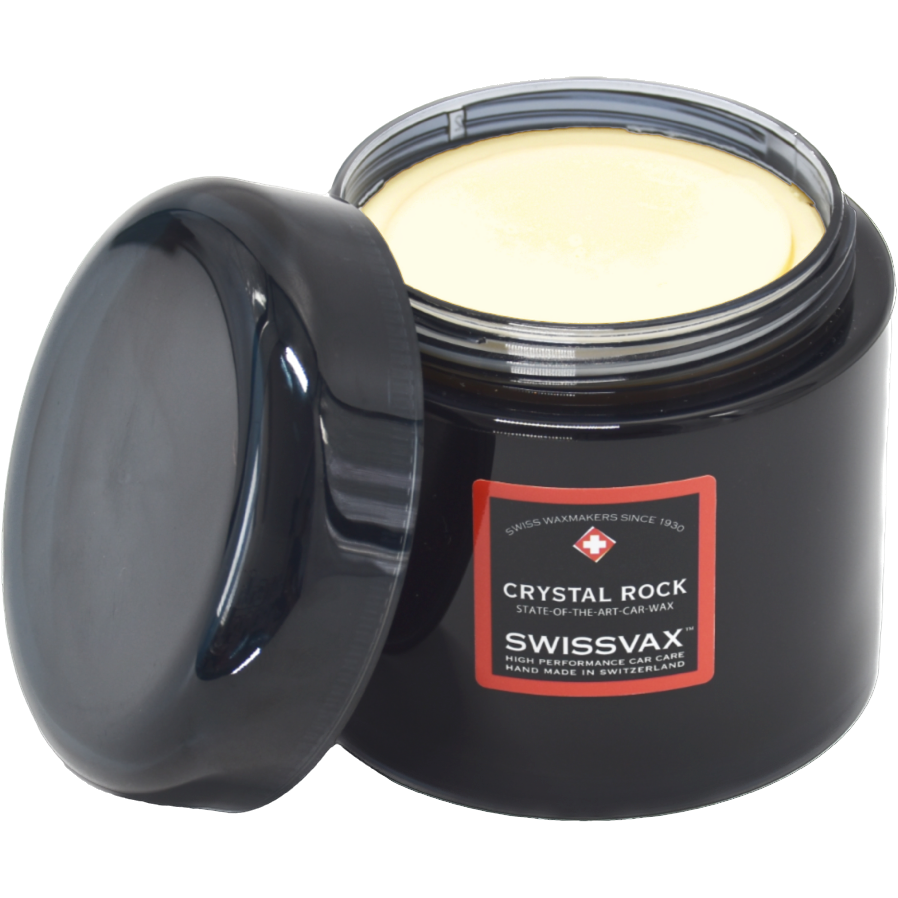
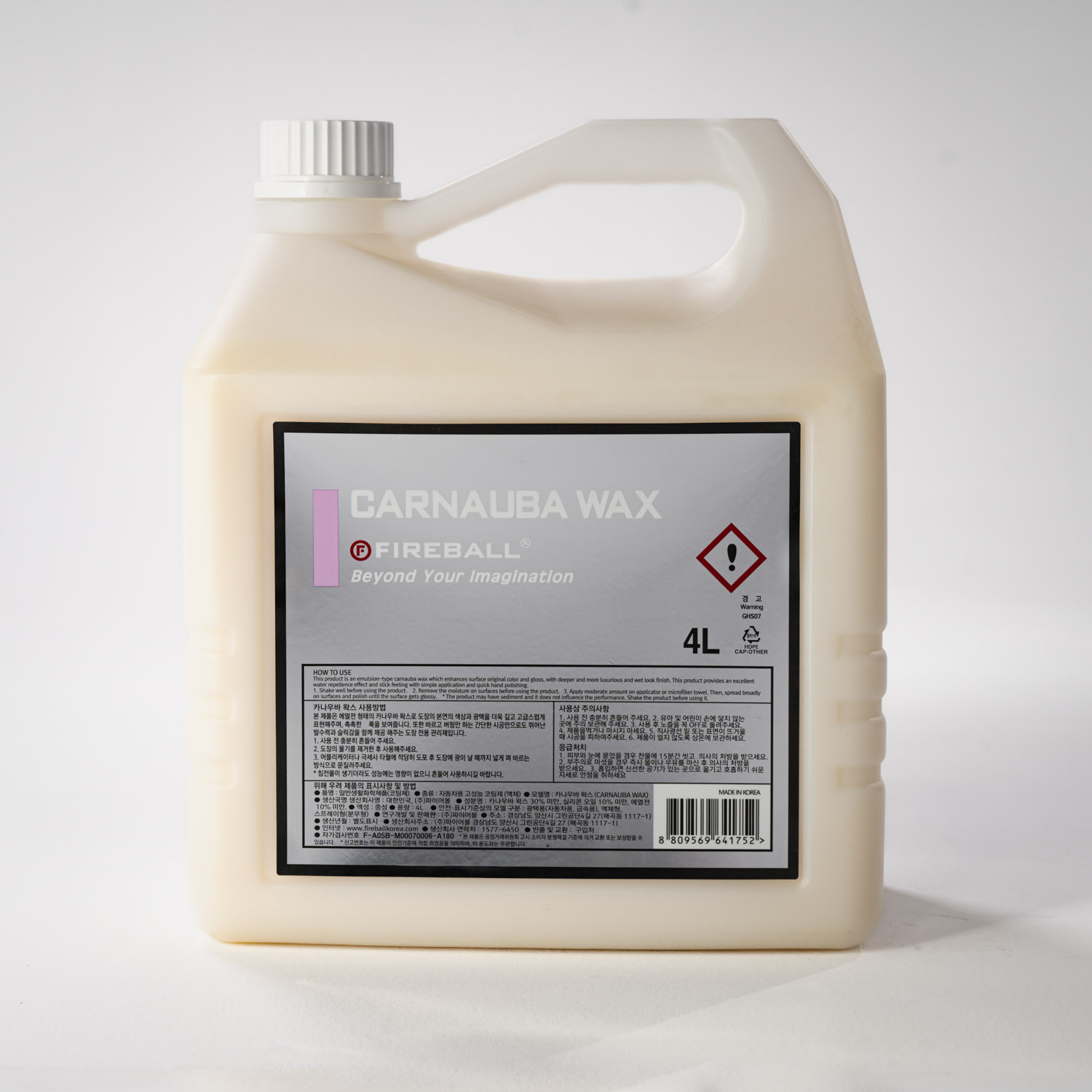
Formulators create paste, liquid, and spray waxes from Carnauba. Paste wax is thick and offers deep shine. Liquid wax is easier to use and dries fast. Spray wax provides quick touch-ups for a clean look. Each type serves different user needs and preferences. This variety helps keep cars beautiful in many ways.
Credit: swissvax.us
Benefits Of Natural Carnauba Wax
Natural carnauba wax offers many benefits for car care. It is a popular choice for those who want a strong and lasting shine. This wax comes from the leaves of the carnauba palm tree. It is pure and free from harsh chemicals. Using natural carnauba wax helps protect your car’s paint while giving it a smooth, glossy finish.
Durability And Shine
Carnauba wax creates a tough, protective layer on your car’s surface. This layer shields against water, dirt, and dust. It lasts longer than many synthetic waxes. The wax enhances the paint’s natural color and brightness. Your car will have a deep, wet-looking shine. This shine keeps the car looking clean for weeks.
Eco-friendly Properties
Carnauba wax is a natural and renewable resource. It comes from a plant that grows without harmful chemicals. The wax breaks down safely in the environment. It does not pollute water or soil. Using natural wax reduces your carbon footprint. It supports eco-friendly car care habits. This makes carnauba wax a good choice for nature lovers.
Sustainable Practices In Production
Sustainable practices in making carnauba car wax help protect nature and support people. The process respects the environment and local communities. It focuses on keeping carnauba plants healthy and fair work for harvesters. These efforts ensure car wax is eco-friendly and ethical. Understanding these practices shows how this natural wax benefits everyone involved.
Protecting Carnauba Plantations
Carnauba plants grow mostly in Brazil’s dry forests. Sustainable harvesting means taking only the leaf wax without harming the plants. Workers collect leaves carefully, allowing the plants to regrow fully. This method keeps the forest healthy and supports wildlife. Avoiding overharvesting helps maintain the natural balance in these areas. It also ensures a steady supply of wax for the future.
Fair Trade And Local Communities
Many local families depend on carnauba wax for income. Fair trade practices guarantee fair wages and safe working conditions. These rules prevent exploitation and support community development. Workers receive training to improve harvesting skills and safety. Profits often help fund schools and healthcare. This creates a positive cycle, benefiting people and the environment together.
Credit: www.autoobsessed.com
Credit: fireball-usa.shop
Frequently Asked Questions
What Is Carnauba Wax And Where Does It Come From?
Carnauba wax is a natural wax harvested from the leaves of the Carnauba palm tree. It mainly grows in northeastern Brazil. The wax is collected by drying and beating the leaves to release the wax powder. This wax is then refined for use in car wax products.
How Is Carnauba Wax Processed For Car Wax Production?
After harvesting, Carnauba wax undergoes cleaning and melting to remove impurities. It is then filtered and bleached to achieve a pure, yellowish wax. This refined wax is mixed with other ingredients to create durable and glossy car wax formulations.
Why Is Carnauba Wax Preferred In Car Waxes?
Carnauba wax provides a deep, glossy finish that protects car paint. It is highly water-resistant and durable, making it ideal for car wax. Its natural origin also appeals to eco-conscious consumers seeking safe and effective car care products.
Can Carnauba Wax Improve Car Paint Protection?
Yes, Carnauba wax forms a protective layer that shields paint from dirt, UV rays, and moisture. This helps maintain the car’s shine and prevents fading or damage. Regular application enhances the paint’s longevity and overall appearance.
Conclusion
Carnauba car wax comes from the leaves of a special palm tree. People harvest and clean these leaves carefully. Then, they heat and filter the wax to make it pure. This natural wax gives cars a shiny and protective coat.
It lasts long and resists water well. Using carnauba wax keeps your car looking fresh and bright. Now you know how this natural product is made and why it is popular. Simple steps create a strong, natural wax for your car’s shine.


