

Getting new brakes and rotors is a great step toward keeping your vehicle safe and running smoothly. But did you know that simply installing them isn’t enough?
How you bed your new brakes and rotors can make a huge difference in performance, longevity, and safety. If you want to avoid noisy brakes, uneven wear, or reduced stopping power, you need to follow the right process. You’ll learn exactly how to bed your new brakes and rotors the right way—simple steps that anyone can do.
Keep reading, because this could save you time, money, and stress down the road.
Why Bedding Matters
Bedding new brakes and rotors is a crucial step after installation. It helps create a smooth and even surface between the brake pads and rotors. This process improves how well your brakes work and keeps them lasting longer. Ignoring bedding can cause poor brake performance and faster wear. Understanding why bedding matters makes a big difference for safe driving and saving money.
Impact On Brake Performance
Bedding helps the brake pads and rotors work together perfectly. It allows the pads to transfer a thin layer of material evenly onto the rotor surface. This layer improves grip and reduces noise during braking. Without bedding, brakes might feel weak or grab suddenly. Proper bedding ensures smooth and reliable stopping power every time you press the pedal.
Extending Brake Lifespan
New brake parts wear faster without proper bedding. Uneven contact causes hot spots and warping on rotors. Pads can also wear irregularly, lowering their life. Bedding helps parts wear evenly by allowing them to settle correctly. This means your brakes last longer and need fewer repairs. Taking time to bed brakes saves money in the long run.
Safety Considerations
Brakes are your car’s most important safety feature. Poorly bedded brakes can lead to longer stopping distances. They may also cause vibration or brake fade in tough situations. Proper bedding reduces risks by improving brake response and control. It gives drivers confidence and peace of mind on the road.
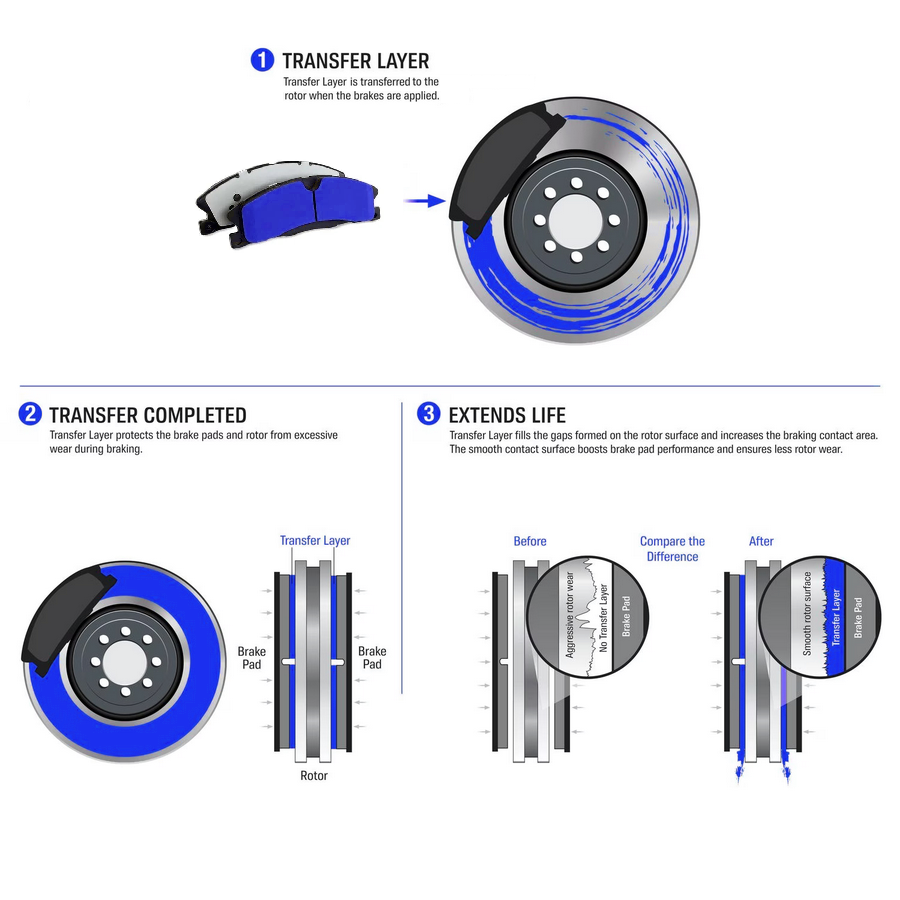
Credit: www.brakes-shop.com
Preparing For Bedding
Preparing for bedding new brakes and rotors is a crucial step. This process helps the brake parts work well together. It improves braking power and extends the life of the components. Proper preparation ensures safety and smooth performance on the road.
Gathering Necessary Tools
Start by collecting all needed tools. Common tools include a jack, lug wrench, and brake cleaner. Have a torque wrench ready for tightening bolts. Keep clean rags nearby for wiping parts. Having tools organized saves time and avoids mistakes.
Inspecting New Components
Check the new brake pads and rotors carefully. Look for any damage or defects. Make sure the parts match your vehicle’s model. Inspect the thickness of the rotors and pads. Confirm all hardware like clips and screws are included.
Ensuring Clean Surfaces
Clean the rotors before installing them. Use brake cleaner to remove oil and dirt. Avoid touching the rotor surface with bare hands. Also, clean the brake caliper and mounting points. Clean surfaces help brakes seat properly and prevent noise.
Step-by-step Bedding Process
Bedding new brakes and rotors is a crucial step for safety and performance. This process helps the brake pads and rotors work together smoothly. Proper bedding ensures better stopping power and longer part life. Follow this step-by-step bedding process to get the best results.
Initial Warm-up Stops
Start by driving at a low speed. Gently apply the brakes to slow down. Make about 5 to 6 stops from 30 mph to 10 mph. Avoid coming to a full stop. This helps warm the brakes evenly. It prepares the pads and rotors for better contact.
Progressive Braking Technique
Next, increase your speed to 40-50 mph. Apply the brakes firmly but not hard. Make 8 to 10 stops with moderate pressure. Let the brakes cool slightly between stops. This step builds heat gradually. It transfers pad material onto the rotors evenly.
Cooling Periods Between Stops
After each set of stops, drive without braking. Keep a steady speed around 30 mph. This cools the brake parts safely. Avoid stopping completely during this time. Cooling prevents brake damage and fading. Repeat this cycle until the brakes feel consistent.

Credit: goodcar.com
Common Mistakes To Avoid
Bed new brakes and rotors carefully to ensure safety and performance. Avoiding common mistakes saves time and money. These errors can reduce brake life and cause noise or vibration. Follow simple steps to prevent problems.
Overheating The Brakes
Do not apply brakes too hard during bedding. Excess heat can damage brake pads and rotors. Overheating causes warping and reduces stopping power. Use gentle, steady braking to avoid this issue.
Incomplete Bedding Cycles
Stopping too soon or skipping steps hurts bedding results. Complete the full bedding process for even pad and rotor contact. This creates a smooth braking surface and avoids uneven wear. Patience helps brakes last longer.
Ignoring Manufacturer Instructions
Each brake set has specific bedding guidelines. Ignoring these can lead to poor brake function and safety risks. Follow the instructions exactly for best results. The manual has important details on speed and braking force.
Signs Of Proper Bedding
Proper bedding of new brakes and rotors is key for safety and performance. It helps parts wear evenly and work well together. Knowing the signs of proper bedding tells you the job is done right. These signs show your brakes are ready for everyday use and will last longer.
Improved Brake Response
You will notice the brakes respond faster. Pressing the pedal stops the car more quickly. The car feels safer on the road. This means the brake pads and rotors have a good contact surface. Proper bedding creates this smooth and strong grip.
Reduced Noise And Vibration
New brakes often make noise at first. After bedding, this noise fades or disappears. Vibrations through the pedal or steering wheel also lessen. This shows the brake parts fit well and work smoothly. Quiet brakes mean no rough spots on rotors or pads.
Consistent Pedal Feel
The brake pedal feels steady and firm every time you press it. No soft or spongy feeling occurs. This means the brake fluid and parts are working well together. A consistent pedal feel helps you control the car safely and easily.
Maintaining Brakes After Bedding
Maintaining brakes after bedding is key for long-lasting performance and safety. Bedding helps new brakes and rotors work smoothly. Proper care keeps them effective and extends their life. Regular attention prevents problems and costly repairs.
Regular Inspections
Check your brakes often for wear and damage. Look at brake pads, rotors, and calipers. Notice any unusual noises or vibrations while driving. Early detection of issues helps avoid bigger problems later. A simple inspection can save money and keep you safe.
Cleaning And Lubrication
Keep brake parts clean from dirt and dust. Use brake cleaner spray to remove grime. Avoid using grease on brake pads or rotors. Apply proper brake lubricant on caliper pins and other moving parts. Clean and well-lubricated brakes work quietly and smoothly.
Monitoring Brake Fluid
Brake fluid transfers force from pedal to brakes. Check fluid level regularly and top it up if low. Use the recommended brake fluid type for your vehicle. Replace brake fluid every two years or as suggested. Clean fluid ensures brakes respond quickly and stay safe.

Credit: www.goldwagen.com
Frequently Asked Questions
What Is The Purpose Of Bedding New Brakes And Rotors?
Bedding ensures even transfer of brake pad material to rotors. This process improves braking efficiency and extends component life. Proper bedding reduces noise, vibrations, and uneven wear for safer driving.
How Do You Properly Bed New Brake Pads And Rotors?
Drive slowly and apply brakes gently multiple times to heat pads and rotors. Avoid heavy braking initially. Let brakes cool down between stops. Repeat this process to create a smooth, even brake surface.
How Long Does It Take To Bed New Brakes And Rotors?
Bedding typically takes about 20 to 30 minutes of controlled driving. It involves multiple gradual stops to heat and cool brake components. This time frame ensures optimal brake performance and durability.
Can You Drive Immediately After Bedding Brakes And Rotors?
Yes, but avoid hard braking for at least 200 miles. This precaution allows pads and rotors to settle properly. Driving gently helps maintain brake effectiveness and prevents premature wear.
Conclusion
Bedding new brakes and rotors helps your car stop safely and smoothly. It takes a few careful steps and some patience. Follow the right process to avoid damage and improve brake life. Remember to drive gently at first and avoid hard stops.
Check your brakes often during the first few days. Proper bedding gives you better control and peace of mind. Taking time now saves you money and trouble later. Keep your car safe by caring for your brakes well. Simple steps make a big difference on the road.


