

Have you ever wondered how long your brake rotors actually last? Knowing this can save you money, keep you safe, and prevent unexpected car troubles.
Your brake rotors play a crucial role in stopping your vehicle smoothly, but they wear down over time. If you ignore the signs, you could face costly repairs or even accidents. You’ll discover exactly how to tell when your rotors need replacing and what factors affect their lifespan.
Keep reading to protect your car and drive with confidence.
Brake Rotor Basics
Brake rotors are an important part of your vehicle’s braking system. They work with brake pads to stop the car safely. Knowing the basics about brake rotors helps you keep your car in good shape. It also tells you when to replace them for safe driving.
Rotors come in different types and designs. Each type affects how your brakes perform. Also, many factors can cause rotors to wear out faster. Understanding these details can save money and improve safety on the road.
Types Of Brake Rotors
There are three main types of brake rotors: solid, vented, and drilled or slotted. Solid rotors are simple and used in small cars. Vented rotors have air channels to cool faster. Drilled or slotted rotors help remove heat and water, improving stopping power.
How Rotors Work
Brake rotors spin with the wheels. When you press the brake pedal, brake pads press against the rotors. This pressure creates friction, which slows the wheels down. The friction also creates heat, which rotors must handle well to keep braking strong.
Factors Affecting Rotor Wear
Several things affect how long rotors last. Driving style is a big factor. Hard braking wears rotors faster. Road conditions like dirt and water also add wear. Poor maintenance, like not changing brake pads, can damage rotors too. Quality of the rotor matters for durability.

Credit: www.reddit.com
Signs Of Worn Brake Rotors
Worn brake rotors can affect your car’s safety and performance. Knowing the signs helps you act early. This keeps your brakes working well and avoids costly repairs. Below are common signs that your brake rotors need attention.
Noise And Vibrations
Listen for squealing or grinding sounds when braking. These noises often mean the rotors are worn or uneven. You may also feel vibrations through the brake pedal. Shaking can signal warped rotors. These signs show the rotors need checking or replacement.
Visual Inspection Tips
Look at the rotors through the wheel spokes. Deep grooves or scoring on the surface show wear. Rust patches or discoloration also indicate damage. Thin rotors are dangerous and should be replaced. Regular checks help spot problems before they get worse.
Performance Changes
Notice if your car takes longer to stop. Soft or spongy brake pedals are a warning sign. The vehicle might pull to one side during braking. These changes often mean rotor problems. Pay attention to braking feel and response for safety.
Average Lifespan Of Brake Rotors
Brake rotors are crucial for safe driving. Knowing their average lifespan helps you maintain your vehicle well. Rotors wear down over time and need replacing at the right moment.
The lifespan depends on many factors. Some rotors last longer than others. Understanding these factors helps you plan maintenance better.
Mileage Expectations
Most brake rotors last between 30,000 and 70,000 miles. Some can go beyond 70,000 miles with good care. Others may wear out sooner due to heavy use.
Checking rotors regularly helps catch wear early. This prevents damage to other brake parts and keeps you safe.
Impact Of Driving Habits
Hard braking shortens rotor life. Frequent stops in city traffic increase wear. Gentle braking on highways helps rotors last longer.
Driving on steep hills or carrying heavy loads wears rotors faster. Smooth, steady driving extends rotor lifespan and reduces costs.
Vehicle And Rotor Material Influence
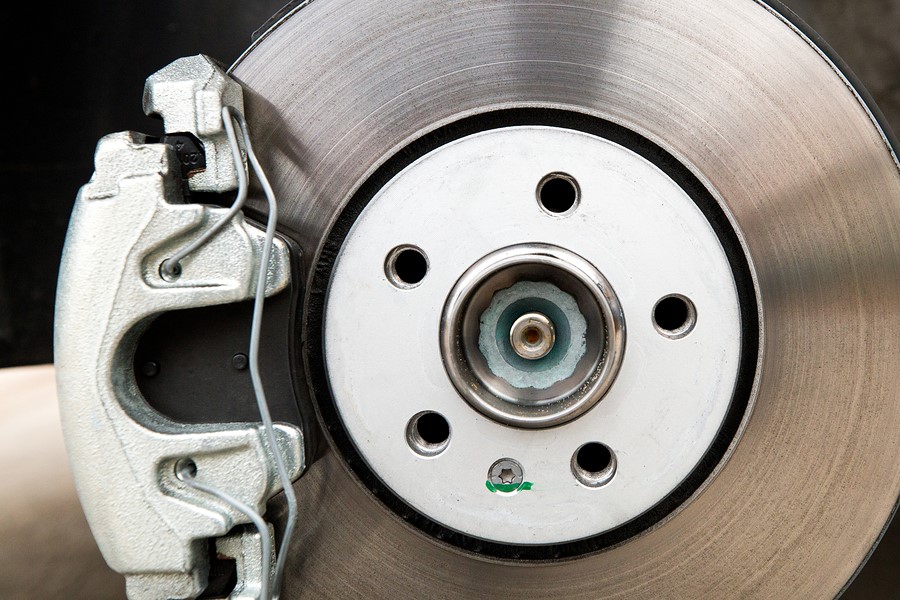
Different vehicles use various rotor types. Some rotors are made from cast iron, others from composites or steel. Material affects durability and heat resistance.
Sports cars often have high-performance rotors that wear faster. Everyday cars use standard rotors designed for longer life.
Credit: haresservicingandrepairsltd.co.uk
Tips To Extend Rotor Life
Brake rotors wear down over time, but you can help them last longer. Taking care of rotors saves money and keeps your brakes working well. Follow simple tips to protect your rotors and improve safety on the road.
Proper Driving Techniques
Drive smoothly to reduce brake wear. Avoid sudden stops and hard braking. Use engine braking by downshifting on hills. This lowers heat and stress on rotors. Keep a safe distance from other cars. It helps prevent frequent braking. These habits protect your rotors and extend their life.
Regular Maintenance Checks
Check your brakes often for signs of damage. Listen for squealing or grinding noises. Inspect rotors for grooves, cracks, or warping. Rotors in poor condition need attention fast. Regular checks catch problems early. They prevent bigger repairs and keep rotors healthy.
Brake Pad Replacement Timing
Replace brake pads before they wear out completely. Worn pads cause metal to touch rotors. This damages the rotor surface quickly. Follow your car’s recommended pad replacement schedule. Using quality brake pads helps too. Timely pad changes protect rotors and improve braking.
When To Replace Brake Rotors
Knowing when to replace brake rotors is key to safe driving. Rotors wear down over time and lose effectiveness. Replacing them at the right time keeps your brakes working well. Ignoring worn rotors can lead to poor stopping power or damage to other parts.
Rotor Thickness Limits
Every rotor has a minimum thickness limit set by the manufacturer. Measuring rotor thickness helps decide if replacement is needed. If the rotor is thinner than the limit, it must be replaced. Thin rotors heat up faster and can warp or crack easily.
Warping And Cracks
Warped rotors cause vibrations when braking. You may feel a shaking in the brake pedal. Cracks on the rotor surface are signs of damage. Cracked rotors can break apart and fail suddenly. Both warping and cracks require immediate rotor replacement for safety.
Cost Vs. Safety Considerations
Replacing rotors costs money but ensures safety. Worn or damaged rotors reduce brake performance. Poor brakes increase accident risks. Spending on rotor replacement prevents costly repairs later. Prioritize safety over saving a small amount on old rotors.
Rotor Maintenance And Care
Brake rotors need regular care to last longer and work well. Proper maintenance helps avoid problems like warping or uneven wear. Simple habits can keep rotors smooth and safe for driving.
Cleaning rotors removes dirt and brake dust. Avoiding overheating protects the metal from damage. Checking rotors with a professional keeps your brakes in top shape.
Cleaning Methods
Clean rotors gently to avoid scratches. Use a soft cloth and mild soap with water. Brake cleaner sprays work well to remove tough grime. Avoid harsh chemicals that can damage the rotor surface. Clean rotors after driving in rain or mud.
Avoiding Overheating
Overheating causes rotors to warp and crack. Drive smoothly and avoid hard braking often. Use engine braking on long descents to reduce heat. Let brakes cool down after heavy use. Overheated rotors reduce brake effectiveness and wear out faster.
Professional Inspection Benefits
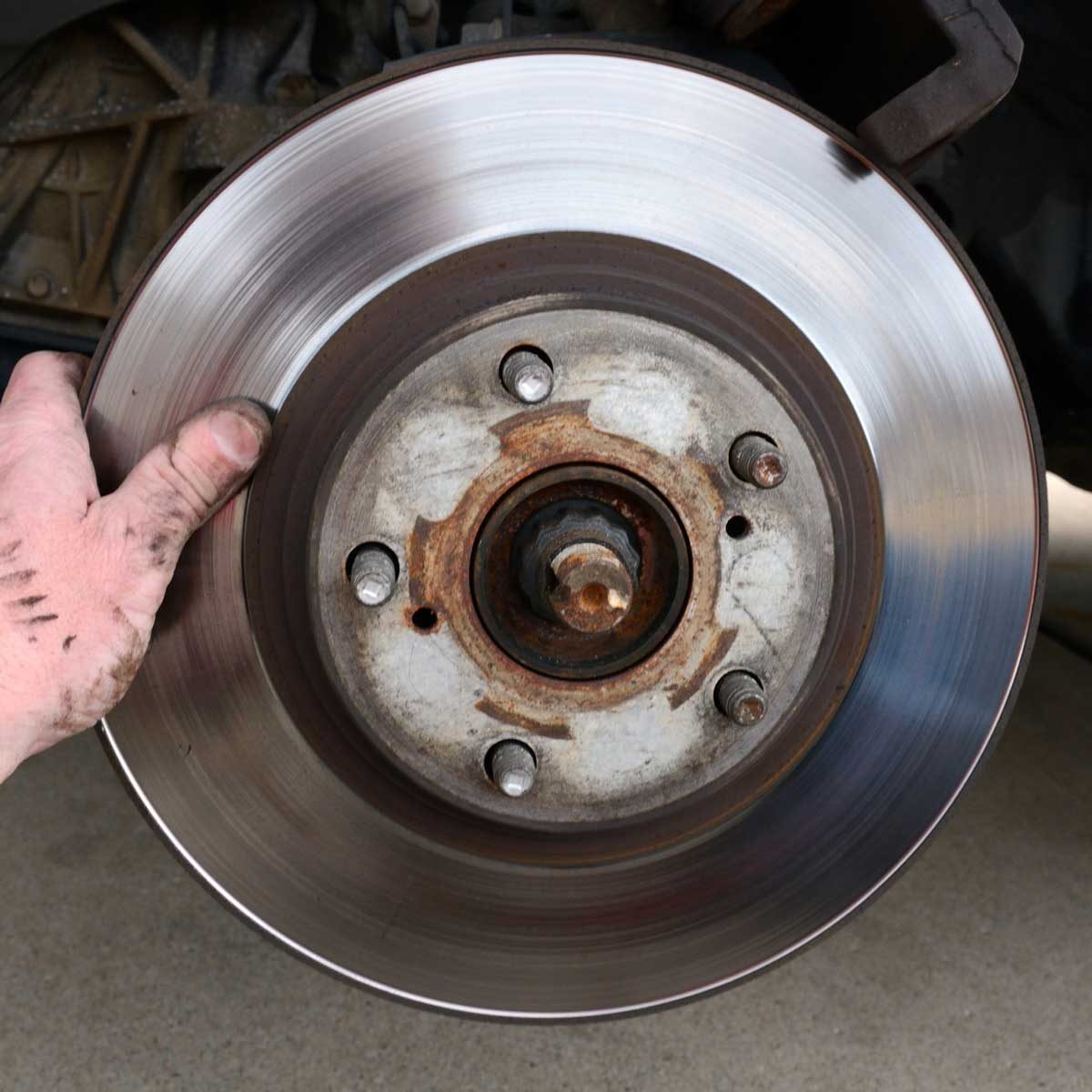
Experts check rotors for thin spots and cracks. They measure rotor thickness to ensure safety. Professionals spot uneven wear early on. Regular inspections catch problems before they get worse. Trusting experts helps keep your brakes reliable and safe.
Credit: www.familyhandyman.com
Frequently Asked Questions
How Long Do Brake Rotors Typically Last?
Brake rotors usually last between 30,000 and 70,000 miles. This depends on driving habits, vehicle type, and rotor quality. Regular maintenance can help extend their lifespan.
What Factors Affect Brake Rotor Lifespan?
Driving style, road conditions, and brake pad material impact rotor life. Frequent hard braking and heavy loads cause faster wear. Proper maintenance and smooth driving improve rotor durability.
When Should I Replace My Brake Rotors?
Replace rotors if they show deep grooves, warping, or vibration. Also, if thickness is below manufacturer specifications, replacement is necessary. Regular inspections help catch rotor issues early.
Can I Resurface Brake Rotors Instead Of Replacing?
Yes, rotors can be resurfaced if wear is minor and thickness allows. Resurfacing removes surface imperfections and extends rotor life. However, severe damage requires full replacement.
Conclusion
Brake rotors usually last between 30,000 and 70,000 miles. Driving habits and road conditions affect their lifespan. Regular checks help spot wear early. Worn rotors can cause noise and poor braking. Changing rotors on time keeps your car safe. Simple care can extend how long they last.
Watch for signs like vibrations or squeaking sounds. Taking action early saves money and stress. Keep your brakes in good shape for smooth driving.


