

Have you ever wondered how long your car can run without oil before serious damage happens? It’s a question every driver should know the answer to because oil is the lifeblood of your engine.
Without it, your car’s parts can grind together and wear out fast. You’ll discover exactly what happens when your car runs low on oil, how long it can actually go without it, and what warning signs you need to watch for.
Keep reading—you’ll learn how to protect your engine and avoid costly repairs that could leave you stranded.

Credit: www.youtube.com
Role Of Oil In Engine Health
Engine oil plays a very important role in keeping a car’s engine healthy. It does more than just sit inside the engine. Oil helps many parts work smoothly and stops damage. Without oil, the engine parts can wear out very fast.
Understanding how oil helps the engine shows why it is needed all the time. It keeps the engine running well and stops it from breaking down.
Lubrication And Friction Reduction
Oil acts like a slippery layer between engine parts. It stops metal parts from rubbing directly. This reduces friction. Less friction means less heat and less wear. The engine parts move easier and last longer. Without oil, parts grind together and break fast.
Cooling Engine Components
Engine oil helps carry heat away from hot parts. The engine gets very hot when running. Oil absorbs some heat and moves it to cooler areas. This helps keep engine temperature steady. A cooler engine works better and avoids damage.
Preventing Corrosion And Wear
Oil forms a protective barrier on metal surfaces. This barrier stops moisture and air from causing rust. Rust and corrosion can damage engine parts quickly. Oil also helps clean dirt and small particles. This keeps the engine parts safe and working well.
Credit: alohaautorepairtx.com
Consequences Of Running Without Oil
Running a car without oil causes serious damage fast. Oil keeps the engine parts moving smoothly. Without oil, parts rub directly. This leads to many problems that can break the engine.
Increased Friction And Heat
Oil reduces friction between engine parts. Without oil, metal parts grind against each other. This creates a lot of heat. Heat causes parts to wear out quickly. The engine works harder and can fail soon.
Engine Overheating Risks
Oil helps cool the engine by carrying heat away. Without oil, heat builds up inside the engine. Overheating can cause metal to warp or crack. This damages the engine’s structure. Overheating also affects the car’s performance badly.
Component Seizure And Failure
Without oil, moving parts can seize or lock up. This stops the engine from working at all. Bearings, pistons, and other parts can break. Repairing or replacing these parts costs a lot. Running without oil leads to complete engine failure.
Timeframe For Damage Onset
The timeframe for damage onset without oil in a car is very short. Oil keeps the engine parts cool and stops them from rubbing together. Without oil, metal parts wear down fast. Damage can start in just a few minutes. Understanding how quickly harm happens helps you act fast to save your engine.
Minutes Vs. Hours Without Oil
In minutes, engine parts begin to heat up and grind. Without oil, friction rises rapidly. This causes metal to wear and can break parts. Within an hour, severe damage occurs. The engine can seize, making the car unusable. Even a short time without oil is risky.
Factors Influencing Damage Speed
Engine size and type change how fast damage happens. Older engines may fail faster without oil. High engine temperatures speed up wear. Driving hard or fast raises engine heat. Low oil levels cause quicker damage too. The condition of engine parts affects damage speed.
Signs Of Imminent Engine Failure
Warning signs appear quickly without oil. Strange noises like knocking or ticking show parts rubbing. The oil pressure light on the dashboard may turn on. Engine overheating is a critical sign. Loss of power or stalling can also happen. These signs mean the engine needs oil now.
Common Engine Damage Types
Engines need oil to run smoothly. Oil stops parts from rubbing hard against each other. Without oil, many engine parts break fast. This section explains common engine damage types from no oil.
Bearing Damage
Bearings help the engine parts turn easily. Oil keeps them cool and slippery. Without oil, bearings heat up and wear out quickly. This causes loud knocking sounds and engine failure.
Piston And Cylinder Wear
Pistons move inside cylinders to create power. Oil forms a thin layer to prevent metal rubbing. Without oil, pistons and cylinders wear fast. This leads to loss of power and smoke from the exhaust.
Camshaft And Crankshaft Issues
Camshaft and crankshaft control engine timing and movement. They rely on oil for smooth rotation. No oil causes these parts to grind and seize. This can stop the engine from working completely.
Preventing Oil-related Engine Damage
Engine oil is the lifeblood of your car’s engine. It keeps the engine parts moving smoothly and stops them from rubbing together. Without enough oil, parts can wear out fast and cause serious damage. Protecting your engine means taking steps to prevent oil-related problems.
Small actions help avoid big repairs. Knowing how to care for your engine oil is key to keeping your car running longer and stronger.
Regular Oil Checks And Changes
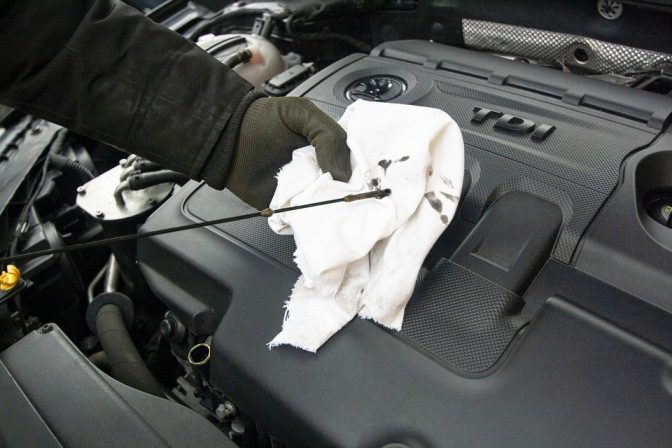
Check your oil level often. Use the dipstick to see if the oil is low or dirty. Change the oil and oil filter at the times your car’s guide says. Old oil loses its power to protect the engine. Fresh oil keeps parts clean and cool.
Oil Pressure Monitoring
Watch the oil pressure gauge on your dashboard. Low oil pressure can mean a leak or worn pump. It can also signal low oil level. Stop driving if the pressure drops suddenly. Fixing the problem early saves your engine.
Using Quality Engine Oil
Choose the right oil for your car. Check the owner’s manual for the right type and grade. Good quality oil flows well and protects engine parts better. Cheap or wrong oil can break down fast and harm your engine.
Steps To Take If Oil Runs Low
Running low on oil can harm your car quickly. Oil keeps the engine parts moving smoothly. Without enough oil, friction rises, causing damage fast. Knowing the right steps helps protect your engine.
Immediate Actions To Minimize Damage
Check the oil level using the dipstick right away. Add oil if the level is low to avoid running dry. Use the correct type of oil for your car. Avoid hard driving or high speeds to lower stress on the engine.
When To Stop Driving
Stop the car immediately if the oil warning light turns on. Continuing to drive can cause serious engine damage. Pull over safely and turn off the engine. Wait for the engine to cool before checking the oil again.
Getting Professional Inspection
Visit a mechanic as soon as possible for a full checkup. They can find leaks or damage caused by low oil. A professional can replace the oil and filter correctly. Early inspection saves you from costly repairs later.

Credit: oilchangers.com
Frequently Asked Questions
How Long Can A Car Run Without Oil?
A car can run only a few seconds to minutes without oil. Lack of oil causes rapid engine damage due to friction and overheating. Immediate shutdown prevents severe engine failure.
What Happens If A Car Runs Out Of Oil?
Running out of oil causes metal parts to grind and overheat. This leads to engine seizure, costly repairs, or complete engine replacement. Always check oil levels regularly.
Can An Engine Survive Without Oil Temporarily?
Engines cannot survive without oil even briefly. Oil lubricates and cools engine parts. Without it, internal damage starts within seconds, risking permanent engine failure.
How To Prevent Engine Damage From Low Oil?
Regularly check and change your oil as recommended. Use quality oil and monitor oil pressure warnings. Timely maintenance prevents engine wear and expensive repairs.
Conclusion
Running a car without oil damages the engine fast. Most engines fail within minutes without oil. Oil keeps parts moving smoothly and cool. Always check oil levels regularly to avoid problems. Ignoring oil needs can lead to costly repairs. Take care of your car by changing oil on time.
A healthy engine means a safer and longer drive. Small effort now saves big trouble later. Don’t risk your car’s health; keep oil full.
