
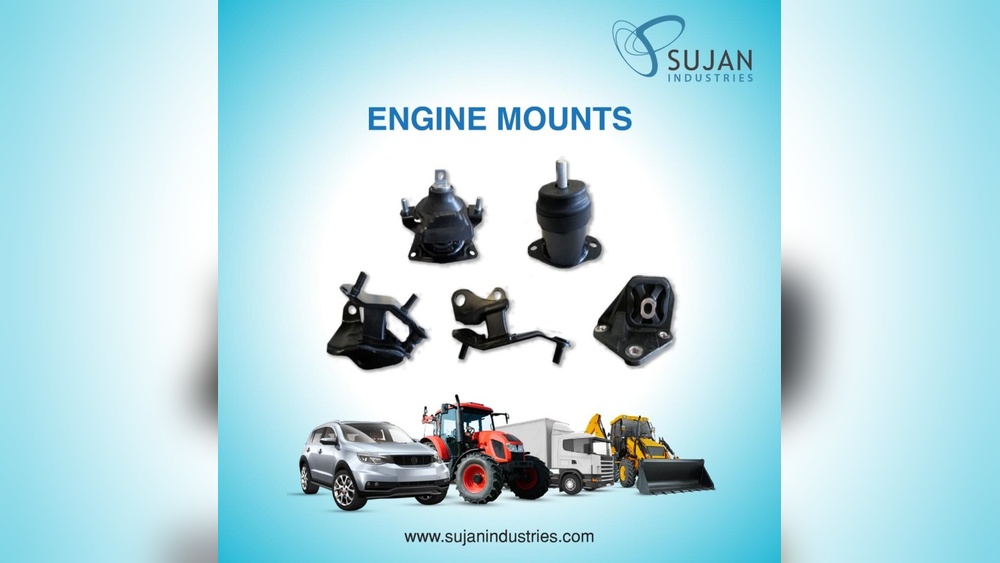
Have you ever wondered how many motor mounts your car has and why they matter so much? If your engine feels shaky or you notice unusual vibrations, the answer might lie in these small but crucial parts.
Understanding how many motor mounts your car needs can save you from costly repairs and keep your ride smooth and safe. Keep reading to discover what motor mounts do, how to spot problems, and why knowing their number is key to maintaining your vehicle’s performance.
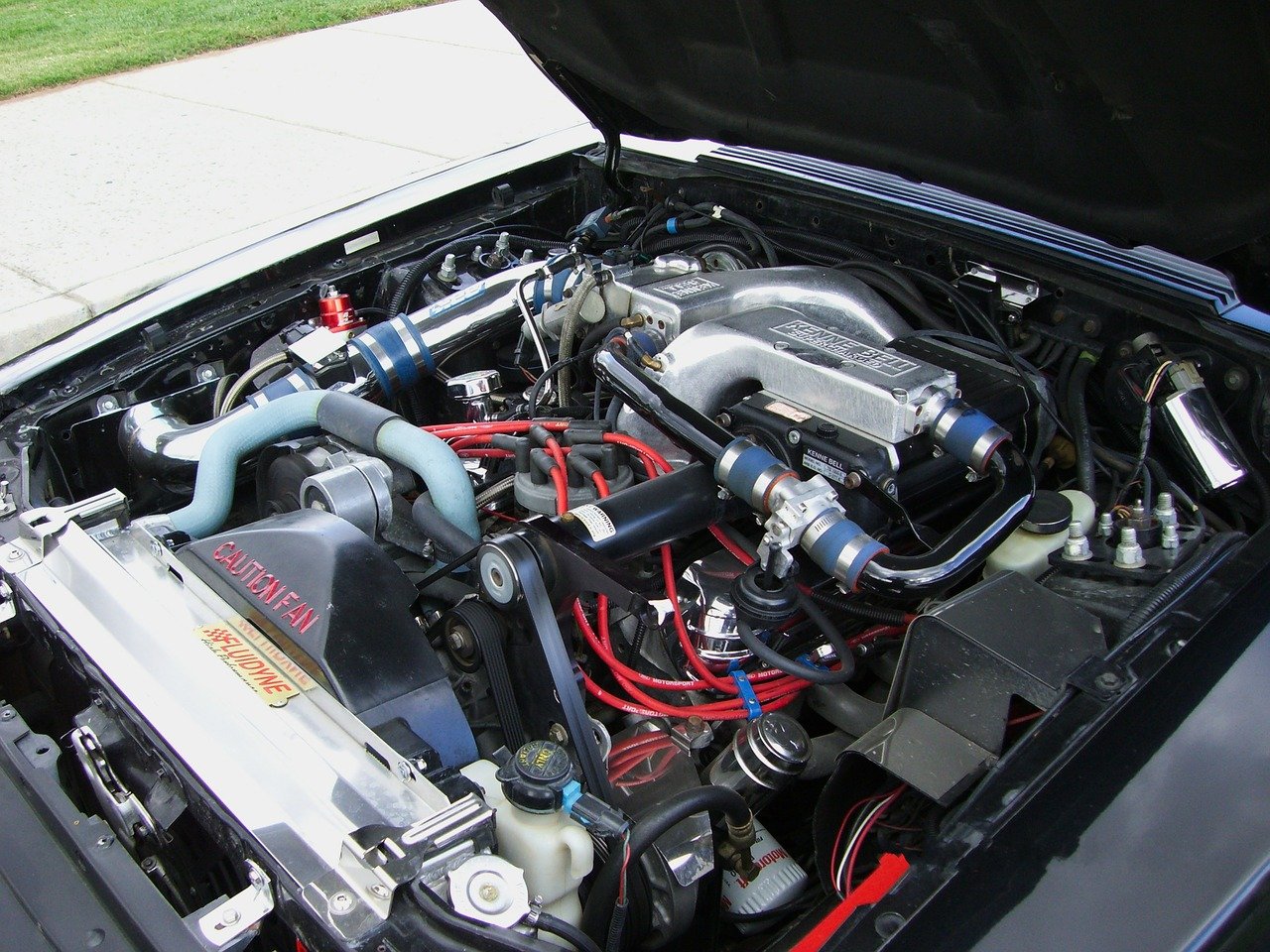
Credit: www.jdpower.com
Role Of Motor Mounts
Motor mounts hold the engine firmly inside the car. They keep the engine in place and stop it from moving too much. This helps the car run smoothly and safely. Without motor mounts, the engine could shake or shift, causing problems. These parts are small but very important for the car’s operation.
Motor mounts also protect other car parts. They absorb vibrations from the engine. This makes the ride more comfortable for passengers. Understanding their role helps you see why motor mounts matter in every vehicle.
Function In Vehicle Stability
Motor mounts keep the engine stable during driving. They stop the engine from moving side to side or up and down. This stability helps the car stay balanced. It also prevents damage to the engine and other parts. Stable engines mean safer rides and less wear on the car.
Impact On Engine Performance
Motor mounts affect how well the engine works. Proper mounts reduce vibrations that can harm engine parts. They help the engine run quietly and smoothly. Good motor mounts allow better power transfer to the wheels. This improves the car’s overall performance and efficiency.
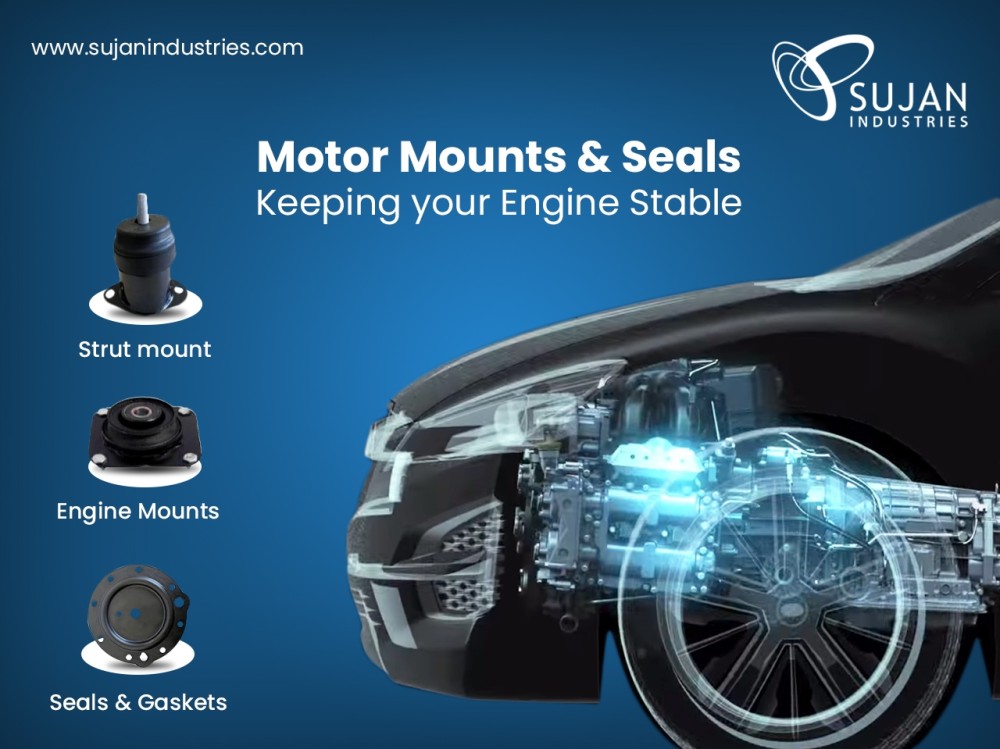
Credit: www.sujanindustries.com
Common Motor Mount Types
Motor mounts hold the engine in place inside a car. They reduce vibrations and noise. Different types of motor mounts serve various purposes. Knowing these types helps in understanding car maintenance better.
Each motor mount type has unique features. Some are soft to absorb shocks. Others are stiff for better engine control. Here are the common motor mount types found in cars.
Rubber Motor Mounts
Rubber motor mounts are the most common type. They use rubber to absorb engine vibrations. This keeps the car cabin quiet. Rubber mounts also protect the engine from damage. They are cost-effective and easy to replace.
Hydraulic Motor Mounts
Hydraulic motor mounts contain fluid inside them. This fluid helps dampen engine movement more smoothly. They reduce vibrations better than rubber mounts. Hydraulic mounts are often found in luxury cars. They improve ride comfort and noise control.
Polyurethane Motor Mounts
Polyurethane motor mounts are firmer than rubber mounts. They provide better engine stability and control. These mounts last longer and resist wear. Polyurethane mounts are common in performance cars. They may cause more vibration inside the cabin.
Typical Number Of Motor Mounts
The typical number of motor mounts in a car varies depending on the type of vehicle and its design. Motor mounts hold the engine in place and reduce vibrations. Most cars have more than one motor mount to balance the engine’s weight. This balance helps keep the car smooth and quiet during driving.
Different cars use different numbers of motor mounts. This difference depends on engine size, power, and the car’s purpose. Understanding how many motor mounts a car has helps in maintenance and repairs.
Standard Passenger Cars
Standard passenger cars usually have three to four motor mounts. These mounts keep the engine steady and reduce shaking. Most common cars use rubber or hydraulic mounts. These materials absorb engine vibrations effectively. Three mounts are often placed in front, back, and side positions. This setup supports the engine well during normal driving.
Sports And Performance Vehicles
Sports and performance vehicles tend to have four or more motor mounts. These cars need extra support because of powerful engines. Stronger mounts help control engine movement at high speeds. Performance mounts are often stiffer to improve handling. Extra mounts help keep the engine stable during sharp turns and fast acceleration. This setup enhances the driving experience.
Heavy-duty And Commercial Cars
Heavy-duty and commercial cars often have five or more motor mounts. These vehicles carry heavy loads and use large engines. More mounts distribute the engine’s weight evenly. They reduce stress on the frame and engine. Heavy-duty mounts are made from tough materials for durability. This design ensures the engine stays secure on rough roads and long trips.
Signs Of Worn Or Damaged Motor Mounts
Motor mounts hold the engine in place and absorb vibrations. Over time, these mounts can wear out or get damaged. This causes problems that affect your car’s performance and comfort. Recognizing the signs early helps prevent bigger issues and costly repairs.
Unusual Engine Vibrations
Worn motor mounts lose their ability to absorb engine vibrations. You may feel strong shaking inside the car. Vibrations increase during idle or acceleration. This is a common sign of damaged mounts.
Clunking Or Banging Noises
Damaged motor mounts cause the engine to shift suddenly. This creates clunking or banging sounds. These noises happen especially when going over bumps or starting the engine. It means the mounts are loose or broken.
Engine Movement During Acceleration
Healthy mounts keep the engine steady during acceleration. Bad mounts allow the engine to move more than usual. You might see the engine tilt or rock. This movement can harm other parts under the hood.
Motor Mount Replacement Tips
Motor mounts keep your engine steady and reduce vibrations. Over time, they wear out and need replacement. Knowing the right time and method to replace motor mounts helps avoid bigger car problems. Below are some useful tips for replacing motor mounts safely and effectively.
When To Replace Motor Mounts
Look for signs like excessive engine vibration or strange noises. Engine movement during acceleration or shifting can also indicate worn mounts. Cracks or visible damage on mounts mean replacement is necessary. Delaying replacement can cause damage to other parts of the car.
Choosing The Right Replacement
Use motor mounts designed for your car’s make and model. Original equipment manufacturer (OEM) parts ensure proper fit and durability. Aftermarket options may be cheaper but can vary in quality. Always check reviews and ratings before buying replacements.
Professional Vs Diy Replacement
Replacing motor mounts requires lifting the engine safely. Professionals have the right tools and experience to do this properly. DIY replacement can save money but needs mechanical skills and caution. Incorrect installation may cause engine damage or safety risks.
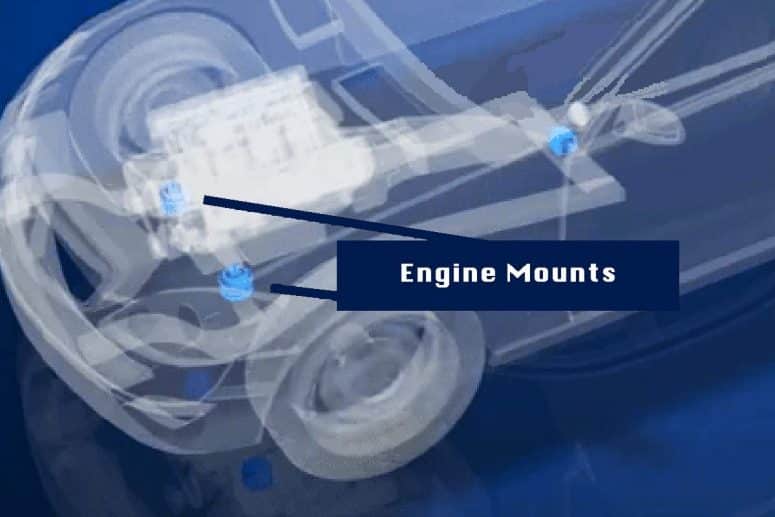
Credit: www.autoscopecarcare.com
Frequently Asked Questions
How Many Motor Mounts Does A Car Usually Have?
Most cars typically have 3 to 4 motor mounts. These mounts secure the engine to the frame. They reduce engine vibrations and prevent movement during driving.
What Is The Function Of Motor Mounts In Vehicles?
Motor mounts hold the engine firmly in place. They absorb vibrations and shocks from the engine. This ensures a smooth and quiet ride for passengers.
Can A Car Run With A Broken Motor Mount?
Yes, but it’s unsafe and causes damage. A broken mount leads to excessive engine movement. This can harm other parts and affect driving comfort.
Where Are Motor Mounts Located In A Car?
Motor mounts are located between the engine and the chassis. Usually, they are found on the sides and sometimes at the rear. Their position helps stabilize the engine effectively.
Conclusion
Most cars have three to four motor mounts to hold the engine. These mounts keep the engine steady and reduce vibration. Knowing the number helps when you check or replace them. Worn mounts can cause noise and engine movement. Regular inspection keeps your car running smoothly.
Understanding motor mounts helps you care for your vehicle better. Keep an eye on them to avoid bigger problems. Simple maintenance saves money and extends your car’s life.


