

Have you ever wondered how long Covid can survive on your car’s steering wheel? You touch it every time you drive, but do you really know the risks involved?
Understanding how long the virus can live on this common surface can help you protect yourself and your loved ones. Keep reading to discover simple facts that could make a big difference in keeping your car—and you—safe.
Credit: www.alamy.com
Covid Survival On Surfaces
Covid can stay on surfaces for different times. This matters for things we touch often, like steering wheels. Understanding how long the virus lives helps us stay safe. It also guides cleaning routines to reduce risk.
Virus Lifespan On Different Materials
The virus lasts longer on some materials than others. On plastic and stainless steel, it can survive up to 3 days. Steering wheels often have plastic or leather covers. On leather, the virus may live for about 2 days. On fabric or paper, the virus lasts only a few hours. Metal surfaces hold the virus longer than porous ones.
Factors Affecting Virus Longevity
Temperature changes how long the virus stays alive. Higher heat can kill the virus faster. Humidity also plays a role; dry air helps the virus survive longer. Sunlight, especially UV rays, can reduce virus life quickly. Frequent cleaning with disinfectants removes the virus from surfaces. Touch frequency matters too; more touching spreads the virus easily.
Credit: www.etags.com
Steering Wheel Specifics
The steering wheel is a common touchpoint inside any vehicle. It often collects dirt, oils, and germs from hands. Understanding how long Covid can survive on this surface helps keep drivers safe. The material of the steering wheel plays a key role in virus survival. Also, the way contamination happens matters a lot.
Material Impact On Virus Survival
Steering wheels come in different materials like leather, plastic, and rubber. Covid virus can live longer on smooth surfaces like plastic. Rougher or porous materials like leather tend to reduce virus survival time. The virus dries out faster on these surfaces. Temperature and humidity also affect how long the virus stays active. Cooler and damp conditions help the virus last longer. Regular cleaning can remove the virus effectively from all materials.
Common Contamination Sources
Hands are the main source of virus on steering wheels. Touching the wheel after coughing or sneezing spreads germs. Food residues and sweat also add to contamination. Drivers may touch their face, then the wheel, passing the virus. Shared vehicles have higher risk due to multiple users. Cleaning the wheel often lowers the chance of virus spread. Using hand sanitizer before and after driving adds protection.
Transmission Risks
Covid-19 can survive on surfaces like steering wheels for hours to days. This survival time creates risks of transmission. Understanding these risks helps reduce chances of infection.
Touch And Infection Probability
Steering wheels are high-touch surfaces inside cars. People touch them often, sometimes without thinking. The virus can transfer from the wheel to hands. From hands, it can enter the body through the face. The chance of infection depends on how much virus is present. Also, how soon after contamination a person touches the wheel matters. The longer the virus stays, the lower the risk. But touching a recently contaminated wheel can lead to infection.
Role Of Hand Hygiene
Washing hands regularly reduces infection risk significantly. Using soap and water removes virus particles effectively. Hand sanitizer with at least 60% alcohol also works well. Avoid touching your face before cleaning your hands. Cleaning hands after driving or before eating is important. Good hand hygiene breaks the chain of transmission. It protects you and others from catching Covid from surfaces.
Effective Cleaning Methods
Keeping your steering wheel clean helps reduce the risk of Covid spreading. The virus can survive on surfaces for hours to days. Proper cleaning removes germs and protects you and others. Using the right products and cleaning often is key.
Recommended Disinfectants
Use disinfectants approved by health authorities. Products with at least 70% alcohol kill the virus effectively. Wipes containing alcohol or sprays work well. Avoid harsh chemicals that may damage the steering wheel. Gentle cleaners keep your car safe and clean.
Cleaning Frequency Tips
Clean your steering wheel daily if possible. This is important after driving in public places. Wipe down before and after trips for extra safety. Regular cleaning stops germs from building up. Make it a simple habit to protect your health.
Preventive Measures
Preventive measures help reduce the risk of catching Covid from surfaces like steering wheels. The virus can survive on these surfaces for hours to days. Taking simple steps can keep you safer while driving.
Using Gloves And Sanitizers
Wearing gloves creates a barrier between your hands and the steering wheel. It lowers the chance of picking up the virus. Use disposable or washable gloves for best results.
Hand sanitizer is useful after touching the wheel. Use a sanitizer with at least 60% alcohol. Apply it thoroughly and let your hands dry before touching your face or phone.
Safe Practices While Driving
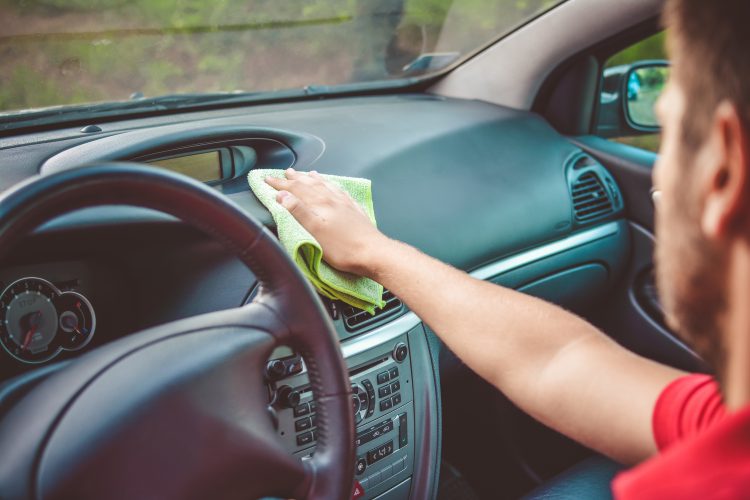
Clean the steering wheel regularly with disinfectant wipes. Focus on areas you touch most, like the rim and spokes. Wipe down door handles and gear shifts too.
Avoid eating or touching your face while driving. The virus can enter your body through your mouth, nose, or eyes. Keep windows open for better air flow.

Credit: www.alamy.com
Myths And Facts
There are many ideas about how long Covid can live on surfaces like steering wheels. Some of these ideas are true, and some are not. Understanding the facts helps to reduce fear and keep safe habits. Let’s explore common myths and what science tells us.
Common Misconceptions
Some people think Covid can live on a steering wheel for days. Others believe it dies instantly when you touch the surface. Many assume cleaning is not important if the car is used only by one person. Some believe that sunlight or heat always kills the virus right away.
These ideas can cause confusion. They may lead to ignoring safety measures or creating unnecessary worry. It is important to know which parts are myths and which are facts.
Scientific Findings
Studies show Covid can survive on plastic and metal surfaces for hours to days. Steering wheels often are made of these materials. The virus survives longer in cool, dry places. Warmth and sunlight reduce its survival time.
Cleaning with disinfectants kills the virus quickly. Regular hand washing after touching shared surfaces lowers infection risk. The virus spreads mostly through close contact, not from surfaces alone. Still, cleaning steering wheels helps keep you safer.
Frequently Asked Questions
How Long Does Covid Survive On A Steering Wheel?
Covid can survive on a steering wheel for up to 3 days. The exact time depends on surface material and environmental conditions like temperature and humidity.
Can Covid Spread Through Car Steering Wheels?
Yes, Covid can spread if an infected person touches the steering wheel. The virus transfers through contact and can infect others who touch the same surface.
How To Disinfect A Steering Wheel From Covid?
Use alcohol-based disinfectants with at least 70% alcohol. Wipe the steering wheel thoroughly and let it air dry to kill the virus effectively.
Does Temperature Affect Covid Survival On Steering Wheels?
Yes, higher temperatures reduce Covid survival time on surfaces. The virus lasts longer in cooler, less humid conditions and degrades faster in warmth.
Conclusion
Covid can survive on steering wheels for several hours to days. Cleaning your car’s steering wheel often helps reduce risks. Use disinfectant wipes or sprays for best results. Avoid touching your face after driving to stay safe. Remember, good hygiene protects you and others around you.
Stay aware and keep your car clean regularly. Small steps make a big difference in stopping the virus. Stay healthy and take simple precautions every day.

