

You’ve decided to change your car’s look, but now it’s time to remove that vinyl wrap. Removing a vinyl wrap might seem tricky, but with the right steps, you can do it yourself without damaging your car’s paint.
In this guide, you’ll discover simple, effective techniques to peel off your vinyl wrap smoothly and safely. Keep reading, and you’ll learn how to bring your car back to its original shine in no time.
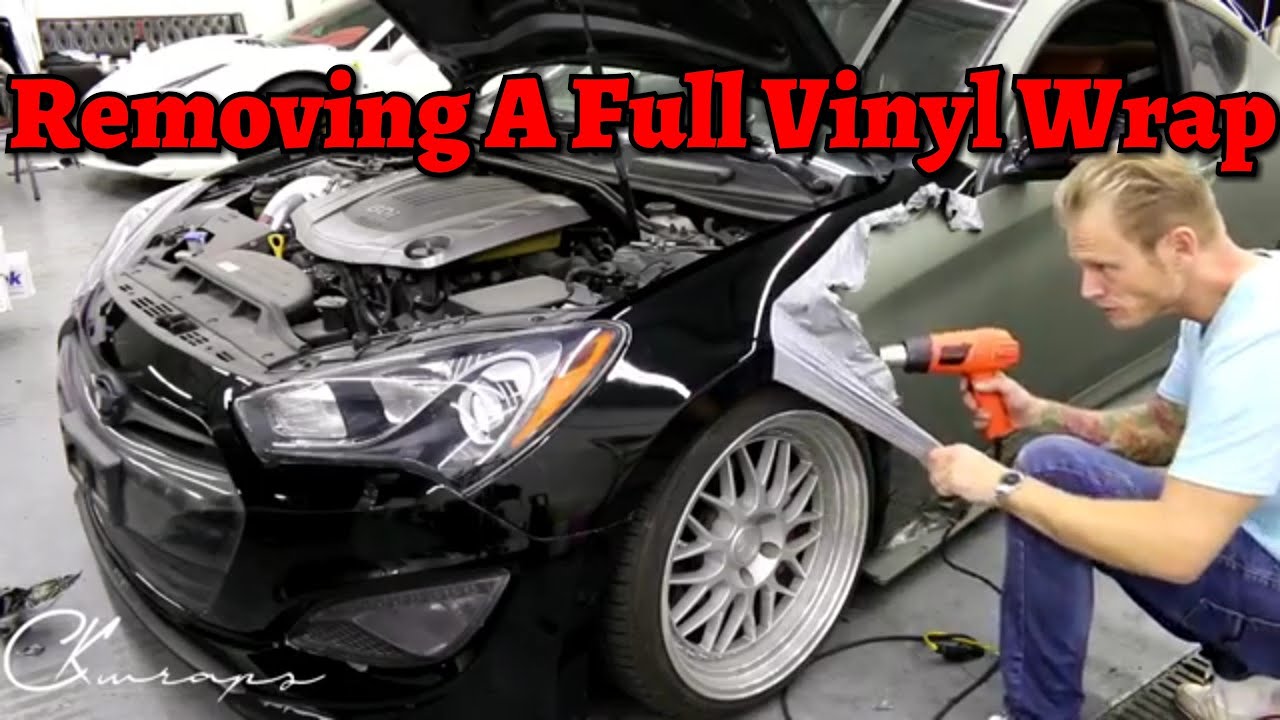
Credit: www.youtube.com
Tools Needed
Removing a vinyl wrap from a car needs the right tools. These tools help make the job easier and protect your car’s paint. Preparing with the right items saves time and reduces damage risks. Below are the main tools you need for this task.
Heat Gun Or Hair Dryer
A heat gun or hair dryer softens the vinyl wrap. Warm air loosens the adhesive under the vinyl. This makes peeling the wrap easier and smoother. Use medium heat to avoid burning the vinyl or paint.
Plastic Scraper
A plastic scraper helps lift the edges of the vinyl wrap. It is gentle on your car’s surface. Avoid metal scrapers that can scratch the paint. Use the scraper to peel off the vinyl without damage.
Adhesive Remover
After removing the vinyl, sticky glue may stay on the car. Use an adhesive remover to clean this residue. Choose a remover safe for car paint. Apply it carefully to avoid harming the surface.
Microfiber Cloths
Microfiber cloths are soft and absorbent. Use them to wipe off adhesive remover and clean the car. They do not scratch the paint or leave lint behind. Always keep several cloths ready for the job.
Preparing The Car
Preparing your car before removing a vinyl wrap is very important. It helps you avoid damage and makes the process easier. A clean and ready surface lets the wrap come off smoothly. You also need a good place to work. This saves time and prevents problems.
Follow these steps to get your car ready for vinyl wrap removal.
Clean The Surface
Start by washing your car with soap and water. Dirt and dust can cause scratches when you remove the wrap. Use a soft cloth or sponge to clean every part with the wrap. Rinse well and dry the surface completely. A clean surface helps the heat and tools work better during removal.
Work In A Controlled Environment
Choose a shaded or indoor area to work on your car. Sunlight can heat the wrap too much or cause uneven removal. A garage or covered place is best. Make sure the area is free from dust and wind. This keeps the surface clean and stops the wrap from sticking again. Good lighting helps you see the edges and peel the wrap carefully.
Heating The Vinyl
Heating the vinyl wrap softens the adhesive and makes removal easier. It helps the vinyl peel away without tearing or leaving residue. Using heat carefully protects your car’s paint underneath.
Heat also loosens the vinyl’s grip, reducing stress on the surface. You can use a heat gun or a hairdryer for this process. Controlled warmth makes the vinyl flexible and simple to remove.
Set The Right Temperature
Keep the heat gun or hairdryer at about 140°F to 180°F (60°C to 80°C). Too much heat can damage the paint or the vinyl. Too little heat won’t soften the adhesive well.
Hold the heat tool a few inches away from the vinyl. Move it slowly to avoid overheating one spot. Use a thermometer if possible to check the temperature.
Warm Small Sections At A Time
Work on small areas, about 6 to 12 inches wide. Warming small sections keeps the vinyl flexible and easy to lift. This method prevents the vinyl from snapping or tearing.
Heat each section evenly before peeling. Stop if the vinyl feels too hot or sticky. Let it cool slightly before continuing to avoid paint damage.
Peeling Off The Vinyl
Peeling off vinyl wrap from a car needs care and patience. Doing it right saves the paint underneath. The vinyl can stick firmly, so gentle handling is key. Follow clear steps to remove the wrap without damage. This section guides you on how to peel the vinyl safely and smoothly.
Start From A Corner
Find a loose corner of the vinyl wrap. Use your fingernail or a plastic tool to lift it. Avoid sharp objects that might scratch the paint. Starting from a corner gives you control. It helps to lift the vinyl without tearing it.
Pull Slowly And Steadily
Pull the vinyl back at a low angle. Move slowly to keep the wrap intact. Fast pulling can rip the vinyl or leave adhesive behind. Keep steady pressure to peel the wrap evenly. Take breaks if the vinyl feels tight or sticky.
Removing Residual Adhesive
After removing the vinyl wrap, some sticky adhesive often stays on the car’s surface. This leftover glue can be tough to clean. It needs careful removal to avoid damaging the paint. Using the right products and gentle methods makes the job easier and safer. Below are simple steps to clear away the adhesive.
Apply Adhesive Remover
Start by choosing a good adhesive remover made for cars. These products help break down the sticky glue. Apply a small amount on a soft cloth. Rub the cloth gently on the adhesive spots. Let the remover sit for a few minutes. This softens the glue, making it easier to wipe off.
Use Gentle Scrubbing Techniques
After applying the remover, use a soft sponge or microfiber cloth. Gently scrub the adhesive in small circles. Avoid hard scrubbing to protect the paint. Rinse the area with water often to check progress. Repeat the process if needed. Patience is key to remove all residue safely.
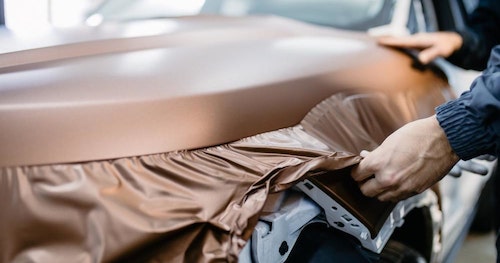
Credit: www.housecallpro.com
Cleaning And Polishing
After removing the vinyl wrap, the car’s surface needs proper cleaning and polishing. This step removes leftover adhesive and dirt. It also helps restore the paint’s shine. Clean and polished paint looks smooth and fresh. This process protects the car’s body from damage and makes it ready for new coatings or wraps.
Wash The Surface
Start by rinsing the car with water to remove loose dirt. Use a mild car shampoo and a soft sponge. Wash gently to avoid scratching the paint. Focus on areas where glue or vinyl bits remain. Rinse well to remove all soap and dirt. Dry the surface with a clean microfiber cloth to prevent water spots.
Polish For A Flawless Finish
Choose a polish suitable for your car’s paint type. Apply a small amount of polish on a soft cloth or foam pad. Rub the polish in small, circular motions. This helps remove adhesive residue and minor scratches. Buff the surface with a clean cloth after polishing. The paint will look shiny and smooth, ready for protection or a new wrap.
Common Mistakes To Avoid
Removing vinyl wrap from a car requires care and patience. Many people make simple mistakes that cause damage or make the process harder. Avoiding these common errors saves time and protects your car’s paint. Knowing what not to do helps the wrap come off cleanly and safely.
Overheating The Vinyl
Applying too much heat can damage the vinyl and paint underneath. Use a heat gun or hairdryer carefully. Keep it moving and avoid holding heat in one spot. Overheating may cause the vinyl to melt or leave sticky residue. Gentle warmth softens the glue for easy removal.
Using Sharp Tools
Avoid using knives or razor blades to lift the vinyl. Sharp tools can scratch your car’s paint. Instead, use plastic scrapers or your fingernails to peel the edges. Patience is key. Damaged paint means costly repairs and a longer process.
Rushing The Process
Vinyl removal takes time. Pulling too fast can tear the wrap or leave glue behind. Work slowly and steadily. Heat small sections and peel gently. Rushing leads to frustration and possible damage. Take breaks if needed to keep steady hands.

Credit: www.youtube.com
Tips For Easier Removal
Removing vinyl wrap from a car can be tricky without the right approach. These tips make the process smoother and less stressful. Follow simple steps to protect your car’s paint and save time.
Patience and proper technique help avoid damage and frustration. Use the right conditions and take breaks to keep your energy up. This way, the vinyl comes off clean and easy.
Remove In Warm Weather
Heat softens the vinyl adhesive, making removal easier. Choose a warm day, ideally above 70°F (21°C), to start the job. Avoid cold days as the vinyl may tear or leave residue. Sunlight can help, but do not work under direct harsh sun for too long. Use a heat gun or hairdryer to warm stubborn areas gently. Keep the temperature steady to avoid paint damage.
Take Breaks During Removal
Removing vinyl wrap takes time and focus. Work in short sessions to prevent fatigue and mistakes. Take breaks every 20 to 30 minutes to rest your hands and eyes. This helps keep your grip steady and reduces the chance of tearing the wrap. Use breaks to check your progress and plan the next step. Slow and steady wins this task.
Frequently Asked Questions
How Do I Safely Remove Vinyl Wrap From My Car?
Use a heat gun or hairdryer to warm the vinyl. Gently peel it off starting from a corner. Avoid sharp tools to prevent paint damage. Clean any adhesive residue with adhesive remover or soapy water.
Can I Remove Vinyl Wrap Without Damaging Car Paint?
Yes, by heating the vinyl to soften adhesive and peeling slowly. Use plastic scrapers instead of metal tools. Avoid excessive heat to prevent paint damage. Always test a small area first.
What Tools Do I Need To Remove Car Vinyl Wrap?
You need a heat gun or hairdryer, plastic scraper, adhesive remover, microfiber cloth, and gloves. These tools help soften adhesive and safely peel off vinyl without scratching the paint.
How Long Does It Take To Remove A Vinyl Wrap?
Removal time varies by wrap size and condition but typically takes 1 to 3 hours. Larger vehicles or older wraps with strong adhesive may take longer. Patience ensures safe, damage-free removal.
Conclusion
Removing vinyl wrap from your car takes patience and care. Use gentle heat and peel slowly to avoid damage. Clean the surface after removal to remove any sticky residue. Take your time and work in small sections. This method keeps your car’s paint safe and looking good.
With the right tools and steps, the job gets easier. Keep these tips in mind for a smooth vinyl wrap removal process. Your car will look fresh and ready for its next style.


