
Have you ever wondered what happens to ticks if they end up inside your car on a hot day? You might think the heat would quickly get rid of them, but the truth could surprise you.
Understanding how long ticks can survive in a hot car is important for your safety and peace of mind. You’ll discover how these tiny pests behave in extreme heat and what you can do to protect yourself and your loved ones.
Keep reading to learn the facts that could save you from an unexpected tick encounter.
Tick Survival Basics
Ticks are tiny creatures that survive in many environments. Their ability to live depends on temperature, humidity, and food. Understanding tick survival helps protect you from their bites. Heat in a car affects ticks differently than in nature.
Ticks need blood to grow and reproduce. They have stages in their life that require different conditions. Knowing their life cycle and common types helps explain how long ticks live in hot places.
Tick Life Cycle
Ticks have four main stages: egg, larva, nymph, and adult. Each stage lasts weeks to months. They need a host to feed on blood in the larva, nymph, and adult stages. Without food, ticks can only survive for a limited time. Hot temperatures speed up their metabolism, causing quicker death. Eggs can survive longer in heat if dry. Larvae and nymphs die faster in a hot, dry car.
Common Tick Species
Several tick types live in many areas. The black-legged tick spreads Lyme disease. Lone star ticks are aggressive biters. Dog ticks are larger and common in parks. Each species has different survival limits. Most ticks cannot survive long in a hot car. Their bodies dry out quickly without moisture. Species with tougher shells may last a bit longer. Still, hours in a hot car usually kill ticks.
Heat Impact On Ticks
Ticks are small creatures that survive in many places. Heat can change how long ticks live. Hot cars get very warm inside. This heat affects ticks in several ways. Understanding this helps protect you and your family from tick bites.
Temperature Thresholds
Ticks cannot live in very high temperatures. Most ticks die above 95°F (35°C). A car on a sunny day can reach over 130°F (54°C). This heat is too much for ticks to survive. Even short exposure to this heat can kill them. Cooler temperatures below 70°F (21°C) allow ticks to stay alive longer.
Effects Of High Heat On Ticks
Heat dries out ticks quickly. Ticks need moisture to live. Hot air in cars causes ticks to lose water fast. Without water, ticks die in hours. Heat also damages their bodies. It stops ticks from moving and feeding. High heat in cars makes it hard for ticks to stay alive for days.
Ticks Inside Hot Cars
Ticks are tiny pests that can hide in many places, including cars. People often worry about ticks when they spend time outdoors. But ticks can also get inside cars, especially if you drive through grassy or wooded areas. The warm temperature inside a parked car can affect how long ticks live.
Understanding the conditions inside a hot car helps us know how long ticks can survive. This knowledge is important to avoid tick bites and the diseases they carry.
Typical Car Interior Temperatures
On a sunny day, car interiors can heat up quickly. Temperatures inside a parked car can reach 120°F (49°C) or higher. Even on mild days, the inside can get very warm. This heat comes from sunlight passing through windows and heating surfaces inside the car. The temperature can vary depending on the car color and window tint.
Such high heat can be dangerous for many insects, including ticks. The heat inside a car is usually much higher than outside air temperature. This makes the car an extreme environment for ticks.
Survival Time In Hot Vehicles
Ticks do not survive well in hot, dry places like car interiors. High temperatures can dry them out and kill them. Most ticks can only live a few hours inside a hot car. Some species may survive a little longer but not more than one day.
Ticks need moisture to stay alive. The dry heat inside a car causes them to lose water fast. Without water, ticks quickly die. The longer a car stays in the sun, the less chance ticks have to survive inside.
Still, it is best to check your car and clothes after being outdoors. Ticks can hide in seams, under seats, or on floor mats. Removing ticks early helps prevent bites and health risks.

Credit: reliantpest.com
Factors Influencing Tick Survival
Tick survival in a hot car depends on several factors. Heat alone does not determine how long ticks live. The environment inside the car plays a big role. Small changes in conditions can affect their lifespan. Understanding these factors helps protect you and your family from tick bites.
Humidity Levels
Ticks need moisture to survive. Dry air inside a hot car can quickly kill them. Low humidity causes ticks to dry out and die. Higher humidity helps ticks stay alive longer. Cars that trap moisture create a better environment for ticks.
Shade And Ventilation
Shade inside the car can lower temperatures. Cooler spots help ticks survive the heat. Good ventilation reduces heat and moisture buildup. Without airflow, the car becomes a hot, dry place. Shade and ventilation together affect tick survival time.
Tick Age And Stage
Young ticks, like larvae and nymphs, are more fragile. They die faster in hot, dry conditions. Adult ticks are hardier and can live longer. The stage of the tick influences how long it can survive inside a car.
Health Risks Of Ticks In Cars
Ticks can be more than just a nuisance in cars. They pose serious health risks to people and pets. These tiny pests can carry harmful bacteria and viruses. Their presence in vehicles can increase the chance of disease transmission. Understanding these risks helps keep everyone safer.
Tick-borne Diseases
Ticks can carry dangerous diseases like Lyme disease and Rocky Mountain spotted fever. A tick bite can spread these illnesses quickly. Symptoms include fever, rash, and joint pain. Early detection is crucial to avoid severe health problems. Cars provide a moving shelter for ticks, helping them survive and spread disease.
Risk Of Infestation
Ticks in a car can multiply fast if not removed. They hide in carpets, seats, and cracks. An infestation can cause discomfort and health risks for passengers. Pets entering the car can bring ticks inside. Regular cleaning and inspection reduce the chance of ticks settling in your vehicle.

Credit: floridahikes.com
Preventing Tick Presence In Vehicles
Ticks can hitch a ride into your car on clothes, pets, or outdoor gear. They survive in warm places, making your vehicle a perfect spot. Preventing ticks inside your car keeps you safe from bites and diseases. Regular care stops these pests from settling in your vehicle.
Cleaning And Inspection Tips
Check your car seats and floor mats for ticks after outdoor trips. Use a vacuum cleaner on carpets and seats to remove tiny ticks. Wash pet blankets and covers often to kill ticks hiding there. Look closely around door seals and under seats for ticks. Remove any leaves or dirt that may carry ticks inside your car.
Protective Measures
Keep pets outside or in a separate area before entering the car. Use tick repellent sprays on shoes and clothing before travel. Avoid parking near tall grass or bushes where ticks live. Store outdoor gear in sealed bags to block ticks from entering. Regularly clean pet fur to reduce the chance of ticks inside the car.
What To Do If You Find A Tick In Your Car
Finding a tick in your car can cause worry. These tiny bugs can carry diseases that affect health. Acting fast helps prevent any risk. Knowing the right steps makes removal safe and easy. This guide explains what to do if a tick is found inside your vehicle.
Safe Removal Techniques
Use fine-tipped tweezers to grab the tick close to the skin. Pull it straight out with steady, even pressure. Do not twist or jerk the tick. Avoid crushing the tick’s body. After removal, clean the area with soap and water. Disinfect the tweezers with rubbing alcohol. Place the tick in a sealed container for identification. This helps doctors if symptoms appear later.
When To Seek Medical Help
Watch for signs like rash, fever, or body pain after a tick bite. Seek medical advice if any symptoms show up within weeks. Tell the doctor about the tick bite and when it happened. Early treatment can prevent serious health problems. Do not wait if you feel sick or notice unusual symptoms.
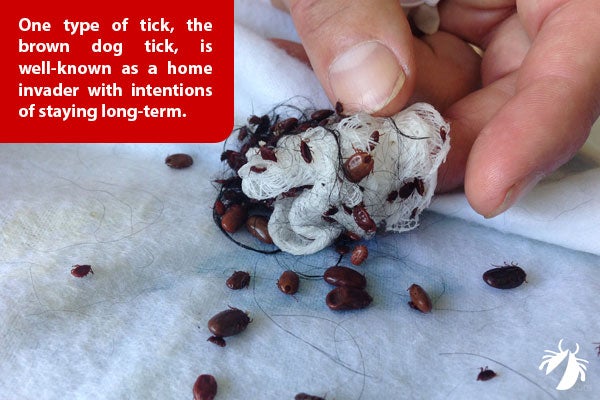
Credit: web.uri.edu
Frequently Asked Questions
How Long Can Ticks Survive In A Hot Car?
Ticks can survive in a hot car for several hours. Extreme heat above 100°F (38°C) may kill them faster. However, moderate heat allows ticks to stay alive, increasing the risk of infestation in your vehicle.
Do Ticks Die Quickly In High Temperatures?
Ticks do not die immediately in high temperatures. They can tolerate heat up to a point but prolonged exposure above 120°F (49°C) is lethal. Short heat bursts usually won’t eliminate ticks inside a car.
Can Ticks Hatch Inside A Hot Car?
Ticks can hatch inside a hot car if eggs are present. Warm temperatures can accelerate hatching, but extreme heat may prevent egg survival. Proper cleaning reduces the chance of tick eggs developing in vehicles.
How To Prevent Ticks From Surviving In Your Car?
To prevent ticks, regularly vacuum and clean your car interior. Avoid leaving pets inside for long periods. Use tick repellents on pets and check them before entering your vehicle.
Conclusion
Ticks can survive in hot cars for a short time, but heat weakens them fast. High temperatures inside cars often kill ticks within hours. Still, they may hide in cool, shaded spots like under seats. Always check your pets and car carefully after outdoor trips.
Removing ticks quickly helps prevent bites and illness. Keeping your car clean lowers the chance of ticks staying inside. Stay alert and protect yourself from these pests. Simple steps can keep you safe and tick-free.


