

Thinking about paving your 2-car driveway but unsure how much it will cost? You’re not alone.
Knowing the price upfront can help you plan your budget and avoid surprises. You’ll discover the real expenses involved, what factors affect the cost, and how to get the best value for your money. Keep reading to make a smart decision and turn your driveway into a smooth, lasting surface without breaking the bank.
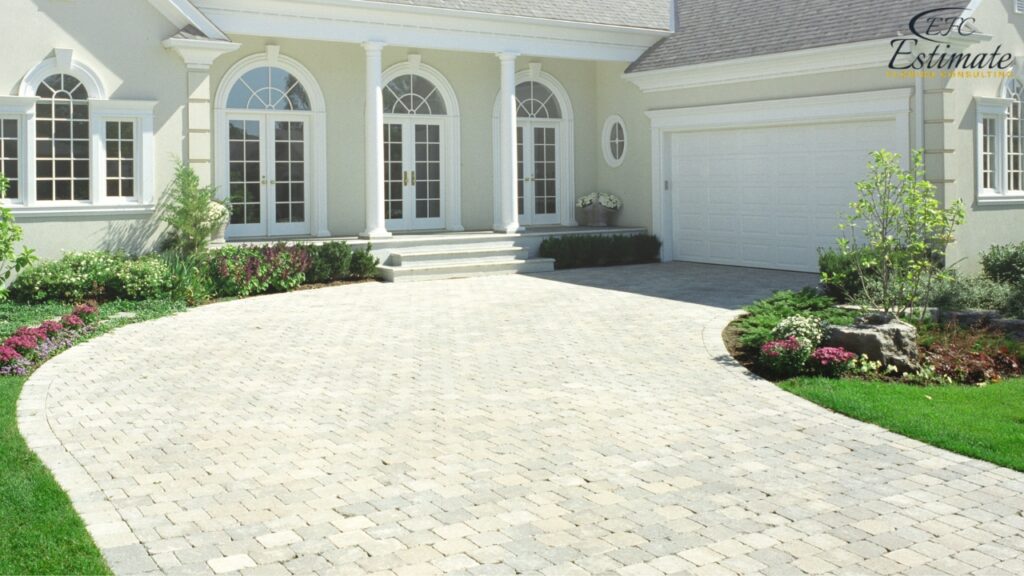
Credit: estimatorflorida.com
Factors Affecting Driveway Cost
Several factors influence the cost of paving a 2-car driveway. Understanding these helps plan your budget better. Costs vary widely based on size, materials, labor, and site conditions. Each element plays a key role in the final price. Knowing these details makes the process clearer and less stressful.
Driveway Size And Dimensions
The bigger the driveway, the higher the cost. A 2-car driveway usually measures about 20 by 20 feet. Larger or custom shapes increase materials and labor. Depth also matters. Thicker pavement costs more but lasts longer.
Material Choices
Materials vary in price and durability. Asphalt is affordable and quick to install. Concrete costs more but lasts longer. Pavers and gravel offer unique looks with different prices. Material choice affects both upfront and long-term costs.
Labor Expenses
Labor costs depend on location and project complexity. Skilled workers charge higher rates. Simple jobs cost less. Hard-to-reach or uneven sites need more time and effort. Labor can be 30% to 50% of total costs.
Site Preparation Needs
Clearing trees, removing old pavement, or leveling land adds to costs. Difficult terrain requires extra work. Good preparation avoids future damage. Ignoring this step can lead to costly repairs later.
Additional Features
Extras raise the total price. Drainage systems prevent water damage but add cost. Decorative edges or lighting enhance appearance but increase expenses. Consider these carefully based on budget and needs.

Credit: homeguide.com
Common Driveway Materials
Choosing the right material is key to paving a 2-car driveway. Each material has its own cost, look, and durability. Some options are simple and cheap. Others last longer but cost more. Understanding common driveway materials helps you make the best choice for your home and budget.
Asphalt
Asphalt is popular for driveways. It is smooth and dark. Asphalt costs less than concrete. It lasts about 15 to 20 years. It needs regular sealing to stay strong. Repairing cracks is easy and cheap.
Concrete
Concrete is strong and lasts long. It looks clean and bright. Concrete costs more than asphalt. It can last 30 years or more. It may crack in cold weather. Adding color or patterns makes it stylish.
Gravel
Gravel is the cheapest choice. It is easy to install. Gravel drains water well. It needs regular refilling and raking. Gravel can shift or scatter over time. It gives a natural, rustic look.
Pavers
Pavers are small stones or bricks. They create a neat and decorative surface. Pavers cost more but look great. They last long and are easy to fix. Pavers offer many design options.
Tar And Chip
Tar and chip is rough but strong. It uses tar and small stones. It costs less than asphalt or concrete. It gives good traction for cars. It lasts about 7 to 10 years. Maintenance is low but needed.
Cost Breakdown By Material
Choosing the right material affects the cost to pave a 2-car driveway. Each option has its price range and benefits. Knowing these costs helps plan your budget better.
Average Asphalt Prices
Asphalt is common and affordable. It usually costs between $3 and $5 per square foot. For a 2-car driveway, expect to pay $2,400 to $4,000. Asphalt is quick to install and lasts about 20 years with care.
Concrete Cost Range
Concrete is stronger but costs more. Prices range from $6 to $10 per square foot. This puts a 2-car driveway between $4,800 and $8,000. Concrete offers a clean, smooth finish and can last 30 years or longer.
Gravel Expense Estimates
Gravel is the cheapest option. It costs about $1 to $3 per square foot. Expect to spend $800 to $2,400 for a 2-car driveway. Gravel is easy to install but needs regular maintenance to keep it level.
Paver Installation Costs
Pavers look great but cost more. Prices range from $10 to $20 per square foot. That means $8,000 to $16,000 for a 2-car driveway. Pavers are durable and offer many design options but take longer to install.
Tar And Chip Pricing
Tar and chip costs fall between gravel and asphalt. It runs about $3 to $5 per square foot. You might pay $2,400 to $4,000 for a 2-car driveway. This material has a rough texture and good traction.
Labor And Installation Costs
Labor and installation costs make up a large part of paving a 2-car driveway. These costs cover the work done by professionals or the effort you put in if you choose to do it yourself. Understanding these expenses helps plan your budget better. It also shows what to expect for the overall price.
Hiring Professionals Vs Diy
Hiring professionals means paying for skilled labor. They bring the right tools and experience. The job usually finishes faster and looks better. DIY saves money but requires time and effort. Mistakes can lead to extra costs later. Weigh the cost against the quality and time needed.
Regional Labor Variations
Labor costs vary by location. Urban areas often have higher prices than rural ones. Local demand and labor availability affect prices too. Some regions have union rules that increase costs. Research local rates to get a realistic estimate. This can help avoid surprises in your budget.
Timeframe And Project Duration
The length of the project affects labor costs. A longer job means more hours paid. Weather and site conditions can slow work down. Quick projects may cost less overall. Plan the timing to avoid delays and extra charges. Efficient scheduling helps keep costs under control.
Site Preparation And Excavation
Preparing the site for paving is a crucial step in driveway construction. Proper site preparation and excavation ensure a strong, long-lasting driveway. This process sets the foundation for all other work. It involves clearing, grading, drainage planning, and base installation. Each part affects the overall cost and quality of your 2-car driveway.
Clearing And Grading
Clearing removes plants, rocks, and debris from the driveway area. This step creates a clean surface to work on. Grading shapes the land to a smooth, even slope. Proper grading helps water flow away from the driveway. Poor grading can cause water damage and cracks later. Clearing and grading costs depend on the site’s size and condition.
Drainage Solutions
Drainage controls water around your driveway to prevent pooling and erosion. Installing drains or channels directs water away from the surface. Good drainage protects the driveway’s base and pavement. It reduces repair needs and extends lifespan. Drainage costs vary by design and materials used. Proper drainage is essential for durable driveway paving.
Base Layer Installation
The base layer supports the driveway surface. It usually consists of crushed stone or gravel. This layer provides stability and prevents shifting. Proper base installation requires compacting the material firmly. A well-built base reduces cracks and potholes. Base layer quality affects the total paving cost. Investing in a strong base saves money on future repairs.
Additional Costs To Consider
Paving a 2-car driveway involves more than just the basic cost of materials and labor. Several additional expenses can impact your budget. Knowing these extra costs helps you plan better and avoid surprises. These costs cover permits, maintenance, and repairs. Each one plays a role in the total expense of your driveway project.
Permits And Inspections
Many local governments require permits to pave a driveway. Permit costs vary by location and can range from $50 to $300. Inspections may also be needed to ensure the work meets safety standards. These fees are often overlooked but are essential. Skipping permits can lead to fines or having to redo the work.
Sealing And Maintenance
Sealing protects your driveway from water, stains, and cracks. It usually costs about $0.10 to $0.25 per square foot. Regular sealing every 2-3 years extends the driveway’s life. Maintenance includes cleaning and fixing small cracks. Neglecting maintenance can cause bigger, costly damage over time.
Repair And Resurfacing
Over time, driveways may develop cracks or potholes. Repair costs depend on the size of the damage. Small cracks might cost $100 to fix, while large repairs can run into thousands. Resurfacing involves adding a new layer of asphalt or concrete. This process costs less than full replacement and can cost $1 to $3 per square foot.
Cost-saving Tips
Saving money on paving a 2-car driveway is possible with smart choices. Small changes can lower costs without losing quality. Focus on key areas to keep expenses down.
Choosing The Right Material
Select materials that fit your budget and needs. Asphalt is cheaper and quick to install. Concrete lasts longer but costs more. Gravel offers a low-cost option but needs more upkeep. Pick the material that balances cost and durability.
Scheduling During Off-season
Plan your paving project in the off-season. Contractors have fewer jobs then and may offer discounts. Cooler months can reduce prices. Avoid busy seasons to get better deals.
Comparing Multiple Quotes
Get quotes from several contractors before deciding. Compare prices, services, and warranties. Don’t choose the cheapest blindly; check quality too. Multiple quotes help find the best value for your money.

Credit: homeguide.com
Estimating Your Total Driveway Cost
Estimating the total cost to pave a 2-car driveway helps you plan your budget well. Costs depend on many factors like material, size, and labor. Knowing these costs early can prevent surprises later. Let’s explore simple ways to estimate your driveway paving cost.
Using Online Calculators
Online calculators provide quick cost estimates for driveway paving. Enter your driveway size and preferred material. The tool then gives a price range based on current market rates. These calculators are free and easy to use. They offer a good starting point for budgeting.
Consulting With Contractors
Talking with local contractors gives precise cost estimates. They inspect your driveway area and discuss material options. Contractors consider site conditions and labor needs too. Request multiple quotes to compare prices and services. This step ensures you get a fair price for quality work.
Budget Planning
Plan your budget by adding all related costs. Include materials, labor, permits, and any extra work needed. Leave room for unexpected expenses or upgrades. Setting a clear budget helps keep your project on track. It also prevents overspending during paving.
Frequently Asked Questions
How Much Does Paving A 2-car Driveway Cost?
Paving a 2-car driveway typically costs between $3,000 and $7,000. Prices vary based on material, size, and location. Asphalt is cheaper, while concrete and pavers cost more. Additional factors like excavation and permits can increase the total cost.
What Factors Affect Driveway Paving Prices?
Driveway paving prices depend on materials, driveway size, and labor costs. Terrain difficulty, local permits, and site preparation also impact the price. Weather conditions and contractor experience can influence the final cost and project timeline.
Which Materials Are Best For Paving A 2-car Driveway?
Asphalt, concrete, and pavers are common driveway materials. Asphalt is affordable and quick to install. Concrete offers durability and design flexibility. Pavers provide aesthetic appeal but cost more. Choose based on budget, climate, and maintenance preferences.
How Long Does Paving A 2-car Driveway Take?
Paving a 2-car driveway usually takes 1 to 3 days. Asphalt drives can be completed faster than concrete. Drying and curing times may extend the total project duration. Weather conditions can also affect timelines.
Conclusion
Paving a 2-car driveway costs depend on material and size. Asphalt is cheaper, while concrete lasts longer. Labor and location also affect prices. Planning your budget helps avoid surprises. Choose quality materials for a lasting driveway. A well-paved driveway adds value to your home.
Think about long-term benefits, not just initial costs. Take time to compare quotes from different contractors. This way, you get the best deal for your money.


