

You’ve just waxed your car, and it looks fantastic—shiny, smooth, and protected. But you might be wondering: how long can you actually leave that wax on your car before it stops working or causes problems?
Knowing the right answer can save you time, money, and keep your car’s paint in top shape. You’ll discover exactly how long wax lasts, when to reapply, and the best tips to keep your car looking its best all year round.
Keep reading to unlock the secrets to perfect car care!
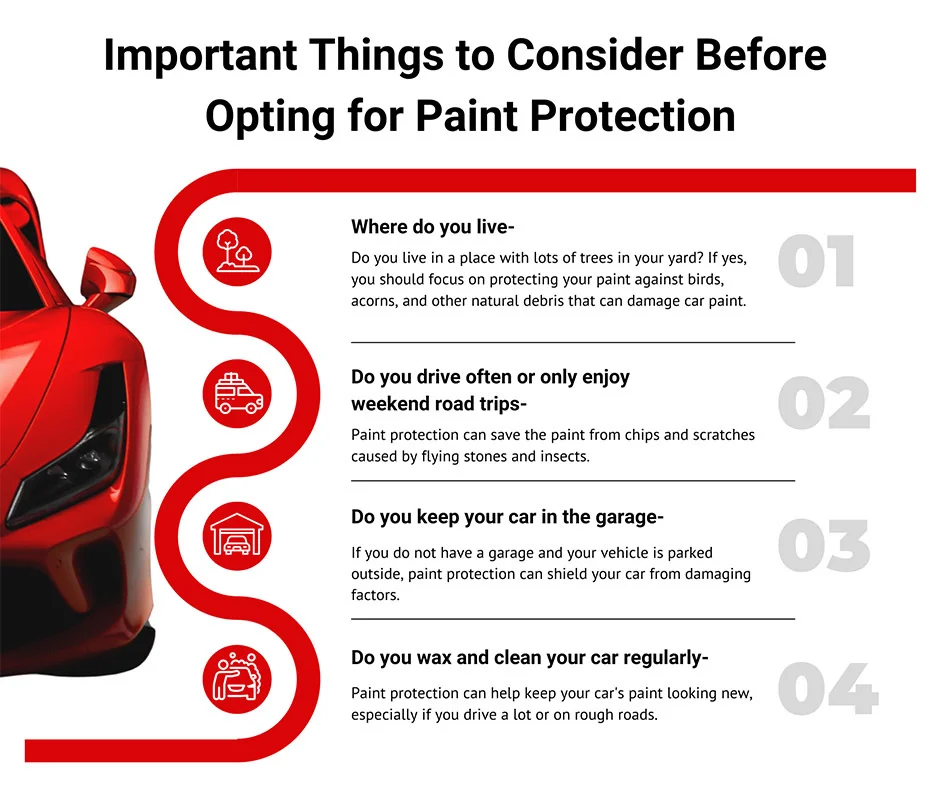
Credit: waxmanoftristate.com
Purpose Of Car Wax
Car wax serves a clear purpose. It keeps your car looking fresh and new. Wax adds a layer that protects and beautifies the paint. It also helps in keeping the car cleaner for longer. Understanding why wax is important helps you care for your car better.
Protecting Paintwork
Wax acts like a shield for your car’s paint. It guards against sun damage and fading. Dirt and small scratches find it harder to harm the surface. The wax layer stops harmful elements from reaching the paint. This protection keeps the car’s color bright and fresh.
Enhancing Shine
Wax makes your car shine like new. It smooths the surface, reflecting light better. This shine gives the car a clean and polished look. A glossy finish improves the car’s overall appearance. It makes your vehicle stand out on the road.
Repelling Dirt And Water
Wax helps water and dirt slide off the car. This makes cleaning easier and less frequent. Water beads form and roll away, taking dirt with them. The wax layer reduces grime buildup on the surface. This keeps the car cleaner for longer periods.
Types Of Car Wax
Car wax comes in various types, each with unique benefits. Choosing the right wax helps protect your car’s paint and keeps it shiny. Understanding these wax types makes it easier to decide how long you can leave wax on your car.
Natural Vs Synthetic Waxes
Natural waxes come from carnauba, a plant-based source. They give a deep, warm shine but wear off faster. Synthetic waxes are made from polymers and chemicals. They last longer and protect better against dirt and water.
Paste, Liquid, And Spray Options
Paste wax is thick and durable. It takes more effort to apply but gives strong protection. Liquid wax is easier to spread and dries faster. Spray wax is the simplest to use but offers less protection. Each form suits different needs and time availability.
Durability Differences
Natural waxes usually last about 4 to 6 weeks. Synthetic waxes can last up to 3 months or more. Paste wax often holds up longer than liquid or spray types. Durability depends on weather, car use, and wax type.
Recommended Wax Duration
Knowing the recommended wax duration helps protect your car’s paint well. Wax creates a barrier against dirt, water, and sun damage. But wax does not last forever. Understanding how long to leave wax on your car keeps it looking fresh and shiny.
Car wax usually needs reapplication after some time. This section explains typical wax lifespan, factors that affect its durability, and how seasons change wax longevity.
Typical Wax Lifespan
Most car waxes last about two to three months. Some premium waxes can protect your car up to six months. Paste waxes often last longer than spray waxes. Regular wax needs to be applied more often. Reapply wax when water stops beading on the surface.
Factors Affecting Longevity
Sunlight exposure breaks down wax faster. Rain and snow wash away wax over time. Frequent washing can strip wax from your car. Using harsh chemicals reduces wax life. Parking in shade helps wax last longer. The type of wax also changes durability. Natural carnauba wax usually fades quicker than synthetic waxes.
Seasonal Considerations
Summer heat can melt wax faster. Winter salt and grime wear down wax quickly. Spring rains may reduce wax protection. Fall leaves and dirt can dull wax finish. Adjust waxing frequency based on the season. Wax more often in harsh weather to protect paint. Mild weather helps wax last longer.
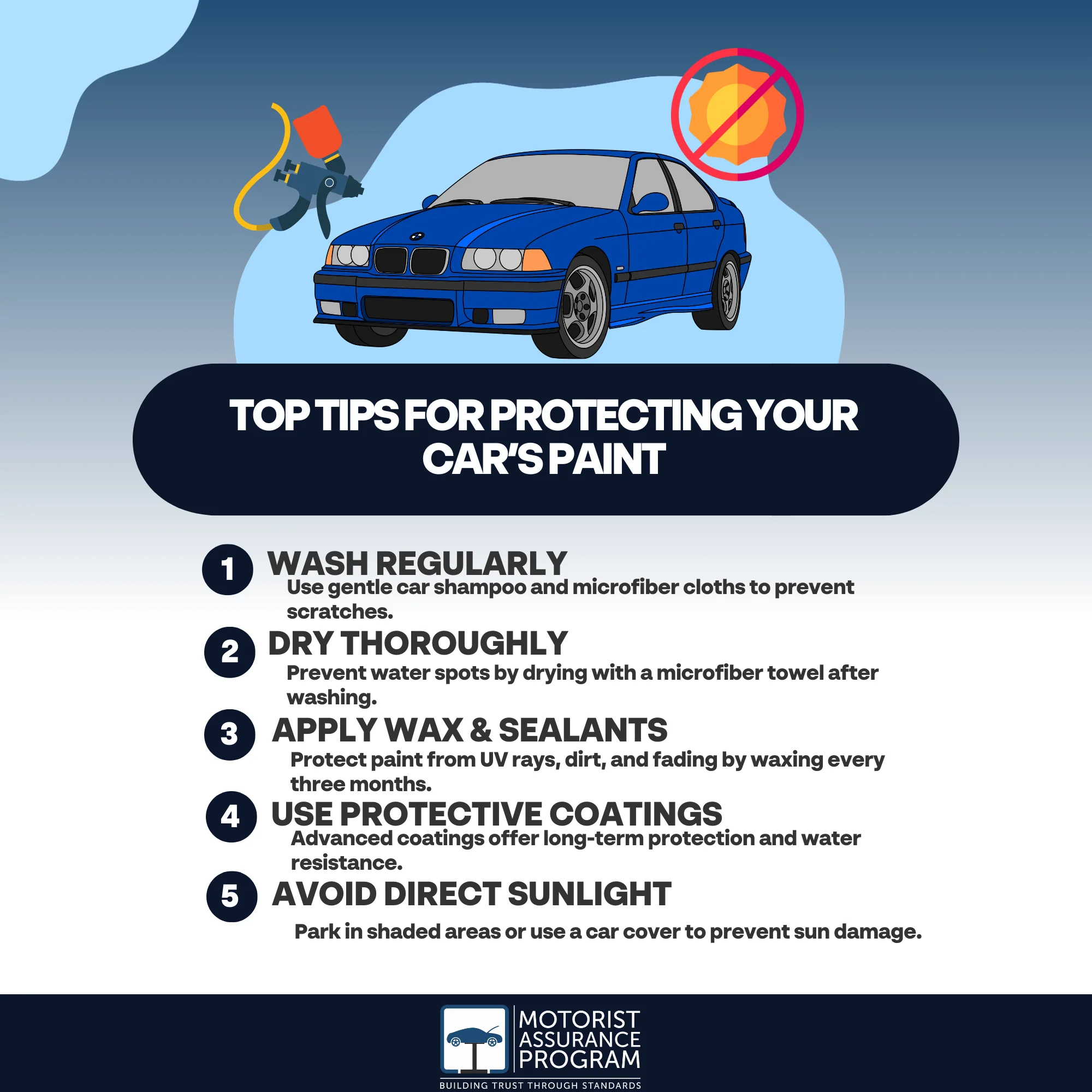
Credit: motorist.org
Signs To Reapply Wax
Knowing when to reapply wax on your car is key to keeping it shiny and protected. Wax does not last forever. Over time, it wears off due to weather, washing, and driving. Watching for certain signs helps you keep your car looking its best. These signs tell you it’s time to wax again.
Dullness And Lack Of Shine
Your car’s paint looks dull and flat. The shiny, glossy finish fades. This loss of shine means the wax layer is thinning or gone. Wax adds a smooth, glossy look. Without it, the paint looks dry and lifeless. If your car no longer gleams, reapply wax soon.
Water Beading Reduction
Water normally beads up on a waxed surface. Drops roll off easily, protecting the paint. When wax wears off, water spreads out and sticks. This means less protection from water damage. Check your car after rain or washing. If water no longer beads, it’s time to wax again.
Surface Contaminants
Wax helps keep dirt and grime off your car. If you notice more dirt sticking or stains that won’t wash away, the wax has worn down. Contaminants can harm the paint. A fresh wax layer blocks these harmful particles. Clean your car and add new wax to protect it.
Risks Of Leaving Wax Too Long
Leaving wax on your car for too long can cause problems. Wax is made to protect your paint, but it does not last forever. Over time, the wax can break down and cause issues that might harm your car’s look and finish. Understanding these risks helps you keep your car in good shape.
Wax Breakdown And Residue
Wax breaks down after a long time on your car. This can leave a sticky or dull residue. The residue attracts dirt and dust, making your car look dirty. It also blocks the shine that wax usually gives your car.
Potential Paint Damage
Old wax can trap moisture and dirt on the paint. This can cause the paint to fade or discolor. In some cases, it can lead to small scratches or damage. The protective layer weakens, leaving your paint more open to harm.
Difficulty In Removal
Wax left too long becomes hard to remove. It may need strong cleaners or extra effort to clean off. This can risk scratching or wearing down the paint. Removing old wax can take more time and work than fresh wax.
Best Practices For Wax Application
Applying wax to your car protects its paint and keeps it shiny. Follow the best practices to get the best results. Proper steps help the wax last longer and look better.
Good preparation, correct application, and proper drying are key parts of waxing your car right.
Preparation And Cleaning
Start by washing your car well. Dirt or dust can cause scratches under the wax. Use a car shampoo and a soft sponge. Rinse the car fully and dry it with a clean towel. Make sure the surface is cool and in the shade. Avoid waxing under direct sunlight to prevent spots.
Application Techniques
Apply wax in small sections to control coverage. Use a foam or microfiber applicator pad. Spread wax evenly in thin, circular motions. Avoid thick layers; thin coats dry better and look smooth. Work methodically from the top to the bottom of the car. Let the wax haze before moving to the next step.
Drying And Buffing Tips
Let the wax dry until it forms a light haze. This usually takes 5 to 10 minutes. Use a clean microfiber cloth to buff the surface gently. Buff in circular or back-and-forth motions to remove residue. Do not press too hard to avoid streaks. Check your work under good light to see the shine.
Maintaining Wax Protection
Maintaining the wax protection on your car keeps its shine and guards the paint. Wax acts as a shield against dirt, rain, and sun damage. To keep this shield strong, you must care for it properly. Simple steps help your wax last longer and keep your car looking new.
Here are some easy ways to maintain wax protection and extend its life.
Regular Washing
Washing your car often removes dirt and grime that can wear down wax. Use gentle car shampoo and cool water. Avoid washing your car under direct sunlight to prevent water spots. Clean the surface carefully to keep the wax layer intact.
Using Quick Detailers
Quick detailers help refresh wax between washes. Spray a small amount on the car’s surface and wipe with a soft cloth. This adds a thin layer of protection and boosts shine. Use quick detailers regularly to keep wax looking fresh and shiny.
Avoiding Harsh Chemicals
Harsh chemicals can strip wax from your car’s paint. Stay away from strong detergents, solvents, and acidic cleaners. These products damage the wax layer and reduce its effectiveness. Always choose gentle, car-safe cleaning products to protect the wax coat.
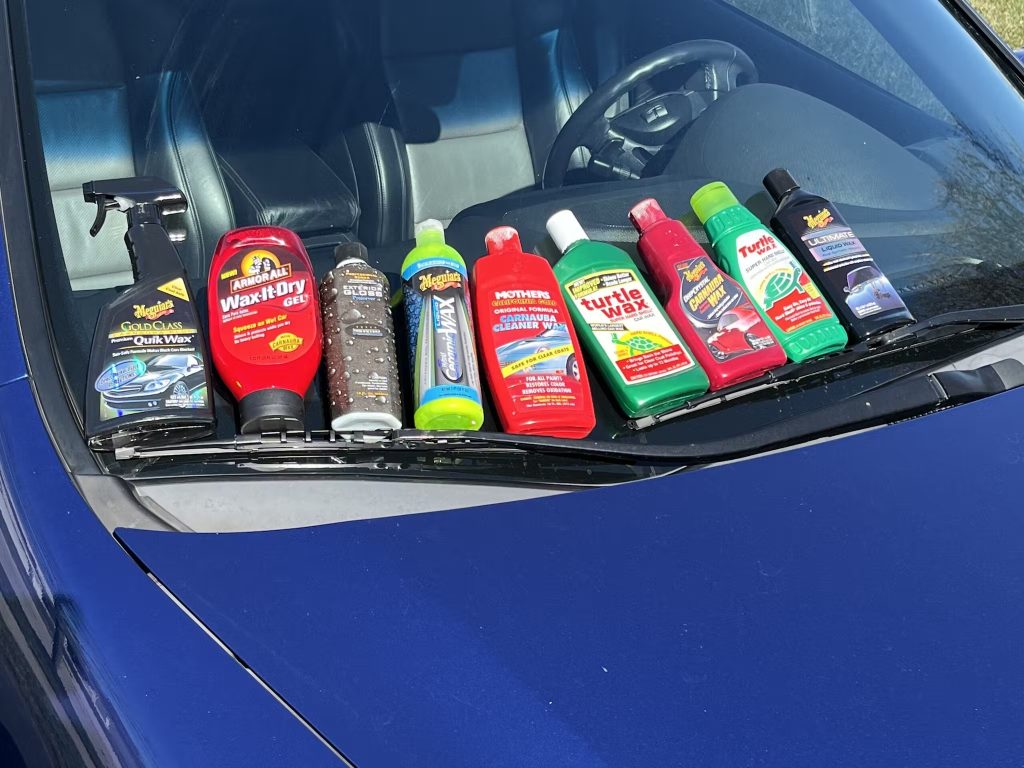
Credit: www.hagerty.co.uk
Frequently Asked Questions
How Long Does Car Wax Protection Last?
Car wax protection typically lasts 4 to 6 weeks. This depends on wax type, weather, and car use. Regular reapplication ensures optimal shine and protection.
Can Leaving Wax On Too Long Harm My Car?
Leaving wax too long can cause buildup. This may dull your car’s shine and attract dirt. Remove old wax before applying new layers for best results.
How Often Should I Wax My Car?
Wax your car every 3 to 4 months for good protection. Frequent waxing keeps paint safe from UV rays and contaminants, maintaining a glossy finish.
What Affects Wax Durability On My Car?
Sun exposure, rain, and washing frequency affect wax durability. Harsh weather and frequent washing shorten wax lifespan. Use quality wax and maintain your car for longer protection.
Conclusion
Wax protects your car and keeps it shiny for weeks. Usually, wax lasts between one to three months. Leaving wax too long can cause buildup and dullness. Regular waxing helps maintain your car’s look and guard against damage. Check your wax type and weather conditions to decide when to reapply.
Simple care keeps your car looking fresh and clean. Keep wax on just long enough for protection, not too long. Your car will thank you with a bright, smooth finish every time.

