
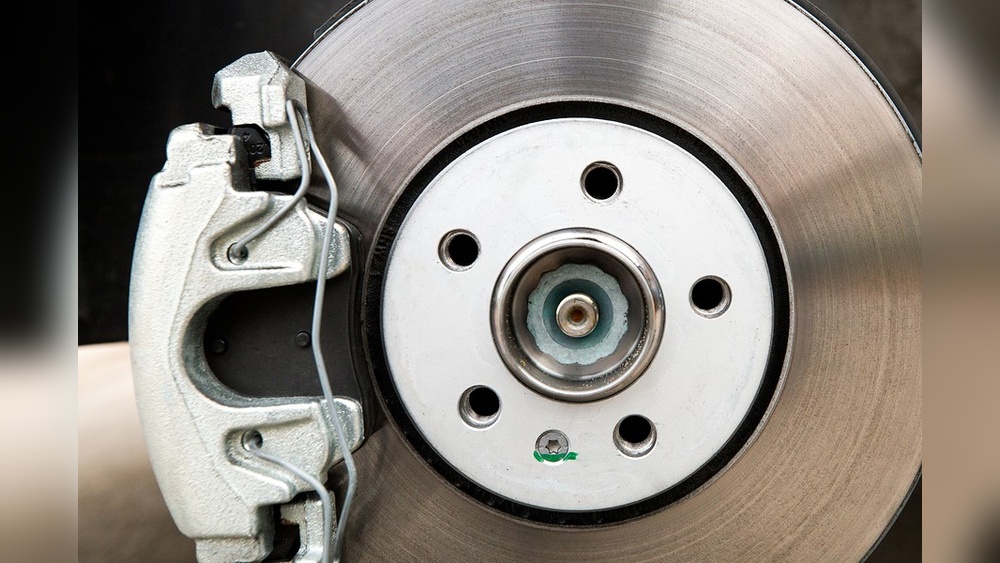
Your brakes are one of the most important safety features on your vehicle. But have you ever wondered how long your brake rotors actually last?
Knowing this can save you money, keep your car running smoothly, and most importantly, protect you on the road. You’ll discover the average lifespan of brake rotors, signs they need replacing, and tips to extend their life. Keep reading to make sure your brakes stay in top shape and avoid costly repairs down the line.
Credit: www.yourmechanic.com
Average Lifespan Of Brake Rotors
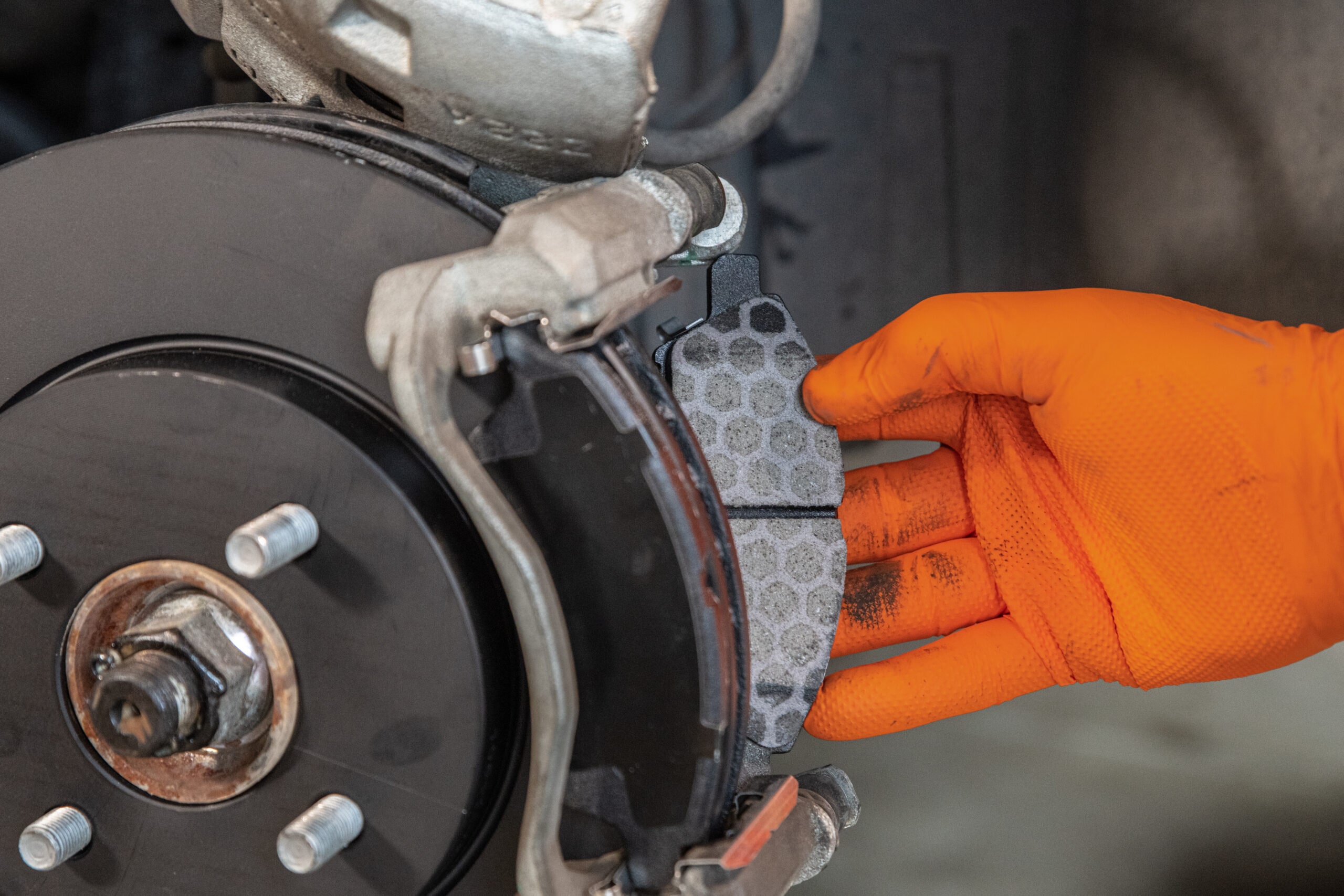
Brake rotors are a key part of your car’s braking system. They work with brake pads to stop the vehicle safely. Knowing how long brake rotors last helps you plan maintenance and avoid unsafe driving conditions.
Brake rotors wear down over time. The average lifespan varies based on many factors. Understanding this can save you money and keep your car running smoothly.
Typical Mileage Range
Most brake rotors last between 30,000 and 70,000 miles. Some can go beyond 70,000 miles with gentle driving. Others may need replacement closer to 30,000 miles if used hard or often. The driving style and road types make a big difference.
Factors Affecting Rotor Life
Driving habits affect rotor life a lot. Hard braking or riding the brakes causes faster wear. City driving with many stops wears rotors quicker than highway driving. Road conditions like hills or rough roads also add stress.
Brake pad quality influences rotor life. Cheap pads can damage rotors faster. Good pads wear evenly and protect the rotors. Regular brake inspections help catch rotor wear early. Rust and corrosion also shorten rotor life, especially in wet climates.
Types Of Brake Rotors
Brake rotors come in different types. Each type serves a special purpose. Knowing these types helps you understand their lifespan better.
Solid Rotors
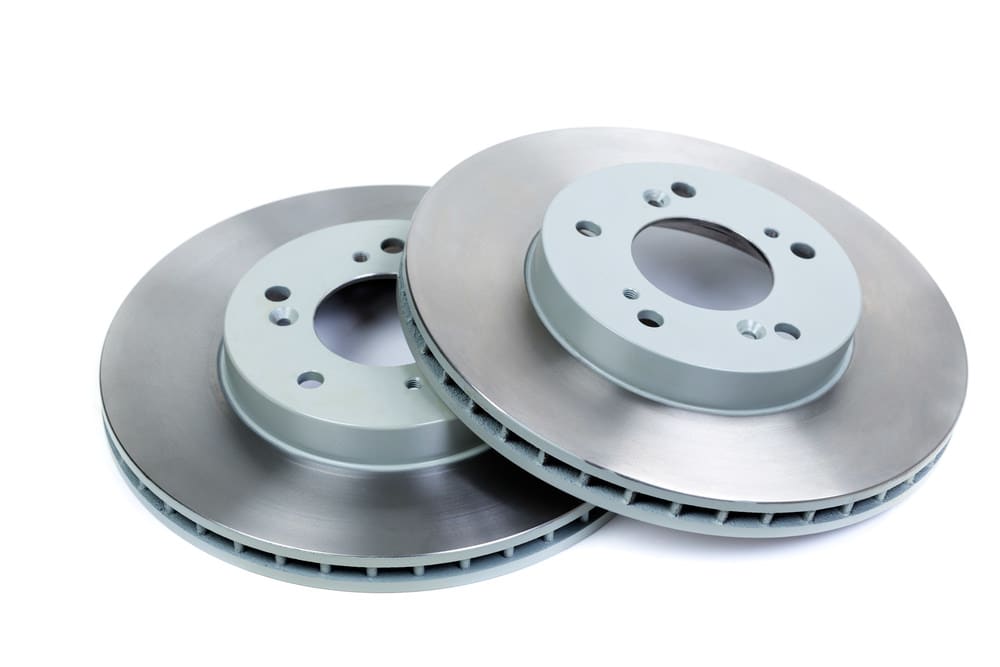
Solid rotors are the most basic type. They are a single, solid piece of metal. These rotors are strong and last long with normal driving. They can get hot quickly on steep hills or heavy braking.
Vented Rotors
Vented rotors have two plates with air space between. This design helps cool the brakes faster. Cooler brakes last longer and perform better. Vented rotors are common in most cars today.
Slotted And Drilled Rotors
Slotted rotors have grooves on their surface. Drilled rotors have holes. These features help remove heat and gas build-up. They improve braking in tough conditions. These rotors may wear out faster than solid or vented types.
Signs Of Worn Brake Rotors
Brake rotors wear down over time. Knowing the signs of worn brake rotors helps keep your car safe. Early detection can prevent bigger problems and costly repairs.
Watch for changes in how your car feels and sounds when braking. These clues show that your rotors might need attention or replacement.
Vibrations During Braking
Feeling shakes or vibrations in the brake pedal or steering wheel is common. This happens when rotors become uneven or warped. It may get worse as you press the brake harder. Vibrations signal that the rotor surface is not smooth.
Visible Scoring Or Cracks
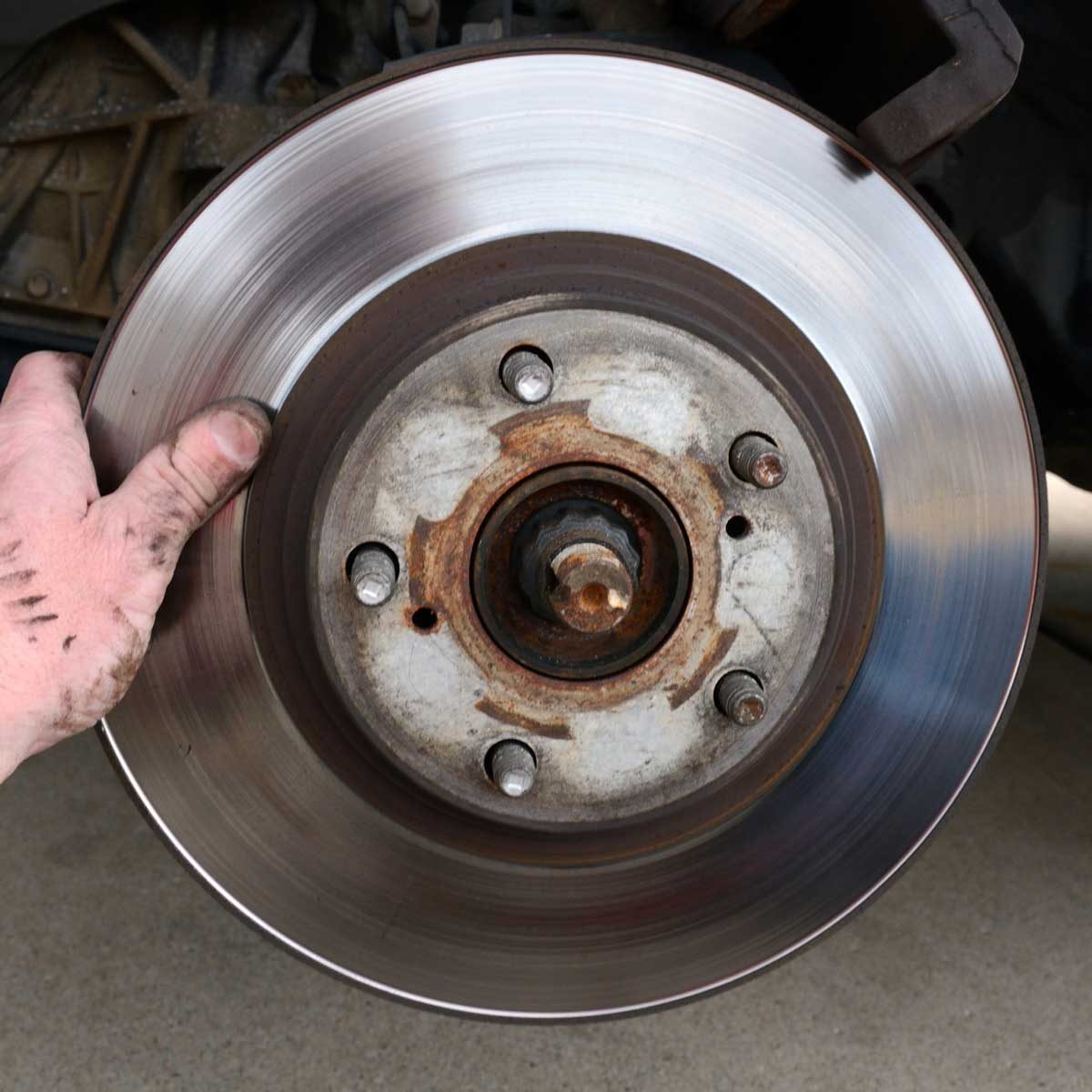
Look closely at the rotor surface through the wheel spokes. Deep grooves or scoring lines show the rotor is worn down. Cracks, even small ones, mean the rotor is weak and unsafe. Damaged rotors need quick replacement to avoid brake failure.
Noise Indicators
Squealing, grinding, or scraping noises during braking are warning signs. Squeals may come from worn brake pads rubbing uneven rotors. Grinding sounds mean metal is contacting metal, a serious issue. Noises alert you to rotor or brake pad damage early on.
Credit: www.autozone.com
Driving Habits And Rotor Wear
Driving habits play a big role in how long brake rotors last. The way you drive affects how fast the rotors wear out. Different driving styles cause different amounts of stress on the rotors. Understanding this helps you take better care of your brakes.
City Vs. Highway Driving
City driving means frequent stops and starts. This causes more heat and wear on the brake rotors. Constant braking in traffic wears down rotors faster. Highway driving uses brakes less often. Rotors last longer on highways because braking is gentle and less frequent. Roads with stop signs and traffic lights shorten rotor life.
Aggressive Braking Impact
Aggressive braking puts heavy stress on brake rotors. Hard stops generate more heat, which wears down rotors quickly. Riding the brakes or slamming on them causes grooves and warping. Smooth, gradual braking helps rotors last longer. Aggressive braking shortens rotor life and may lead to early replacement.
Maintenance Tips To Extend Rotor Life
Brake rotors play a vital role in vehicle safety. Taking care of them helps avoid costly repairs. Simple steps can make your rotors last longer. A little effort saves money and keeps you safe on the road.
Regular Inspections
Check your rotors often for signs of wear or damage. Look for grooves, cracks, or rust on the surface. Listen for unusual noises when braking. Early detection prevents bigger problems. Schedule routine brake checks with a mechanic. Clean rotors help maintain smooth braking performance.
Proper Bedding-in Techniques
New rotors need proper bedding-in to work well. Avoid hard stops during the first 200 miles. Gradually increase braking force to let pads and rotors settle. This process creates an even layer of brake pad material. Even bedding reduces vibration and extends rotor life. Follow manufacturer instructions for best results.
When To Replace Brake Rotors
Knowing when to replace brake rotors is key for safe driving. Rotors wear down with use and heat. Worn rotors reduce braking power and increase stopping distance. Watch for signs like vibrations, noise, or visible grooves. Checking rotor condition regularly keeps your brakes working well.
Measuring Rotor Thickness
Rotor thickness is the main factor to decide replacement time. Use a micrometer to measure the rotor’s thickness. Measure at several points around the rotor. Compare measurements to the rotor’s minimum thickness limit. Thin rotors can warp or crack under heat stress. Replace rotors before they reach the minimum thickness.
Manufacturer Specifications
Every car model has specific rotor thickness guidelines. Check the owner’s manual or service guide for these specs. Follow the manufacturer’s minimum thickness value strictly. Using these specs ensures safe braking and avoids damage. Always choose rotors that meet or exceed these standards.
Cost Factors For Rotor Replacement
Replacing brake rotors involves several cost factors. Understanding these helps plan your budget better. Costs depend on parts, labor, and the quality of components. Each factor affects the total price you will pay. Knowing this information makes the process clearer and less stressful.
Parts And Labor Costs
Parts cost varies by vehicle make and model. Some rotors are more expensive due to size or design. Labor costs depend on the mechanic’s hourly rate. Complex cars take longer to service, increasing labor costs. Usually, labor and parts together form the majority of the total cost. Always ask for a clear estimate before starting work.
Choosing Quality Components
Low-quality rotors may cost less initially. But they wear out faster and can cause more damage. High-quality rotors last longer and improve safety. They resist heat better and reduce brake fade. Investing in good parts saves money over time. Choose trusted brands and check for warranties.
Credit: www.familyhandyman.com
Frequently Asked Questions
How Often Should Brake Rotors Be Replaced?
Brake rotors typically last 30,000 to 70,000 miles. Replacement depends on driving habits and rotor quality. Regular inspections help determine wear. If you notice vibrations or reduced braking, check rotors immediately.
What Factors Affect Brake Rotor Lifespan?
Rotor lifespan varies due to driving style, climate, and maintenance. Frequent hard braking or city driving wears rotors faster. High-quality rotors and proper brake pad use extend their life. Regular maintenance also prevents premature rotor damage.
Can I Drive With Worn Brake Rotors?
Driving with worn rotors is unsafe and damages the braking system. Worn rotors reduce braking efficiency and increase stopping distances. Replace rotors promptly if they are below minimum thickness or show cracks. Safety should always be your priority.
How To Tell If Brake Rotors Need Replacement?
Look for vibrations, squealing noises, or visible grooves on rotors. Uneven wear or rotor warping also signals replacement time. Use a micrometer to measure rotor thickness. If below manufacturer’s minimum, replace rotors immediately.
Conclusion
Brake rotors usually last between 30,000 to 70,000 miles. Many things affect their life, like driving style and road conditions. Regular checks help spot wear early and keep your car safe. Replacing rotors on time avoids bigger problems later. Good care saves money and keeps brakes working well.
Remember, healthy brakes mean safer trips every day. Keep an eye on your rotors and drive smart.


