

Have you ever felt your steering wheel shake or noticed a strange vibration when you brake? This could be a sign that your brake rotors are warped.
But how does a brake rotor get warped in the first place? Understanding this can help you protect your car and stay safe on the road. You’ll discover the common causes behind warped rotors and what you can do to prevent it from happening to your vehicle.
Keep reading to learn how to keep your brakes working smoothly and avoid costly repairs.
Common Causes Of Warped Brake Rotors
Warped brake rotors cause vibrations and reduce braking safety. Understanding the common reasons behind rotor warping helps prevent damage. Several factors lead to uneven rotor surfaces and poor brake performance.
Excessive Heat Build-up
Brake rotors get very hot during use. Hard or frequent braking creates high temperatures. This heat causes metal to expand unevenly. Over time, the rotor surface changes shape. Excess heat is a top cause of warping.
Improper Installation
Installing brake rotors incorrectly leads to problems. If rotors are not tightened evenly, they warp. Misalignment during installation creates pressure points. These points cause uneven wear and heat spots. Proper installation is crucial to avoid warping.
Worn Brake Pads
Old or damaged brake pads wear rotors unevenly. Thin pads expose rotors to metal-on-metal contact. This contact creates hot spots and rough areas. Uneven pad wear causes rotor surface to warp. Regular pad checks protect the rotors.
Using Low-quality Rotors
Cheap rotors often use poor materials. They heat up faster and cool down unevenly. Low-quality rotors lack durability and resist warping less. Choosing better rotors helps maintain smooth braking. Quality matters in rotor longevity.
Rapid Cooling Effects
Hot rotors exposed to cold air or water cool quickly. This sudden change causes metal to contract unevenly. Rapid cooling creates stress and surface distortions. Avoid driving through deep water right after braking. Slow cooling prevents rotor warping.

Credit: www.youtube.com
Signs Indicating Warped Rotors
Warped brake rotors cause several clear signs. These signs help spot rotor problems early. Knowing these signs can save repair costs and keep driving safe.
Vibrations During Braking
Feeling vibrations in the brake pedal or car is common. These vibrations happen when rotors are uneven. The shaking grows stronger at higher speeds.
Uneven Brake Pad Wear
Rotors that warp cause brake pads to wear unevenly. One side may wear faster than the other. This uneven wear reduces braking power and safety.
Squealing Or Grinding Noises
Warped rotors can produce strange noises during braking. Squealing or grinding sounds mean the brake pads and rotors are not working well. These noises warn of rotor damage.
Steering Wheel Shaking
The steering wheel may shake while braking. This happens because warped rotors cause uneven braking force. Shaking steering affects control and comfort.
Longer Stopping Distances
Warped rotors reduce braking efficiency. This makes the car take longer to stop. Longer stopping distances increase the risk of accidents.
Factors Increasing Rotor Warping Risk
Brake rotors can warp due to several factors. These factors raise the chance of uneven heat and stress. Understanding them helps prevent costly repairs and unsafe driving.
Driving Habits And Conditions
Hard braking heats rotors quickly. Frequent sudden stops add stress. Driving downhill often forces constant braking. Stop-and-go traffic creates repeated heat cycles. These habits make rotors more likely to warp.
Maintenance Neglect
Ignoring brake checks leads to problems. Worn brake pads cause uneven pressure on rotors. Old brake fluid reduces cooling efficiency. Dirty rotors trap heat unevenly. Lack of maintenance speeds up warping risk.
Vehicle Load And Weight
Heavier vehicles put more pressure on brakes. Carrying extra weight strains rotors during stops. Overloading a vehicle increases heat buildup. This added stress can cause rotors to warp faster.
Brake System Design
Some brake designs handle heat better than others. Thin rotors cool down slower and warp easily. Poor rotor material quality reduces heat tolerance. Improper rotor size for the vehicle increases stress. Design flaws raise the chance of rotor warping.
Preventing Rotor Warping
Preventing rotor warping keeps your brakes working well and safe. Warped rotors cause vibrations and reduce braking power. Simple care steps help avoid costly repairs and keep your ride smooth.
Regular Brake Inspections
Check brake rotors and pads often for wear and damage. Early spotting of problems stops rotor warping from getting worse. A quick inspection saves money and improves safety.
Proper Bedding-in Of Pads
New brake pads need proper bedding-in to work well. This process helps pads and rotors wear evenly. Follow the correct steps after installing new pads to avoid rotor warping.
Avoiding Hard Braking
Sudden, hard braking heats rotors quickly, causing warping. Brake gently and give brakes time to cool. Smooth braking lowers the risk of heat damage to rotors.
Choosing Quality Brake Components
Use high-quality rotors and pads for better performance. Cheap parts wear out faster and can cause warping. Investing in good components protects your brakes and improves safety.
Repair And Replacement Options
Warped brake rotors cause vibration and reduce braking safety. Repairing or replacing them restores smooth braking and vehicle control. Choosing the right option depends on the rotor’s condition and your budget.
Resurfacing Warped Rotors
Resurfacing means sanding the rotor’s surface to remove warping. It smooths out uneven spots that cause shaking. This option works if the rotor is not too thin or badly damaged. Resurfacing is cheaper than replacement but only lasts if the rotor stays thick enough.
When To Replace Rotors
Replace rotors if they are too thin, cracked, or deeply warped. Thin rotors overheat easily and lose strength. Cracks can cause rotor failure and unsafe braking. Replacement ensures reliable stopping power and avoids future problems.
Cost Considerations
Resurfacing usually costs less than buying new rotors. Prices vary by car model and part quality. New rotors and labor can add up but offer longer life. Consider the cost and how long you want the repair to last.
Professional Vs Diy Repairs
Professionals have tools and experience to fix rotors safely. They check rotor thickness and balance after work. DIY repairs save money but need proper tools and knowledge. Mistakes can lead to unsafe brakes or extra costs later.
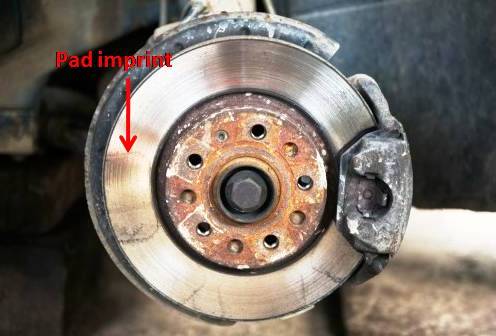
Credit: trade.mechanic.com.au

Credit: lawrencevilleautocenter.com
Frequently Asked Questions
What Causes Brake Rotors To Warp?
Brake rotors warp due to excessive heat from heavy braking or riding brakes. Uneven cooling and poor maintenance also contribute. Warped rotors lead to vibration and reduced braking efficiency.
How Can I Tell If My Rotor Is Warped?
You may feel a vibration or pulsation in the brake pedal or steering wheel. Uneven brake pad wear and noise during braking also indicate warped rotors.
Can Driving Habits Cause Rotor Warping?
Yes, aggressive braking and frequent hard stops generate excess heat. Riding the brakes and not allowing cooling time increase the risk of rotor warping.
How To Prevent Brake Rotor Warping?
Avoid aggressive braking and allow rotors to cool after heavy use. Regular maintenance and timely brake pad replacement help prevent warping.
Conclusion
Warped brake rotors happen mainly due to heat and uneven wear. Driving habits and poor maintenance speed up this problem. Keeping rotors cool and checking brake pads helps prevent warping. Regular brake inspections catch issues early and keep your car safe.
Understanding how rotors warp helps you take better care of brakes. Simple steps can save you from costly repairs and unsafe driving. Remember, smooth brakes mean safer rides and peace of mind.

