
Have you ever wondered how long your brake rotors should last before they need replacing? Knowing this can save you from unexpected repair costs and keep your car running safely.
Brake rotors are a key part of your vehicle’s braking system, and understanding their lifespan helps you spot problems early. You’ll discover what affects rotor life, signs they’re wearing out, and tips to extend their durability. Keep reading to protect your car and your peace of mind on the road.
Credit: www.familyhandyman.com
Brake Rotor Lifespan Basics
Brake rotors are a key part of a car’s braking system. They work with brake pads to stop the vehicle safely. Knowing how long rotors last helps keep driving safe and smooth.
Many factors affect how long rotors last. Some rotors last longer than others depending on use and material. Regular checks can catch problems early.
Factors Affecting Durability
Driving style impacts rotor wear. Hard braking wears rotors faster. City driving with frequent stops shortens rotor life.
Road conditions also matter. Rough or hilly roads cause more wear. Weather plays a role too. Moisture and salt speed up rust.
Brake maintenance affects rotor life. Worn pads can damage rotors. Regular pad changes help rotors last longer.
Material Types And Longevity
Rotors come in different materials. Cast iron is common and affordable. It wears out faster but is easy to replace.
Steel rotors last longer than cast iron. They resist heat and wear better. These rotors cost more but offer better durability.
Carbon-ceramic rotors are very durable and light. They handle heat well and last much longer. These are usually found on high-end cars.
Average Mileage Expectations
Brake rotors wear down over time and need replacement. Knowing the average mileage helps plan maintenance. The lifespan depends on vehicle type and driving habits. Understanding typical mileage can save money and improve safety.
Standard Passenger Vehicles
Most passenger car rotors last between 30,000 and 70,000 miles. Normal city and highway driving causes slow wear. Smooth braking and regular maintenance extend rotor life. Harsh stops and rough roads shorten their lifespan. Checking rotors every 20,000 miles is a good rule.
High-performance And Heavy-duty Vehicles
High-performance cars and trucks often wear rotors faster. Heavy loads and aggressive driving reduce rotor life to 20,000-40,000 miles. Towing and off-road use cause extra stress. These vehicles need more frequent rotor inspections. Using quality rotors can improve durability under tough conditions.
Signs Of Rotor Wear
Brake rotors wear down over time and need attention. Noticing the signs early can keep your driving safe. Rotors often show clear signals before they fail. These signs help you decide if it’s time for a change. Watch for both what you see and hear from your brakes.
Visual Indicators
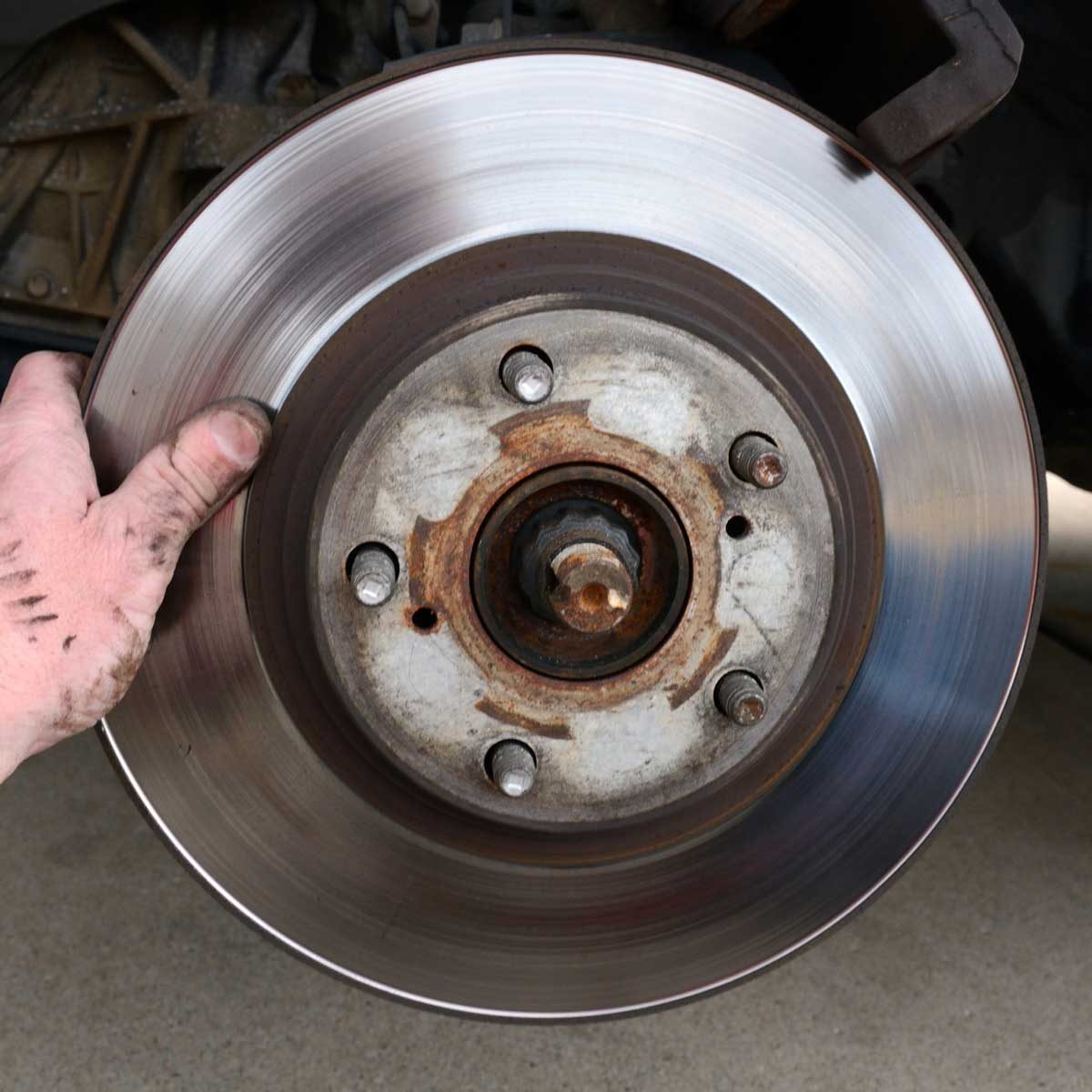
Look closely at your rotors for grooves or scoring. Deep lines on the rotor surface mean wear. Rust patches can reduce braking efficiency. Check for uneven rotor thickness; it can cause problems. A blue tint shows the rotor got too hot. Warped rotors may look wavy or bent. These visual clues point to rotor damage.
Noise And Vibration Clues
Listen for squealing or grinding sounds when braking. High-pitched noises often mean rotor wear. Grinding signals the brake pads are touching metal. Vibrations or pulsing in the brake pedal are warning signs. These happen when rotors are warped or uneven. Noises and feelings during braking can reveal rotor issues early.

Credit: www.ikehonda.com
Maintenance Tips To Extend Life
Brake rotors wear down over time. Proper care helps them last longer. This section shares simple tips to keep rotors in good shape. Follow these steps to avoid early replacement and save money.
Small changes in driving and regular checks can make a big difference. Keep rotors strong and safe for your car’s brakes.
Proper Driving Habits
Avoid hard braking whenever possible. Slow down smoothly to reduce rotor wear. Fast stops create heat and stress on rotors. This can cause warping or cracks.
Use engine braking on downhill roads. Shift to lower gears to slow down. This reduces the load on your brake system. Avoid riding the brakes for long times. It leads to faster rotor damage.
Regular Inspection And Servicing
Check your brake rotors every 10,000 miles or as advised. Look for grooves, rust, or uneven wear. Get professional service if you notice vibration or noise while braking.
Replace brake pads before they wear out fully. Worn pads can damage rotors quickly. Clean rotors during brake servicing to remove dust and dirt. Proper maintenance keeps rotors working well and lasting longer.
When To Replace Brake Rotors
Knowing when to replace brake rotors is vital for safe driving. Rotors wear down over time and use. Signs of wear can appear in many ways. Recognizing these signs helps avoid costly repairs or accidents. Regular checks keep your brakes effective and safe.
Safety Thresholds
Brake rotors have a minimum thickness limit. This limit is set by the manufacturer. If rotors get thinner than this, they become unsafe. Thin rotors can crack or warp easily. Warped rotors cause vibrations when braking. If you feel shaking in the brake pedal, check the rotors. Also, deep grooves or scoring on the rotor surface mean replacement time. Regularly measure rotor thickness with a micrometer. Replace rotors before they reach the minimum thickness.
Cost Vs. Performance Considerations
New rotors improve braking performance and safety. Worn rotors reduce stopping power and cause noise. Replacing rotors costs more than just brake pads. But new rotors last longer and prevent future problems. Cheap rotors may wear out faster and warp. Investing in quality rotors saves money over time. Consider rotor replacement when brakes feel weak or noisy. Timely replacement keeps your car stopping smoothly and safely.
Credit: www.delaneytireandauto.com
Upgrading And Choosing Rotors
Upgrading and choosing brake rotors can improve your vehicle’s braking performance and safety. Selecting the right rotor depends on your driving needs and vehicle type. Proper rotors last longer and handle heat better. Understanding your options helps you make a smart choice.
Aftermarket Options
Aftermarket rotors offer many choices beyond stock parts. They often cost less and provide different performance levels. Some focus on durability, while others improve stopping power. Many brands design rotors for specific uses like daily driving or racing. Choosing an aftermarket rotor can fit your budget and needs well.
Material And Design Choices
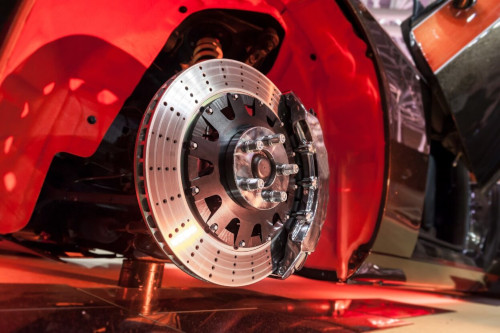
Brake rotors come in various materials such as cast iron, steel, and composites. Cast iron is common and affordable. Steel rotors resist heat and last longer. Some rotors have special coatings to prevent rust. Design features like vented or drilled holes help cool the rotor quickly. These designs reduce brake fade and improve safety on long drives.
Frequently Asked Questions
How Long Do Brake Rotors Usually Last?
Brake rotors typically last between 30,000 to 70,000 miles. Factors like driving habits and rotor quality affect lifespan. Regular inspection helps catch wear early. Replacing rotors on time ensures safe braking and vehicle performance.
What Signs Indicate Worn Brake Rotors?
Common signs include vibrations while braking, squealing noises, and uneven brake pad wear. Visual cracks or grooves on rotors also signal wear. If you notice these, have your rotors inspected and replaced if needed.
Can Brake Rotors Be Resurfaced Instead Of Replaced?
Yes, rotors can often be resurfaced if damage is minor. Resurfacing removes small grooves and restores smoothness. However, if rotors are too thin or cracked, replacement is safer and recommended.
Does Driving Style Affect Brake Rotor Lifespan?
Absolutely. Aggressive braking and frequent stops wear rotors faster. Gentle braking and gradual stops extend rotor life. Adjusting driving habits can save money and improve safety.
Conclusion
Brake rotors usually last between 30,000 and 70,000 miles. This depends on driving habits and road conditions. Regular checks help catch wear early and keep brakes safe. Replacing rotors on time avoids costly repairs and accidents. Remember, smooth braking keeps you and others safe on the road.
Stay alert, and maintain your vehicle well. Good brake care saves money and stress in the long run.


