

Have you ever felt a strange vibration or heard a grinding noise when you press your brake pedal? These could be signs that your brake rotors are worn out or damaged.
Knowing if you have bad brake rotors is crucial for your safety and your car’s performance. You’ll learn the simple ways to spot the warning signs early. Keep reading to find out how to protect yourself and avoid costly repairs by understanding exactly what your brakes are telling you.
Common Brake Rotor Issues
Brake rotors are vital for vehicle safety. They work with brake pads to stop your car. Over time, rotors can develop problems. These issues affect braking performance and safety.
Knowing common brake rotor issues helps you spot trouble early. This avoids costly repairs and keeps driving safe. Below are the main problems to watch for.
Warped Rotors
Warped rotors cause vibrations when braking. You may feel shaking in the steering wheel. Heat buildup during braking often warps the metal. Warped rotors reduce braking power and cause noise.
Scored Surfaces
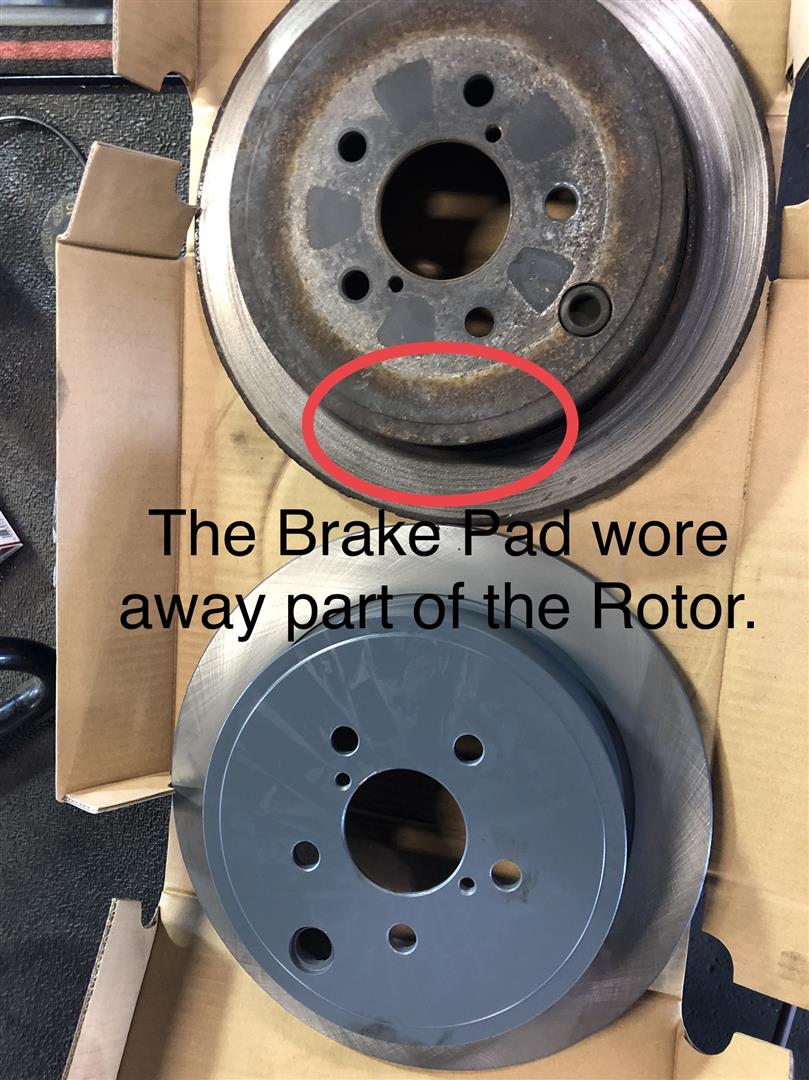
Scored rotors have grooves or scratches on the surface. These happen when brake pads wear down too much. Deep grooves lower braking efficiency and cause uneven wear. Scored surfaces make braking noisy and less smooth.
Rust And Corrosion
Rust forms on rotors from moisture and road salt. Corrosion weakens the metal and causes pitting. Rusty rotors may cause squealing or grinding sounds. Severe rust can make brakes unsafe and cause failure.
Signs Of Bad Brake Rotors
Brake rotors play a key role in vehicle safety. Bad rotors cause trouble and risk. Recognizing signs early helps avoid accidents and costly repairs. Notice changes in sound, feel, or stopping power. These signs often point to rotor problems. Understanding them keeps your brakes reliable and safe.
Squealing Or Squeaking Noises
High-pitched noises while braking often mean rotor issues. Dust or wear causes these sounds. Continuous squealing signals the need for inspection. Don’t ignore these noises as they worsen over time.
Vibrations During Braking
Shaking or vibrating felt in the brake pedal or steering wheel is a warning. Warped rotors cause uneven contact. This leads to vibrations that increase with speed. Feeling this means rotors likely need attention.
Reduced Braking Performance
Longer stopping times or weak brake response indicate rotor problems. Bad rotors reduce friction needed for quick stops. This decreases braking efficiency and raises danger on roads.
Visible Rotor Damage
Check rotors for cracks, grooves, or rust. Physical damage shows wear and tear. Deep grooves or cracks reduce braking ability. Rust can cause uneven rotor surfaces and noise.
Grinding Sounds
Grinding noises mean metal-on-metal contact. Brake pads may be worn past safe limits. Rotors get damaged when pads wear down. This sound demands immediate brake service.
Brake Pedal Pulsation
Pulsing or bouncing felt in the brake pedal happens from uneven rotors. Warped rotors cause this effect. It signals that rotor surfaces are no longer smooth. This affects brake control and comfort.
Increased Stopping Distance
Notice if your car takes longer to stop. Bad rotors reduce brake power and grip. Stopping distances increase, especially in emergencies. This is a critical sign to check your brakes.
Causes Of Rotor Damage
Brake rotors can wear out or get damaged over time. Several factors cause this damage. Knowing these causes helps you spot problems early. It protects your safety and saves money on repairs. Here are common reasons that damage brake rotors.
Excessive Heat
Brake rotors get very hot while stopping your car. High heat can make rotors warp or crack. Long downhill drives or heavy braking create too much heat. This heat weakens the metal and causes uneven surfaces. Warped rotors lead to shaking or noise during braking.
Improper Installation
Rotors must fit perfectly on the wheel hub. Bad installation causes uneven contact and rotor damage. Using the wrong tools or parts leads to misalignment. Loose or overly tight bolts also harm the rotor. Proper installation is key for smooth braking and rotor life.
Worn Brake Pads
Brake pads press against the rotors to stop the car. Old or worn pads wear down the rotor surface. Metal-on-metal contact can cause deep grooves and scratches. Replacing brake pads on time prevents rotor damage. Good pads protect rotors and improve braking safety.
Credit: www.powerstop.com
Checking Brake Rotors At Home
Checking brake rotors at home helps spot problems early. Simple steps can show if rotors need repair or replacement. This saves money and keeps driving safe. Here are easy ways to check your brake rotors yourself.
Visual Inspection Tips
Start by looking at the rotor surface. Look for deep grooves or cracks. Rust patches also show wear. A smooth, shiny surface means rotors are healthy. Uneven wear or discoloration signals trouble. Check edges for sharp ridges or damage. Use a flashlight to see better in dark areas.
Measuring Rotor Thickness
Rotor thickness affects braking power. Use a micrometer or caliper to measure thickness. Find the rotor’s minimum thickness in your car manual. If your rotor is thinner, it needs replacement. Measure in several spots around the rotor. Uneven thickness can cause vibrations while braking.
Listening For Unusual Noises
Listen carefully when braking. Grinding or squealing sounds mean rotor or pad issues. A pulsating or thumping noise can mean warped rotors. Noises often get louder with speed or braking force. Pay attention to new or strange sounds during stops. No noise usually means rotors are fine.
When To Replace Brake Rotors
Knowing when to replace brake rotors is key for safe driving. Rotors wear down over time and affect braking performance. Replacing them at the right time avoids bigger problems and keeps your car safe. Understanding signs and guidelines helps make the right choice.
Manufacturer Specifications
Car makers set rules for rotor thickness. These specs tell the minimum safe thickness for rotors. Use a micrometer to check rotor thickness. Replace rotors if they are thinner than the limit. This ensures proper brake function and safety.
Safety Considerations
Worn rotors cause vibration and poor braking. Cracks or deep grooves can lead to failure. Brake fade increases with bad rotors, risking accidents. Replace rotors if you feel shaking or hear noise. Prioritize safety over cost to protect yourself.
Cost Vs. Repair
New rotors cost less than fixing major brake damage. Resurfacing old rotors saves money but shortens their life. Sometimes buying new rotors is better for long-term use. Balance cost with safety and brake performance. Choose the option that keeps brakes reliable.
Credit: www.ricksautoservice.org
Preventing Rotor Damage
Preventing rotor damage is key to keeping your brakes working well. Rotors wear out over time. You can slow this process with the right care. Simple steps help keep your rotors smooth and safe. Knowing how to protect them saves money and stress.
Regular Maintenance
Check your brakes often. Look for signs of wear or damage. Clean the rotors if they get dirty. Dirt and rust cause quick damage. Regular checks catch problems early. Fix small issues before they grow.
Driving Habits
Drive smoothly to protect your rotors. Avoid hard stops and sudden braking. Slow down gradually when you brake. This reduces heat and stress on rotors. Use engine braking on hills to ease pressure. Gentle driving extends rotor life.
Brake Pad Replacement
Change brake pads on time. Worn pads damage rotors fast. Check pads every 10,000 miles or as your car manual says. Use quality pads that fit your vehicle. New pads keep rotors safe and brakes strong.
Credit: www.yourmechanic.com
Frequently Asked Questions
How Can I Tell If My Brake Rotors Are Bad?
Bad brake rotors often cause vibrations or pulsations when braking. You might also hear squealing or grinding noises. Visible grooves or cracks on the rotor surface indicate wear. If braking feels less responsive, your rotors could be damaged.
What Are The Symptoms Of Worn Brake Rotors?
Symptoms include uneven brake pad wear, noise during braking, and a pulsating brake pedal. You may also notice longer stopping distances. Warped rotors cause the brake pedal to vibrate. These signs suggest it’s time to inspect or replace rotors.
Can Bad Brake Rotors Damage Other Parts?
Yes, damaged rotors can cause excessive wear on brake pads. This reduces braking efficiency and increases repair costs. Warped rotors may strain the calipers and wheel bearings. Timely rotor maintenance prevents further brake system damage.
How Often Should Brake Rotors Be Inspected?
Brake rotors should be checked every 12,000 miles or during regular brake service. Inspect sooner if you notice noise, vibrations, or reduced braking. Regular checks help catch rotor wear early, ensuring safe and effective braking performance.
Conclusion
Bad brake rotors can affect your driving safety and comfort. Listen for strange noises or feel vibrations when braking. Check for uneven wear or deep grooves on the rotors. Early signs help prevent bigger problems and costly repairs. Regular brake inspections keep your vehicle running smoothly.
Don’t ignore warning signs; act quickly to stay safe on the road. Your brakes deserve attention to protect you and others. Stay alert, stay safe.


