

Have you ever wondered how long your breaks last when you’re driving? Knowing this can make a big difference in your safety and comfort on the road.
Whether you’re on a long trip or just running errands, understanding the timing of breaks helps you avoid fatigue and stay alert. You’ll discover exactly how long breaks should last in a car and why taking them at the right time matters more than you think.
Keep reading to learn simple tips that could change the way you drive forever.
Brake Components And Their Roles
Brakes are essential for car safety. They stop the vehicle safely and quickly. Several parts work together to make brakes function well. Each component has a special job to ensure your car stops on time. Understanding these parts helps you know how long brakes last and when to replace them.
Brake parts wear out at different rates. Knowing each part’s role helps you maintain your car better. Let’s look at the main brake components and what they do.
Brake Pads
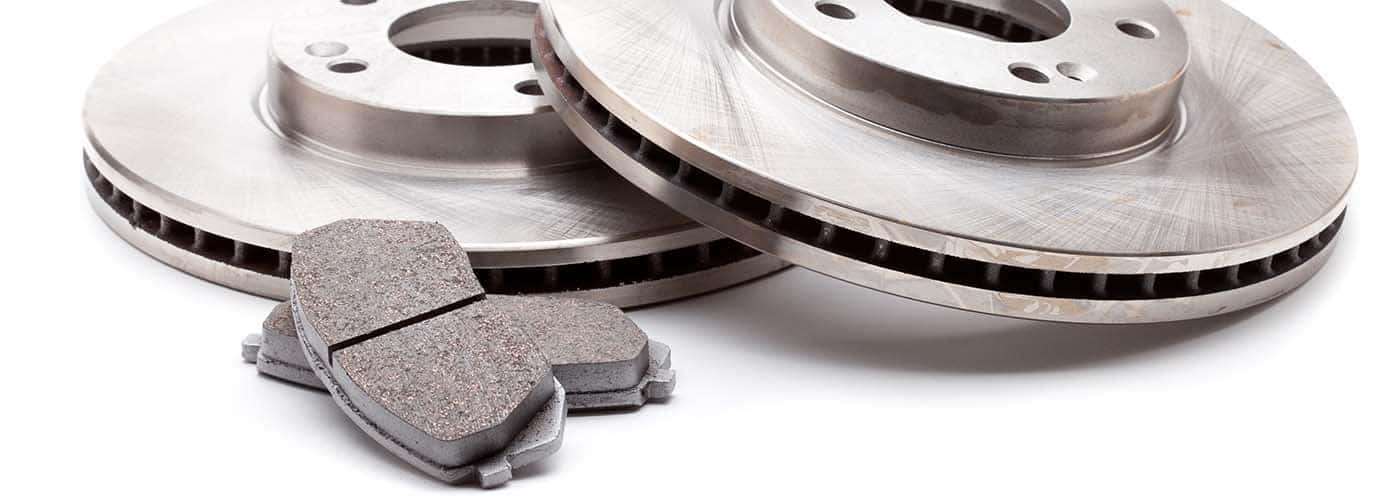
Brake pads press against the rotors to slow the car. They create friction to stop the wheels. Brake pads wear down over time and need regular checks. Thin or worn pads reduce braking power and can damage other parts.
Brake Rotors
Rotors are metal discs attached to the wheels. Brake pads clamp onto them to slow the car. Rotors can warp or get grooves from heavy use. Damaged rotors cause vibrations and reduce brake efficiency. They may need resurfacing or replacement.
Brake Fluid
Brake fluid transfers pressure from the brake pedal to the pads. It helps the brakes respond quickly and smoothly. Over time, brake fluid can absorb moisture and lose effectiveness. Regular fluid changes keep brakes working properly and prevent damage.
Calipers And Drums
Calipers hold and move the brake pads. They push pads against rotors to stop the car. Drums work like rotors but inside a drum shape. They are common in older or rear brakes. Both need to move freely for brakes to work well.

Credit: www.wowwoodys.com
Factors Influencing Brake Lifespan
Brake lifespan varies widely due to several key factors. These factors determine how quickly brake parts wear out. Understanding them helps you maintain your car better and stay safe.
Driving Habits
Frequent hard braking reduces brake life significantly. Smooth, gentle stops extend brake durability. City driving with many stops wears brakes faster. Highway driving with fewer stops preserves brake pads longer.
Road Conditions
Driving on rough or hilly roads increases brake wear. Steep descents demand more braking power. Dusty or sandy environments can cause brake parts to wear faster. Smooth, flat roads are easier on brakes.
Vehicle Type And Load
Heavier vehicles put more stress on brakes. Carrying heavy loads or towing reduces brake lifespan. Small cars usually experience less brake wear. Large trucks need stronger brakes and more frequent checks.
Brake Material Quality
High-quality brake pads last longer and perform better. Cheap materials wear out quickly and may cause noise. Ceramic pads offer good durability and less dust. Organic pads wear faster but are quieter.
Typical Lifespan Of Brake Parts
Brake parts wear out over time and need regular checks. Knowing how long each part lasts helps keep your car safe. It also saves money by avoiding big repairs. Different brake parts have different lifespans. Here is a look at the usual durability of common brake components.
Brake Pad Durability
Brake pads usually last between 30,000 and 70,000 miles. This depends on driving habits and road conditions. Hard braking wears pads faster. Soft, steady braking helps them last longer. Regular checks can spot worn pads before damage occurs. Replacing pads on time keeps brakes working well.
Rotor Replacement Frequency
Brake rotors often last about 50,000 to 70,000 miles. Rotors can wear unevenly or get damaged by heat. Thin or warped rotors cause brake problems. Rotors may need replacement or resurfacing during brake service. Proper rotor care improves brake performance and safety.
Brake Fluid Change Intervals
Brake fluid should be changed every 2 years or 24,000 miles. Over time, fluid absorbs moisture and loses effectiveness. Old fluid can cause brake failure or corrosion. Flushing and replacing fluid keeps the brake system working well. Check your car manual for exact intervals.
Signs Your Brakes Need Attention
Brakes are one of the most important parts of your car. They keep you safe on the road. Knowing the signs that your brakes need attention can prevent accidents. It can also save you money on costly repairs. Watch for these clear signs to keep your brakes working well.
Squeaking And Grinding Noises
High-pitched squeaking means brake pads are wearing out. Grinding sounds happen when pads are gone. Metal parts rub together then. This noise warns you to get brakes checked fast.
Reduced Braking Efficiency
Brakes that take longer to stop your car are unsafe. The pedal may feel soft or spongy. Your car might pull to one side when braking. These changes mean brake parts need repair or replacement.
Brake Pedal Feel Changes
The brake pedal should feel firm under your foot. If it feels too hard or too soft, there is a problem. Sometimes the pedal sinks to the floor. These changes show brake fluid or system issues.
Warning Lights
Dashboard brake lights come on for a reason. They warn you about low brake fluid or brake system faults. Never ignore these lights. They mean your brakes need immediate attention.
Maintenance Tips To Extend Brake Life
Brakes are one of the most important parts of your car. They keep you safe on the road. Taking good care of your brakes helps them last longer. It saves money and avoids sudden problems. Follow these maintenance tips to extend brake life and keep your car running smoothly.
Regular Inspections
Check your brakes often. Look for signs of wear like squeaking or grinding sounds. Inspect brake pads and discs for damage. Early detection helps prevent bigger issues. Regular checks keep your brakes in good condition.
Timely Fluid Replacement
Brake fluid wears out over time. Old fluid can cause brake failure. Change brake fluid as recommended by your car’s manual. Fresh fluid keeps the brake system working well. It ensures safe and smooth braking.
Driving Techniques For Brake Care
Drive gently to protect your brakes. Avoid hard stops and sudden braking. Use engine braking by downshifting on hills. This reduces brake wear. Smooth driving saves your brakes and fuel.
Professional Servicing
Have a mechanic check your brakes regularly. Professionals can spot hidden problems early. They can replace worn parts and adjust brakes correctly. Professional care extends brake life and improves safety.
Credit: www.marinechevy.com
When To Replace Brake Components
Knowing when to replace brake components is key for safe driving. Brake parts wear out over time and need checking. Worn brakes can cause accidents and costly repairs. Regular checks keep your car safe and smooth on the road.
Brake Pads Replacement Indicators
Brake pads wear down with use. Listen for a high-pitched squealing noise when braking. This sound means pads are thin and need change. Also, check for a longer stopping distance. If brakes feel less responsive, pads may be worn.
Rotor Resurfacing Vs. Replacement
Rotors work with brake pads to stop your car. Rotors can get grooves or cracks from wear. Small grooves may be fixed by resurfacing. Deep damage means rotors must be replaced. Always inspect rotors during brake service.
Brake Fluid Flush Timing
Brake fluid helps your brakes work well. Over time, fluid absorbs moisture and loses strength. This causes brake failure risks. Experts suggest flushing brake fluid every 2 years. Check fluid levels regularly to avoid brake problems.

Credit: www.kirklandhonda.com
Frequently Asked Questions
How Long Do Car Brake Pads Usually Last?
Car brake pads typically last between 30,000 to 70,000 miles. This varies with driving habits and conditions. Regular inspection helps ensure safety and timely replacement.
What Affects The Lifespan Of Car Brakes?
Brake lifespan depends on driving style, road conditions, and brake quality. Frequent stopping and heavy loads wear brakes faster. Proper maintenance extends brake life.
How Often Should You Check Car Brakes?
It’s best to check brakes every 10,000 to 15,000 miles. Regular inspections catch wear early and prevent costly repairs. Listen for noises or changes in brake feel.
Can Worn Brakes Affect Car Safety?
Yes, worn brakes reduce stopping power and increase accident risk. Prompt brake replacement ensures reliable performance and driver safety. Never ignore brake warning signs.
Conclusion
Breaks in a car usually last a few seconds to several minutes. The exact time depends on the situation and traffic rules. Short stops help drivers stay alert and safe on the road. Taking regular breaks prevents tiredness and improves focus.
Always follow road signs and signals to know when to stop. Knowing how long breaks last keeps your driving smooth and safe. Remember, safe driving means timely and proper breaks. Keep this in mind for a better driving experience.

