

Have you ever wondered how long your front brake rotors can really last? If you rely on your car every day, understanding the lifespan of these crucial parts can save you from unexpected repairs and keep you safe on the road.
Knowing when to replace your brake rotors isn’t just about maintenance—it’s about protecting yourself and your loved ones. You’ll discover the key signs of worn rotors, factors that affect their durability, and tips to extend their life. Keep reading to make sure your brakes are always ready when you need them most.
Factors Affecting Rotor Lifespan
Front brake rotors do not last the same for every driver or vehicle. Many factors change how long they stay good. Knowing these helps you keep your brakes safe and working well. Here are some key things that affect rotor lifespan.
Driving Habits
How you drive changes rotor wear a lot. Hard braking wears rotors faster. Riding the brakes or stopping suddenly adds heat. Heat can warp or crack rotors. Smooth and steady braking helps rotors last longer. Short trips with many stops also wear rotors quicker.
Vehicle Type
Heavier vehicles put more stress on rotors. Trucks and SUVs need stronger rotors. They wear down faster than those on small cars. Performance cars with fast speeds and heavy braking also reduce rotor life. Check your vehicle type to know how often to inspect rotors.
Rotor Material
Rotors come in different materials. Cast iron rotors are common and affordable. They wear at a steady rate. High-performance rotors use carbon or ceramic materials. These last longer but cost more. Material affects heat resistance and durability.
Environmental Conditions
Weather and road conditions impact rotor health. Wet or salty roads cause rust and corrosion. Dirt and debris can cause scratches and wear. Hot climates may increase heat stress on rotors. Cold climates might cause cracking from freezing and thawing cycles.
Average Lifespan Of Front Brake Rotors
The average lifespan of front brake rotors depends on many factors. These include driving habits, road conditions, and rotor quality. Knowing how long rotors last helps plan for maintenance and avoid sudden problems.
Front brake rotors usually wear out faster than rear ones. They handle more braking force and heat. Understanding their lifespan keeps your vehicle safe and reliable.
Typical Mileage Range
Front brake rotors often last between 30,000 and 70,000 miles. Some can last longer with careful driving. Heavy braking or rough roads reduce their life. Check your owner’s manual for specific guidance.
Signs Of Wear
Common signs include vibrations when braking and squeaking noises. Deep grooves or cracks on the rotor surface are warning signs. Reduced braking power or a pulsing pedal means it’s time to inspect. Regular checks catch problems early.
Comparison With Rear Rotors
Rear rotors usually last longer than front ones. They handle less braking force and heat. Front rotors wear out faster due to more pressure and friction. Both sets need inspection, but fronts need attention sooner.
Common Causes Of Rotor Damage
Front brake rotors face many challenges on the road. These challenges can cause damage and reduce their lifespan. Understanding what harms rotors helps you keep them in good shape. Common causes include heat, rust, physical impacts, and poor fitting.
Heat And Warping
Brakes create heat when used. Too much heat can warp the rotor surface. Warped rotors cause vibrations and uneven braking. Hard stops and long downhill drives increase heat buildup.
Corrosion And Rust
Rotors are metal and prone to rust. Moisture and road salt speed up corrosion. Rust weakens the rotor and affects brake performance. Cars left unused for long times often show rust on rotors.
Physical Damage
Road debris can hit and dent rotors. Hitting potholes or curbs also damages them. Physical damage causes uneven brake pads wear and noisy brakes. Careful driving helps prevent such issues.
Improper Installation
Wrong rotor fitting causes problems. Loose or tight bolts can warp rotors. Poor installation leads to noise and uneven wear. Always use skilled technicians for brake jobs.
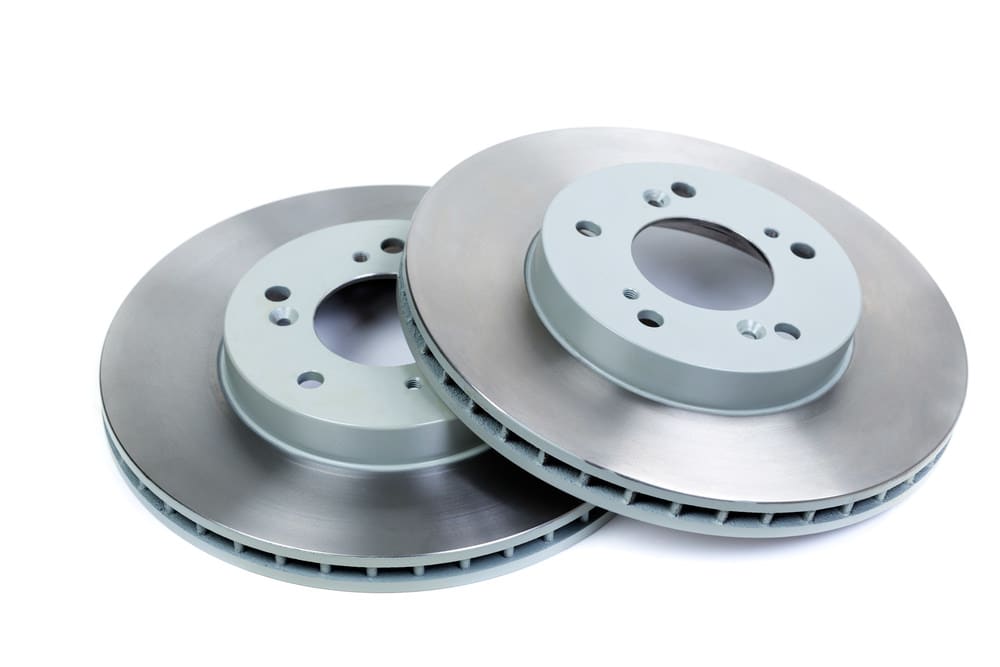
Credit: www.yourmechanic.com
Maintenance Tips To Extend Rotor Life
Taking care of your front brake rotors can save money and keep your car safe. Simple maintenance steps help rotors last longer and work better. Small efforts now prevent big problems later. These tips focus on keeping rotors in good shape for a long time.
Regular Inspections
Check your brake rotors every few months. Look for cracks, grooves, or rust on the surface. Listen for unusual noises when braking. Early signs of wear help you act fast. Catching problems early avoids costly repairs.
Brake Pad Replacement
Change brake pads before they wear out completely. Worn pads can damage rotors quickly. Use pads made for your car model. Proper pads reduce rotor wear and improve braking. Replace pads in pairs for even performance.
Driving Techniques
Brake gently and avoid sudden stops. Hard braking heats rotors and causes warping. Slow down early instead of slamming brakes. Smooth driving reduces rotor stress. This helps rotors stay in good condition longer.
Cleaning And Care
Keep rotors clean from dirt and debris. Use a soft brush or cloth to wipe them. Avoid harsh chemicals that damage metal. Clean rotors help brakes work well and last longer. Regular care stops rust and corrosion build-up.
When To Replace Front Brake Rotors
Knowing when to replace front brake rotors is crucial for safe driving. Worn rotors reduce braking power and cause damage. Signs of rotor wear can be subtle or obvious. Regular checks help prevent brake failure and costly repairs.
Measuring Rotor Thickness
Rotors wear down as you use your brakes. Each rotor has a minimum thickness limit. Use a micrometer to measure the rotor thickness. If the rotor is thinner than the limit, replace it. Thin rotors can crack or warp easily.
Detecting Vibrations And Noises
Vibrations during braking often mean rotor problems. Shaking or pulsing in the brake pedal is a common sign. Listen for squealing or grinding sounds when stopping. These noises show the rotor surface is damaged. Damaged rotors reduce braking efficiency and cause discomfort.
Manufacturer Recommendations
Car makers provide guidelines for rotor replacement. Check your vehicle’s manual for specific advice. Follow the recommended mileage or time intervals. Sticking to these limits ensures brake system safety. Use original or approved rotor parts for best results.

Credit: www.trodo.com
Choosing Quality Replacement Rotors
Choosing quality replacement rotors matters for your safety and car performance. Good rotors last longer and work better. They help your brakes stop smoothly and avoid damage to other parts. Picking the right rotors means understanding the options available. Consider brand types, materials, and costs to find the best fit for your vehicle and budget.
Oem Vs Aftermarket
OEM rotors come from the car maker. They match original parts exactly. These rotors fit well and keep your car as designed.
Aftermarket rotors come from other companies. They may offer different designs or features. Some are cheaper but vary in quality. Choose trusted brands to avoid poor performance or early wear.
Material Options
Rotors come in various materials. Cast iron is common and affordable. It wears evenly and handles heat well.
Steel rotors last longer but can cost more. Some rotors have special coatings to resist rust. High-performance cars use carbon or ceramic rotors for better heat control and lighter weight.
Cost Considerations
Price varies by brand, material, and type. OEM rotors usually cost more than aftermarket ones.
Cheaper rotors may save money now but wear out faster. Investing in quality rotors reduces replacements and brake repairs later.
Balance cost with quality to keep your brakes safe and reliable.
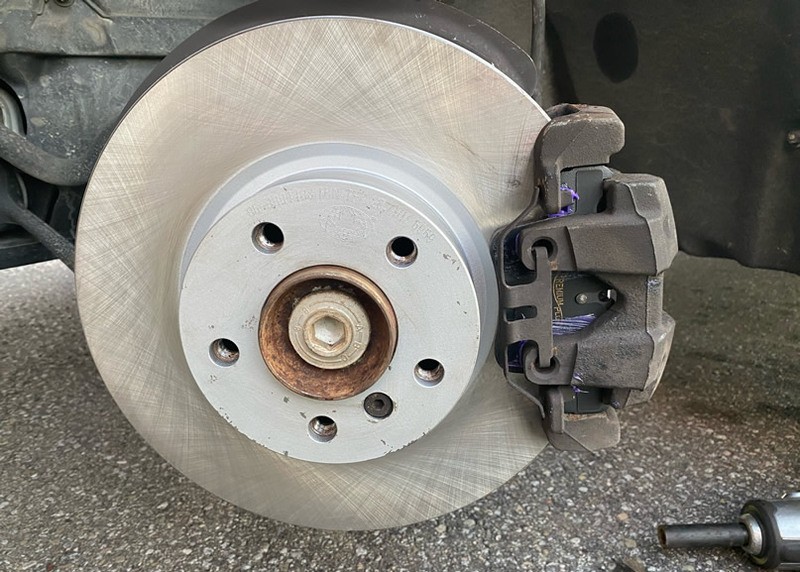
Credit: www.allrotors.com
Frequently Asked Questions
How Often Should Front Brake Rotors Be Replaced?
Front brake rotors usually last between 30,000 to 70,000 miles. Replacement depends on driving habits, rotor quality, and maintenance. Regular inspections help identify wear, warping, or damage. Replacing rotors timely ensures optimal braking performance and safety on the road.
What Signs Indicate Front Brake Rotors Need Replacement?
Common signs include squealing, grinding noises, vibration when braking, and visible grooves. If braking distance increases or the pedal feels soft, rotors may be worn. Early detection prevents damage to other brake components and maintains safe driving conditions.
Can Front Brake Rotors Be Resurfaced Instead Of Replaced?
Yes, rotors can be resurfaced if wear is minor and thickness remains above minimum. Resurfacing smooths out imperfections and extends rotor life. However, severely damaged or thin rotors should be replaced for safety reasons.
Do Driving Habits Affect Front Brake Rotor Lifespan?
Yes, aggressive braking, frequent stop-and-go traffic, and heavy loads reduce rotor lifespan. Gentle braking and regular maintenance help prolong rotor life. Understanding your driving style can optimize brake performance and reduce replacement frequency.
Conclusion
Front brake rotors usually last between 30,000 and 70,000 miles. Driving habits and road conditions change their lifespan. Regular checks help spot wear early and keep brakes safe. Signs like vibrations or noise mean it’s time to inspect. Replacing rotors on time keeps your car stopping well.
Taking care of brakes saves money and avoids accidents. Simple maintenance goes a long way for safety and performance. Stay alert to how your brakes feel while driving. Your safety depends on healthy brake rotors.

