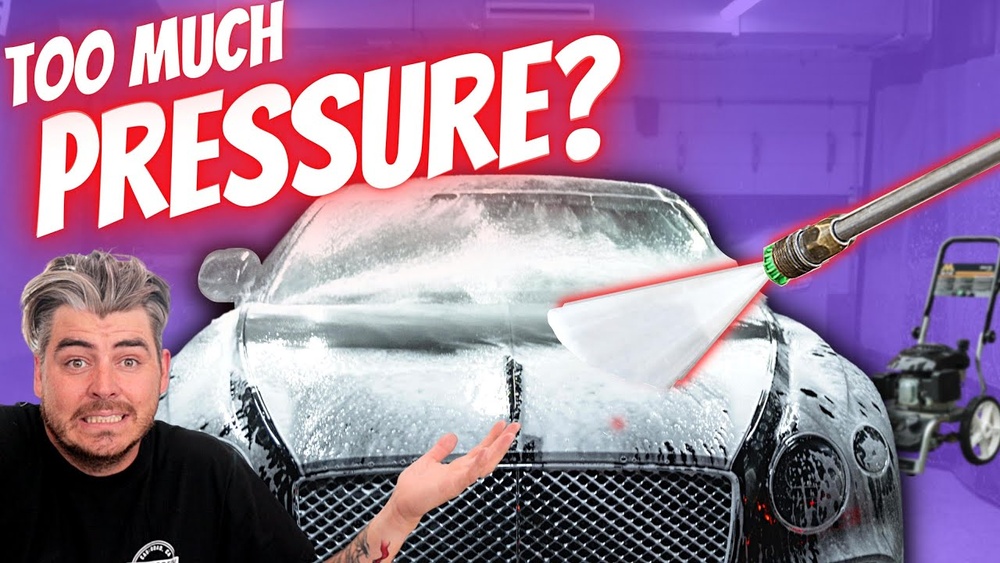
When it comes to cleaning your car with a pressure washer, knowing the right PSI is key. Too much pressure can damage your paint, while too little might leave dirt behind.
You want a clean car without the risk of scratches or chips. So, how much PSI should you use for pressure washing your car? You’ll discover the perfect balance to get your vehicle sparkling clean safely and effectively. Keep reading to find out exactly what pressure level works best for your car and how to protect its finish while washing.
Credit: pressurewashr.com
Ideal Psi For Car Washing
Choosing the right PSI for washing your car is important. Too much pressure can damage the paint. Too little pressure might not clean well. Finding the ideal PSI helps keep your car safe and clean. It removes dirt without causing harm. Understanding the right pressure makes washing easier and better.
Recommended Psi Range
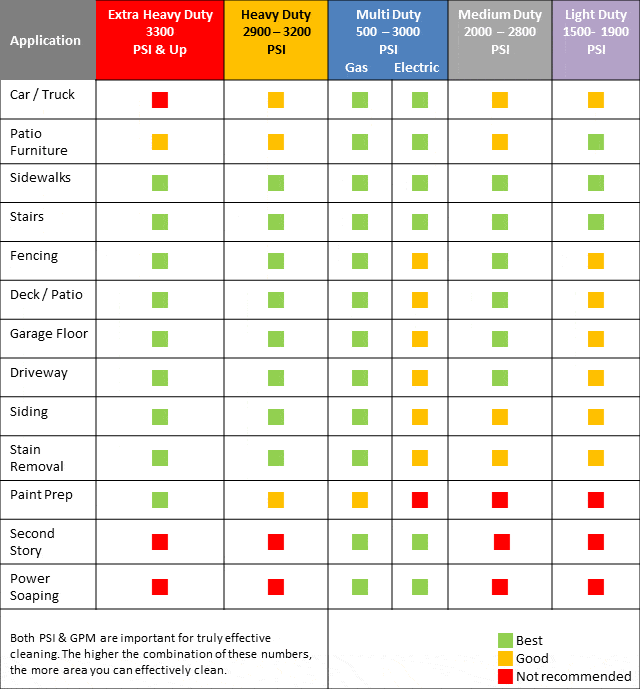
The ideal PSI for washing a car usually falls between 1200 and 1900. This range is strong enough to remove dirt and grime. It is gentle enough to avoid harming the paint or decals. Lower pressure, around 1200 PSI, is best for delicate surfaces. Higher pressure, near 1900 PSI, works for tougher dirt. Staying in this range keeps your car safe and clean.
Factors Affecting Psi Choice
Different factors affect which PSI you should use. The type of paint on your car matters. Older or thin paint may need lower pressure. The distance between the nozzle and car also changes pressure impact. Closer distance means stronger pressure on the surface. The type of dirt or stains affects PSI choice too. Heavy mud may need more pressure than light dust. Adjust PSI to balance cleaning and safety.
Credit: www.eveagetool.com
Impact Of High Psi On Car Paint
High PSI pressure washing can harm your car’s paint. The paint is thin and delicate. Strong water pressure can cause chips and scratches. It can also remove the clear coat that protects the paint. This damage makes the car look old and worn out.
Using too much pressure can lead to costly repairs. The paint may peel or fade faster. It also makes dirt and rust spread quicker. Understanding the impact of high PSI helps keep your car’s paint safe.
Risks Of Paint Damage
High PSI can strip off the paint layer. It may create small cracks or dents. The force can chip the paint, exposing metal parts. This exposure can cause rust and corrosion. Paint damage lowers the car’s value and appearance.
Avoiding Surface Scratches
Scratches happen when pressure is too high. Dirt and debris press into the paint. This causes fine lines and marks. Use a lower PSI to protect the surface. Keep the nozzle at a safe distance from the car. Soft brushes and gentle soap help reduce scratches.
Choosing The Right Nozzle
Choosing the right nozzle is key for pressure washing your car safely. The nozzle controls the water flow and spray angle. Picking the wrong nozzle can damage your car’s paint or leave dirt behind. Understanding nozzle types and angles helps you clean effectively without harm.
Nozzle Types And Angles
Nozzles come in different colors and angles, each for a specific purpose. A 0-degree nozzle shoots a strong, narrow stream. It can cause damage, so avoid it for cars. A 15-degree nozzle has a powerful spray but covers a wider area. It is still too strong for delicate car surfaces.
The 25-degree nozzle offers a good balance. It sprays water at a medium pressure and wider angle. This nozzle cleans well without hurting the paint. The 40-degree nozzle gives a gentle, wide spray. It works best for rinsing soap and dust off the car.
Best Nozzle For Car Washing
The 25-degree nozzle is the best choice for washing cars. It removes dirt and grime without scratching the paint. Use it with low to medium pressure for safe cleaning. The 40-degree nozzle is perfect for final rinsing. It helps wash away soap and loose dirt gently.
Avoid nozzles with narrow angles or high pressure. They can cause scratches or paint damage. Choose nozzles that spread water evenly and softly. This keeps your car clean and protected during pressure washing.
Proper Pressure Washing Techniques
Proper pressure washing techniques help protect your car’s paint and finish. Using the right pressure and method ensures a clean surface without damage. Learning these techniques makes the cleaning process faster and safer.
Understanding how to hold the spray and move it across the car will improve results. These tips help avoid streaks, scratches, or peeling paint.
Maintaining Safe Distance
Keep the nozzle at least 12 inches away from the car surface. Closer distance can harm the paint or cause dents. Holding the spray too near may strip off wax or paint layers.
Adjust the distance based on pressure settings. Higher pressure needs more space. Lower pressure allows closer washing. Always start far and move closer if needed.
Optimal Washing Patterns
Use smooth, even strokes to clean the car. Move the spray in a side-to-side motion. Avoid staying too long in one spot to prevent damage.
Wash from top to bottom. Dirt and grime flow downward. This method avoids dirty water running over cleaned areas. Overlap each pass slightly for full coverage.
Safety Tips For Pressure Washing
Pressure washing a car can be very effective for cleaning. It uses strong water jets to remove dirt and grime quickly. But this power can also be dangerous. It is important to follow safety tips to protect yourself and your car. Using the right safety steps helps avoid injury and damage.
Protective Gear Recommendations
Wear safety glasses to protect your eyes from spray and debris. Gloves keep your hands safe from high pressure water and cleaning chemicals. Closed-toe shoes protect your feet from water and slipping. Long pants and a long-sleeve shirt shield your skin from water spray. This gear reduces the risk of injury during pressure washing.
Handling Equipment Safely
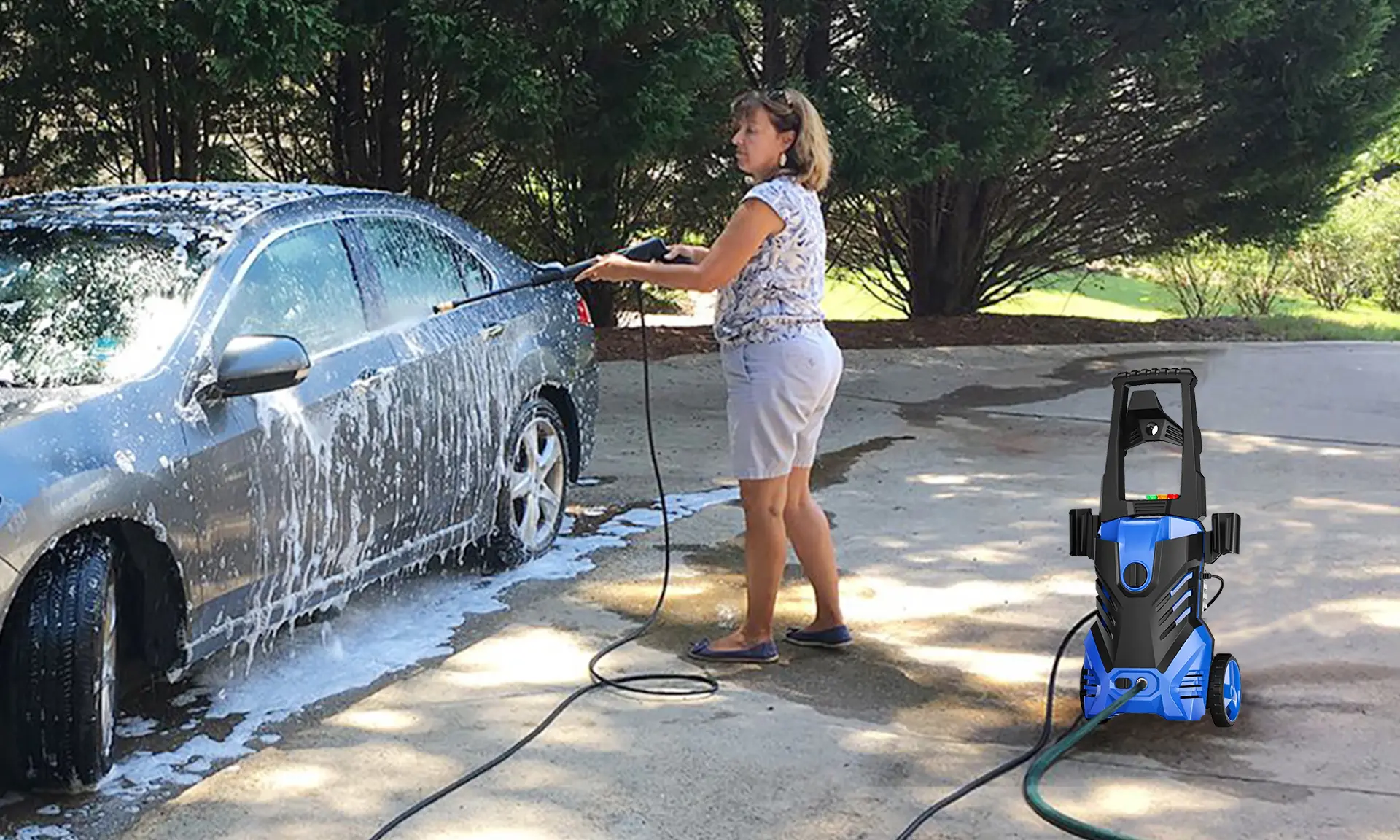
Hold the pressure washer firmly with both hands to control the spray. Keep the nozzle at least 12 inches away from the car surface to avoid damage. Do not point the spray at yourself or others. Turn off the machine when changing nozzles or adjusting settings. Always follow the manufacturer’s instructions for safe use.
Alternative Cleaning Methods
Cleaning a car does not always mean using a pressure washer. There are other ways to keep your car shiny and clean. These methods can be gentle and effective. They also help protect the paint and surface of your car. Exploring these options gives you choices for different needs and situations.
Hand Washing Vs Pressure Washing
Hand washing is a classic way to clean a car. It uses soap, water, and a soft sponge or cloth. This method is gentle and allows careful cleaning of all parts. Hand washing reduces the risk of damage that high pressure might cause.
Pressure washing uses strong water jets to remove dirt fast. It saves time and effort, especially on tough grime. However, too much pressure can harm paint and trim. Choosing the right pressure level is key to avoid scratches or dents.
Using Foam Cannons
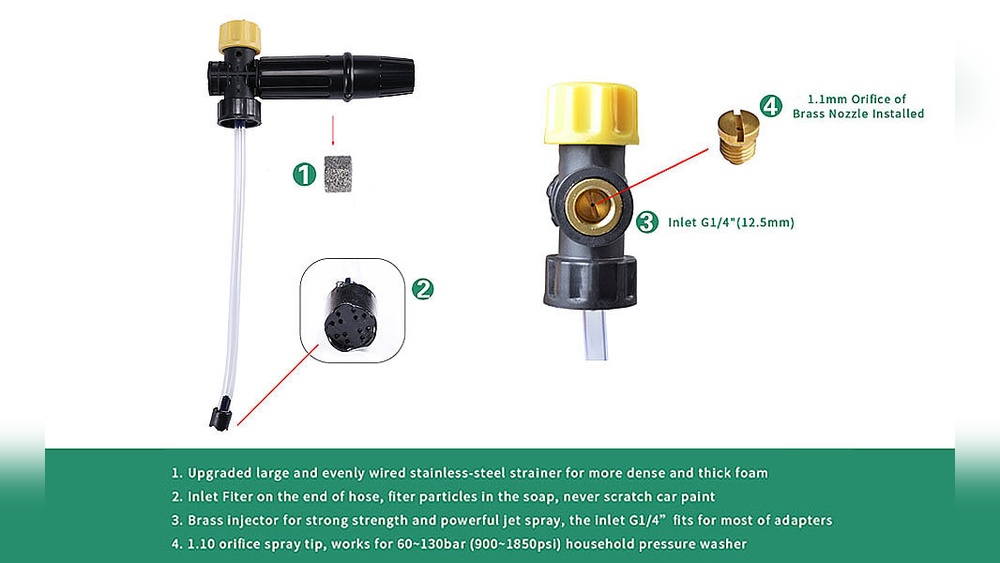
Foam cannons spray thick foam over the car’s surface. This foam loosens dirt and grime without rubbing. It covers the car evenly, making cleaning easier. Foam cannons work well with pressure washers but use a gentle spray.
This method protects the paint by reducing friction during washing. It also helps spot dirt that needs extra attention. Foam cannons are popular for people who want a safe and effective clean.
Troubleshooting Common Issues
Troubleshooting common issues during pressure washing can save time and protect your car’s finish. Knowing the right psi and technique helps avoid damage and achieve a clean look. Some problems might seem tough but have simple fixes.
Dealing With Stubborn Dirt
Stubborn dirt needs a bit more care. Use a pressure washer with 1200 to 1900 psi for safe cleaning. Hold the nozzle about 12 inches from the surface. Move in slow, steady strokes. Avoid staying too long in one spot to prevent damage.
Try using a car-friendly detergent before rinsing. Let it sit for a few minutes. This softens grime and makes it easier to remove. Rinse thoroughly to avoid residue buildup.
Preventing Water Spots
Water spots happen when water dries on the car’s surface. Use a pressure washer with moderate psi to rinse off soap quickly. After rinsing, dry the car with a clean microfiber cloth or chamois. This stops water from sitting and leaving marks.
Wash your car in the shade or during cooler parts of the day. This prevents water from evaporating too fast and causing spots. Regular waxing also helps repel water and protect the paint.

Credit: www.reddit.com
Frequently Asked Questions
What Is The Ideal Psi For Pressure Washing A Car?
The ideal PSI for washing a car is between 1200 and 1900 PSI. This range effectively removes dirt without damaging the paint.
Can High Psi Damage My Car’s Paint?
Yes, PSI above 2000 can damage paint by stripping off layers or causing scratches. Use moderate pressure for safety.
Should I Adjust Psi For Different Car Surfaces?
Yes, lower PSI is best for delicate surfaces like glass and trim. Higher PSI suits tires and wheel wells.
Is Low Psi Effective For Cleaning Cars?
Low PSI under 1200 may not remove tough grime well. Moderate PSI ensures efficient cleaning with minimal risk.
Conclusion
Choosing the right PSI keeps your car safe and clean. Too much pressure can damage paint and parts. A gentle range between 1200 and 1900 PSI works well. Always test on a small area first. Use proper distance and keep the nozzle moving.
With the right pressure, your car shines without harm. Simple steps make washing easier and safer. Keep these tips in mind for best results every time.