

Wondering how long a car inspection really takes? You’re not alone.
Whether you’re rushing to meet a deadline or just want to get back on the road quickly, knowing what to expect can save you time and stress. You’ll discover exactly how much time you should set aside for your car inspection and why some inspections take longer than others.
Keep reading to avoid surprises and make your next visit smooth and hassle-free.

Credit: www.lyonwaugh.com
Inspection Types
Car inspections come in different types. Each type checks various parts of your vehicle. Knowing the inspection types helps you understand how long each takes. This knowledge prepares you for the visit and any needed repairs.
Safety Checks
Safety checks look at essential parts of your car. They inspect brakes, tires, lights, and seat belts. The goal is to ensure your car is safe to drive. These checks usually take about 30 minutes. They are quick but very important for your safety.
Emissions Tests
Emissions tests measure the gases your car releases. These tests help reduce air pollution. They check if your car meets environmental rules. Usually, this test lasts about 20 to 40 minutes. It is a simple and important step for clean air.
Comprehensive Inspections
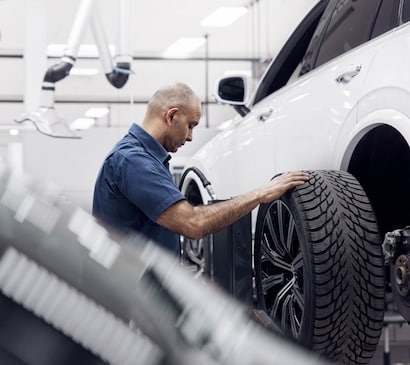
Comprehensive inspections cover many parts of your vehicle. They include safety checks and emissions tests. Plus, they check the engine, suspension, and more. These inspections take longer, often one to two hours. They give a full report on your car’s condition.
Credit: www.volvocarsrichmond.com
Average Time Frames
Car inspections vary in length depending on the type and detail needed. Knowing average time frames helps plan your visit better. Some inspections take just a few minutes, while others need more time.
Quick Inspections
Quick inspections usually last about 15 to 30 minutes. They cover basic checks like lights, tires, and brakes. These inspections focus on safety essentials only. They are common during routine maintenance or simple checks.
Detailed Inspections
Detailed inspections take longer, often 1 to 2 hours. Mechanics examine the engine, transmission, and other key parts. They also check for wear, leaks, and hidden issues. This type suits buying a used car or after repairs.
Factors Affecting Duration
Several factors affect how long inspections take. Vehicle size and type can speed up or slow down the process. Older cars often need more time due to wear. The inspector’s experience also plays a role. Lastly, the inspection’s purpose changes the length.
Preparing Your Car
Preparing your car before an inspection saves time and stress. A well-prepared car passes checks smoothly. Taking simple steps helps the process go fast and easy.
Clean and check your car carefully. Small fixes can avoid big problems. Being ready shows you care about your vehicle’s condition.
Essential Pre-inspection Steps
Start with a full car wash. Clean cars let inspectors see all parts clearly. Check all lights, including brake and signal lights. Replace any burnt-out bulbs quickly. Make sure tires have enough air and good tread. Inspect windshield wipers and top off washer fluid. Test your horn and brakes for proper function. Fix small leaks under the car. Check oil and other fluid levels. These checks prevent delays and extra visits.
Documents To Bring
Bring your car’s registration papers. Proof of insurance is also important. Have your driver’s license ready for ID. Some places require previous inspection reports. Keep maintenance records handy if available. These documents speed up the inspection process. Missing papers can cause delays or rescheduling.
Choosing The Right Service
Choosing the right service for your car inspection saves time and ensures quality. It affects how long the inspection takes and the results you get. Knowing the difference between service options helps you pick the best fit for your needs.
Authorized Centers Vs. Independent Shops
Authorized centers follow strict rules from car makers. They use special tools and parts. Their inspections are often very thorough. Independent shops may offer faster service. They might charge less too. But their inspection quality can vary. Choose based on trust and the type of inspection you need.
Benefits Of Online Booking
Online booking saves time before you arrive. You can pick a date and time that fits your schedule. It reduces waiting time at the shop. Many places send reminders to keep you updated. Booking online helps avoid last-minute rush and delays.
Tips To Save Time
Saving time during a car inspection helps reduce stress and keeps your schedule on track. Simple actions before and during the inspection can make the process faster. These tips help you prepare and avoid delays.
Scheduling Strategies
Book your inspection early in the day. Morning appointments usually have shorter wait times. Call ahead to confirm the available slots. Choose a day that is less busy, like midweek. Avoid weekends and holidays when many people get inspections. Use online booking if the service offers it. This saves time waiting in line.
Avoiding Common Delays
Make sure your car is clean and easy to access. Remove all personal items from the car. Check that all lights and signals work before the inspection. Fix small problems before the appointment. Bring all necessary documents like registration and insurance papers. Arriving on time helps keep the process smooth. Communicate clearly with the inspector if you have questions.
After The Inspection
After the inspection, your car’s condition becomes clear. This step is crucial for understanding the vehicle’s health. The inspector will share the findings and explain what they mean. Knowing the results helps you make smart decisions about repairs and maintenance.
Understanding Results
The inspection report lists all checked parts and their status. It shows which areas passed and which need attention. Some issues might be urgent, while others can wait. The report uses simple terms to describe problems. You can ask questions to clarify any confusion. Clear understanding helps you prioritize repairs wisely.
Next Steps For Repairs
After knowing the problems, decide what repairs to do first. Safety issues should come before cosmetic fixes. Get quotes from trusted mechanics for needed repairs. Some repairs might be done immediately, others can be scheduled. Keep a record of repairs for future reference. Staying organized saves time and money later.

Credit: blog.myairbags.com
Frequently Asked Questions
How Long Does A Typical Car Inspection Take?
A typical car inspection takes about 30 to 60 minutes. The duration depends on the inspection type and vehicle condition. Basic safety checks are faster, while thorough inspections take longer. Always schedule some extra time to address any issues found during the inspection.
What Factors Affect The Length Of Car Inspections?
Inspection time varies due to vehicle age, condition, and inspection depth. Older cars may need more checks. Complex inspections include emissions and safety systems, increasing duration. Technician experience and busy schedules also impact inspection length. Planning ahead helps manage your time efficiently.
Can I Speed Up The Car Inspection Process?
To speed up inspection, ensure your car is clean and accessible. Fix minor issues beforehand and bring required documents. Scheduling an appointment avoids waiting times. Clear communication with the inspector helps streamline the process. Preparation reduces delays and speeds up the inspection.
Are Emissions Tests Included In Inspection Time?
Yes, emissions tests are often part of the inspection and add 10 to 20 minutes. The exact time depends on the testing method and vehicle type. Including emissions ensures your car meets environmental standards. It’s essential for vehicle registration in many areas.
Conclusion
Car inspections usually take 30 minutes to an hour. The exact time depends on the vehicle and inspection type. Simple checks finish faster, while detailed ones need more time. Preparing your car before the inspection saves time. Knowing how long inspections take helps you plan better.
Regular inspections keep your car safe and legal. Don’t rush the process; quality matters most. A smooth inspection means fewer worries on the road. Stay informed and keep your vehicle in good shape.

