
Have you ever wondered, “How much coolant does my car hold?” Knowing the right amount is crucial to keep your engine running smoothly and avoid costly repairs.
Too little coolant can cause overheating, while too much might lead to leaks or damage. You’ll discover exactly how to find the right coolant capacity for your vehicle and why it matters. Keep reading—your car’s health depends on it!

Credit: www.youtube.com
Coolant Basics
Coolant is a vital fluid for your car’s engine. It keeps the engine safe from damage caused by heat. Without the right amount of coolant, your engine can overheat and fail. Understanding the basics of coolant helps you maintain your car better. This section explains what coolant does and the types available.
Role Of Coolant In Engine
Coolant absorbs heat from the engine and moves it to the radiator. The radiator then releases the heat into the air. This process stops the engine from getting too hot. Coolant also prevents freezing in cold weather. It protects engine parts from rust and corrosion. Without coolant, the engine could seize or crack.
Types Of Coolants
There are different types of coolants for various cars. The most common are ethylene glycol and propylene glycol. Ethylene glycol is toxic but effective at heat transfer. Propylene glycol is less toxic and safer for the environment. Some coolants are organic acid technology (OAT) types, designed for newer engines. Others are inorganic additive technology (IAT), used in older vehicles. Always check your car manual for the right coolant type.
Credit: rerev.com
Factors Affecting Coolant Capacity
Coolant capacity varies widely between cars. Several factors influence how much coolant your vehicle needs. Understanding these factors helps you maintain your car’s cooling system properly. It also prevents overheating and engine damage.
Engine Size And Design
The size of the engine greatly affects coolant capacity. Larger engines need more coolant to keep temperatures stable. Engines with complex designs or additional parts may require extra coolant. For example, turbocharged engines often use more coolant. This is because they generate more heat during operation.
Vehicle Make And Model
Different car manufacturers design cooling systems in unique ways. Some models have bigger radiators or extra cooling components. These differences change how much coolant the system holds. Luxury cars or trucks usually have larger coolant capacities. Small economy cars tend to have smaller cooling systems. Always check your vehicle’s manual for exact coolant amounts.
Finding Your Car’s Coolant Capacity
Knowing your car’s coolant capacity is important for proper maintenance. Using the right amount helps prevent engine overheating and damage. Finding this information is simple with a few easy steps. Here are some ways to find your car’s coolant capacity quickly.
Checking The Owner’s Manual
The owner’s manual is the best place to start. It usually lists the coolant capacity in the specifications section. Look for terms like “coolant capacity,” “engine coolant,” or “cooling system.” The manual also shows the type of coolant your car needs. Keep this manual handy for all car care tasks.
Using Online Resources
Many websites offer detailed car information by make and model. Manufacturer websites often provide specs for coolant capacity. Car forums and repair sites also share this info. Enter your car’s year, make, and model to find accurate data. Make sure the source is reliable to avoid wrong numbers.
Consulting A Mechanic
A professional mechanic can give you precise coolant capacity details. They have experience with many car models and know common issues. Mechanics can also check the cooling system for leaks or problems. Asking a mechanic is a good choice if you cannot find information elsewhere.
Credit: www.jdpower.com
How To Check Coolant Level
Checking your car’s coolant level is important to keep the engine cool. A low coolant level can cause the engine to overheat and damage parts. Learning how to check the coolant is easy and helps prevent costly repairs.
Locating The Coolant Reservoir
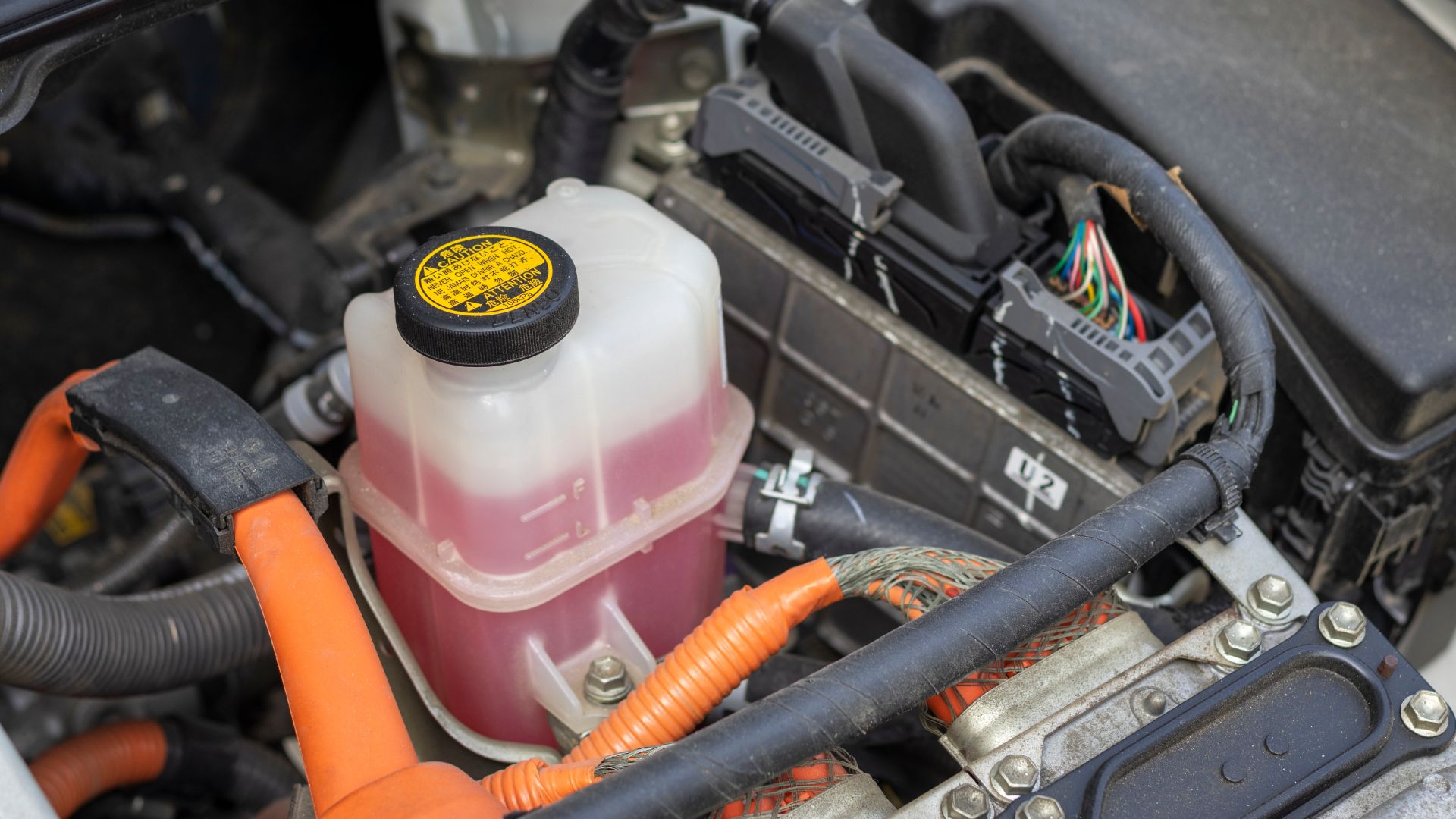
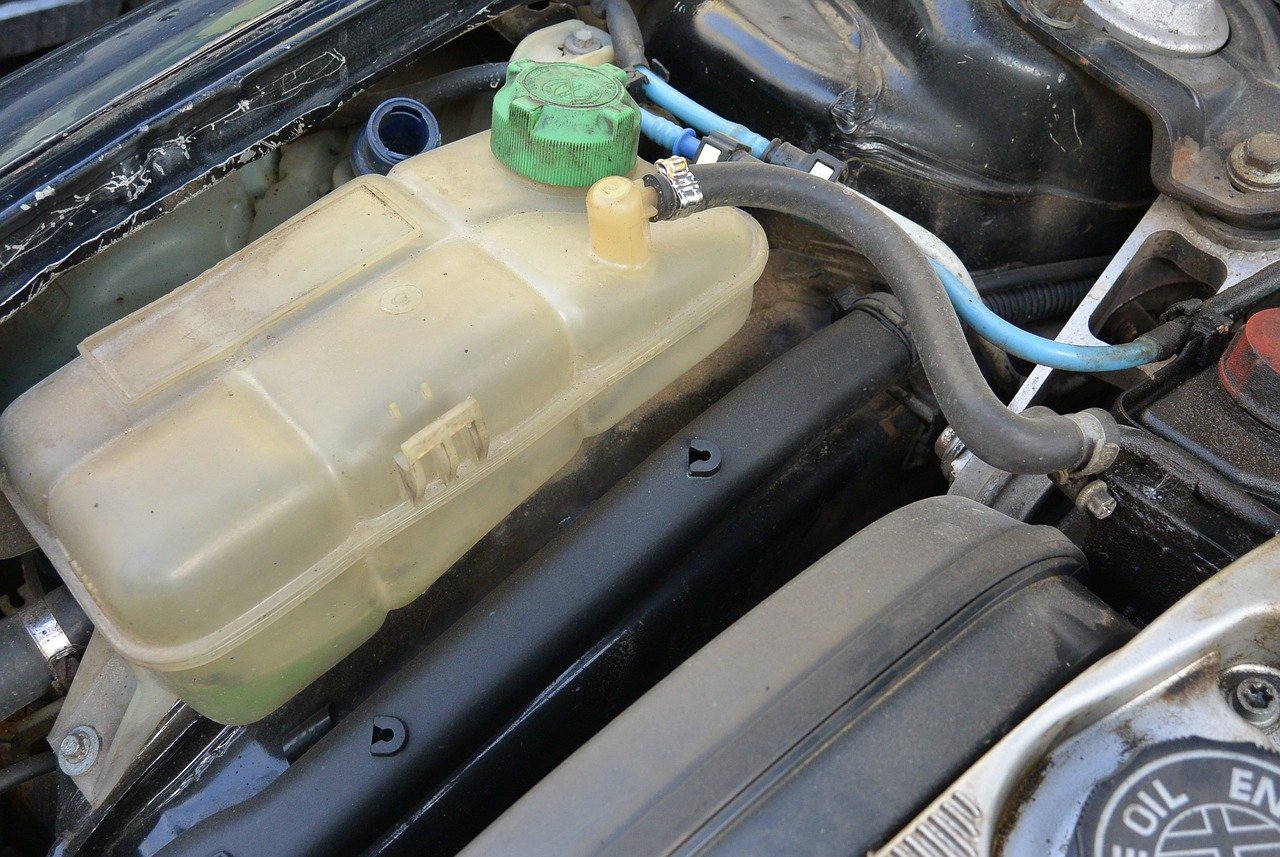
The coolant reservoir is a clear plastic tank under the hood. It is usually near the radiator or engine. The tank has a cap labeled “coolant” or “engine coolant.” Make sure the engine is cool before opening the cap.
Reading The Level Marks
The reservoir has marks on the side showing “Full” and “Low” levels. Check the coolant level against these marks. The coolant should be between the two marks. If it is below the “Low” mark, you need to add more coolant.
When To Check Coolant
Check the coolant before long trips or if the engine feels hot. Also, check it during regular car maintenance. Always check the coolant when the engine is cold to avoid burns.
Adding Coolant Safely
Adding coolant safely is important for your car’s engine health. Coolant keeps the engine from overheating. It also stops freezing in cold weather. Using the right type and amount of coolant helps your car run smoothly.
Careless handling can cause spills or damage. Following safe steps protects you and your vehicle.
Choosing The Right Coolant
Check your car manual for the recommended coolant type. Different cars need different formulas. Some coolants last longer than others. Using the wrong coolant can harm your engine. Buy coolant from a trusted store. Avoid mixing old and new coolant brands.
Mixing Coolant And Water
Most coolants need to be mixed with water. Use distilled water to avoid minerals in tap water. The common mix ratio is 50% coolant and 50% water. Mixing properly protects the engine from rust and corrosion. Too much water lowers the boiling point. Too much coolant can cause overheating.
Proper Filling Techniques
Always fill the coolant when the engine is cool. Open the radiator cap slowly to release pressure. Use a funnel to avoid spills. Fill the reservoir to the marked level. Do not overfill, as coolant expands when hot. After filling, check for leaks around hoses and the radiator.
Signs Of Coolant Issues
Coolant keeps your engine from getting too hot. It also stops the engine from freezing in cold weather. Knowing the signs of coolant problems helps you avoid costly repairs. Watch for these common signs to keep your car running smoothly.
Overheating Engine
An overheating engine is a clear sign of coolant issues. The temperature gauge will rise above normal levels. Steam may come out from under the hood. Your car might suddenly lose power or shut down. Stop driving and check the coolant level right away.
Leaks And Smells
Coolant leaks look like bright green, orange, or pink puddles under your car. You might also notice a sweet, syrupy smell. This smell comes from the antifreeze in the coolant. Leaks reduce coolant levels and can cause overheating. Find and fix leaks quickly to avoid damage.
Warning Lights
Dashboard warning lights can alert you to coolant problems. The engine temperature light or check engine light may turn on. These lights mean the coolant system needs attention. Don’t ignore these warnings. Check your coolant level and visit a mechanic if needed.
Maintenance Tips
Maintaining the right amount of coolant in your car is vital for its health. Proper care keeps the engine cool and prevents overheating. Follow simple tips to keep your coolant system working well.
Regular Coolant Flushes
Coolant breaks down over time and loses its effectiveness. Flushing the system removes old coolant and dirt. Most experts recommend a flush every 30,000 miles or every two years. This helps avoid clogs and corrosion inside the radiator.
Monitoring Coolant Condition
Check the coolant color and level regularly. Healthy coolant usually looks bright green, orange, or yellow. Dark or rusty coolant means it needs changing. Low coolant levels can cause engine damage. Top off with the right type of coolant for your car.
Professional Inspections
Have a mechanic inspect your cooling system yearly. They can spot leaks, worn hoses, and faulty parts early. Professionals use special tools to test coolant quality and pressure. Early detection saves costly repairs and keeps your car running smoothly.
Frequently Asked Questions
How Much Coolant Does A Typical Car Hold?
Most cars hold between 6 to 12 quarts of coolant. The exact amount varies by vehicle make and model. Check your owner’s manual for precise capacity. Proper coolant levels ensure engine efficiency and prevent overheating.
Where Can I Find My Car’s Coolant Capacity?
You can find coolant capacity in your vehicle’s owner manual. It’s often listed under engine specifications or maintenance sections. Alternatively, check the coolant reservoir or manufacturer’s website for detailed info.
How Often Should I Check My Car’s Coolant Level?
Check your car’s coolant level at least every month or before long trips. Regular checks prevent engine overheating and damage. Always check when the engine is cold for accurate readings.
What Happens If I Overfill My Car’s Coolant?
Overfilling coolant can cause pressure buildup and damage the cooling system. It may lead to leaks or engine overheating. Always fill to the recommended level indicated in the manual or reservoir.
Conclusion
Knowing how much coolant your car holds helps keep the engine safe. Check your car’s manual to find the exact amount needed. Use the right type of coolant for your vehicle. Keep the coolant level between the minimum and maximum marks.
Regularly topping up prevents overheating and costly repairs. Simple care keeps your car running smoothly and longer. Stay aware, check often, and drive with confidence.


