

Have you ever wondered how long your rear brake rotors actually last? Knowing the answer can save you money, keep your car running smoothly, and most importantly, keep you safe on the road.
Your brakes are one of the most critical parts of your vehicle, yet many drivers overlook the condition of their rear rotors until it’s too late. You’ll discover the key signs that your rotors need attention, how to extend their lifespan, and when it’s time to replace them.
Keep reading to protect your car and your peace of mind.
Factors Affecting Rotor Lifespan
Rear brake rotors do not all wear out at the same rate. Several factors affect how long they last. Knowing these factors can help you maintain your vehicle better. It also helps you plan for replacements on time.
Material Types
Brake rotors come in different materials. Common types include cast iron, steel, and composite. Cast iron rotors last longer but can be heavy. Steel rotors are lighter but may wear faster. Composite rotors offer good performance but cost more. The material affects heat resistance and wear speed.
Driving Habits
How you drive impacts rotor life a lot. Hard braking wears rotors faster. Frequent stop-and-go traffic also adds to wear. Smooth, gradual braking helps rotors last longer. Avoid riding the brakes to reduce heat and damage.
Environmental Conditions
Weather and road conditions play a role too. Wet or salty roads cause rust and corrosion. Dusty roads can cause extra surface wear. Hot climates may increase rotor temperature, causing faster wear. Cold climates might cause cracking from sudden temperature changes.
Vehicle Type And Usage
Heavy vehicles put more stress on rotors. Towing or hauling loads wears rotors faster. Sports cars with aggressive braking need rotors that handle heat well. Daily city driving differs from highway driving in rotor wear. Usage style changes how long rotors last.
Credit: www.rosevilletoyota.com
Typical Lifespan Of Rear Brake Rotors
The typical lifespan of rear brake rotors varies based on use and driving habits. These parts face constant friction and heat. Over time, they wear down and need replacement. Knowing their average life helps maintain vehicle safety and performance.
Average Mileage Range
Rear brake rotors usually last between 30,000 and 70,000 miles. Some rotors may wear out faster in city driving. Others can last longer on highways. Factors like load, road conditions, and braking style affect mileage.
Signs Of Wear
Listen for squealing or grinding sounds while braking. Feel for vibrations or pulsing in the brake pedal. Check for grooves, cracks, or rust on the rotor surface. These signs show rotors need inspection or replacement soon.
Manufacturer Recommendations
Car makers provide guidance on rotor maintenance and replacement. Follow the schedule in the vehicle manual. Use parts that meet or exceed original specifications. Proper care extends rotor life and ensures safe braking.
Common Causes Of Premature Rotor Wear
Rear brake rotors can wear out faster than expected due to several common reasons. Knowing these causes helps you protect your brakes and save money. Premature rotor wear can lead to unsafe driving and costly repairs. Pay attention to driving habits and maintenance to keep rotors healthy.
Aggressive Braking
Stopping suddenly or hard puts extra stress on brake rotors. This causes heat buildup and warping. Over time, rotors become thin and weak. Smooth and steady braking extends rotor life.
Overloading
Carrying heavy loads adds pressure to the braking system. Rotors must work harder to slow down. This extra force wears them out quickly. Avoid heavy loads to protect rear brake rotors.
Poor Maintenance
Ignoring brake inspections leads to rotor damage. Dirt and rust can build up on rotors. Old brake fluid affects braking power. Regular checks and cleaning keep rotors in good shape.
Brake Pad Quality
Cheap or wrong brake pads cause rotor damage. Hard pads wear rotors faster. Soft pads last longer but may reduce braking power. Use quality pads made for your vehicle.

Credit: www.ikehonda.com
Maintenance Tips To Extend Rotor Life
Maintaining rear brake rotors is key to making them last longer. Simple care can prevent costly repairs and ensure safe driving. Focus on regular checks, correct brake pad changes, avoiding heat damage, and keeping rotors clean. These steps help keep your brakes working well and your rotors in good shape for many miles.
Regular Inspections
Check your rotors often for signs of wear or damage. Look for grooves, cracks, or rust on the surface. Listen for unusual noises when braking. Early detection helps avoid bigger problems. Regular inspections let you act before rotors get too worn.
Proper Brake Pad Replacement
Replace brake pads before they wear out completely. Worn pads can damage rotors quickly. Use pads that match your vehicle’s requirements. Installing the right pads ensures even rotor wear. Proper replacement protects the rotors and improves braking performance.
Avoiding Overheating
Brake rotors can warp from too much heat. Avoid hard or continuous braking on long downhill roads. Give brakes a break to cool down. Driving gently helps keep rotors from overheating. Cooler rotors last longer and work better.
Cleaning And Care
Keep rotors free from dirt and debris. Use a soft brush or cloth to clean them. Avoid harsh chemicals that can damage the rotor surface. Clean rotors help brake pads grip better. Regular care prevents rust and extends rotor life.
When To Replace Rear Brake Rotors
Knowing when to replace rear brake rotors is key for safe driving. Rotors wear down over time and affect braking power. Watching for signs helps avoid accidents and costly repairs. Check your rotors regularly to keep your brakes strong and reliable.
Visual Damage Indicators
Look closely at the brake rotors for damage. Deep grooves, cracks, or rust spots show wear. A blue tint means the rotor is too hot. Warped or uneven surfaces cause vibration while braking. Any visible damage usually means replacement is needed.
Performance Issues
Notice changes in how your brakes feel. A pulsing brake pedal means rotor warping. Longer stopping distances signal worn rotors. Strange noises like squealing or grinding also warn of rotor problems. Poor brake performance always calls for a rotor check.
Measurement And Thickness Limits
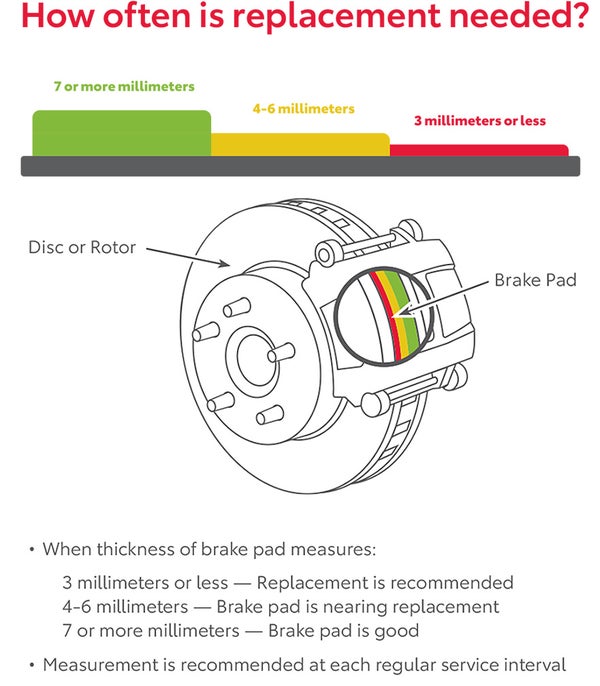
Rotors have a minimum thickness set by the manufacturer. Use a micrometer to measure the rotor’s thickness. If below the limit, the rotor must be replaced. Thin rotors can crack and fail under pressure. Always check thickness during brake service for safety.

Credit: www.trodo.com
Cost Considerations For Rotor Replacement
Replacing rear brake rotors involves several cost factors. Knowing these helps you plan your budget better. Costs vary by vehicle type, rotor quality, and labor charges. Understanding each part of the cost can save money and stress.
Parts And Labor Costs
Brake rotors differ in price based on material and brand. Standard rotors are cheaper than performance or specialty ones. Labor charges depend on the mechanic’s hourly rate and job difficulty. Expect a range from $150 to $400 for parts and labor combined.
Choosing Between Resurfacing And Replacement
Resurfacing means shaving the rotor surface to remove grooves. It costs less than buying new rotors. But resurfacing works only if rotors have enough thickness left. New rotors provide better safety and last longer. Resurfacing is a short-term fix in most cases.
Impact On Overall Brake System
New rotors improve braking efficiency and reduce noise. Worn rotors can cause uneven brake pad wear. This leads to more frequent replacements and higher costs. Proper rotor care extends the life of the entire brake system. Investing in quality parts saves money over time.
Frequently Asked Questions
How Long Do Rear Brake Rotors Usually Last?
Rear brake rotors typically last between 30,000 to 70,000 miles. Their lifespan depends on driving habits, vehicle type, and rotor quality. Regular maintenance and inspections can help extend their durability and ensure safe braking performance.
What Factors Affect Rear Brake Rotor Lifespan?
Rotor lifespan is influenced by driving style, road conditions, and brake pad quality. Frequent hard braking and stop-and-go traffic wear rotors faster. Proper maintenance and using quality parts can significantly prolong rotor life.
When Should You Replace Rear Brake Rotors?
Replace rear brake rotors when you notice vibrations, scoring, or thickness below manufacturer specs. Worn rotors reduce braking efficiency and safety. Regular inspections help detect wear early and prevent costly repairs.
Can Rear Brake Rotors Be Resurfaced?
Yes, rear brake rotors can often be resurfaced if damage is minor. Resurfacing removes grooves and uneven surfaces, restoring smooth braking. However, rotors below minimum thickness must be replaced for safety.
Conclusion
Rear brake rotors last between 30,000 and 70,000 miles. Driving habits affect their lifespan a lot. Regular checks help catch wear early. Worn rotors can cause noise and poor braking. Replacing them on time keeps your car safe. Pay attention to vibrations or squealing sounds.
Proper maintenance saves money and avoids bigger problems. Keep your brakes in good shape for smooth rides. Don’t wait for signs to get worse. Stay safe by watching rotor health closely.


