

Wondering how long it takes to replace your brakes and rotors? If you’ve noticed squeaking sounds or a change in your car’s stopping power, it might be time for a brake check.
Knowing the time involved can help you plan your day and avoid surprises. You’ll discover exactly how long the process takes, what affects the timing, and why it’s important to act promptly. Keep reading to get the facts and make sure your car stays safe on the road.

Credit: vatire.com
Signs To Replace Brakes And Rotors
Knowing the signs to replace brakes and rotors keeps driving safe. Worn parts can cause serious problems on the road. Early detection helps avoid costly repairs and accidents.
Squeaking And Grinding Noises
Squeaking sounds often mean brake pads are worn out. Grinding noises show metal rubbing on metal. This can damage rotors quickly. Pay attention to these sounds while driving.
Vibration While Braking
Shaking or vibration in the brake pedal means rotor problems. Warped rotors cause this feeling. It makes stopping harder and less smooth. Notice any unusual shaking when you brake.
Reduced Brake Performance
Longer stopping distances are a clear sign of brake wear. The brake pedal may feel soft or sink down. This means the brakes are not working well. Reduced brake power needs immediate attention.
Visible Wear And Damage
Look for cracks, grooves, or rust on rotors. Brake pads thinner than a quarter need replacement. Damaged parts reduce braking safety. Check your brakes often for visible damage.

Credit: www.youtube.com
Typical Replacement Intervals
Knowing the typical replacement intervals for brakes and rotors helps keep your car safe. These parts wear down over time and need timely replacement. Replacing them on time avoids costly repairs and keeps braking strong. Below are general guidelines for brake pads and rotors lifespan, plus factors that affect replacement timing.
Brake Pads Lifespan
Brake pads usually last between 30,000 and 70,000 miles. Some pads wear faster, depending on material and driving style. Softer pads stop well but wear quickly. Harder pads last longer but may cause more rotor wear. Watch for squeaking or reduced braking power as signs of worn pads.
Rotor Lifespan
Rotors often last about 50,000 to 70,000 miles. Rotors can sometimes be resurfaced instead of replaced. Deep grooves or warping mean replacement is necessary. Driving habits and brake pad type affect rotor life. Regular checks help spot rotor issues early.
Factors Affecting Replacement Timing
Driving style plays a big role in brake wear. Frequent hard braking shortens brake pad and rotor life. City driving with stop-and-go traffic wears brakes faster than highway driving. Weather also matters; wet or salty roads cause faster wear. Vehicle weight and load affect brake stress too.
Time Needed For Replacement
Knowing the time needed to replace brakes and rotors helps you plan better. Brake jobs differ in time depending on what parts get changed. Some tasks are quick, while others take longer. Understanding these times can ease your visit to the mechanic or your DIY project.
Replacing Brake Pads Only
Changing just the brake pads usually takes about 30 to 45 minutes per axle. Pads wear out faster than rotors, so this is the most common brake repair. Mechanics remove the wheels and old pads, then put new ones in. This job is faster because the rotors stay in place.
Replacing Both Pads And Rotors
Replacing both brake pads and rotors takes longer, around 1 to 2 hours per axle. Rotors are heavier and need more care during removal. The mechanic must also clean and prepare the area for new parts. This process ensures the brakes work smoothly and last longer.
Diy Vs Professional Service
Doing brake work yourself can save money but takes more time. A beginner might spend 2 to 3 hours for pads only, longer with rotors. Professionals have tools and skills to finish faster and safer. They also check other brake parts for wear. Choose based on your comfort with car repairs and time available.
Costs Involved
Replacing brakes and rotors involves certain costs. These costs vary based on parts, labor, and extra fees. Understanding these helps you prepare your budget well.
Costs can differ by vehicle type and repair shop. Knowing each part of the cost gives clarity and avoids surprises.
Parts Pricing
Brake pads and rotors are the main parts you buy. Brake pads usually cost between $30 and $70 per set. Rotors are pricier and range from $40 to $100 each. High-performance or luxury vehicle parts may cost more.
Labor Charges
Labor charges depend on the shop and location. Typical labor time for brake and rotor replacement is 1 to 2 hours. Labor rates often range from $75 to $150 per hour. Some shops offer fixed prices for this service.
Additional Fees To Consider
Some shops add fees for disposal of old parts. Taxes on parts and labor also increase the final bill. Sometimes, extra work like brake fluid change raises the cost. Always ask for a full estimate before starting repairs.
Maintenance Tips To Extend Life
Keeping your brakes and rotors in good shape saves money and keeps you safe. Simple care can make these parts last longer. Follow easy tips to avoid early wear and tear. This helps you drive smoothly without sudden stops for repairs.
Driving Habits
Brake gently. Avoid hard stops. Smooth braking lowers wear on pads and rotors. Don’t ride the brakes on hills. Use engine braking by downshifting. This reduces heat and stress on brakes. Drive at steady speeds. Sudden acceleration and quick stops wear parts faster.
Regular Inspections
Check brakes often. Look for noise, vibration, or longer stopping distances. Inspect pads for thickness and rotors for grooves or warping. Early checks catch problems before they get worse. Schedule professional brake checks every 10,000 miles or twice a year. Timely fixes extend brake life.
Quality Parts
Use good brake pads and rotors. Cheap parts wear out fast and can damage your system. Choose parts that fit your car model. Quality materials handle heat better and last longer. Investing in reliable parts reduces replacements and boosts safety.
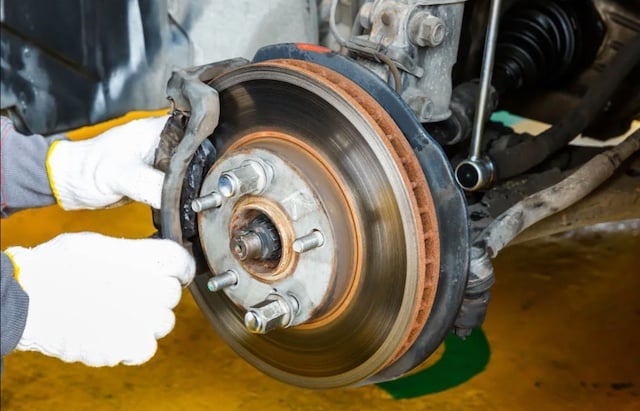
Credit: www.buybrakes.com
Frequently Asked Questions
How Long Does It Take To Replace Brake Pads?
Replacing brake pads usually takes about 30 to 60 minutes. The exact time depends on your vehicle model and mechanic’s experience.
How Long To Replace Brake Rotors And Pads Together?
Replacing both brake rotors and pads typically takes 1 to 2 hours. This includes removing old parts and installing new ones.
Can I Drive Immediately After Brake Replacement?
Yes, you can drive right after brake replacement. However, it’s best to avoid hard braking for the first 100 miles.
What Factors Affect Brake Replacement Time?
Brake replacement time depends on vehicle type, brake system complexity, and technician skill. Additional repairs can also increase the time needed.
Conclusion
Replacing brakes and rotors usually takes about one to two hours. The exact time depends on your car model and brake condition. Regular checks help spot wear early and keep driving safe. Timely replacements prevent bigger damage and costly repairs.
Trust a skilled mechanic for proper installation. Remember, brakes are vital for safety on the road. Keep them in good shape for peace of mind. Simple steps protect you and your passengers every day.


