
Have you ever found a spider hiding inside your car and wondered how long it might stick around? It’s a creepy thought, isn’t it?
Knowing how long spiders live in a car can help you decide what to do next—whether to stay calm or take quick action. You’ll discover surprising facts about spiders in cars, why they come inside, and how long they can survive in that strange environment.
By the end, you’ll feel more in control and less worried about your unexpected four-legged passengers. Keep reading to learn everything you need to know!
Spider Species In Cars
Spiders can live in cars for different times depending on the species. Some spiders prefer dark, quiet places. A car offers many hiding spots. This makes it a good home for some spiders. Knowing which spiders live in cars helps you understand their behavior. It also helps you deal with them better.
Spiders inside vehicles are usually small and not harmful. They avoid humans and look for food like insects. The type of spider depends on your location and the car’s environment. Here are the common types found in cars and how they get inside.
Common Types Found Inside Vehicles
House spiders are the most common inside cars. They build small webs in corners and under seats. They catch small bugs that enter the vehicle. Cellar spiders also appear in cars. They prefer dark places and create messy webs. Another type is the jumping spider. They do not build webs but hunt for prey actively. Most spiders found in cars are harmless and avoid contact.
How They Enter Cars
Spiders enter cars through open windows or doors. They can also crawl in through small cracks or vents. Parked cars near plants or bushes attract spiders. The insects around plants can lure spiders inside. Once inside, spiders look for quiet spots to hide. They stay hidden until the car moves or is cleaned.
Factors Affecting Lifespan
Several factors affect how long spiders live inside a car. These factors influence their health and survival chances. Understanding these helps explain why spider lifespans vary in cars.
Temperature And Climate Impact
Spiders are sensitive to temperature changes. Cars can get very hot during the day and cold at night. Extreme heat can shorten a spider’s life. Cold temperatures may slow their activity and growth. Humidity also plays a role; dry air inside a car can cause dehydration. A stable, mild temperature helps spiders live longer.
Availability Of Food And Water
Spiders need food to survive. In a car, food means small insects or bugs. If there are few or no insects, spiders struggle to find food. Water is scarce inside cars, making survival harder. Some spiders get water from dew or condensation. Limited food and water reduce their lifespan significantly.
Shelter And Safety Inside Cars
Spiders seek safe spots in cars to hide and build webs. Areas like under seats or in door panels offer shelter. Protection from predators and human disturbance is vital. Frequent car use or cleaning can destroy spider homes. A quiet, undisturbed car lets spiders live longer in peace.
Typical Lifespan Of Car Spiders
Spiders can sometimes find their way into cars. Their lifespan inside a vehicle depends on many things. The environment inside a car is not perfect for spiders. It can be too hot, cold, or dry. These factors affect how long spiders live inside cars.
Short-term Survival
Most spiders only survive a few days in a car. Lack of food and water limits their life. Cars often have little space for webs. This makes it hard for spiders to catch prey. Extreme temperatures also shorten their time inside.
Long-term Residency Possibilities
Some spiders might live longer in cars. If a car is rarely used, spiders may stay weeks or months. They find hidden spots like under seats or in vents. These places protect them from harsh conditions. Still, long-term survival is rare without food and water.
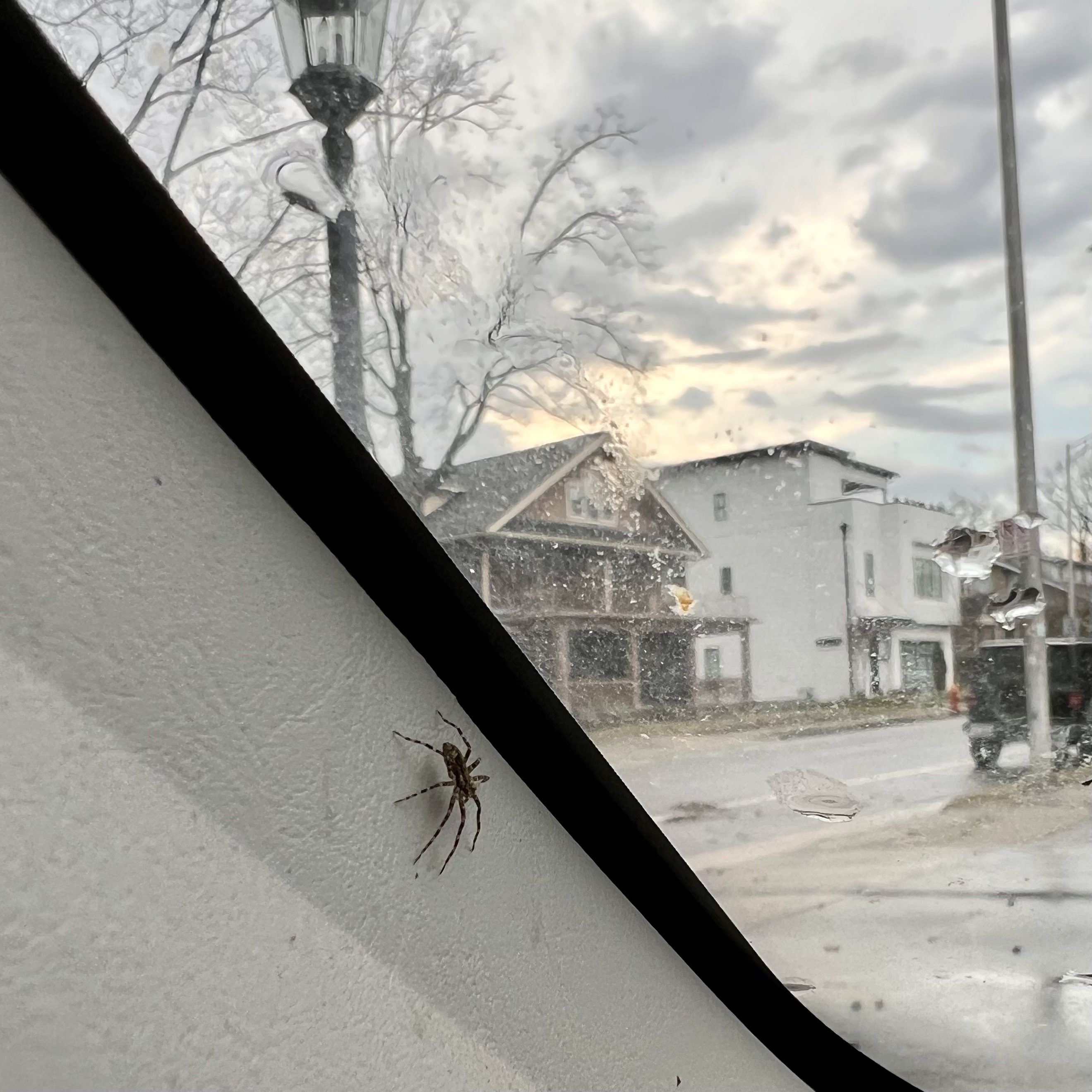
Credit: sidewalknature.com
Behavior And Adaptations
Spiders show unique behavior and adaptations inside cars. They adjust to small spaces and changing conditions. Understanding these habits helps explain how long spiders live in vehicles.
Spiders find ways to stay safe and find food inside cars. Their behavior changes to suit the environment. These changes help them survive longer in unusual places.
How Spiders Adapt To Car Environments
Spiders use their small size to hide in tight spots. They avoid open areas to stay safe. The warmth inside cars helps them stay active. Spiders also change their activity times. They often come out at night when it is cooler. They look for tiny insects to eat inside the car. This food source helps them survive.
Web Building Inside Vehicles
Spiders build webs in corners and under seats. These spots offer protection from movement and light. Webs catch small insects that enter the car. Some spiders make messy webs, others neat ones. Webs also give spiders a home base. This helps them stay in one place longer. Web building is a key survival skill inside cars.
Risks And Challenges For Spiders In Cars
Spiders living inside cars face many risks and challenges. Cars are not natural homes for spiders. The environment inside a car can be harsh and dangerous for them. These conditions make it hard for spiders to survive for long periods.
Spiders must cope with chemicals and constant movement. Both can harm their health and reduce their lifespan. Understanding these risks helps explain why spiders rarely live long in cars.
Exposure To Chemicals And Cleaning Agents
Cars often contain chemicals like air fresheners, pesticides, and cleaning sprays. These substances can irritate or poison spiders. Even small amounts of chemicals can be deadly. Cleaning agents used inside cars can destroy spider webs and eggs. This disrupts their shelter and food sources. Spiders exposed to these chemicals struggle to survive.
Movement And Vibration Effects
Cars move frequently and create strong vibrations. Sudden stops and turns shake the entire vehicle. These movements can dislodge spiders from their webs. Vibrations can also damage spider eggs and young spiders. Constant motion makes it difficult for spiders to build stable webs. The stress from moving affects their ability to hunt and rest. This reduces their chances of long-term survival.
Credit: www.abc.net.au
Preventing Spiders From Living In Cars
Spiders often find cars a cozy spot to live. They seek warmth, shelter, and quiet spaces inside vehicles. Preventing spiders from living in cars helps keep your ride safe and comfortable. Regular care and smart habits stop spiders from making a home inside.
Cleaning Tips To Discourage Spiders
Keep your car clean and free of clutter. Spiders hide in dark, dusty corners and under seats. Vacuum your car regularly to remove webs and egg sacs. Wipe down surfaces to remove dust and crumbs. Avoid leaving food or trash inside. This reduces bugs that attract spiders. Clean windows and door seals to stop entry points.
Using Repellents Safely
Use spider repellents designed for cars. Natural options like peppermint or eucalyptus oil work well. Spray these oils lightly around door frames and vents. Avoid overusing sprays inside the car cabin. Test any product on a small surface first. Keep sprays away from children and pets. Follow instructions carefully to stay safe.
What To Do When You Find A Spider In Your Car
Finding a spider in your car can be unsettling. Many people wonder what to do next. Acting calmly helps you handle the situation safely. Removing the spider without harm is important for both you and the spider. Here are some clear steps to follow.
Safe Removal Methods
Open all car doors and windows. This gives the spider a way to leave. Use a cup or jar to gently trap the spider. Slowly slide a piece of paper under the cup. Carry the spider outside and release it far from your car. Avoid squashing or hurting the spider. Keep calm and move slowly to prevent startling it.
When To Seek Professional Help
Some spiders can be dangerous or hard to find. If you see many spiders or suspect harmful ones, call an expert. Pest control professionals know how to remove spiders safely. They can check your car and prevent more from entering. Don’t try to handle poisonous spiders on your own. Protect yourself by letting a professional take care of the problem.

Credit: www.toyotaoforlando.com
Frequently Asked Questions
How Long Do Spiders Survive Inside A Car?
Spiders can live in a car for several weeks to a few months. Their lifespan depends on temperature, food availability, and shelter inside the vehicle.
What Attracts Spiders To Cars In The First Place?
Spiders enter cars seeking warmth, shelter, and food like insects. Dark, undisturbed areas with spider webs encourage them to stay longer.
Can Spiders Harm Me Or My Car?
Most spiders in cars are harmless and avoid humans. They don’t damage cars but can cause discomfort if found inside the cabin.
How Can I Prevent Spiders From Living In My Car?
Keep your car clean and remove webs regularly. Seal windows and doors properly to block spider entry points and reduce insect presence.
Conclusion
Spiders can live in cars for days or even weeks. Their survival depends on food, water, and shelter inside. Most spiders prefer quiet, dark places like car interiors. They rarely harm people but can surprise drivers. Cleaning your car regularly helps keep spiders away.
Check hidden spots like under seats or in vents. Understanding their habits can reduce unwanted visitors in your vehicle. Keep your car tidy to prevent spider homes. Simple steps make a big difference in spider control. Stay aware and enjoy a spider-free ride.


