

Have you ever wished your car vacuum cleaner could also clean your home? You’re not alone.
Many people find themselves stuck with a powerful little vacuum meant for cars but wonder if it can handle household messes too. What if you could save money and space by turning that car vacuum into a handy tool for your entire living space?
You’ll discover simple, practical steps to convert your car vacuum cleaner for home use. By the end, you’ll know exactly how to get more out of your device and keep your home spotless without buying a new vacuum. Ready to make your cleaning routine easier and smarter? Let’s dive in!
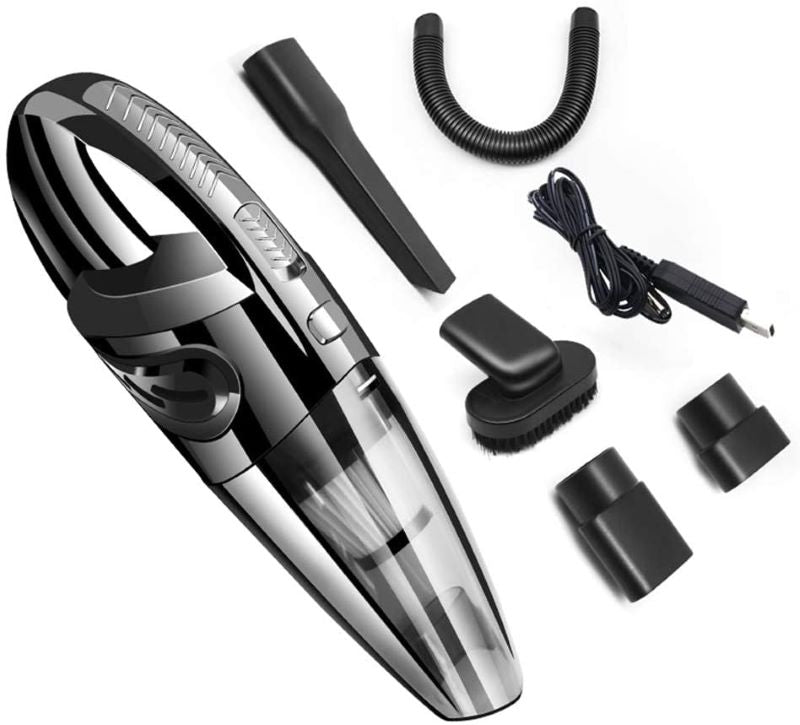
Credit: www.thetopdrive.com
Choosing The Right Car Vacuum
Choosing the right car vacuum cleaner is key to using it at home. Not all car vacuums fit well for household cleaning. Some models work better on floors and furniture. Others may struggle with larger spaces. Knowing what to pick saves time and effort.
Focus on the main features before buying. Think about power, design, and how you will use it. This helps you find a vacuum that cleans well in your home too.
Power And Suction Levels
Power is the heart of any vacuum. Strong suction removes dirt and dust quickly. Check the vacuum’s wattage or air watts rating. Higher numbers usually mean better cleaning. But more power can mean more noise and energy use. Choose a balance that suits your needs. For home use, moderate to high suction works best.
Corded Vs. Cordless Models
Corded vacuums offer constant power. No worries about battery life. They work well for long cleaning sessions. Cordless vacuums give freedom to move around. No cords to limit reach or cause trips. Battery life can limit use time. Recharge time matters too. Pick corded for steady power. Choose cordless for ease and quick jobs.
Portability And Size
Home vacuums should be easy to carry. Small and lightweight models reduce fatigue. Compact size helps reach tight corners and under furniture. Large vacuums may clean faster but can be hard to move. Consider storage space too. A portable vacuum fits better in small homes. Find a vacuum that feels comfortable to hold and move.

Credit: www.youtube.com
Gathering Necessary Tools
Before starting the project to convert a car vacuum cleaner for home use, gather all the needed tools. Having the right tools makes the process easier and safer. Prepare your workspace with enough light and space. Organize tools to avoid interruptions during work.
Basic Electrical Tools
Basic electrical tools are essential for any conversion project. A multimeter helps check voltage and continuity. Wire strippers and cutters make clean cuts and remove insulation safely. A soldering iron or electrical tape secures wire connections. Screwdrivers help open and close the vacuum cleaner parts.
Adapters And Connectors
Adapters and connectors link the vacuum to home power sources. A power adapter converts car voltage to home voltage. Use connectors that fit wires tightly and safely. Heat shrink tubing protects connections from damage. Choose adapters matching the vacuum’s power needs to avoid electrical issues.
Safety Gear
Safety gear protects you during the conversion process. Wear insulated gloves to avoid electric shocks. Safety goggles shield your eyes from sparks or debris. Work in a dry area to reduce risk. Keep a fire extinguisher nearby for emergencies.
Preparing The Vacuum Cleaner
Preparing the vacuum cleaner is the first step to convert it for home use. This process ensures the device works safely and effectively indoors. It helps identify what parts need changes or repairs. Careful preparation can extend the vacuum’s life and improve cleaning power.
Start by examining the power source and the motor. Check all filters for dirt or damage. Each step prepares the vacuum for a smooth switch from car to home.
Disassembling The Power Source
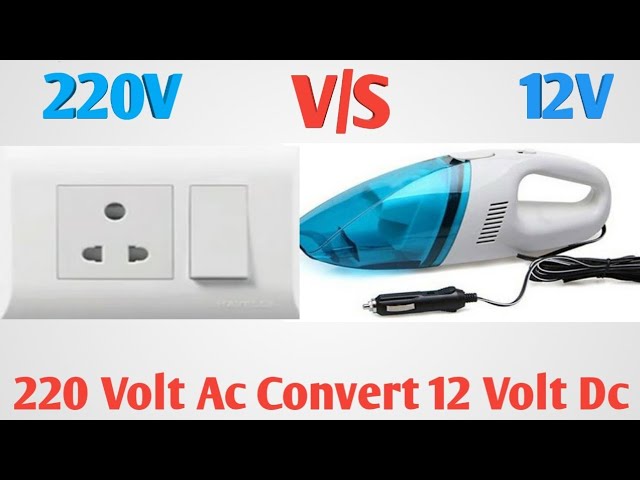
Begin by unplugging the vacuum and removing any battery packs. Car vacuums often run on 12V DC power. Home vacuums need 110V or 220V AC power. Take off the power adapter carefully to avoid damage. Check the wires for wear or loose connections. Keep the motor safe during this step. Removing the power source lets you install a new, suitable one for home use.
Inspecting The Motor And Filters
Next, open the vacuum to see the motor and filters. The motor should be clean and free of dust. Check if it spins smoothly without noise. Dirty or worn filters reduce suction power. Take out filters and clean them with water or air. Replace any filters that look broken or too old. Good motor and filters mean better cleaning at home.
Credit: www.youtube.com
Modifying The Power Supply
Modifying the power supply is key to using a car vacuum cleaner at home. Car vacuums run on 12V DC power from a car battery. Home outlets provide 120V or 220V AC power. This difference means you must change the power supply to match the vacuum’s needs.
Changing the power supply helps the vacuum work safely and well. It stops damage to the vacuum and avoids electrical problems. The following sections explain how to convert the voltage, use adapters, and keep safety in mind.
Converting 12v To 120v Or 220v
Car vacuums use 12V DC power, but homes have 120V or 220V AC power. You need a device called a power inverter to convert 12V to home voltage. The inverter changes DC to AC and raises voltage to 120V or 220V.
Choose an inverter with the right power rating. It must handle the vacuum’s wattage. Too small an inverter can cause the vacuum to stop working or damage it.
Using A Power Adapter Or Converter
Power adapters or converters help adjust voltage and current. Find one designed to convert home AC power to 12V DC power. This adapter plugs into the wall and outputs 12V DC for the vacuum.
Check the adapter’s output matches the vacuum’s power needs. Use adapters with built-in safety features like overload protection. This prevents damage to your vacuum and home wiring.
Ensuring Electrical Safety
Safety is vital when modifying power supply. Always use certified adapters and inverters. Avoid cheap or untested devices that risk electric shock or fire.
Keep connections tight and insulated. Do not expose wires or terminals. Use proper plugs and sockets to avoid loose contacts.
Test the setup in a safe area before regular use. Watch for overheating or unusual noises. Stop immediately if you see any problems.
Adapting The Vacuum For Home Outlets
Adapting a car vacuum cleaner for home use requires changing its power source. Car vacuums run on 12V DC, but home outlets supply 120V or 230V AC. You need to modify the vacuum to work safely with home electricity. This step is crucial for effective and safe operation.
Start by installing a standard plug to connect the vacuum to wall sockets. Then, secure all wiring connections to prevent hazards. Follow these steps carefully to avoid damage or injury.
Installing A Standard Plug
First, remove the car plug from the vacuum’s power cord. Cut the cord near the plug, leaving enough length to work with. Strip about half an inch of insulation from the wire ends. Use a standard home plug compatible with your country’s outlets.
Open the plug casing and connect the wires to the correct terminals. Usually, the live wire is brown or black, the neutral wire is blue or white, and the ground wire is green or yellow-green. Make sure you match the wires correctly. Tighten the screws firmly to hold the wires in place. Close the plug casing and test for any loose parts.
Securing Wiring Connections
Check all wire connections inside the vacuum cleaner. Use electrical tape or heat shrink tubing to cover exposed wires. This prevents short circuits and electric shocks. Avoid twisting wires too tightly to maintain good contact.
Use wire connectors or terminal blocks to join wires securely. Make sure wires do not touch metal parts inside the vacuum. This step ensures safety and durability. Double-check every connection before powering the vacuum on.
Testing The Modified Vacuum
Testing the modified vacuum is a key step after converting your car vacuum cleaner for home use. It ensures the device works properly and safely. This phase helps spot any issues before regular use. Follow these simple checks to confirm your vacuum’s performance.
Initial Power-on Check
Plug in the vacuum to a power source. Watch for any unusual sounds or smells. The motor should start smoothly without hesitation. Check if the power switch responds well. If it does not turn on, unplug immediately. Inspect wiring connections for loose or exposed wires. Safety first. A stable power-on means your vacuum is ready for the next step.
Evaluating Suction Performance
Test the suction by picking up small debris like dust or crumbs. Use different surfaces such as carpet and hardwood. The vacuum should pull in dirt easily without losing power. If suction feels weak, check the filters and hose for blockages. Clear any clogs found to improve airflow. A strong suction means your modification is successful. This test confirms the vacuum can handle home cleaning tasks.
Maintenance Tips For Home Use
Maintaining a car vacuum cleaner for home use keeps it working well. Proper care helps it last longer and clean better. Follow simple steps to keep your vacuum in top shape every day.
Cleaning And Filter Replacement
Empty the vacuum container after each use. Dirt build-up lowers suction power. Clean the filter regularly to avoid clogging. Replace filters as the manual suggests. Clean filters improve air quality and vacuum efficiency.
Storing The Vacuum Properly
Store the vacuum in a dry, cool place. Avoid areas with high humidity or dust. Keep the cord wrapped neatly to prevent damage. Proper storage stops wear and tear. It also keeps the vacuum ready for use anytime.
Frequently Asked Questions
How To Power A Car Vacuum Cleaner At Home?
You can power a car vacuum cleaner at home using a 12V adapter. Ensure the adapter matches the vacuum’s voltage and current requirements for safe use.
Can A Car Vacuum Cleaner Clean Home Carpets?
Yes, a car vacuum cleaner can clean small home carpets. However, its suction power is limited compared to regular home vacuums.
What Modifications Are Needed For Home Use?
Modify the power source by adding a 12V AC adapter. You may also need a longer power cord and a suitable plug for home outlets.
Is It Safe To Convert A Car Vacuum For Home?
Yes, if done correctly. Use proper voltage adapters and avoid overloading the vacuum to ensure safety during home use.
Conclusion
Converting a car vacuum cleaner for home use saves money and effort. It only takes a few simple steps to make it work indoors. This DIY project helps clean small messes quickly around the house. You don’t need special tools or skills to start.
Try it yourself and enjoy a handy vacuum without extra cost. Keep your home tidy with this easy conversion idea. Simple, fast, and useful.


