

If you drive a Subaru, you probably want to know how long your brake rotors will last. After all, your brakes are one of the most important safety features on your car.
Worn-out rotors can lead to poor braking performance and costly repairs. But how can you tell when it’s time to replace them? You’ll discover the key signs to watch for, how long you can expect your Subaru brake rotors to last, and tips to keep them in top shape.
Keep reading to protect your car, your wallet, and most importantly, your safety on the road.
Factors Affecting Rotor Lifespan
Several factors influence how long Subaru brake rotors last. These factors affect the wear and tear of the rotors. Understanding them helps maintain your vehicle better. It also helps avoid unexpected brake problems.
Driving Habits
Hard braking wears rotors faster. Smooth and gentle stops extend rotor life. Frequent stop-and-go traffic increases rotor wear. Long downhill drives with heavy braking also shorten rotor lifespan.
Road Conditions
Rough roads cause more rotor damage. Driving on gravel or dirt increases rotor wear. Wet or salty roads can cause rust on rotors. Rust weakens rotors and reduces their lifespan.
Vehicle Model Variations
Different Subaru models have different rotor sizes. Larger rotors tend to last longer. Some models use better rotor materials. These variations affect how long rotors stay effective.
Brake Pad Quality
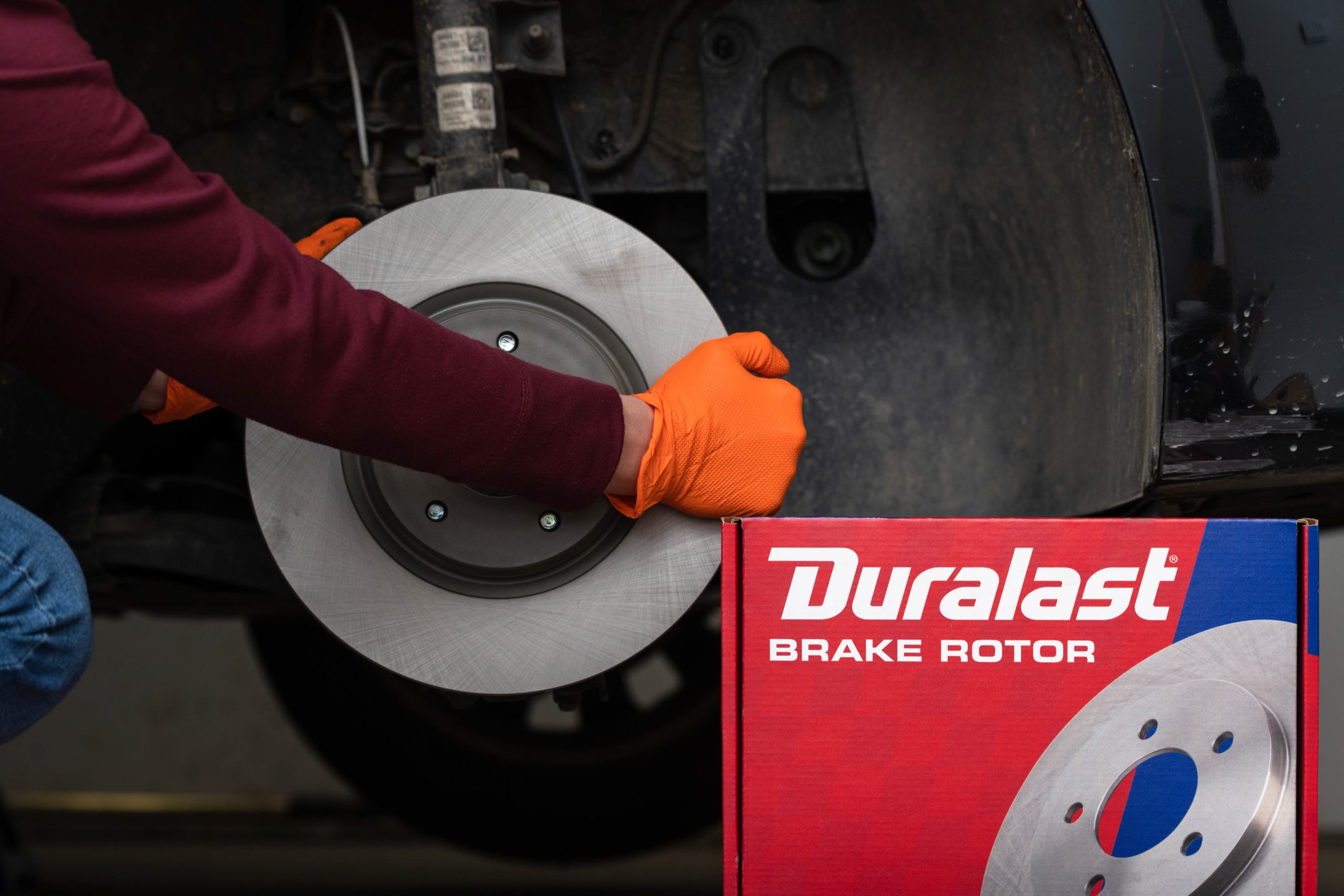
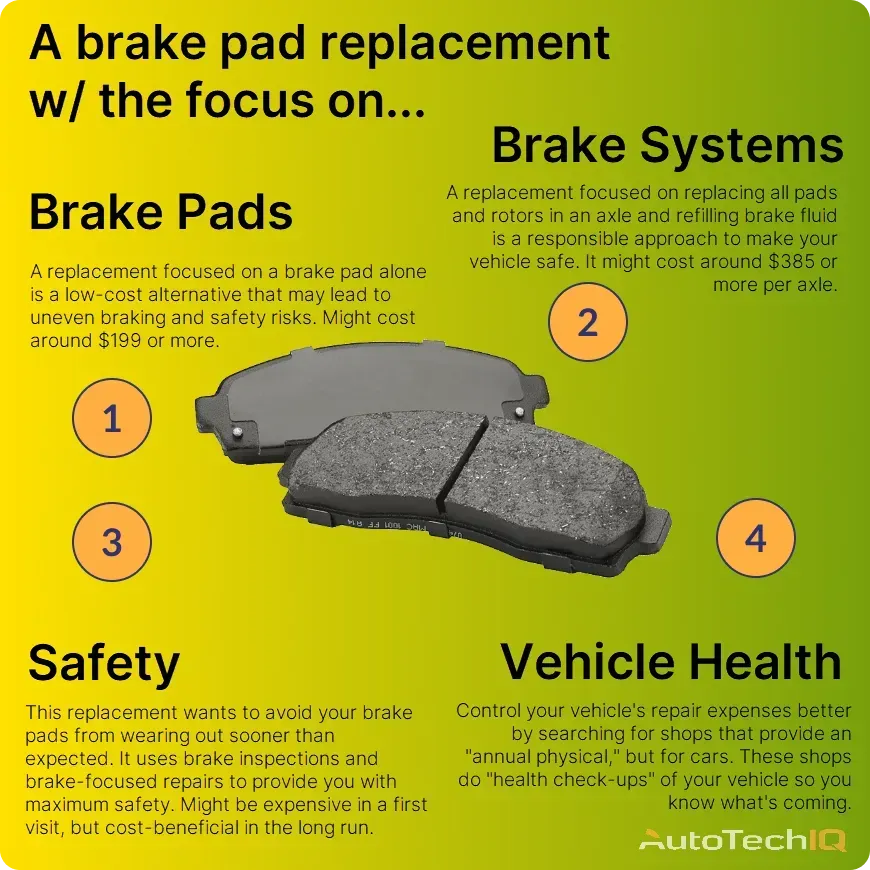
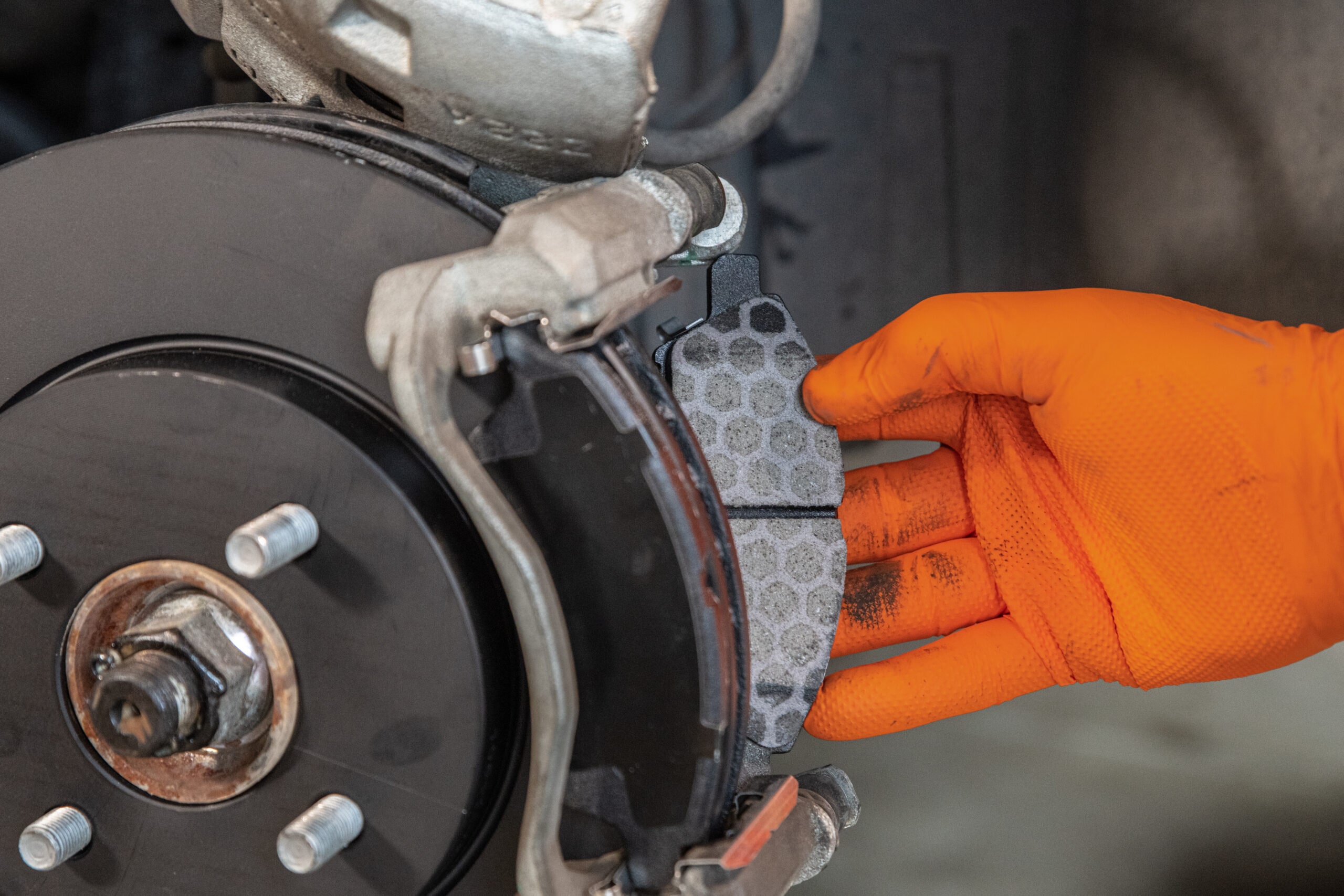
High-quality brake pads reduce rotor wear. Cheap pads can cause uneven rotor damage. Pads with poor materials leave more dust and heat. This shortens the rotor’s life significantly.
Credit: www.autozone.com
Average Lifespan Of Subaru Brake Rotors
Subaru brake rotors are a key part of the braking system. They help stop your car safely. Knowing their average lifespan helps you plan maintenance. Brake rotors wear out over time and need replacement. The lifespan depends on many factors like driving habits and conditions.
Mileage Expectations
Subaru brake rotors usually last between 30,000 and 70,000 miles. Some drivers see rotors last longer with gentle driving. Others may need to replace them sooner if they drive hard. City driving with many stops can wear rotors faster. Highway driving tends to cause less wear. Checking rotors at regular service intervals helps catch wear early.
Time-based Durability
Even without heavy use, rotors can age over time. Most Subaru rotors last about 3 to 5 years. Moisture and rust can damage rotors if the car sits unused. Regular driving helps keep them in good shape. Inspect rotors yearly to spot cracks or warping. Replacing rotors on time keeps braking strong and safe.
Signs Of Worn Brake Rotors
Brake rotors play a crucial role in your Subaru’s braking system. Over time, these rotors wear out and show clear signs. Recognizing these signs early helps keep you safe on the road. It also prevents costly repairs and maintains smooth braking performance.
Here are common signs that your Subaru’s brake rotors need attention.
Vibration Or Pulsation
Feeling a vibration or pulsation in the brake pedal is a key sign. This happens when rotors become uneven or warped. The shaking grows stronger during braking. It means the rotors are no longer smooth and need inspection or replacement.
Squeaking Or Grinding Noises
High-pitched squeaks or harsh grinding sounds signal worn brake rotors. Squeaking can come from rotor surface wear or brake pad issues. Grinding noise means the rotor surface is damaged or too thin. Both sounds warn that braking parts need urgent care.
Visible Damage Or Warping
Check your rotors for cracks, grooves, or discoloration. These are signs of damage or heat spots. Warped rotors may look uneven or bent. Visible wear means the rotor’s strength is compromised. Such damage reduces braking efficiency and safety.
Maintenance Tips To Extend Rotor Life
Proper care helps your Subaru brake rotors last longer. Good maintenance keeps rotors in top shape and prevents early wear. Simple steps can save money and improve safety.
Regular Inspections
Check your brake rotors often for signs of damage. Look for cracks, grooves, or rust on the rotor surface. Listen for unusual noises when braking. Early detection stops small issues from getting worse.
Brake Fluid Replacement
Brake fluid affects your braking system’s performance. Change the brake fluid every 2 years or as recommended. Old fluid can cause corrosion inside the brake system. Fresh fluid helps rotors and pads work smoothly.
Proper Bedding-in Procedures
New rotors need correct bedding-in to last longer. Avoid hard stops during the first 200 miles after installation. Gradually apply the brakes to build even rotor surface. This process improves brake feel and rotor life.
When To Replace Subaru Brake Rotors
Knowing when to replace Subaru brake rotors helps keep your car safe. Rotors wear down over time and affect braking power. Watch for signs that show rotors need replacing. This keeps your Subaru driving smooth and stopping well.
Thickness Specifications
Rotors have a minimum thickness limit set by Subaru. Measure rotor thickness with a caliper tool. If thickness is below the limit, replace the rotors. Thin rotors can crack or warp easily during braking. Always check thickness before installing new brake pads.
Performance Issues
Feel vibrations or pulsing in the brake pedal? This shows rotor problems. Also, listen for squealing or grinding noises while braking. Uneven or rough rotor surfaces reduce braking efficiency. These signs mean it is time to replace the rotors for safety.
Cost Considerations
Replacing rotors costs vary by model and quality. Buying OEM rotors may cost more but last longer. Budget rotors are cheaper but wear out faster. Consider labor costs if you don’t replace them yourself. Proper rotor replacement prevents costly damage to other brake parts.
Choosing Quality Replacement Rotors
Choosing quality replacement rotors for your Subaru is important. The right rotors keep your brakes working well and safe. Poor quality parts can wear out fast or cause brake problems. Understanding different rotor options helps you pick the best fit for your vehicle and driving style.
Oem Vs Aftermarket Options
OEM rotors come from the car maker. They match original parts exactly. Fit and performance stay reliable. Aftermarket rotors come from other companies. They vary in price and quality. Some offer better performance. Others may not last as long. Choose carefully based on your needs and budget.
Material Types
Rotors usually come in cast iron or composite materials. Cast iron is common and strong. It handles heat well and lasts long. Composite rotors may include aluminum or carbon. They weigh less and cool faster. This can help with brake fade. Match the material to your driving habits and conditions.
Trusted Brands
Brands with good reputations provide reliable rotors. They test parts for safety and quality. Using trusted brands reduces risk of early wear or failure. Some top names are Brembo, Bosch, and ACDelco. Check reviews and ask experts to find trusted options for your Subaru.
Diy Rotor Replacement Guide
Replacing Subaru brake rotors on your own saves money and gives you control over repairs. This guide breaks down the process into simple steps. Follow each part carefully to ensure safety and success.
Tools Needed
- Jack and jack stands
- Lug wrench
- Socket set and ratchet
- C-clamp or brake caliper tool
- Flathead screwdriver
- Rubber mallet or hammer
- Brake cleaner spray
- New brake rotors
- Brake grease
- Work gloves
- Safety goggles
Step-by-step Process
- Park on a flat surface and engage the parking brake.
- Loosen lug nuts slightly before lifting the car.
- Use jack to raise the car and secure with jack stands.
- Remove the wheel completely.
- Take off the brake caliper using the socket set.
- Hang the caliper safely to avoid stress on brake lines.
- Remove the old rotor, tapping gently if stuck.
- Clean the new rotor with brake cleaner to remove oil.
- Place the new rotor on the hub.
- Reinstall the brake caliper and tighten bolts securely.
- Put the wheel back on and hand-tighten lug nuts.
- Lower the car and tighten lug nuts in a star pattern.
- Test the brakes gently before driving normally.
Safety Precautions
- Wear gloves and safety goggles during the job.
- Use jack stands; never rely on the jack alone.
- Work on a flat, stable surface to prevent slips.
- Do not touch brake rotor surfaces with bare hands.
- Ensure all bolts are tightened to manufacturer specs.
- Test brake function before driving to avoid accidents.
Credit: www.autotechiq.com
Credit: www.autozone.com
Frequently Asked Questions
How Long Do Subaru Brake Rotors Typically Last?
Subaru brake rotors usually last between 30,000 to 70,000 miles. Lifespan depends on driving habits, road conditions, and maintenance frequency.
What Factors Affect Subaru Brake Rotor Lifespan?
Driving style, frequent braking, road quality, and rotor material quality impact rotor durability. Regular inspections help identify wear early.
When Should Subaru Brake Rotors Be Replaced?
Replace rotors if you notice vibrations, squealing, or reduced braking efficiency. Also, check for grooves or warping during service.
Can I Extend Subaru Brake Rotor Life?
Yes, avoid harsh braking, maintain proper tire pressure, and schedule regular brake inspections. Quality brake pads also protect rotors.
Conclusion
Subaru brake rotors usually last between 30,000 and 70,000 miles. Driving habits and road conditions affect their lifespan. Regular checks help spot wear early and keep you safe. Changing rotors on time avoids costly repairs later. Keep an eye on brake performance and noises.
Good maintenance extends rotor life and improves driving safety. Remember, taking care of your brakes protects you and others on the road.


